
Alvarezsaurus
Name Origin
Alvarez's Lizard
Family
Alvarezsauridae
Classification
Diapsida, Saurischia, Theropoda
Habitat (Discovery Location)
Argentina
Period
Approximately 86 to 83 million years ago (Late Cretaceous)
Length
Approximately 2 meters
Weight
Approximately 3 kilograms
Diet
Carnivore (Meat-eater)
You might also like... 

-
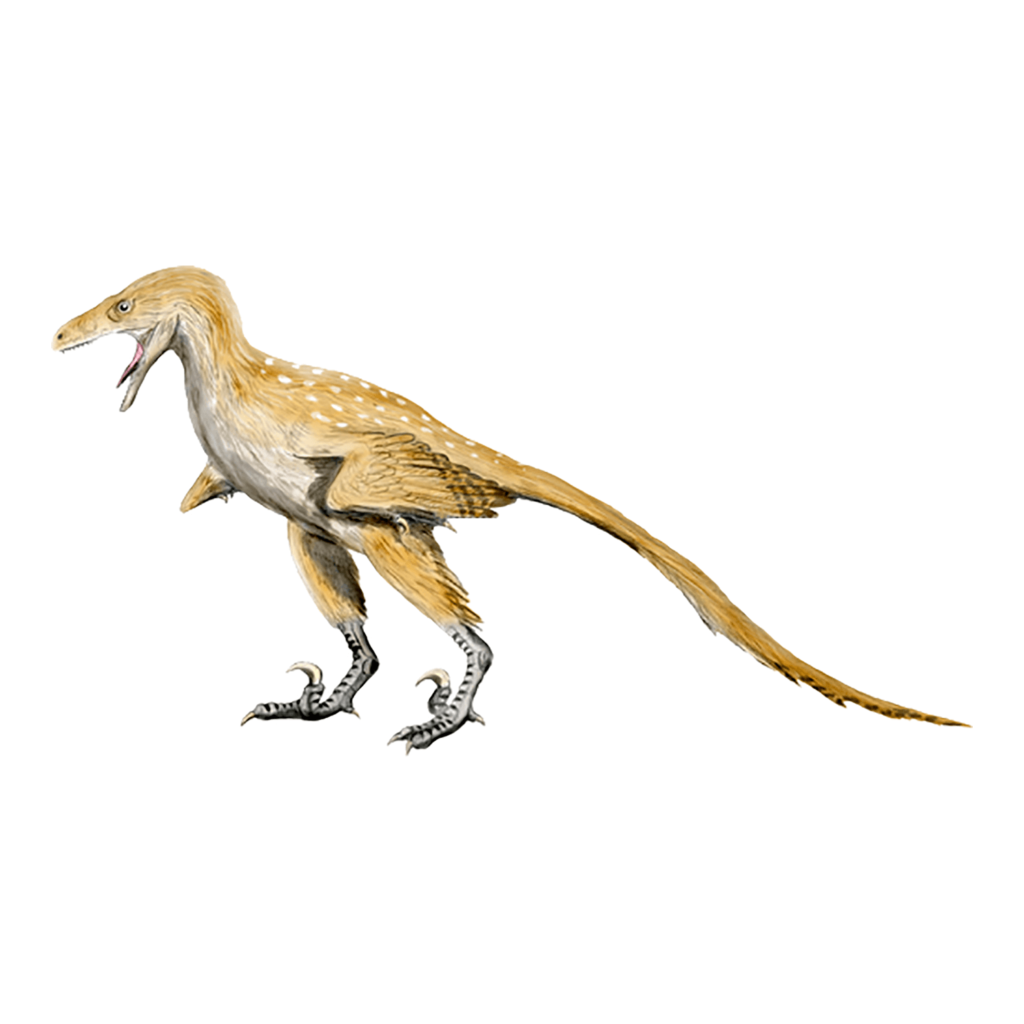
 Bambiraptor
- Classification
- Theropods
- Characteristics
- Carnivorous
- Feathered
- Era
- Cretaceous period
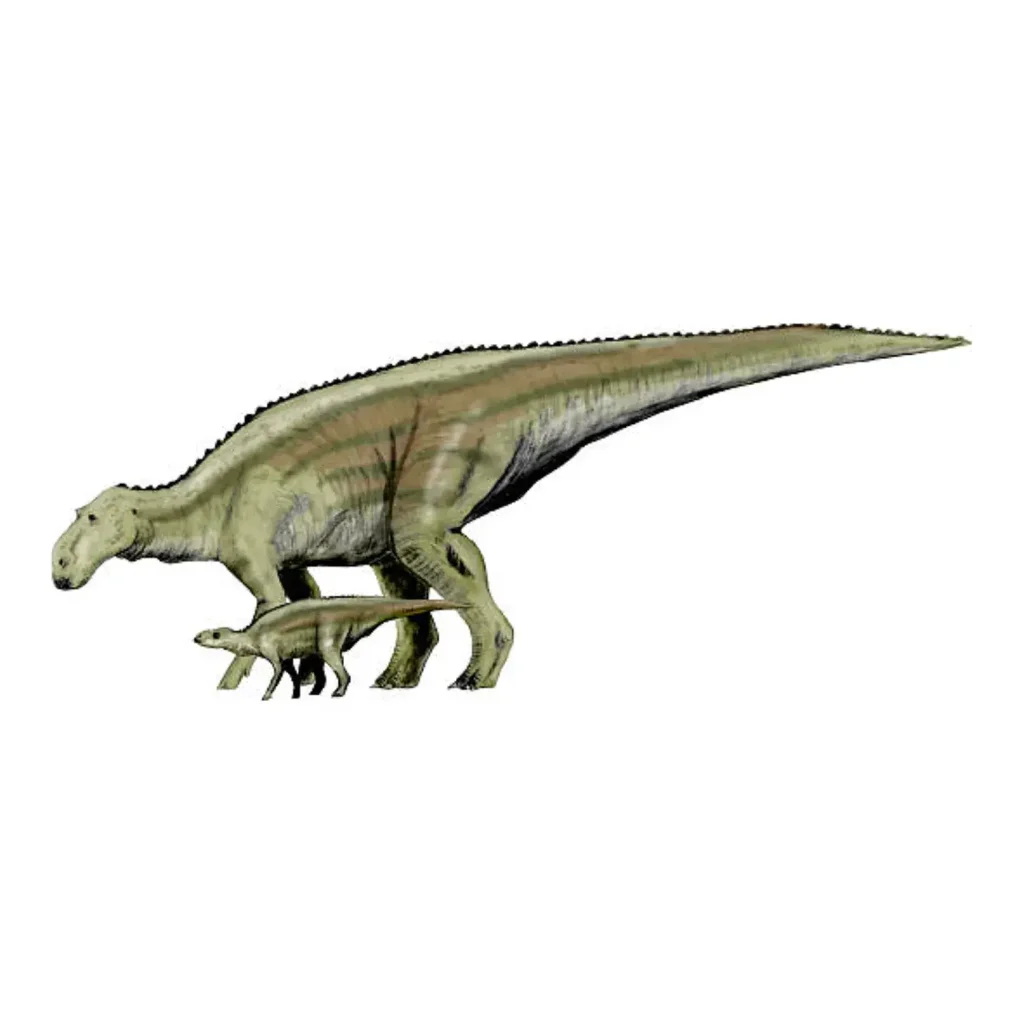
- Maiasaura
- Classification
- Ornithopoda
- Characteristics
- Herbivorous
- Era
- Cretaceous period
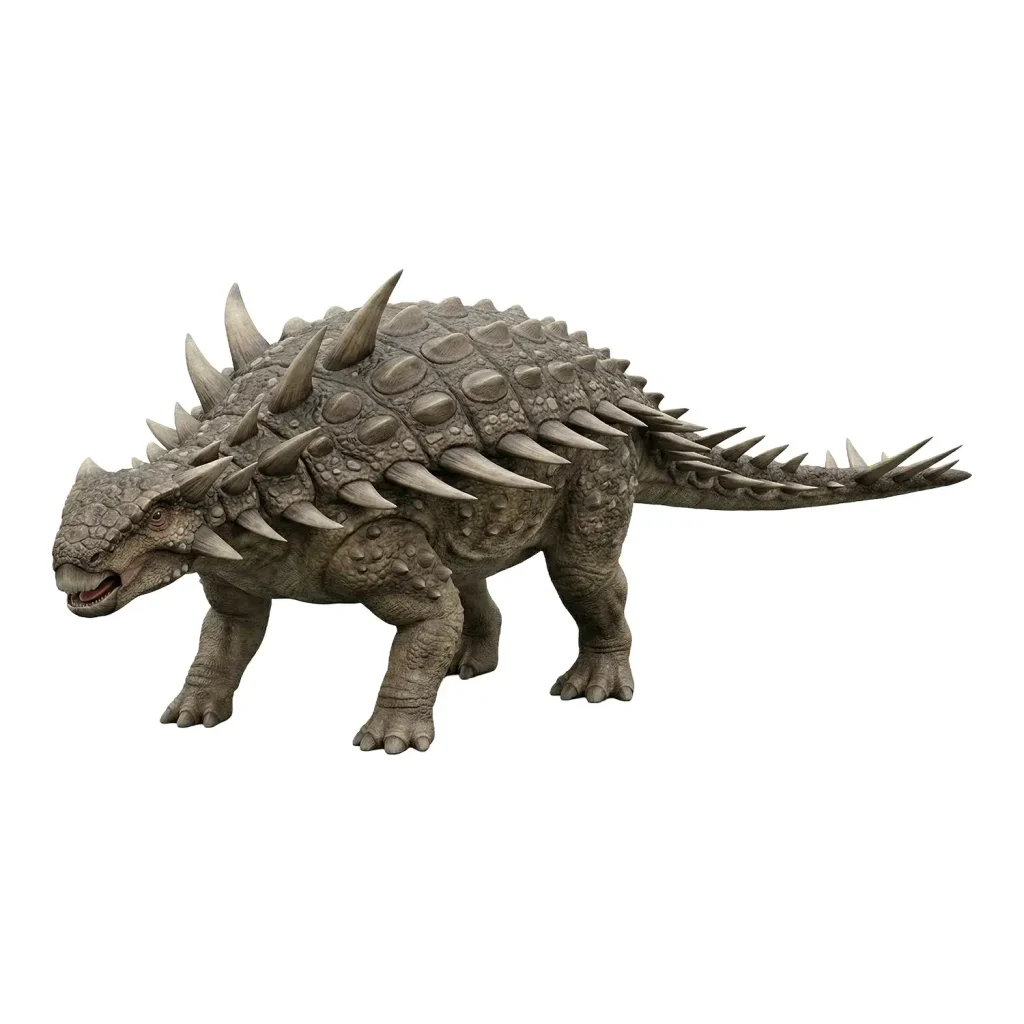
- Peloroplites
- Classification
- Thyreophora
- Characteristics
- Herbivorous
- Era
- Cretaceous period
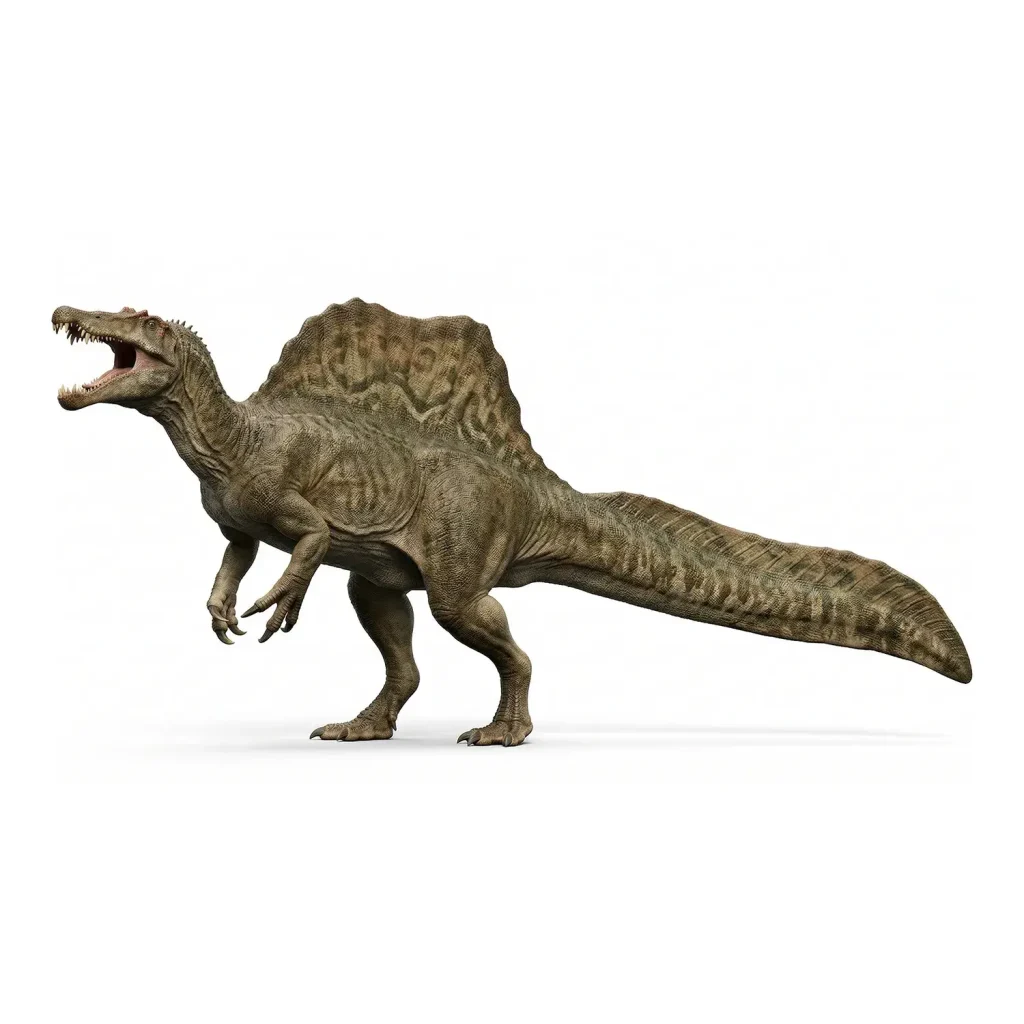
- Spinosaurus
- Classification
- Theropods
- Characteristics
- Carnivorous
- Era
- Cretaceous period
-
Sponsored Links
-
Sponsored Links







![[Latest Research] What Was the Function of Spinosaurus's Giant "Sail"? Exploring the Mysteries of Thermoregulation and Underwater Locomotion](https://dinosaurmuseum.jp/wp/wp-content/uploads/eyecatch_spinosaurus-sail-function_en-1024x512.webp)
![[Latest Discovery] A Third Type of Skin, Neither Scales Nor Feathers? Meet "Haolong dongi," a New Dinosaur Species Covered Entirely in Spikes](https://dinosaurmuseum.jp/wp/wp-content/uploads/eyecatch_dinosaur-spiky-skin-discovery_en-1024x512.webp)

Description
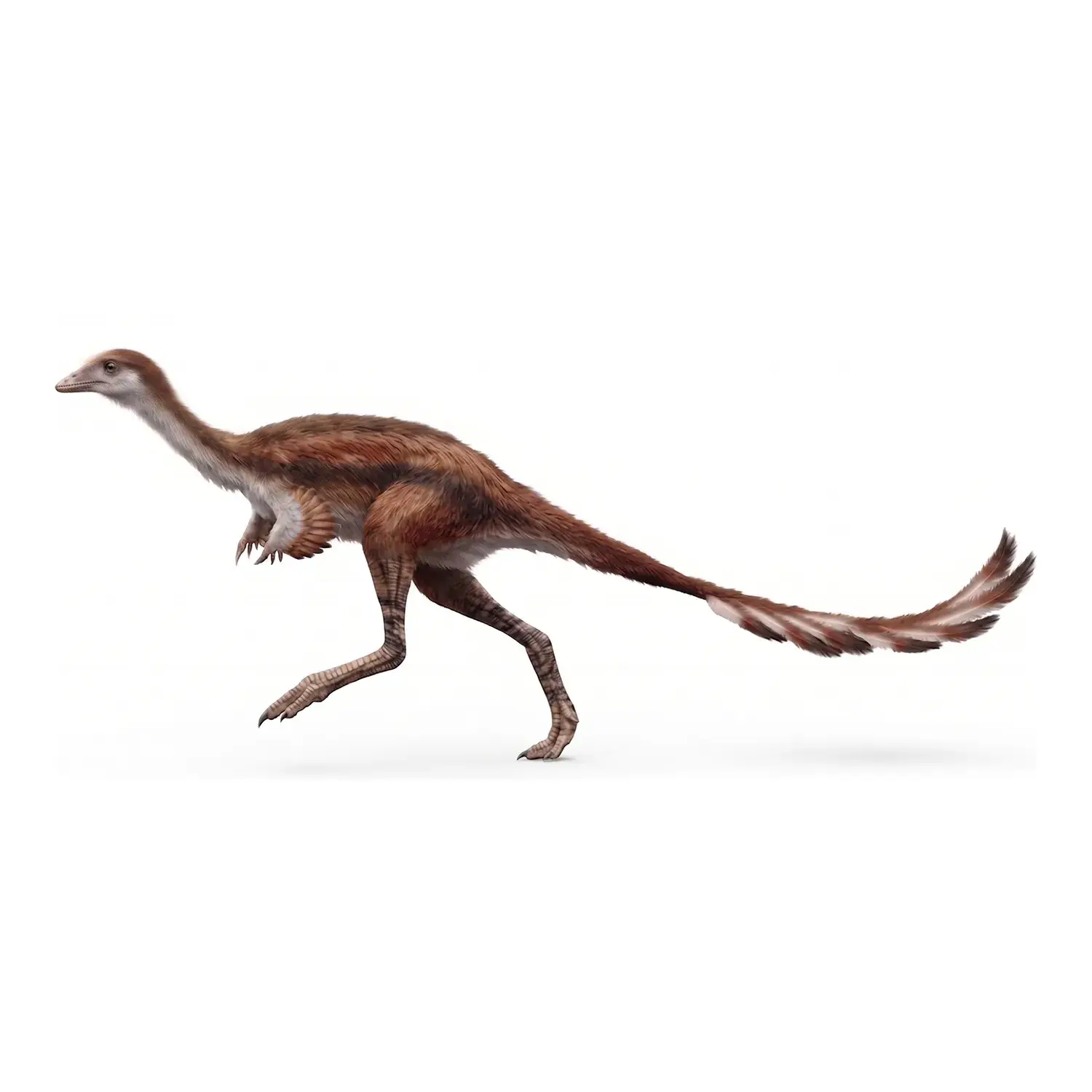
Alvarezsaurus is a small theropod dinosaur that lived in Argentina during the Late Cretaceous period.
Its appearance was so remarkably bird-like that some researchers even classify it as a bird.
A Swift, Bird-Like Dinosaur
Alvarezsaurus possessed long, well-developed hind legs much like a bird, enabling it to run at incredibly high speeds.
This swiftness is believed to have helped it escape from other dinosaurs and catch small prey.
Additionally, its long, slender tail was another of its defining features.
Its overall appearance is said to have resembled the Ornithomimus family (ostrich dinosaurs) of North America.
Ecology Revealed by Fragmentary Fossils
The Alvarezsaurus fossils discovered so far are extremely fragmentary—consisting only of bones like the shoulders, legs, and vertebrae—and a complete skeleton has yet to be found.
Because of this, our current understanding of its detailed ecology relies heavily on speculation.
Based on the characteristics of dinosaurs with similar builds, it is presumed to have fed on insects and small animals.
The Mystery of Dinosaur and Bird Evolution
Some researchers believe that Mononykus, a dinosaur closely related to Alvarezsaurus, might actually be a bird that lost its ability to fly, much like a modern ostrich.
This suggests that Alvarezsaurus occupies a position right on the evolutionary boundary between dinosaurs and birds, making it a creature of immense scientific importance.
While much about Alvarezsaurus remains a mystery today, its discovery will undoubtedly serve as a key to unraveling the evolutionary relationship between dinosaurs and birds.