
Polacanthus
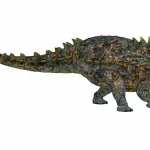
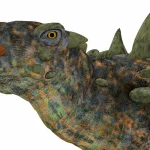
Name Origin
Many spines
Family
Nodosauridae
Classification
Diapsida, Ornithischia, Thyreophora
Habitat (Discovery Location)
United Kingdom
Period
Approximately 132 to 112 million years ago (Early Cretaceous)
Length
Approximately 3 to 5 meters
Diet
Herbivore (Plant-eater)
You might also like... 

-
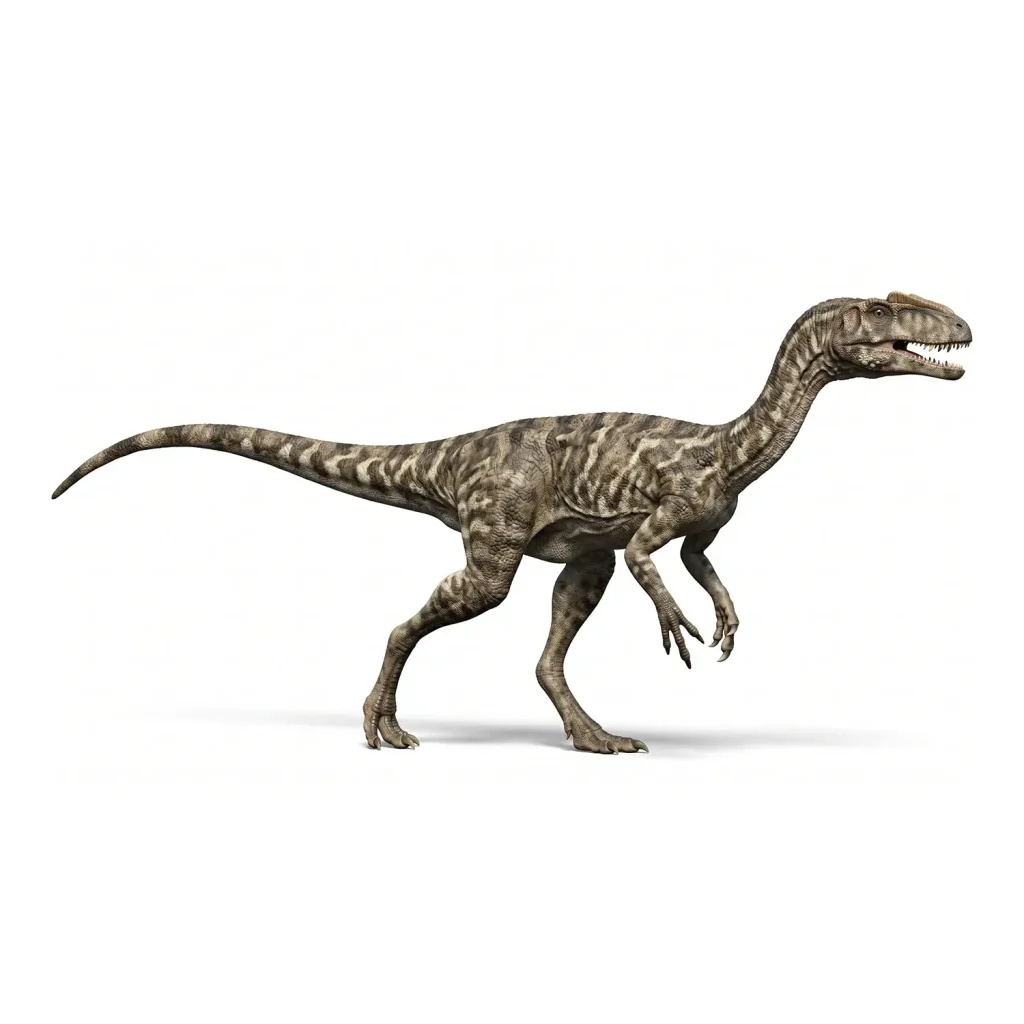
 Gojirasaurus
- Classification
- Theropods
- Characteristics
- Carnivorous
- Era
- Triassic period
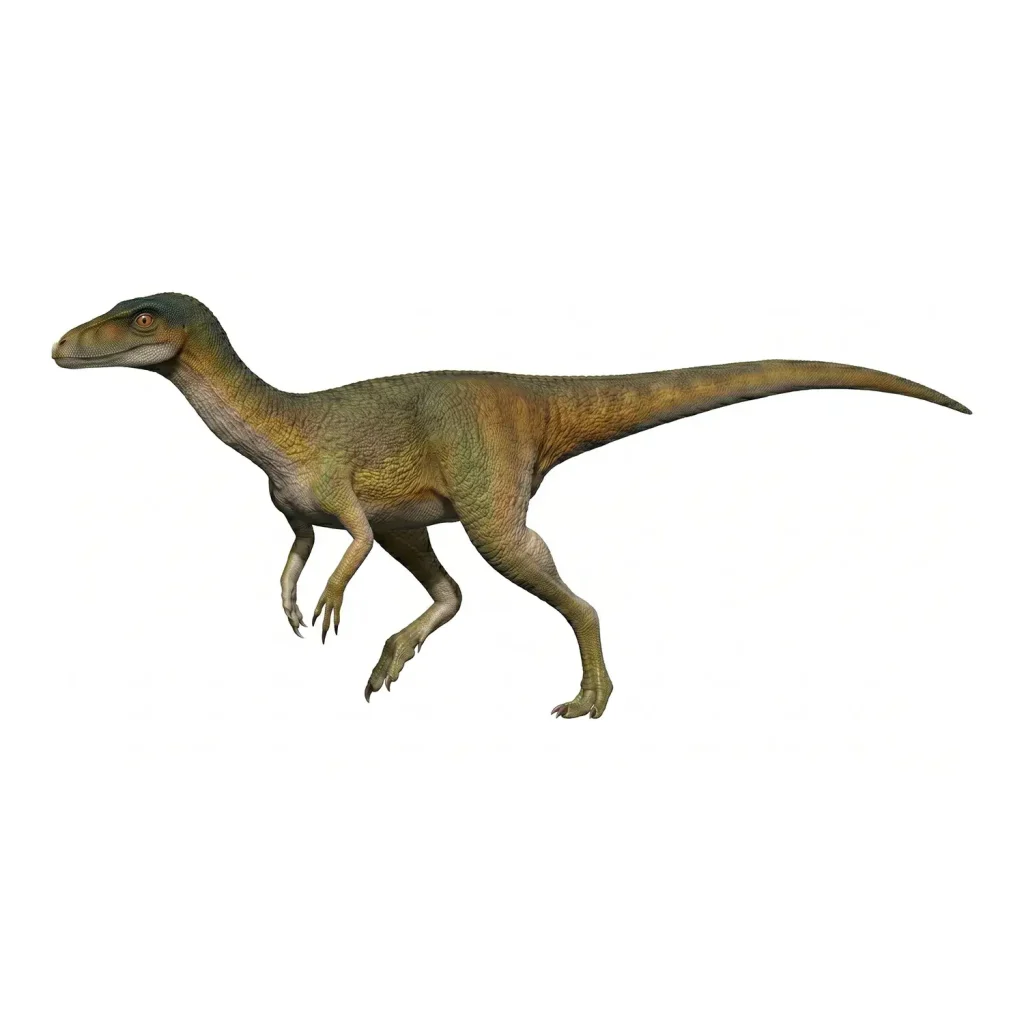
- Nyasasaurus
- Classification
- Ornithischia
- Characteristics
- Carnivorous
- Herbivorous
- Omnivorous
- Era
- Triassic period
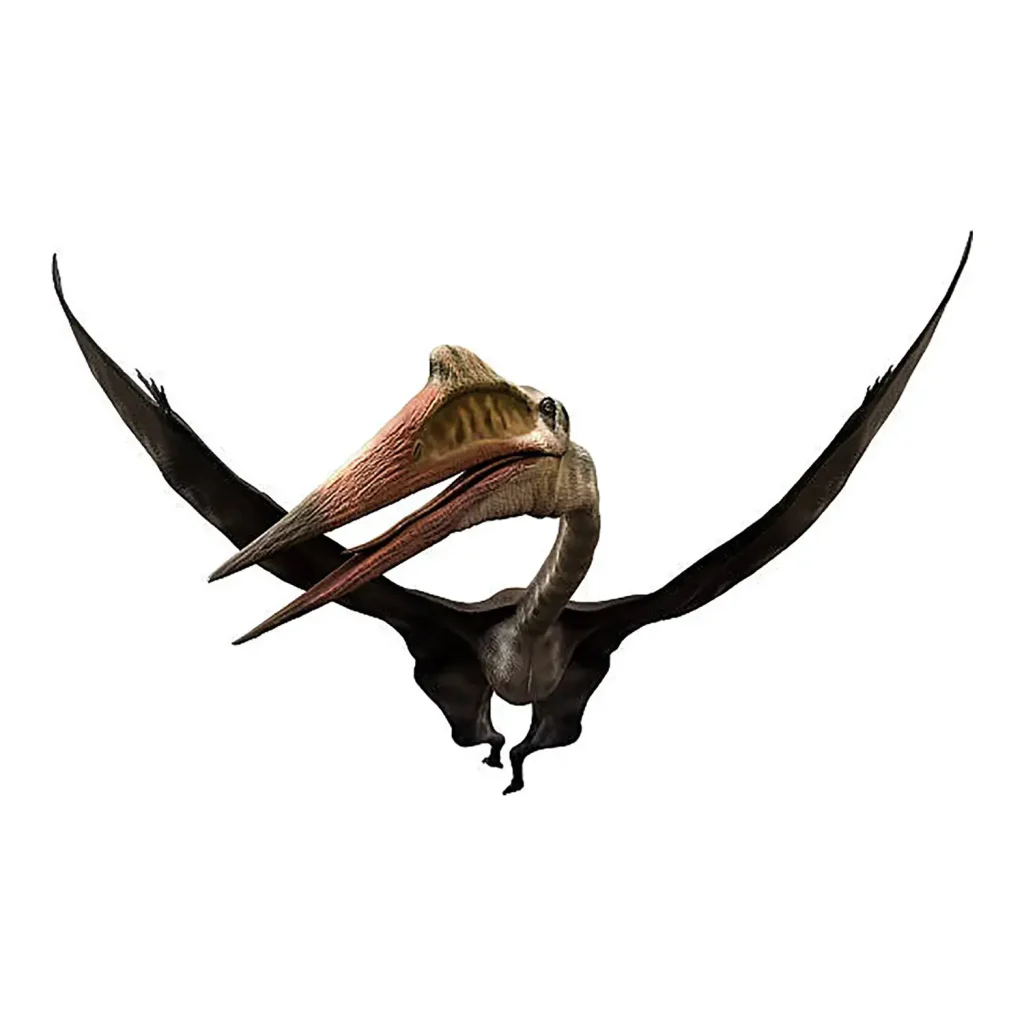
- Quetzalcoatlus
- Classification
- Flying reptiles
- Characteristics
- Carnivorous
- Era
- Cretaceous period
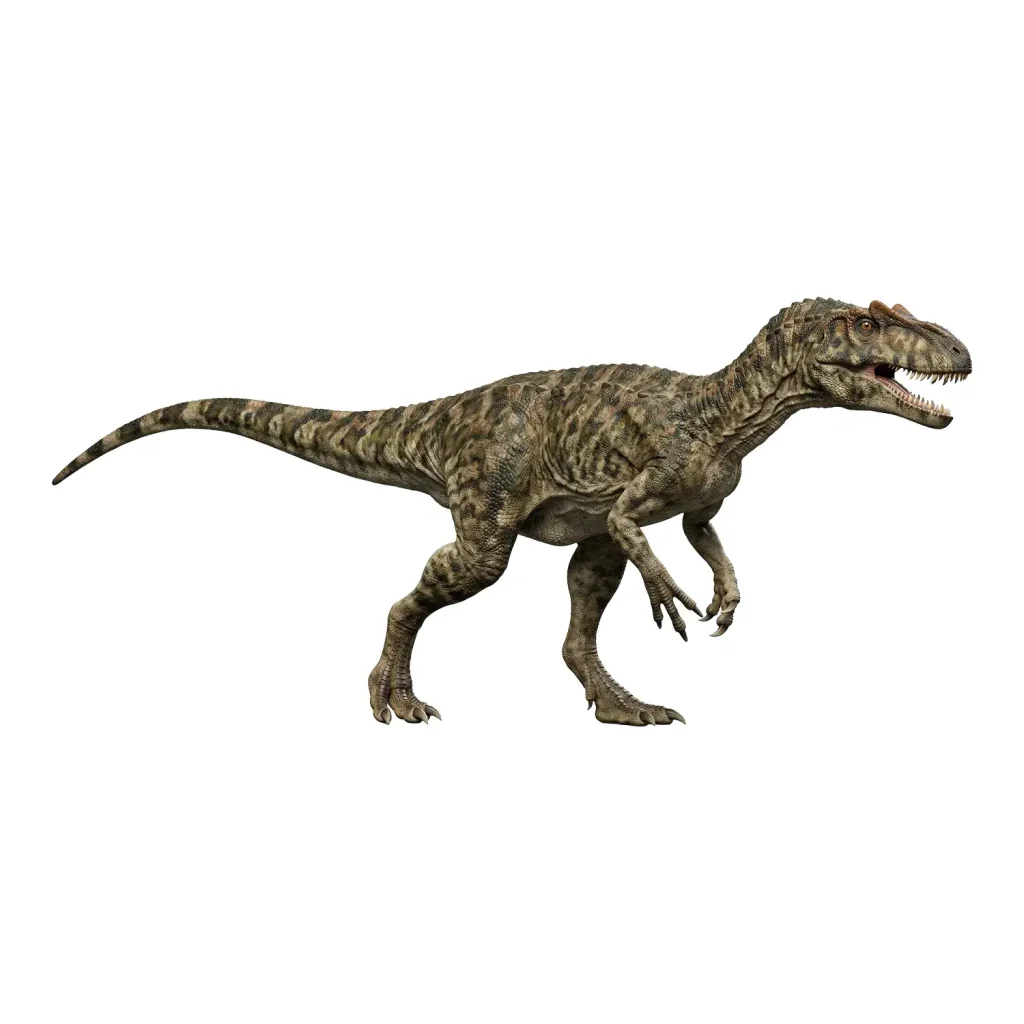
- Szechuanosaurus
- Classification
- Theropods
- Characteristics
- Carnivorous
- Era
- Jurassic period
-
Sponsored Links
-
Sponsored Links











![[Latest Research] What Was the Function of Spinosaurus's Giant "Sail"? Exploring the Mysteries of Thermoregulation and Underwater Locomotion](https://dinosaurmuseum.jp/wp/wp-content/uploads/eyecatch_spinosaurus-sail-function_en-1024x512.webp)
![[Latest Discovery] A Third Type of Skin, Neither Scales Nor Feathers? Meet "Haolong dongi," a New Dinosaur Species Covered Entirely in Spikes](https://dinosaurmuseum.jp/wp/wp-content/uploads/eyecatch_dinosaur-spiky-skin-discovery_en-1024x512.webp)




Description
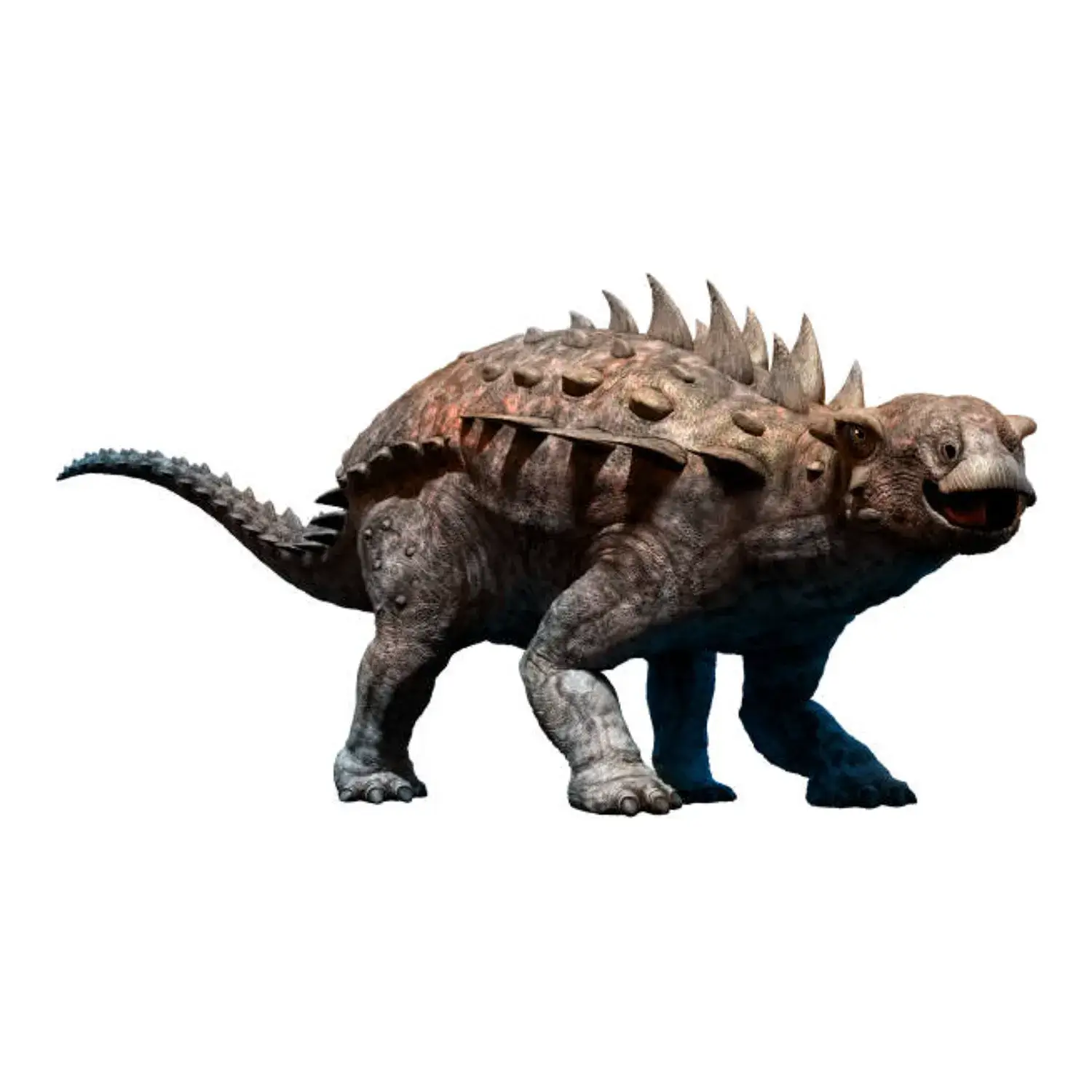
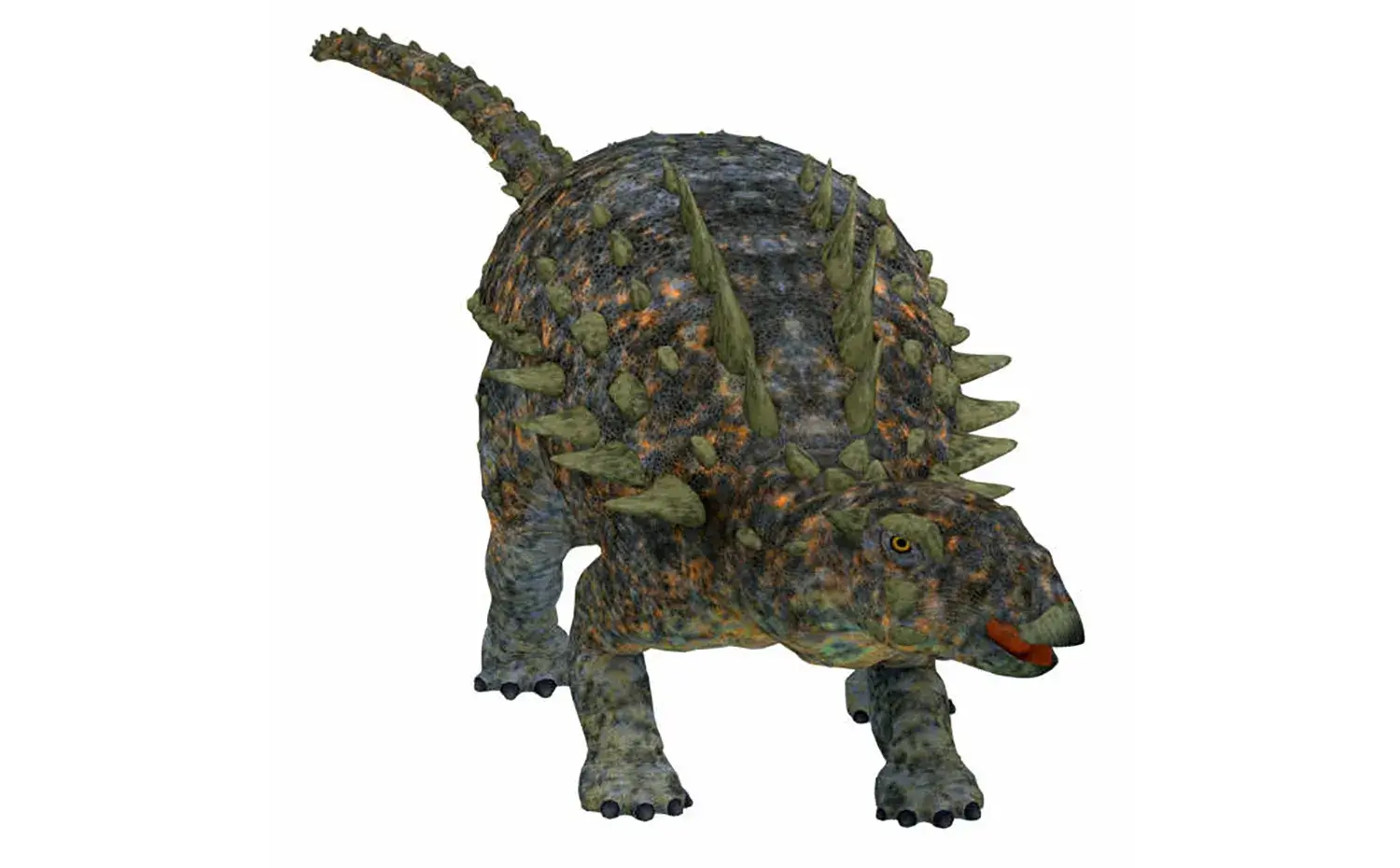
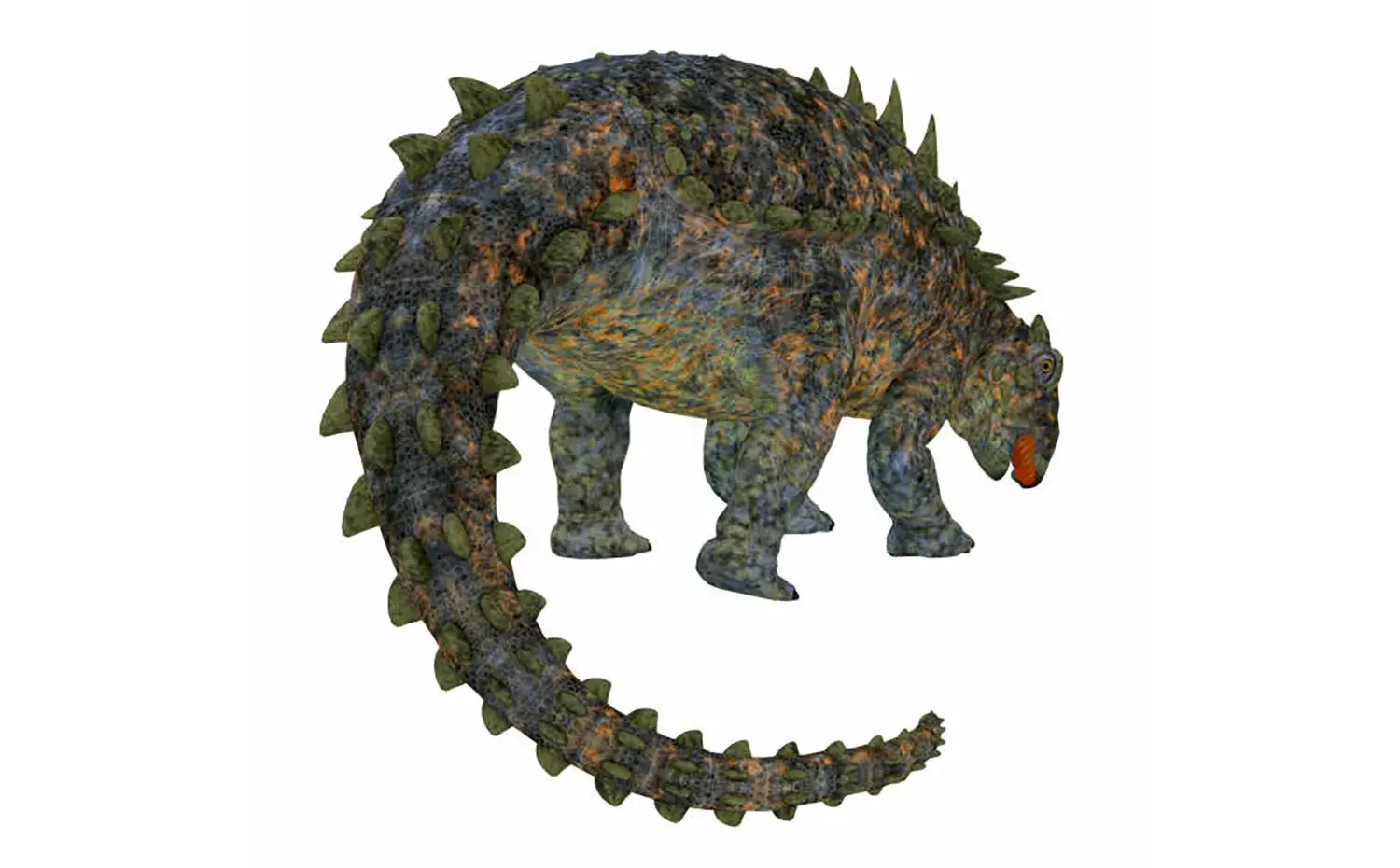
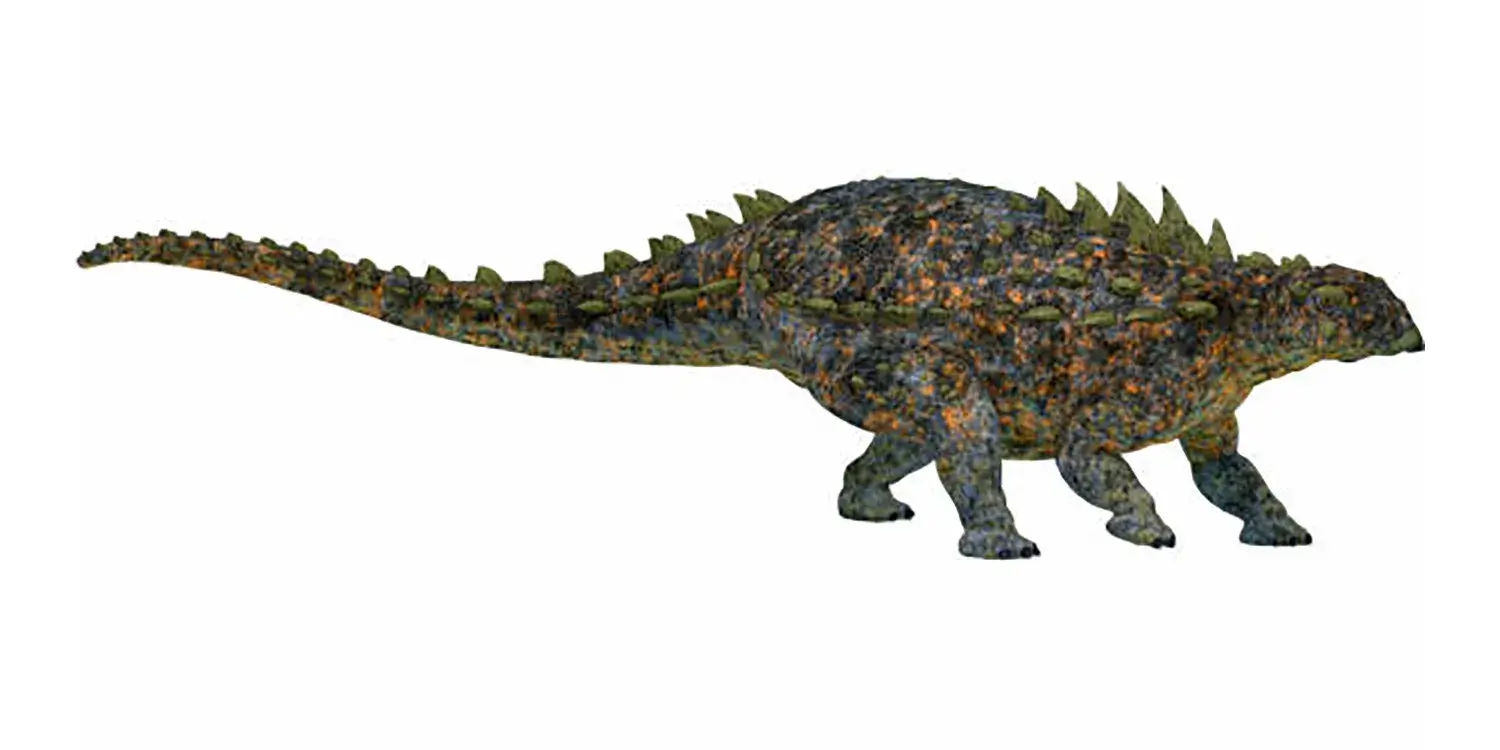
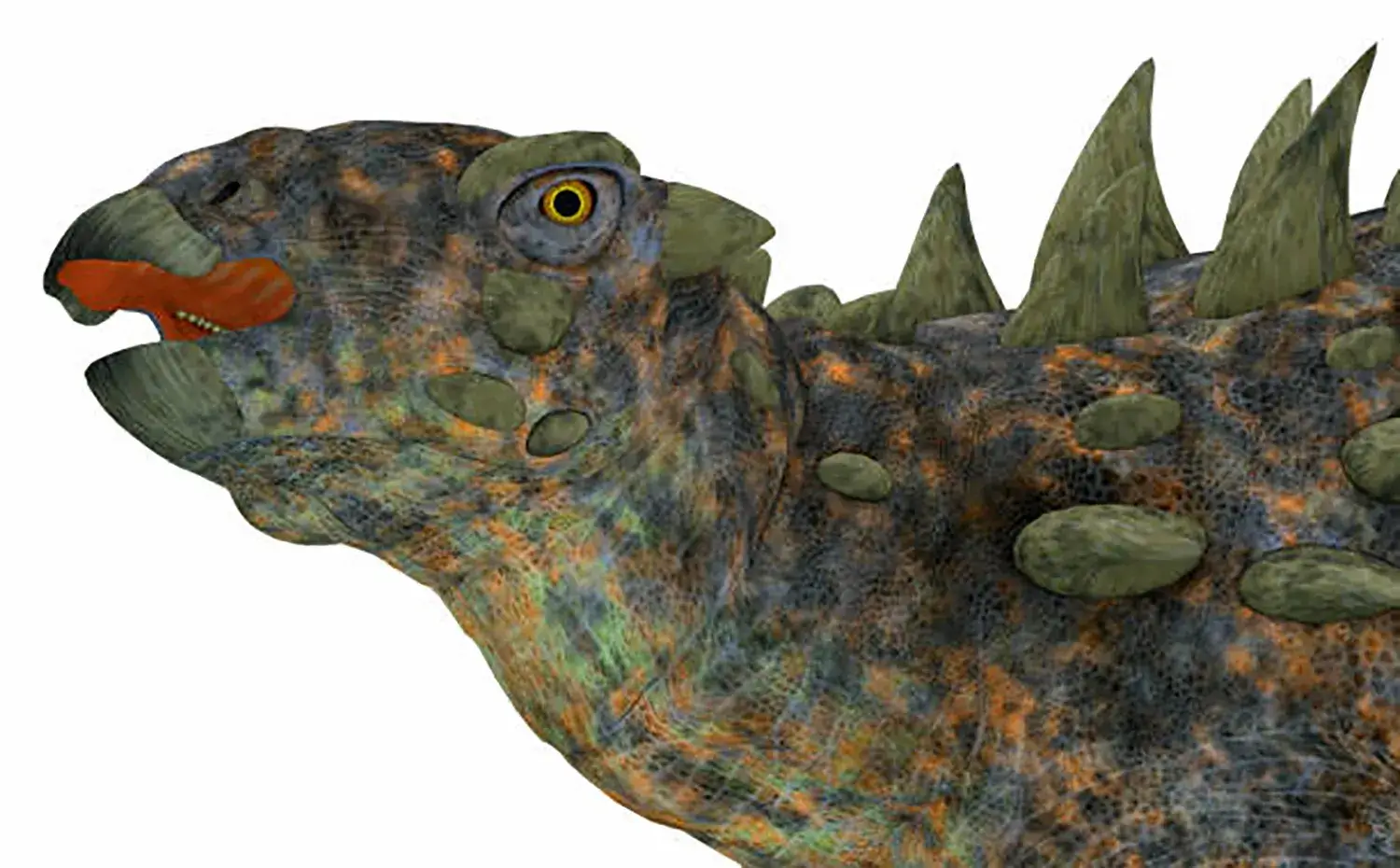
Polacanthus was a medium-sized armored dinosaur that lived in Europe during the Early Cretaceous period, armed to the teeth with spikes and armor plating over its entire body.
While possessing the “perfect defensive form” to protect itself from carnivorous dinosaurs, it remains an incredibly fascinating creature due to a “taxonomic mystery” that continues to puzzle researchers.
The History of Discovery: The Dinosaur With “Many Spines”
Fossils of Polacanthus were first discovered around 1865 on the Isle of Wight in the United Kingdom.
A Start From Incomplete Fossils
They were collected by the paleontologist Reverend William Fox, one of the discoverers, but because the initially found fossils were incomplete skeletons, classifying them proved to be exceedingly difficult.
A Name Inspired by Its Spines
Later, in 1887, it was officially named by Dr. Harry Seeley.
The name is derived from the Greek words “poly” (many) and “akantha” (spine), a nod to the countless spikes that armed its body.
A Perfect Defense Mechanism: “Numerous Spikes” and a “Sacral Shield”
The most defining feature of Polacanthus’s appearance is its heavy, full-body armor.
Countless Spines (Spikes)
Large, razor-sharp spikes were arranged in “pairs” running in vast numbers along its back, shoulders, and both sides of its torso.
Small spikes also ran down its tail, boasting a flawless, gapless defense.
Large, razor-sharp spikes were arranged in vast numbers
A Massive Armor Plate: The “Sacral Shield”
Another major feature is the massive armor plate covering its hip region.
A massive armor plate covering its hip region
This was like a single, large shield made from a cluster of small, hard bony plates, consisting of osteoderms fused to the spine.
It firmly protected the hip area, almost exactly like a turtle’s shell.
“Curved Claws” for Digging Up the Ground?
Although clear fossil evidence has not yet been discovered, there is a theory suggesting it may have possessed “curved claws” on its toes.
If they did exist, it is believed they would have been useful for digging into the ground to find and eat plant roots.
A Survival Strategy “Specialized in Defense”: Hunkering Down Like a Turtle
Early Cretaceous England was home to terrifying carnivorous dinosaurs (predators) such as Neovenator and Baryonyx, and the herbivorous Polacanthus would sometimes become their target.
However, Polacanthus lacked a “weapon to actively launch attacks,” such as the hammer-like club on the end of a tail.
Therefore, the strategy they adopted was a “perfect defensive tactic” that fully utilized their spikes and sacral shield.
It is speculated that when attacked by enemies, they didn’t run around or fight back; instead, they hunkered down on the ground like a turtle, hiding their soft underbellies and exposing only their back spikes and armor to the enemy.
They survived this turbulent era through an uncompromising defensive tactic—simply waiting completely still until the carnivorous dinosaur gave up and walked away, unable to lay a hand on them.
A “Taxonomic Mystery” Plaguing Researchers
Polacanthus is a rare dinosaur for which debates still continue today regarding exactly which group of armored dinosaurs it should be classified into.
Nodosauridae Because It Lacks a Hammer?
Armored dinosaurs are broadly divided into the “club-tailed Ankylosauridae” and the “clubless Nodosauridae.”
Because Polacanthus lacked a hammer-like bone, it was long classified as a typical “Nodosauridae.”
Also Possesses Ankylosaur Characteristics
However, upon closer observation of the skeleton, it was discovered that it also possessed characteristics unique to Ankylosauridae, such as a “skull that is short from front to back and wide.”
Today, it is often classified into the subfamily “Polacanthinae” within Nodosauridae, but some researchers hold the view that it is closer to Ankylosauridae, or that it should be established independently as a third group, the “Polacanthidae.”
Its history of research, which began with incomplete fossils, continues to stimulate a spirit of inquiry today as a crucial piece that illustrates the complexity of armored dinosaur evolution.