
Corythoraptor
Name Origin
Corinthian helmet thief
Family
Oviraptoridae
Classification
Diapsida, Saurischia, Theropoda
Habitat (Discovery Location)
China
Period
Approximately 83.6 to 66 million years ago (Late Cretaceous)
Length
Approximately 1.5 meters
Diet
Herbivorous or Omnivorous
You might also like... 

-
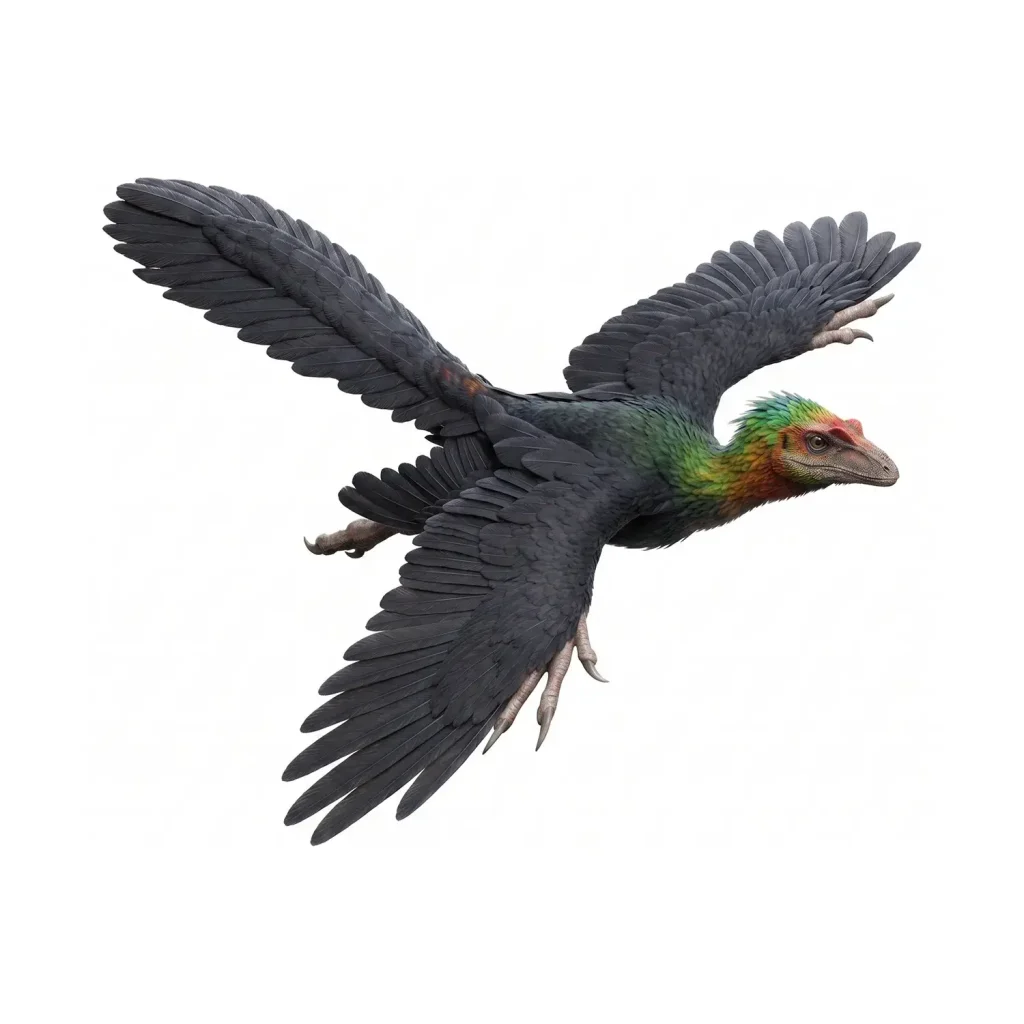
 Caihong
- Classification
- Theropods
- Characteristics
- Carnivorous
- Feathered
- Era
- Jurassic period
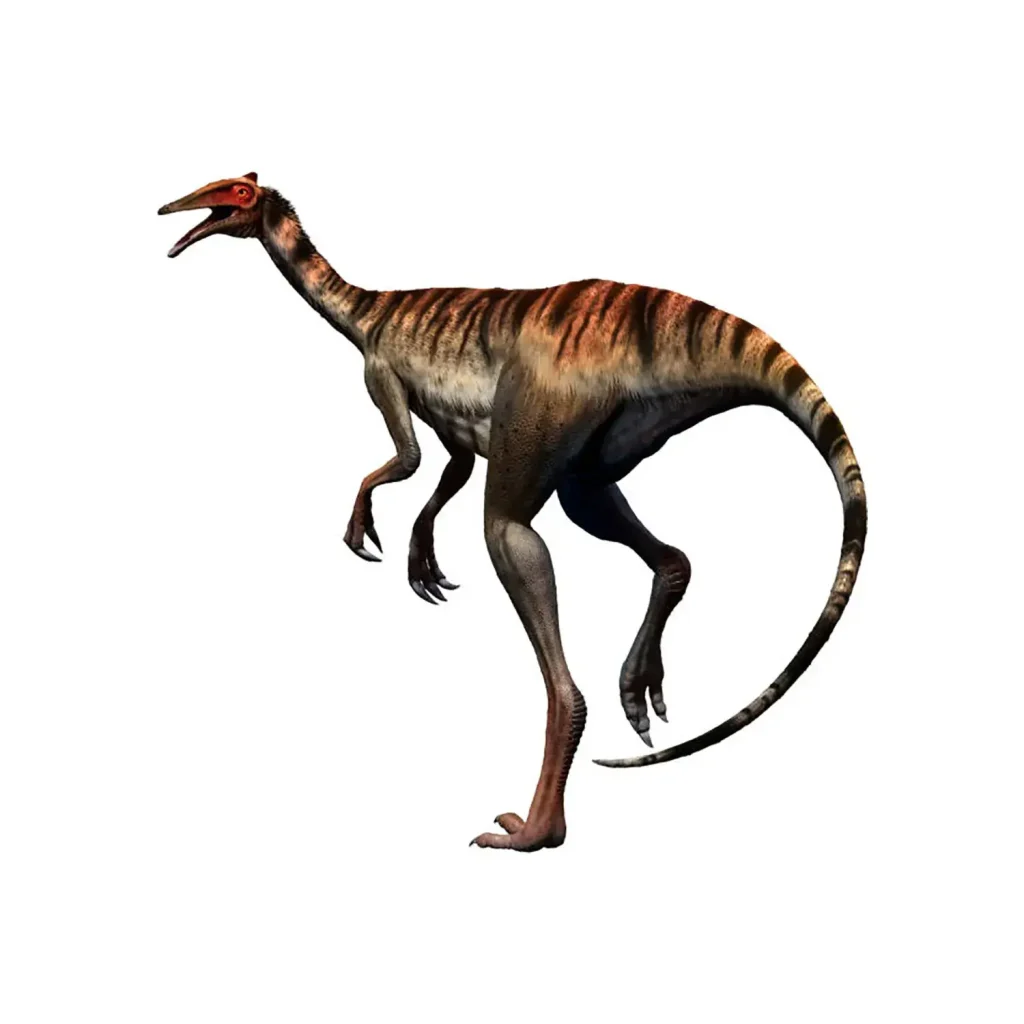
- Pelecanimimus
- Classification
- Theropods
- Characteristics
- Carnivorous
- Era
- Cretaceous period
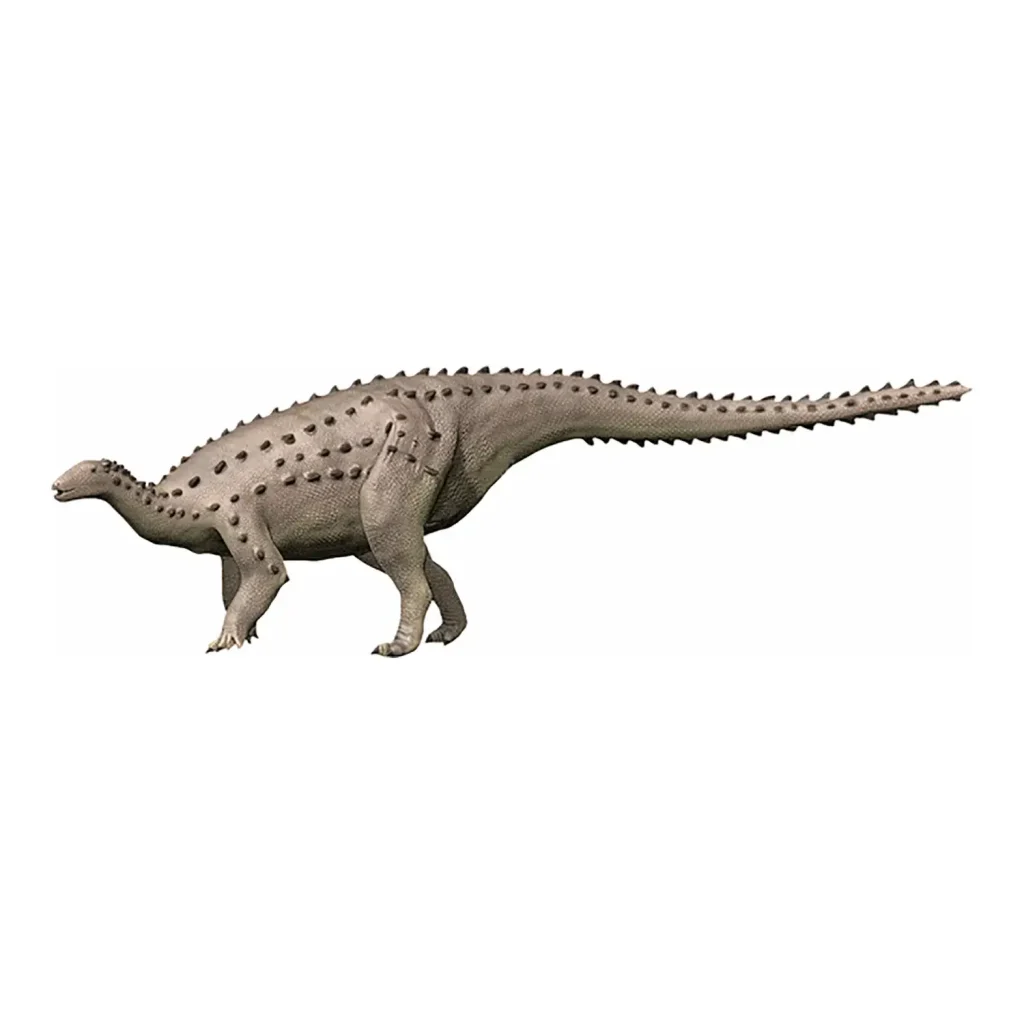
- Scelidosaurus
- Classification
- Thyreophora
- Characteristics
- Herbivorous
- Era
- Jurassic period
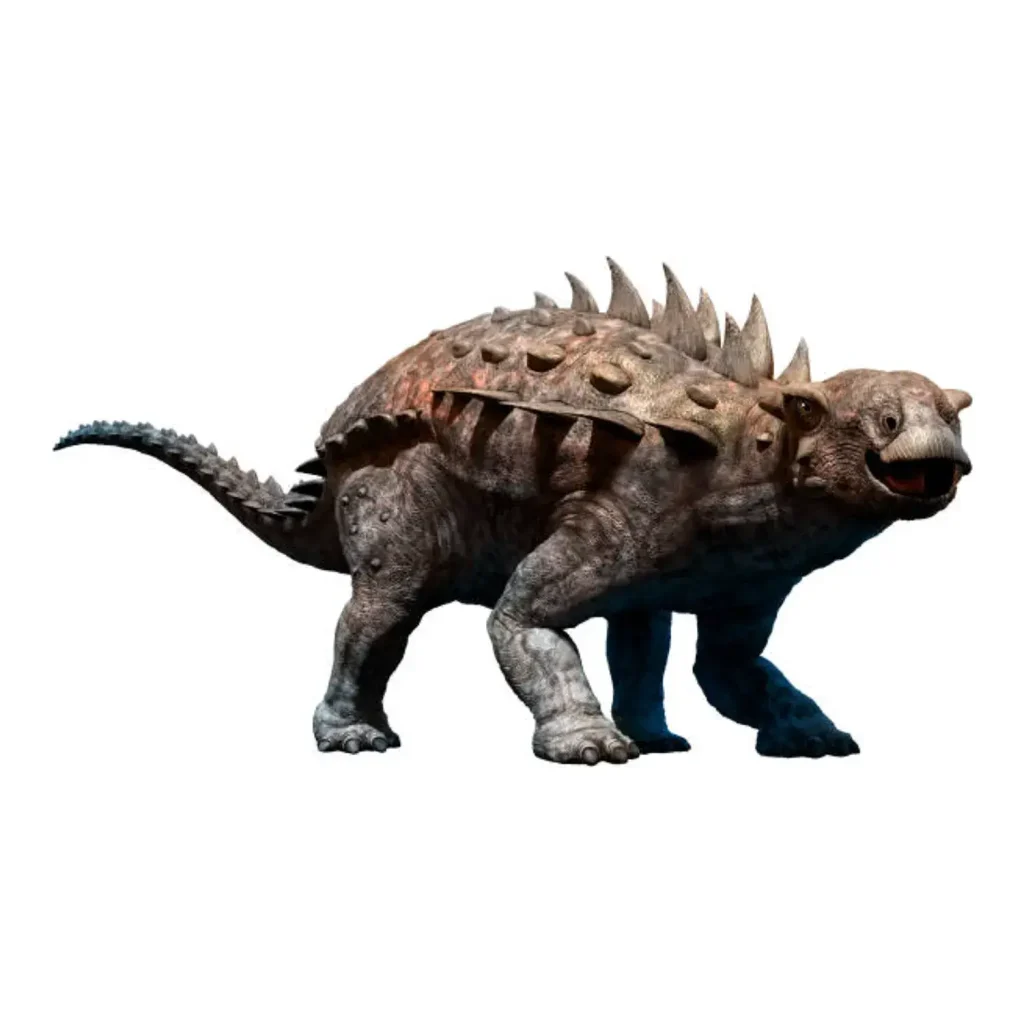
- Polacanthus
- Classification
- Thyreophora
- Characteristics
- Herbivorous
- Era
- Cretaceous period
-
Sponsored Links
-
Sponsored Links









![[Latest Research] What Was the Function of Spinosaurus's Giant "Sail"? Exploring the Mysteries of Thermoregulation and Underwater Locomotion](https://dinosaurmuseum.jp/wp/wp-content/uploads/eyecatch_spinosaurus-sail-function_en-1024x512.webp)
![[Latest Discovery] A Third Type of Skin, Neither Scales Nor Feathers? Meet "Haolong dongi," a New Dinosaur Species Covered Entirely in Spikes](https://dinosaurmuseum.jp/wp/wp-content/uploads/eyecatch_dinosaur-spiky-skin-discovery_en-1024x512.webp)

Description
In 2017, a new species of oviraptorosaur was discovered in the Late Cretaceous strata of Ganzhou City, Jiangxi Province, China.
Its name is “Corythoraptor.”
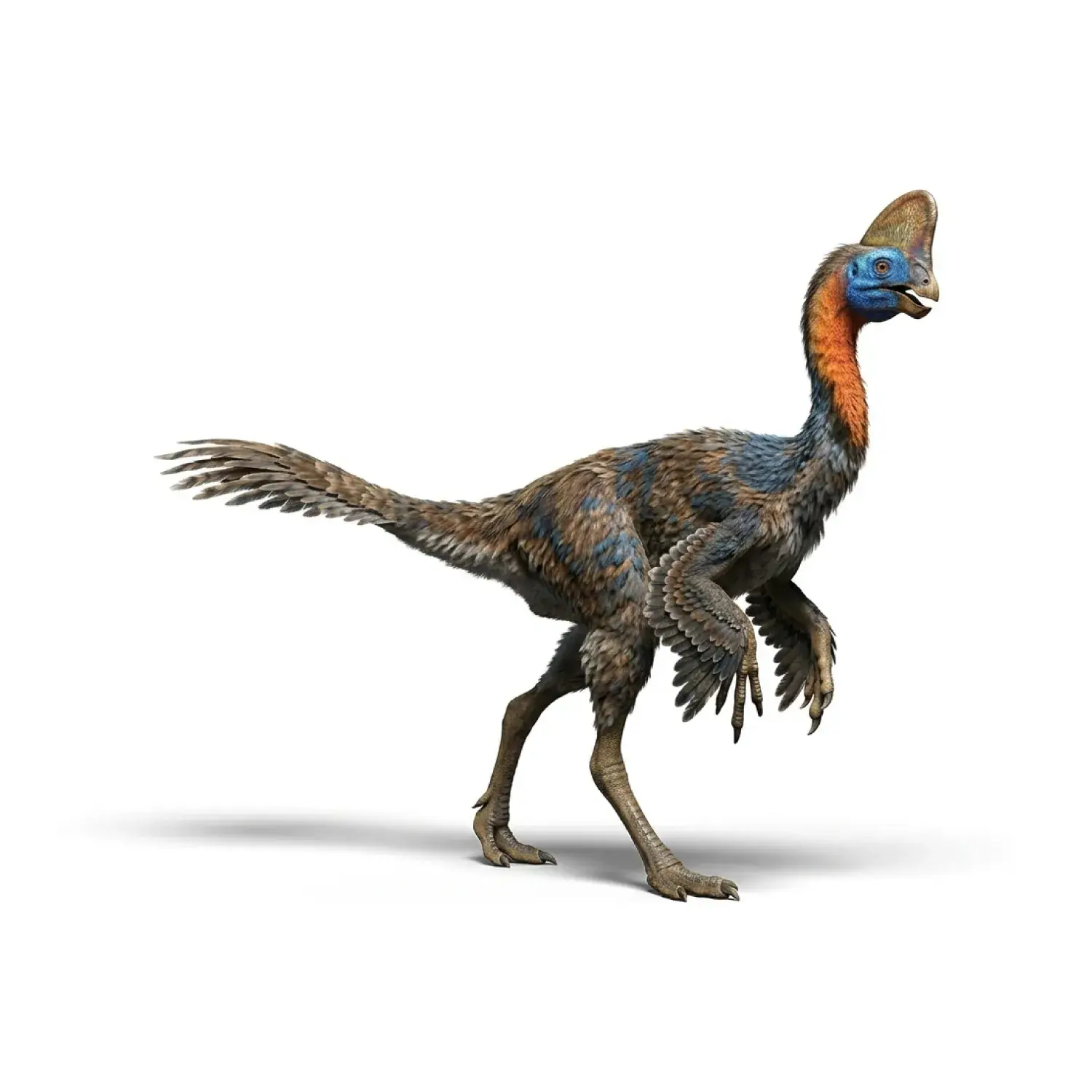
The greatest defining feature of this dinosaur is its magnificent, towering crest, which closely resembles that of the modern flightless bird, the cassowary.
The History of Its Discovery and Naming
The fossil of Corythoraptor was discovered at a construction site near the Ganzhou Railway Station in Jiangxi Province.
The discovered holotype specimen was in remarkably good condition, consisting of a nearly complete skeleton missing only a few bones, and is currently housed at the Jinzhou Paleontological Museum.
Its genus name means “Corinthian helmet thief,” representing the presence of the well-developed crest on its head.
Additionally, the specific name “jacobsi” was named in honor of vertebrate paleontologist Dr. Louis L. Jacobs, who served as a mentor to the researchers and as a visiting professor at the Hokkaido University Museum.
Its Greatest Feature! A Cassowary-like “Crest”
The most eye-catching feature of Corythoraptor is the tall “crest” (casque) towering atop its head.
It closely resembles the crest of the modern flightless “cassowary” bird, making it a classic example of “convergent evolution”—a phenomenon where completely different lineages of organisms adapt to similar environments or purposes and develop similar physical traits.
A Lightweight and Flexible Structure
It was only about 2 mm (0.08 inches) thick, and its surface is thought to have been covered in hard keratin.
Its interior was even more “pneumatized” (hollowed out with air pockets) than a cassowary’s, divided into tiny chambers.
While extremely lightweight and flexible, it is presumed that it could not withstand physical impacts such as headbutting.
The Role of the Crest
Although its specific role has not been completely unraveled, it is believed to have been used for multiple purposes much like the cassowary’s, such as “a display for attracting mates and individual recognition” and “thermoregulation (acting as a radiator) for dissipating heat through blood vessels.”
Physical Characteristics of the Head and Skeleton
It was a relatively small dinosaur, measuring about 1.5 meters (4.9 feet) in length, and possessed the anatomical structures typical of the Oviraptoridae family.
Skull and Beak
It had absolutely no teeth, and the presence of foramina (tiny holes for blood vessels) suggests that a keratinous “beak” covered its entire snout.
Cervical Vertebrae and Torso
Its neck bones featured depressions, and parts of its spine were pneumatized (hollowed out) to reduce weight.
Forelimbs (Arms and Hands)
The bones of its arms had gaps between them due to their curvature, and its fingers were equipped with weakly curved claws.
Hind Limbs (Legs)
Its tibia (shin bone) was longer than its femur (thigh bone), and it possessed well-developed feet.
Astonishing Diversity! Ecology and Natural Enemies in Ganzhou
Based on the shape of its beak, its diet is thought to have been either “herbivorous” or “omnivorous.”
Its close relatives include Huanansaurus, Citipati, and Oviraptor.
Interestingly, the Ganzhou region in southern China where its fossils were found was a place where the Oviraptoridae family boasted extremely high diversity, with at least seven distinct genera confirmed, including Corythoraptor.
Because so many closely related species coexisted in a relatively narrow area, it is highly likely that they finely partitioned their ecological niches by altering their diets and specific habitats.
Furthermore, the tyrannosaurid Qianzhousaurus, also known by the alias “Pinocchio rex,” has been discovered in the exact same geological formation.
For the small Corythoraptor, this swift and ferocious carnivorous dinosaur would have undoubtedly been a terrifying natural enemy that constantly threatened its life.
Sporting a bizarre crest, Corythoraptor dashed across Late Cretaceous southern China alongside a diverse array of relatives.
Its wonderfully preserved fossils vividly convey to us the evolutionary path leading from dinosaurs to birds, as well as the rich ecosystem of that ancient era.