
Zhuchengtyrannus
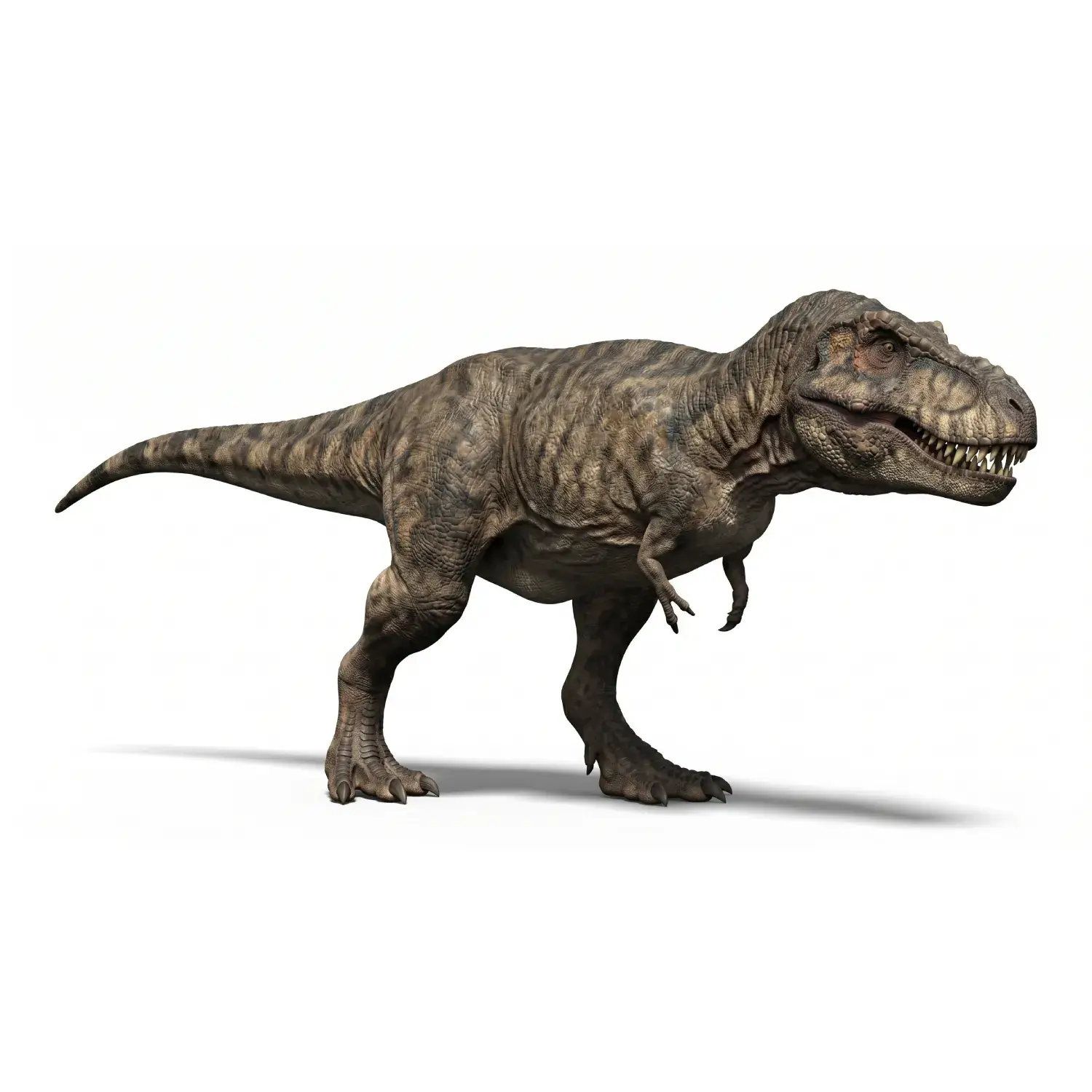
Name Origin
Zhucheng tyrant
Family
Tyrannosauridae
Classification
Diapsida, Saurischia, Theropoda
Habitat (Discovery Location)
China
Period
Approximately 73.5 million years ago (Late Cretaceous)
Length
Approximately 10 to 12 meters
Weight
Approximately 5.4 to 7 tons
Diet
Carnivore (Meat-eater)
You might also like... 

-
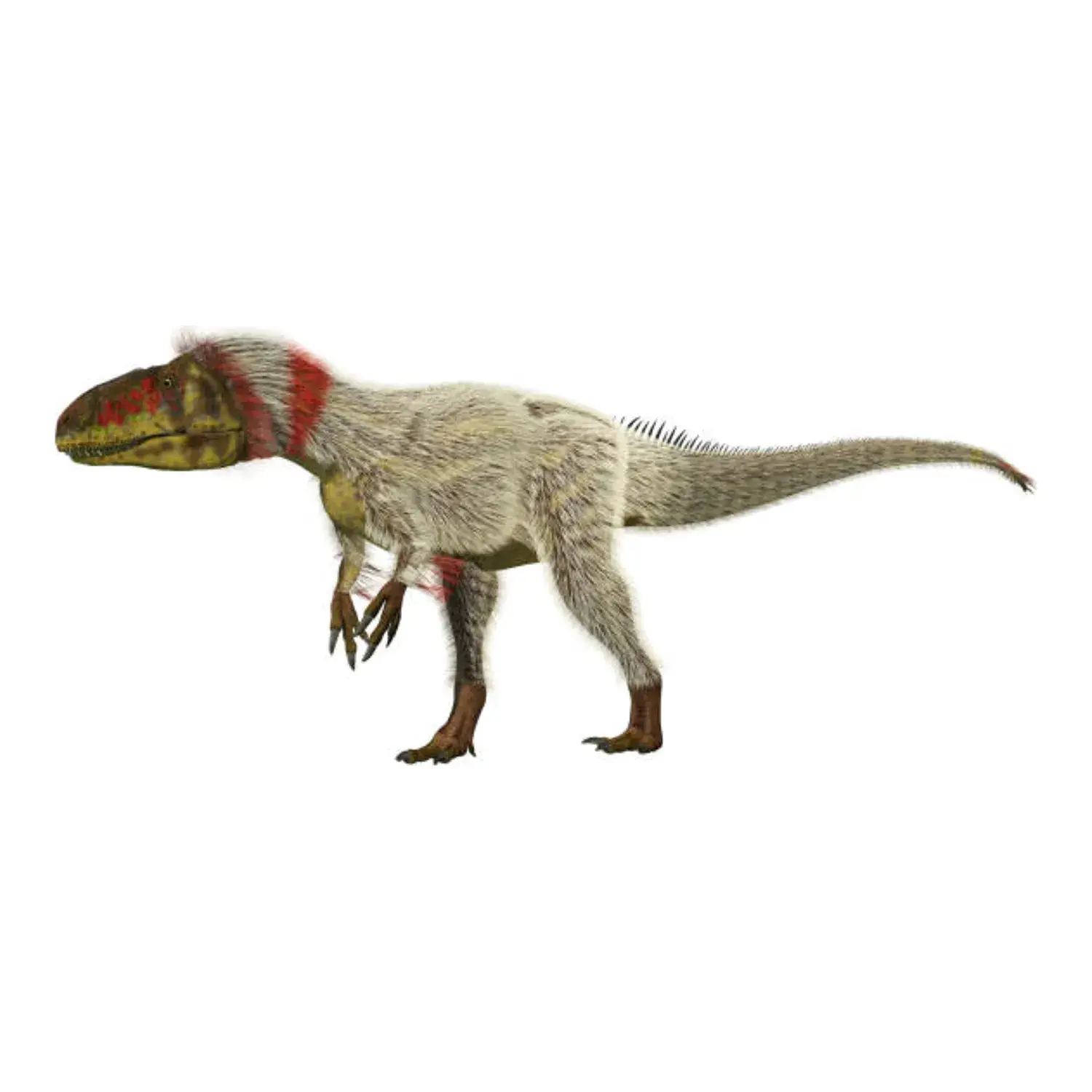
 Sinocalliopteryx
- Classification
- Theropods
- Characteristics
- Carnivorous
- Feathered
- Era
- Cretaceous period
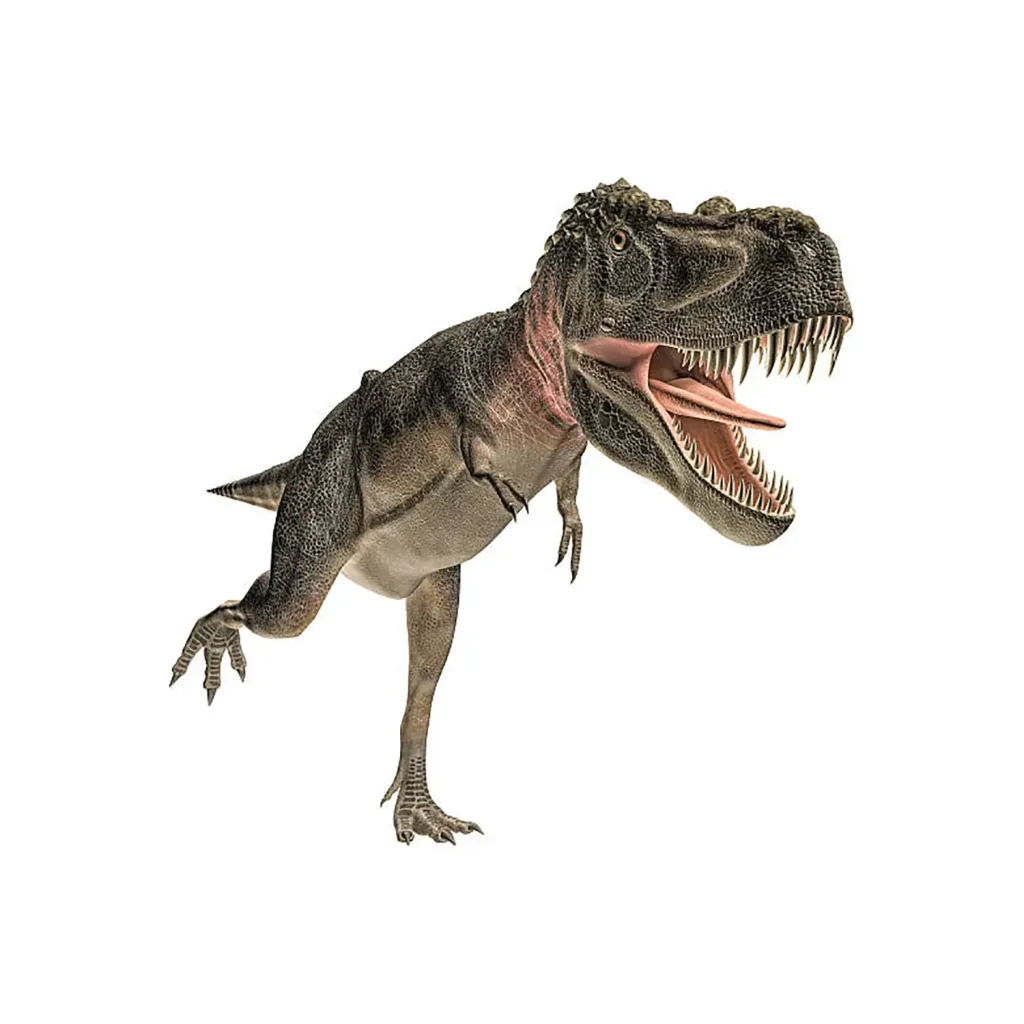
- Tarbosaurus
- Classification
- Theropods
- Characteristics
- Carnivorous
- Era
- Cretaceous period
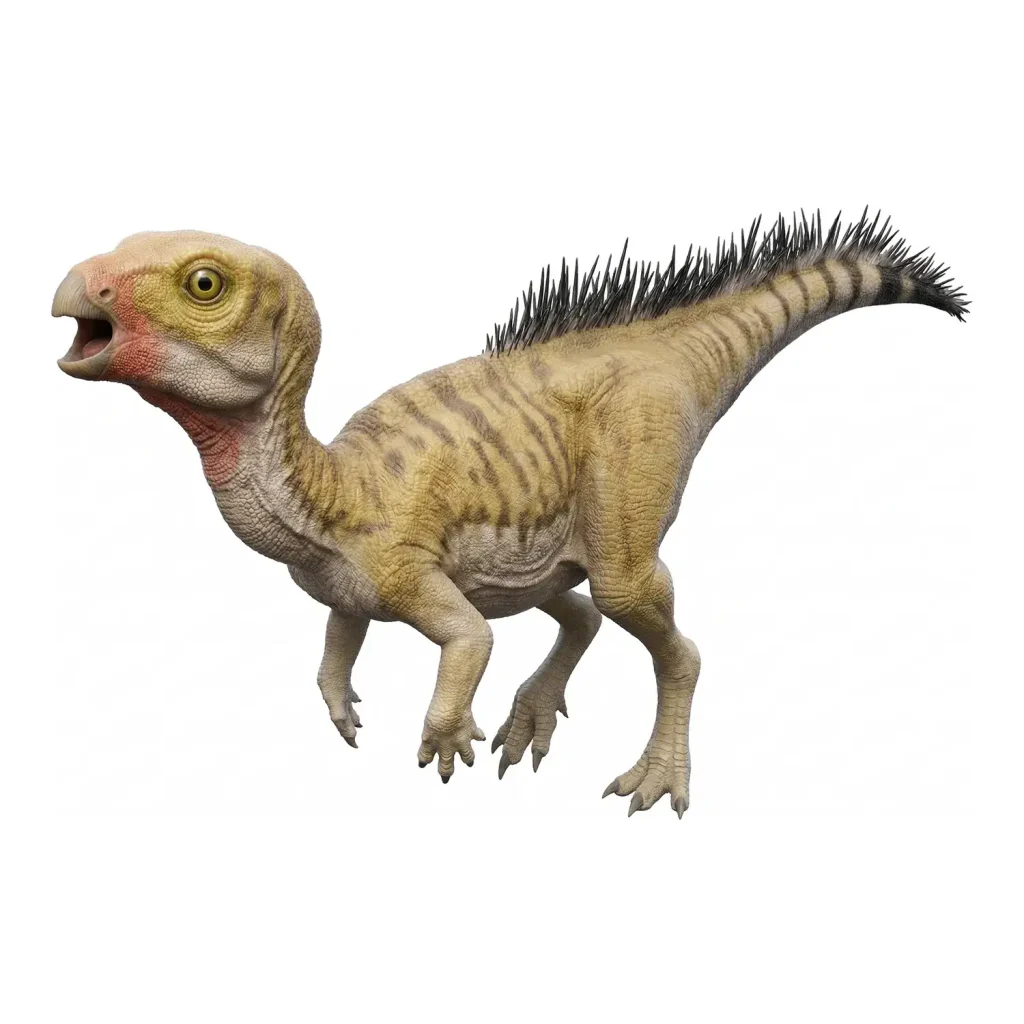
- Trinisaura
- Classification
- Ornithopoda
- Characteristics
- Herbivorous
- Era
- Cretaceous period
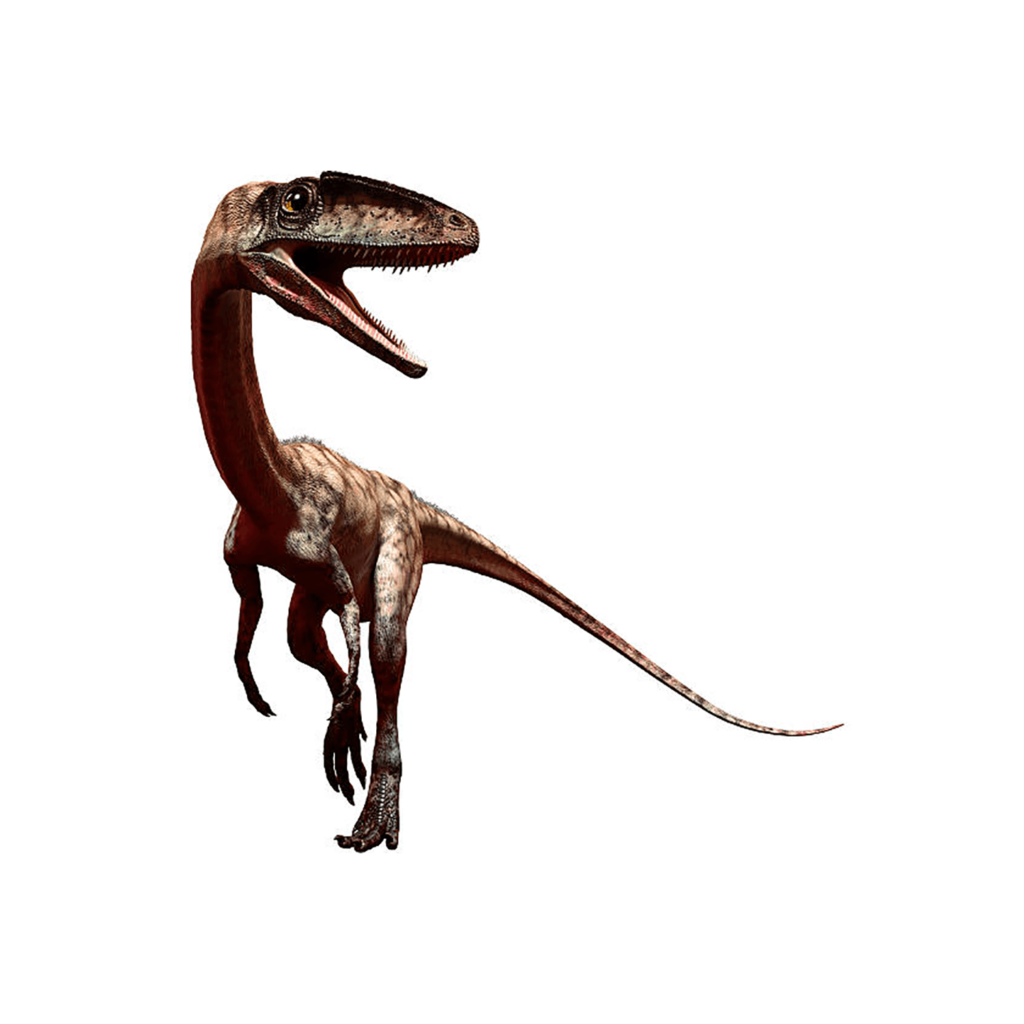
- Coelophysis
- Classification
- Theropods
- Characteristics
- Carnivorous
- Era
- Triassic period
- Jurassic period
-
Sponsored Links
-
Sponsored Links





![[Latest Research] What Was the Function of Spinosaurus's Giant "Sail"? Exploring the Mysteries of Thermoregulation and Underwater Locomotion](https://dinosaurmuseum.jp/wp/wp-content/uploads/eyecatch_spinosaurus-sail-function_en-1024x512.webp)
![[Latest Discovery] A Third Type of Skin, Neither Scales Nor Feathers? Meet "Haolong dongi," a New Dinosaur Species Covered Entirely in Spikes](https://dinosaurmuseum.jp/wp/wp-content/uploads/eyecatch_dinosaur-spiky-skin-discovery_en-1024x512.webp)


Description
Zhuchengtyrannus, known as Asia’s largest carnivorous dinosaur, lived in China during the Late Cretaceous period of the Mesozoic Era.
For a long time, Tarbosaurus was famous as the apex predator of Asia, but Zhuchengtyrannus boasted a massive body that exceeded its average size.
The Discovery and the “Behind-the-Scenes Politics” of Its Naming
Fossils of Zhuchengtyrannus were discovered in 2009 near Zhucheng City in Shandong Province, China, an area world-renowned as a “treasure trove of dinosaur fossils.”
The Origin of the “Gigantic Zhucheng Tyrant”
Its genus name combines “Zhucheng” (the discovery site) with “tyrant,” and its specific name “magnus” means “gigantic” in Latin.
The Circumstances Behind the Name
One of the researchers originally argued that they “do not like using place names in scientific names.” However, it is speculated that the name was ultimately chosen due to “behind-the-scenes politics” (pragmatic reasons)—the city of Zhucheng was actively promoting its dinosaurs globally as a major tourist attraction.
Japan’s Unique Pronunciation
While the correct local pronunciation is closer to “Juchengtirannusu” (Zhuchengtyrannus), in Japan, it was introduced as “Zuken” during a large exhibition event in 2012. As a result, the pronunciation “Zukentiranusu” took root and remains widely used in Japan today.
Physique and Skull Characteristics Surpassing Tarbosaurus
The greatest characteristic of Zhuchengtyrannus is its overwhelming scale.
The discovered maxilla (upper jawbone) was only 1 cm (0.4 inches) shorter than that of the massive Tyrannosaurus housed at the American Museum of Natural History.
Based on this data, it is estimated to have been 10 to 12 meters (32.8 to 39.4 feet) long and weighed 5.4 to 7 tons (11,900 to 15,400 lbs). There is no doubt that it was one of the largest theropods in Asia, surpassing the average size of Tarbosaurus, which had long been touted as the biggest.
Unique Features of the Skull and Teeth
A Paradise of Giant Dinosaurs and the Strategy of “Rational Hunting”
The Zhucheng floodplains of 73.5 million years ago, where Zhuchengtyrannus lived, were a paradise for herbivorous dinosaurs. It was inhabited by the massive 15-meter-plus (49-foot-plus) ornithopod “Shantungosaurus,” the ceratopsian “Sinoceratops,” and various ankylosaurs.
It is believed that the reason Zhuchengtyrannus grew so large was “to prey upon these incredibly massive herbivorous dinosaurs.”
However, challenging opponents that were larger than itself or equipped with sharp horns head-on could be fatal, even for an apex predator.
Therefore, it is thought that in actual hunting, it employed “rational and realistic tactics” such as the following:
The Genealogy of Tyrannosaur Evolution and Future Expectations
According to recent phylogenetic analyses, Zhuchengtyrannus is positioned extremely closely as a “sister group” to Tarbosaurus.
These Asian dinosaurs are a group that branched off from the same evolutionary lineage that later led to the birth of “Tyrannosaurus rex” in North America, making them one of its closest relatives.
Furthermore, the possibility has surfaced that it is a “synonym” (the same species) with “Tyrannosaurus zhuchengensis,” a species known from fossilized teeth found at the same excavation site.
It is hoped that future excavations will further clarify the relationship between the two.