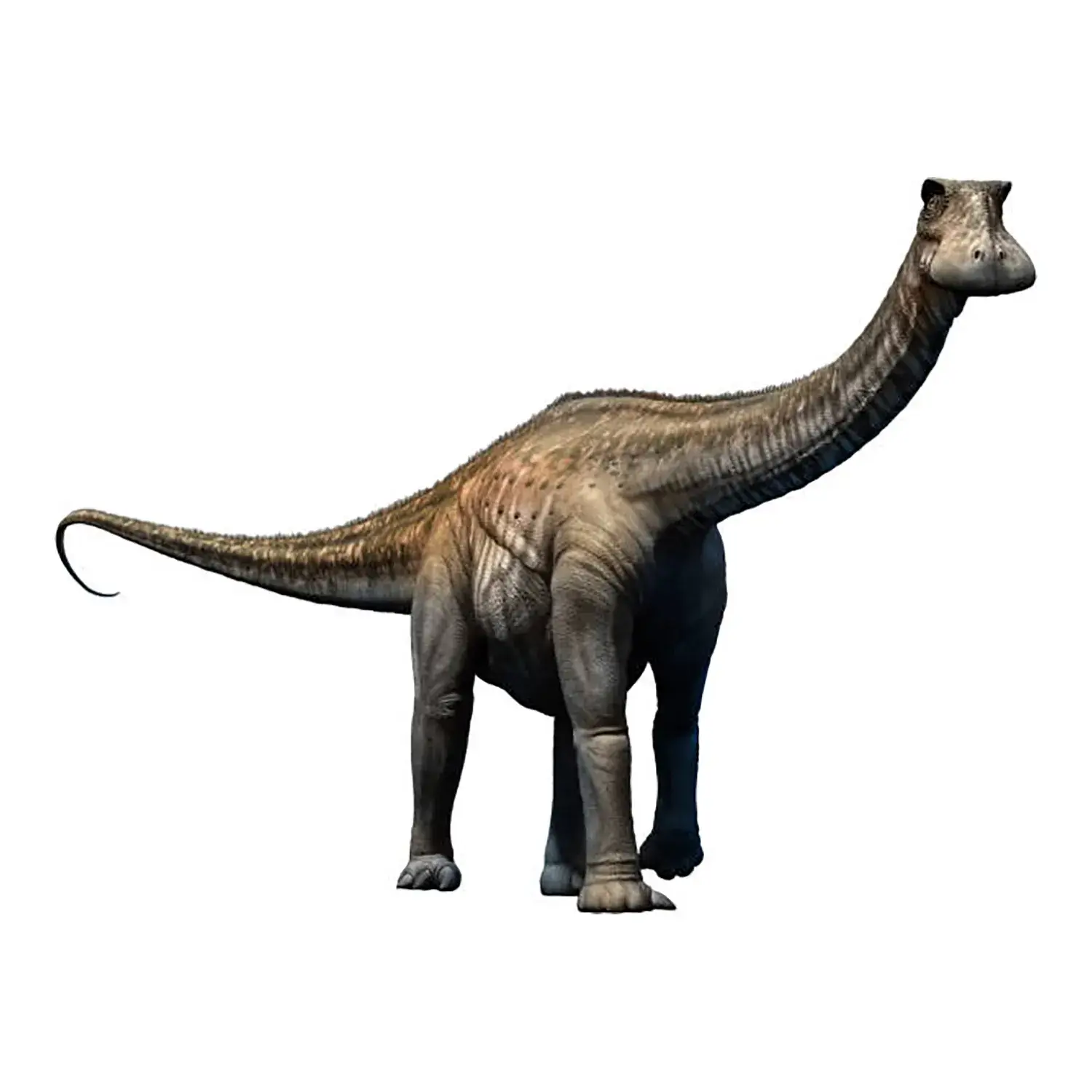
Paralititan
Name Origin
Tidal giant
Family
Saltasauridae
Classification
Diapsida, Saurischia, Sauropodomorpha
Habitat (Discovery Location)
Egypt
Period
Approximately 95 to 99.6 million years ago (Late Cretaceous)
Length
Approximately 26 meters
Weight
Approximately 40 to 59 metric tons
Diet
Herbivore (Plant-eater)
You might also like... 
-
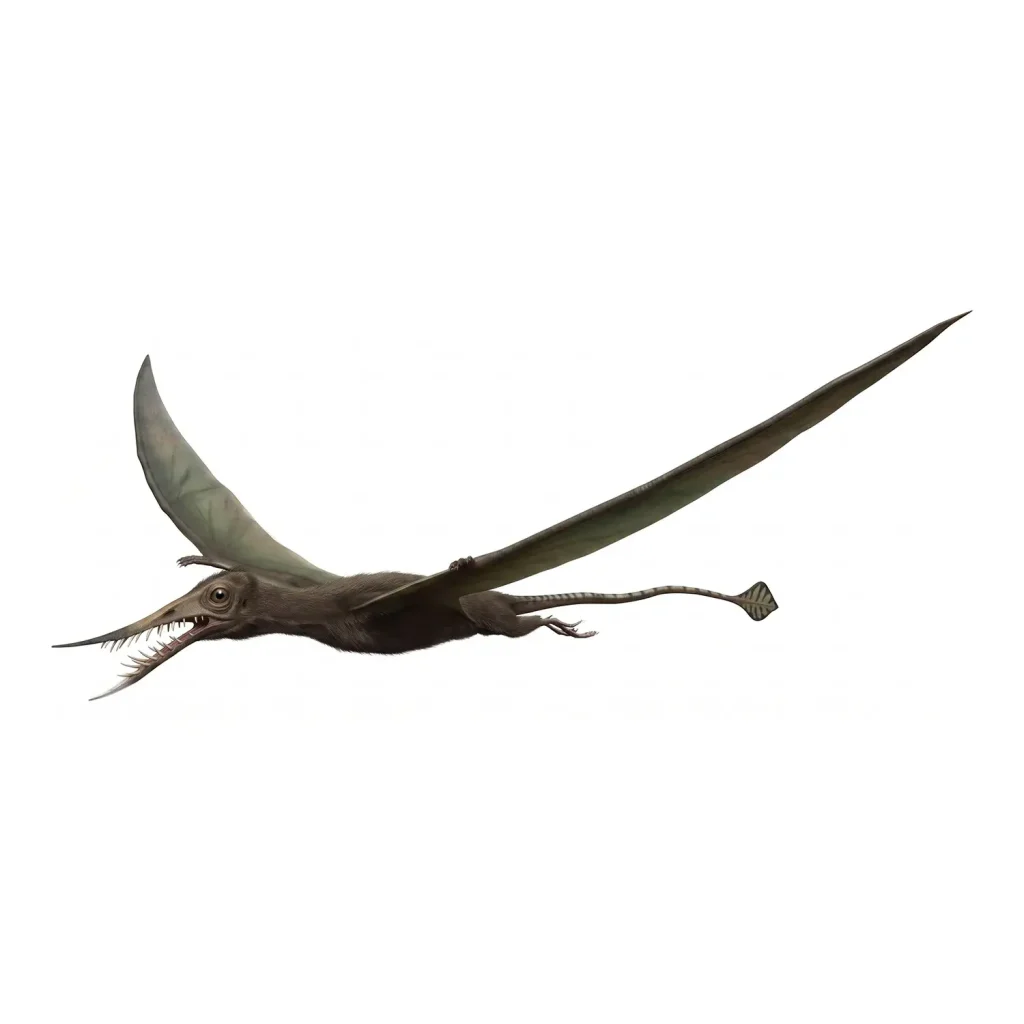
 Rhamphorhynchus
- Classification
- Flying reptiles
- Characteristics
- Carnivorous
- Era
- Jurassic period
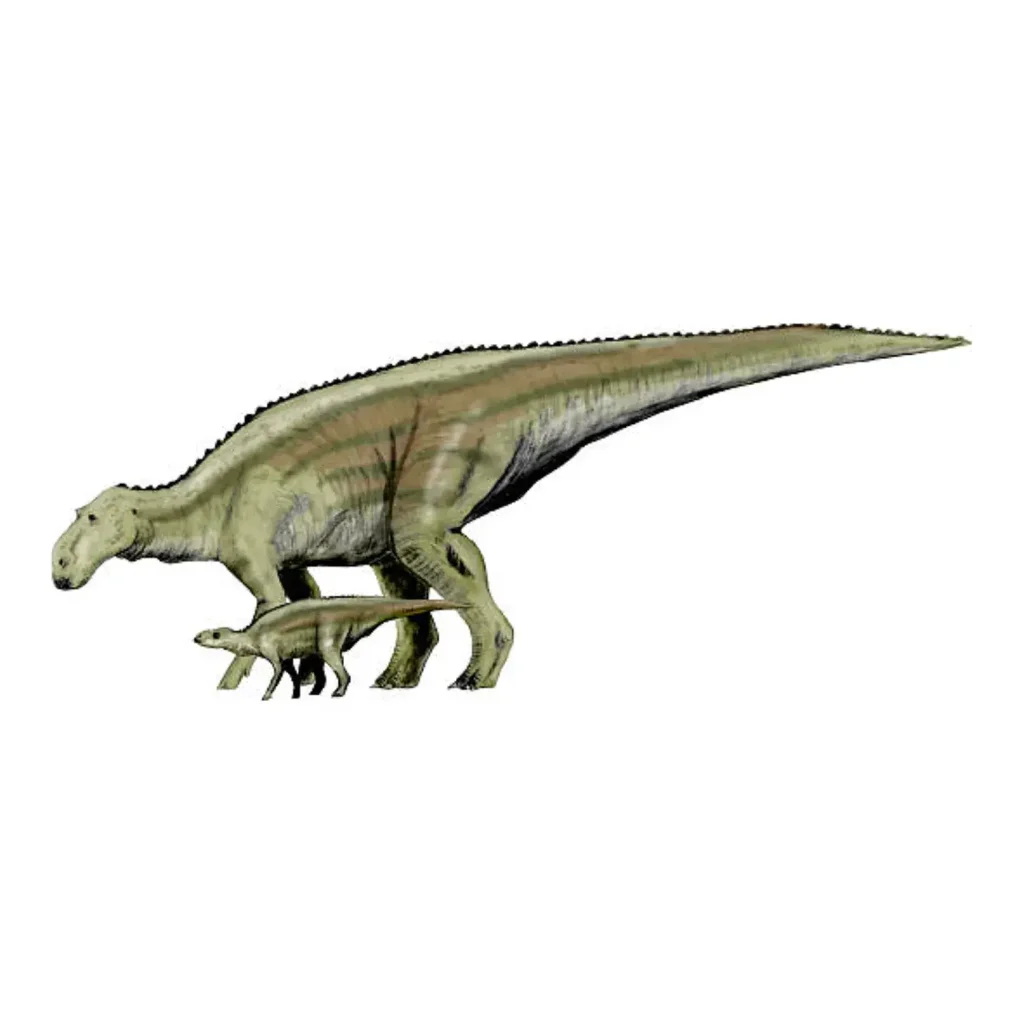
- Maiasaura
- Classification
- Ornithopoda
- Characteristics
- Herbivorous
- Era
- Cretaceous period
- Puertasaurus
- Classification
- Sauropods
- Characteristics
- Herbivorous
- Era
- Cretaceous period
- Frenguellisaurus
- Classification
- Theropods
- Characteristics
- Carnivorous
- Era
- Triassic period
-
Sponsored Links
-
Sponsored Links

![[Latest Research] What Was the Function of Spinosaurus's Giant "Sail"? Exploring the Mysteries of Thermoregulation and Underwater Locomotion](https://dinosaurmuseum.jp/wp/wp-content/uploads/eyecatch_spinosaurus-sail-function_en-1024x512.webp)
![[Latest Discovery] A Third Type of Skin, Neither Scales Nor Feathers? Meet "Haolong dongi," a New Dinosaur Species Covered Entirely in Spikes](https://dinosaurmuseum.jp/wp/wp-content/uploads/eyecatch_dinosaur-spiky-skin-discovery_en-1024x512.webp)

Description
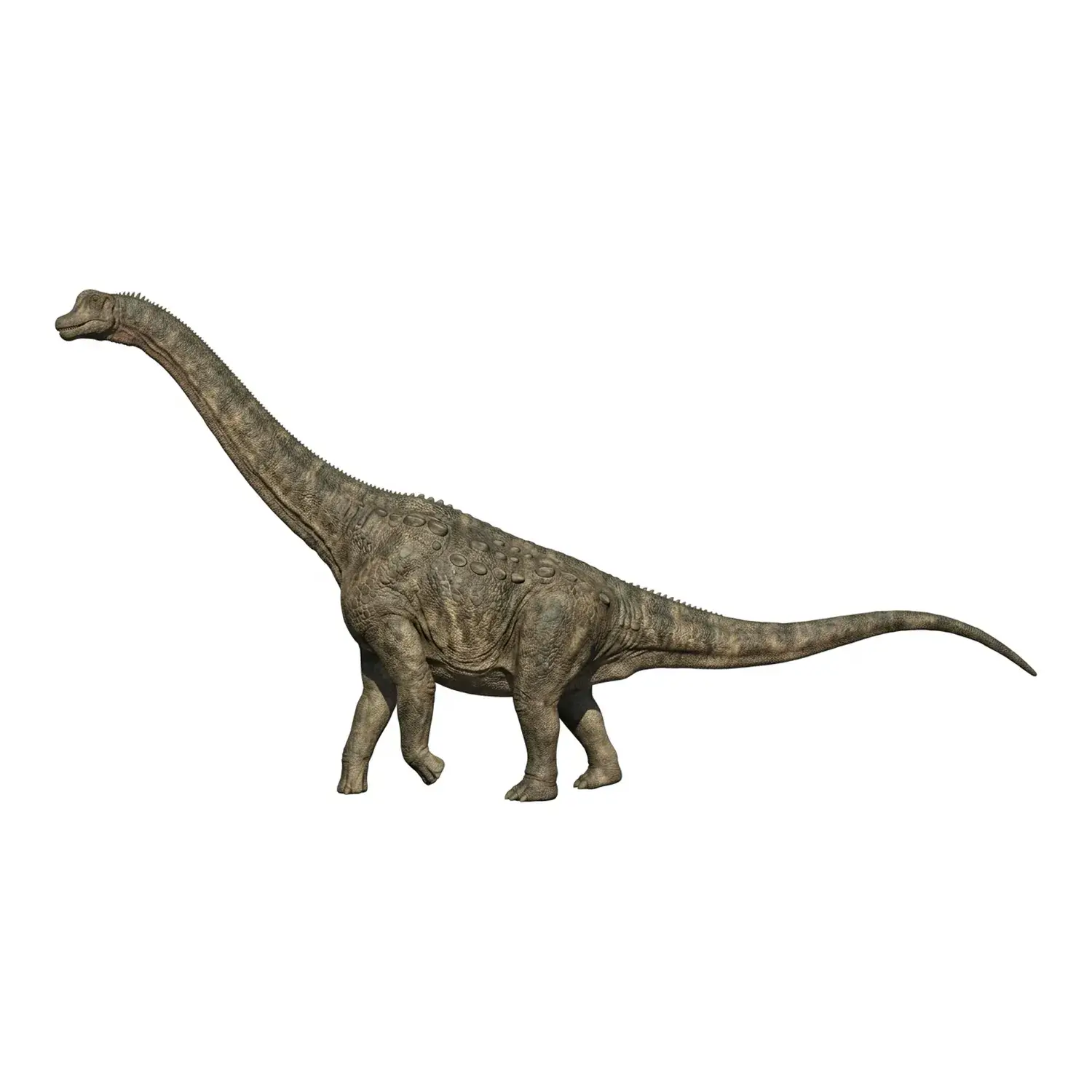
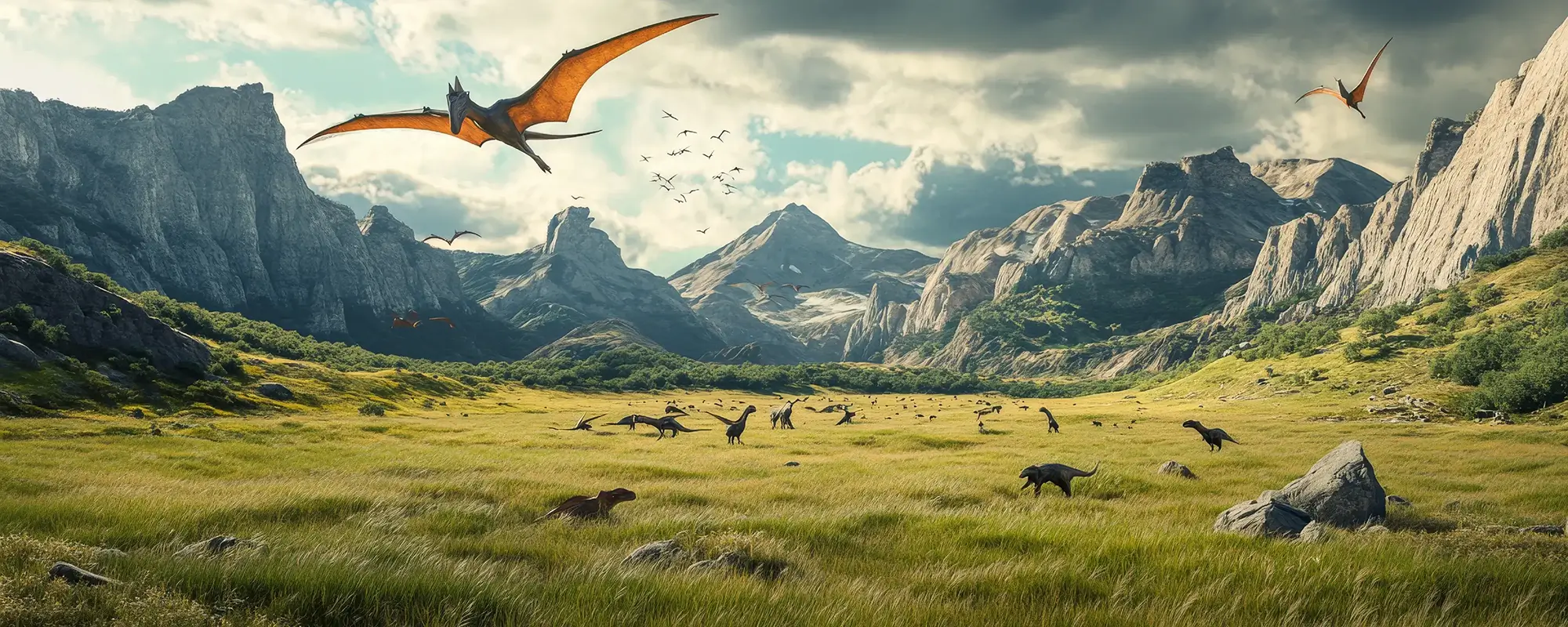
During the Late Cretaceous period of the Mesozoic Era, approximately 95 to 99.6 million years ago, a colossal dinosaur strode through the vast mangrove forests of what is now northern Africa.
This is “Paralititan,” an herbivorous sauropodomorph considered to be one of the largest dinosaurs ever discovered in Africa.
Discovery History and the Origin of “Stromer’s Giant”
Fossils of Paralititan were discovered in 2001 by a research expedition from the University of Pennsylvania (USA). They were unearthed from Late Cretaceous strata in Egypt’s Bahariya Oasis, the historic excavation site where the very first Spinosaurus was found.
Upon studying the discovered fossils, it was revealed to be a new species of titanosaur, and it was given its scientific name based on the following origins:
Genus Name (Paralititan)
Means “tidal giant” (or “giant of the seaside”).
Specific Name (stromeri)
Named in honor of Ernst Stromer, the German paleontologist who previously conducted excavations in the Bahariya Oasis and discovered and named dinosaurs such as Spinosaurus.
While definitive fossils have only been found in Egypt, it is highly likely that titanosaur fossils discovered in Morocco also belong to this species.
An Astonishing Scale Revealed by Fossils Representing Only 7.8% of Its Body
To date, over 16 fossilized bones have been discovered, including the humerus, scapula, ribs, and vertebrae. Although this amounts to a mere 7.8% of its entire body, the specimens found were of an extraordinary size.
A Massive 169 cm Arm
The humerus (upper arm bone) alone measured an astounding 169 cm (66.5 inches) in length, making it exceptionally long even among sauropodomorphs of the same period.
One of the Largest Bodies in Africa
When first discovered, it was estimated to be 30 meters (98.4 feet) long and weigh just under 80 tons. However, this has now been revised to “a maximum length of 26 meters (85.3 feet) and a weight of about 40 to 59 metric tons (88,000 to 130,000 lbs).”
Even so, it is still larger than Giraffatitan (22 meters or 72.2 feet long), which had previously been considered the largest dinosaur in Africa.
While it does not quite reach the scale of the world’s largest dinosaur, Argentinosaurus (estimated up to 45 meters or 147.6 feet long), its physique still ranks in the top tier of all biological history on Earth.
The Presence of Armor
Fossilized fragments of its skin have also been found, suggesting that its body was equipped with some degree of bony armor (osteoderms).
The Diet of the “Tidal Giant” That Strode Through Mangrove Forests
During the time Paralititan lived, Egypt was not the arid desert we know today, but rather a coastal region facing the southern Tethys Sea.
Lush, primitive mangrove forests spread abundantly across this landscape.
True to their name, the “tidal giants” likely fed primarily on the salt-tolerant tree ferns and primitive angiosperms that made up these mangrove forests, consuming massive quantities of vegetation to maintain their giant bodies.
Who Were Its Natural Enemies? The Struggle for Survival with Giant Carnivorous Dinosaurs
At that time, northern Africa was crowded with renowned large carnivorous dinosaurs (theropods) such as Spinosaurus, Carcharodontosaurus, and Bahariasaurus.
In fact, fossilized teeth of Carcharodontosaurus were discovered mixed in at the excavation site of Paralititan’s type specimen, leaving behind vivid traces that it was either attacked or scavenged after death.
However, this may only have occurred when they were young or weakened.
Against a fully grown “adult” Paralititan—equipped with hard armor on its skin, reaching 26 meters (85.3 feet) in length, and weighing around 59 tons—even the most massive carnivorous dinosaurs would have found it difficult to attack. Therefore, it is believed they had virtually no natural enemies once fully grown.
Conclusion
Even from a tiny fraction of its skeleton, Paralititan conveys its extraordinary immensity and presence to us today.
The image of them leisurely walking through mangrove forests on Late Cretaceous coastlines—sharing their habitat with massive carnivorous dinosaurs—allows us to imagine the majestic grandeur of ancient Africa’s nature.
It is hoped that future fossil discoveries will unravel the full picture of this giant in even greater detail.