
Dracovenator
Name Origin
Dragon hunter
Family
Dilophosauridae
Classification
Diapsida, Saurischia, Theropoda
Habitat (Discovery Location)
South Africa
Period
Early Jurassic
Length
Approximately 5.5 to 6.5 meters
Weight
Approximately 250 kilograms
Diet
Carnivore (Meat-eater)
You might also like... 

-
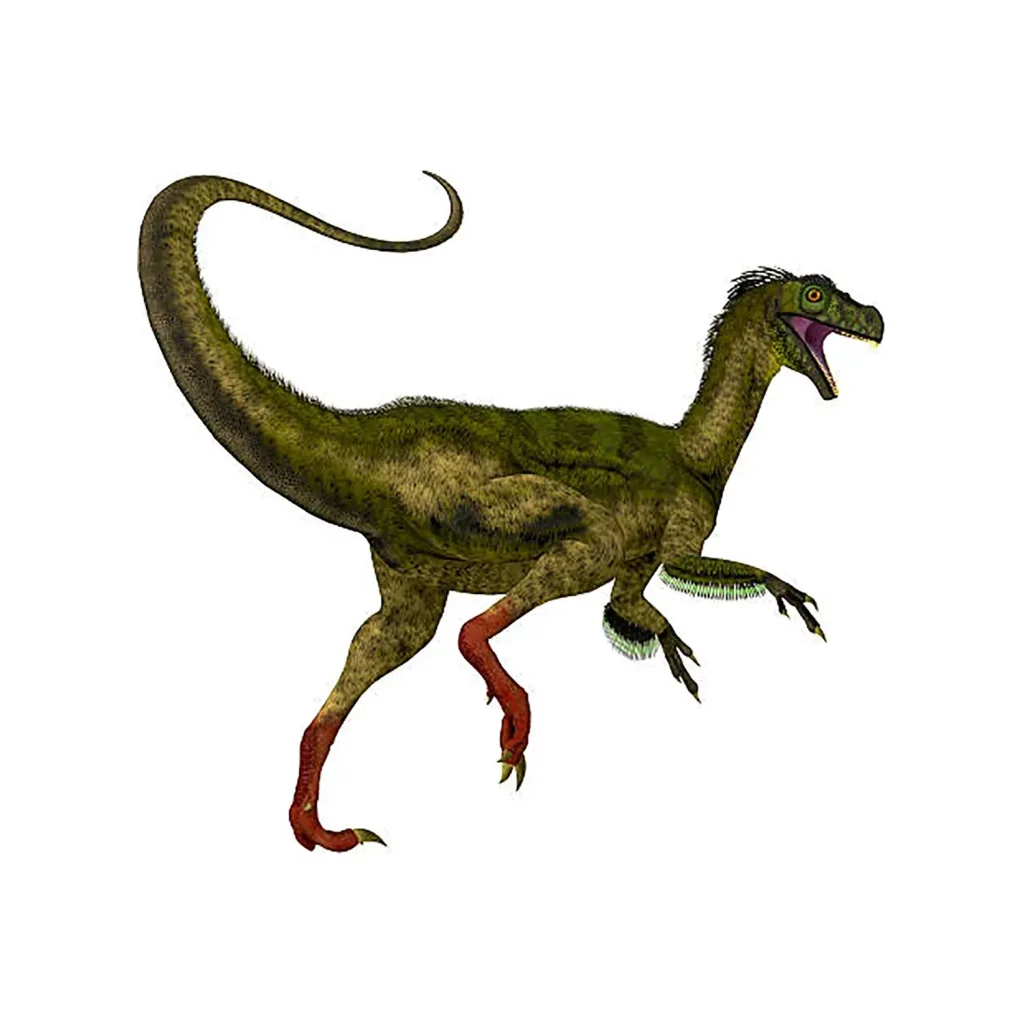
 Ornitholestes
- Classification
- Theropods
- Characteristics
- Carnivorous
- Era
- Jurassic period
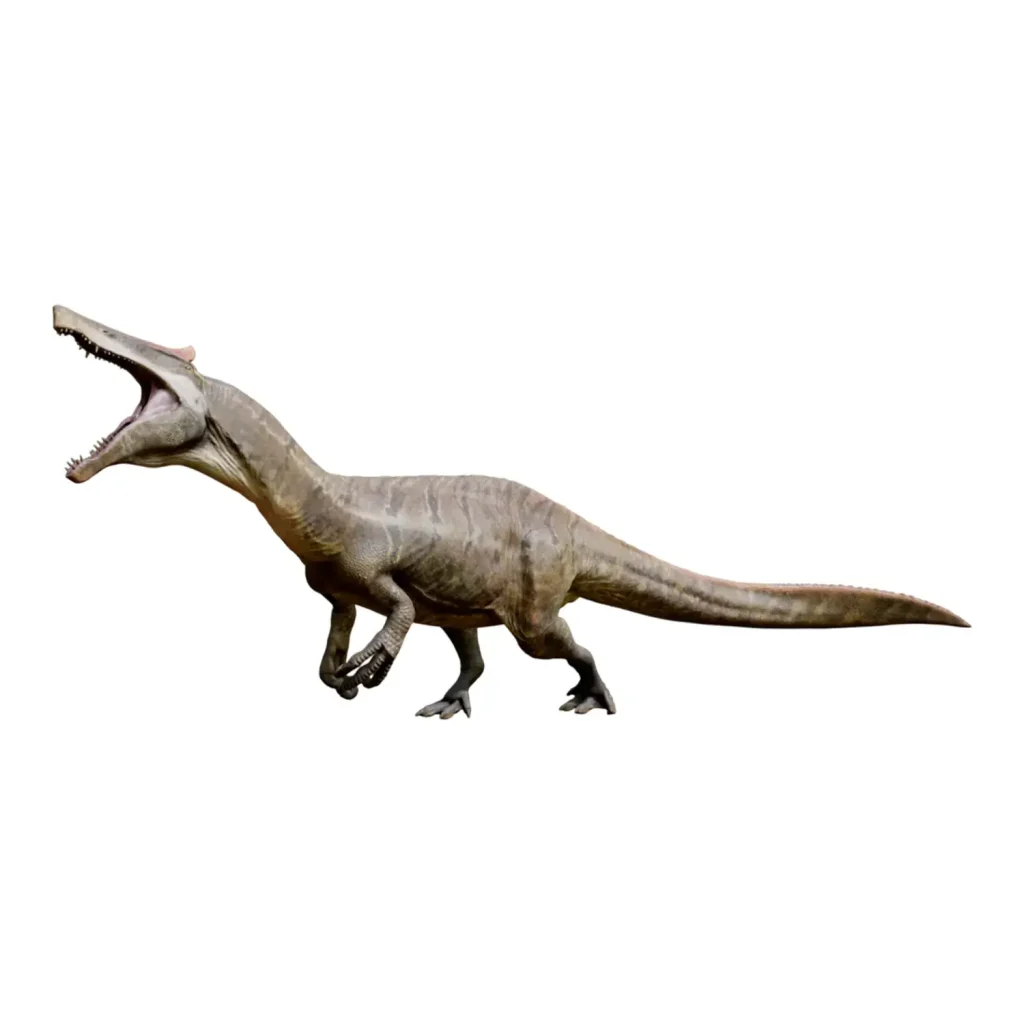
- Irritator
- Classification
- Theropods
- Characteristics
- Carnivorous
- Era
- Cretaceous period
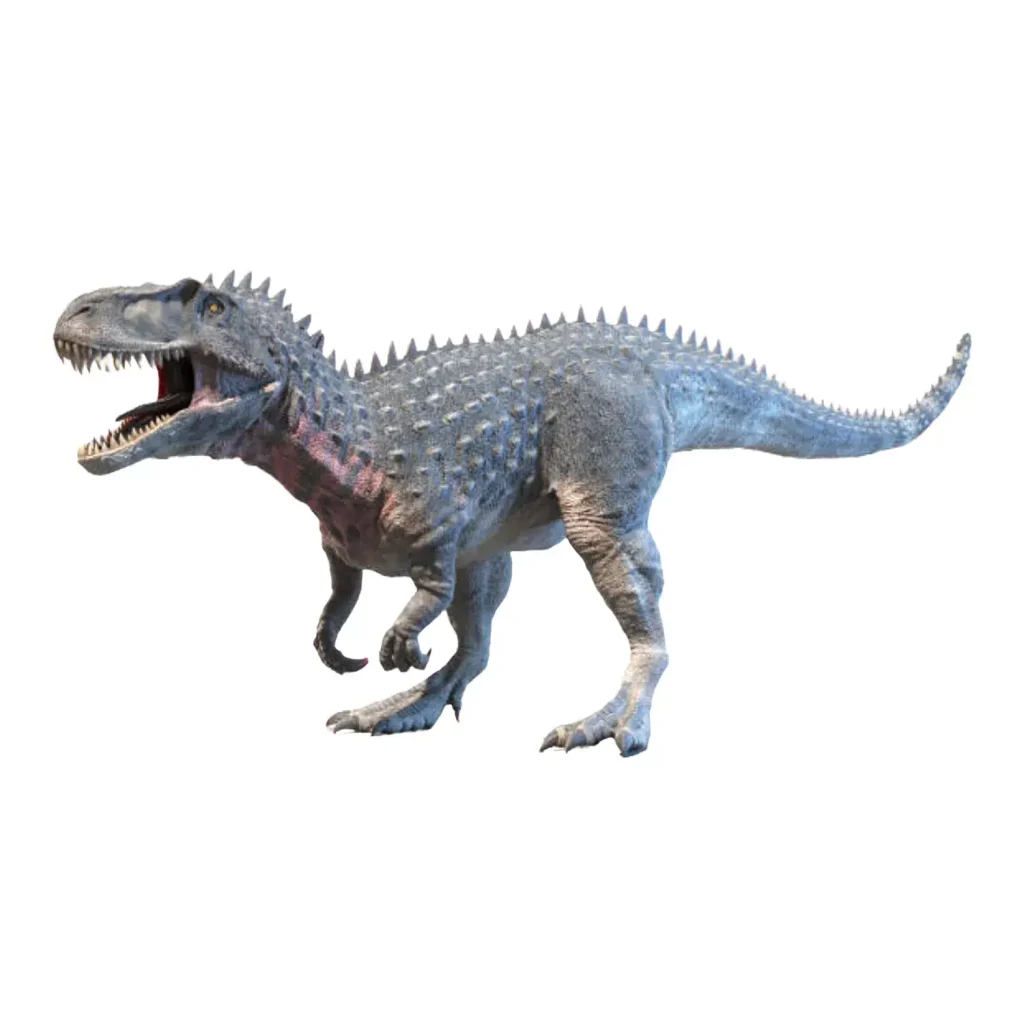
- Torvosaurus
- Classification
- Theropods
- Characteristics
- Carnivorous
- Era
- Jurassic period
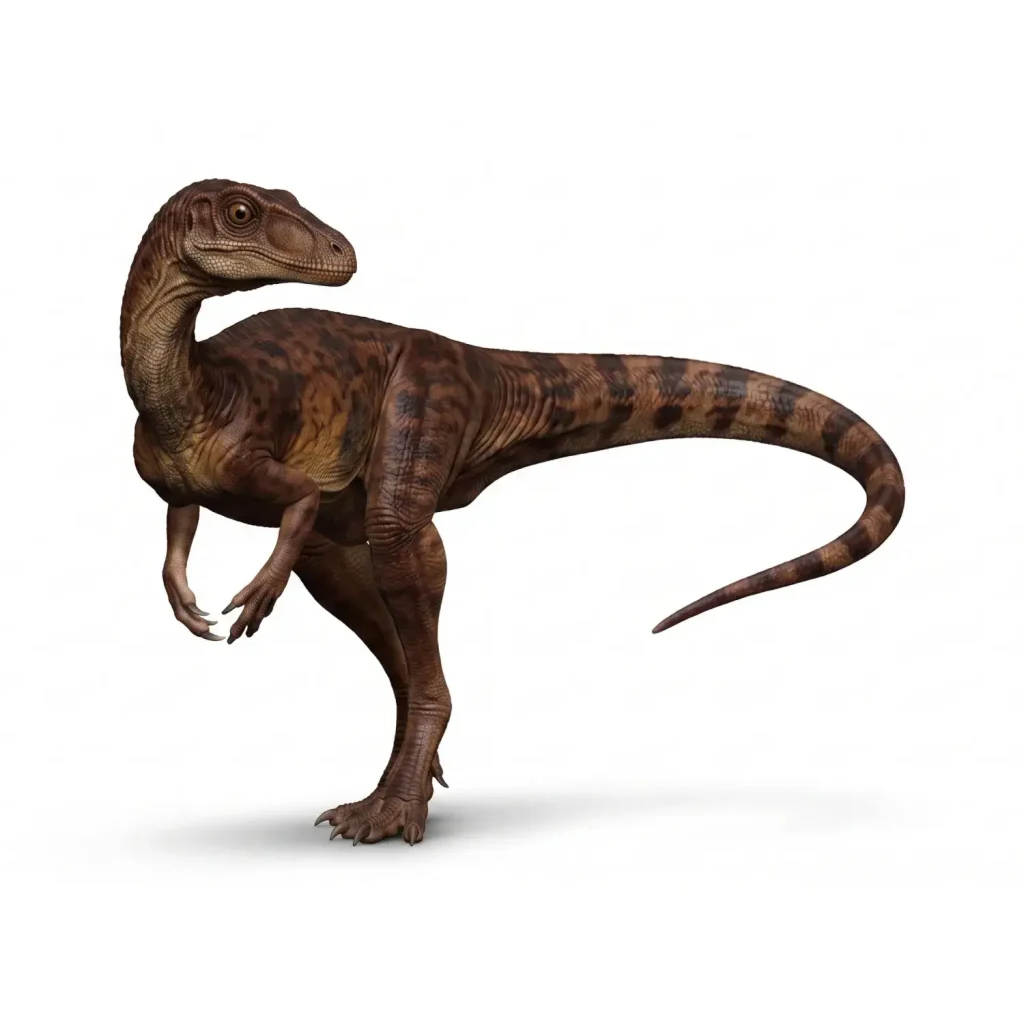
- Eoraptor
- Classification
- Sauropods
- Characteristics
- Omnivorous
- Era
- Triassic period
-
Sponsored Links
-
Sponsored Links







![[Latest Research] What Was the Function of Spinosaurus's Giant "Sail"? Exploring the Mysteries of Thermoregulation and Underwater Locomotion](https://dinosaurmuseum.jp/wp/wp-content/uploads/eyecatch_spinosaurus-sail-function_en-1024x512.webp)
![[Latest Discovery] A Third Type of Skin, Neither Scales Nor Feathers? Meet "Haolong dongi," a New Dinosaur Species Covered Entirely in Spikes](https://dinosaurmuseum.jp/wp/wp-content/uploads/eyecatch_dinosaur-spiky-skin-discovery_en-1024x512.webp)




Description
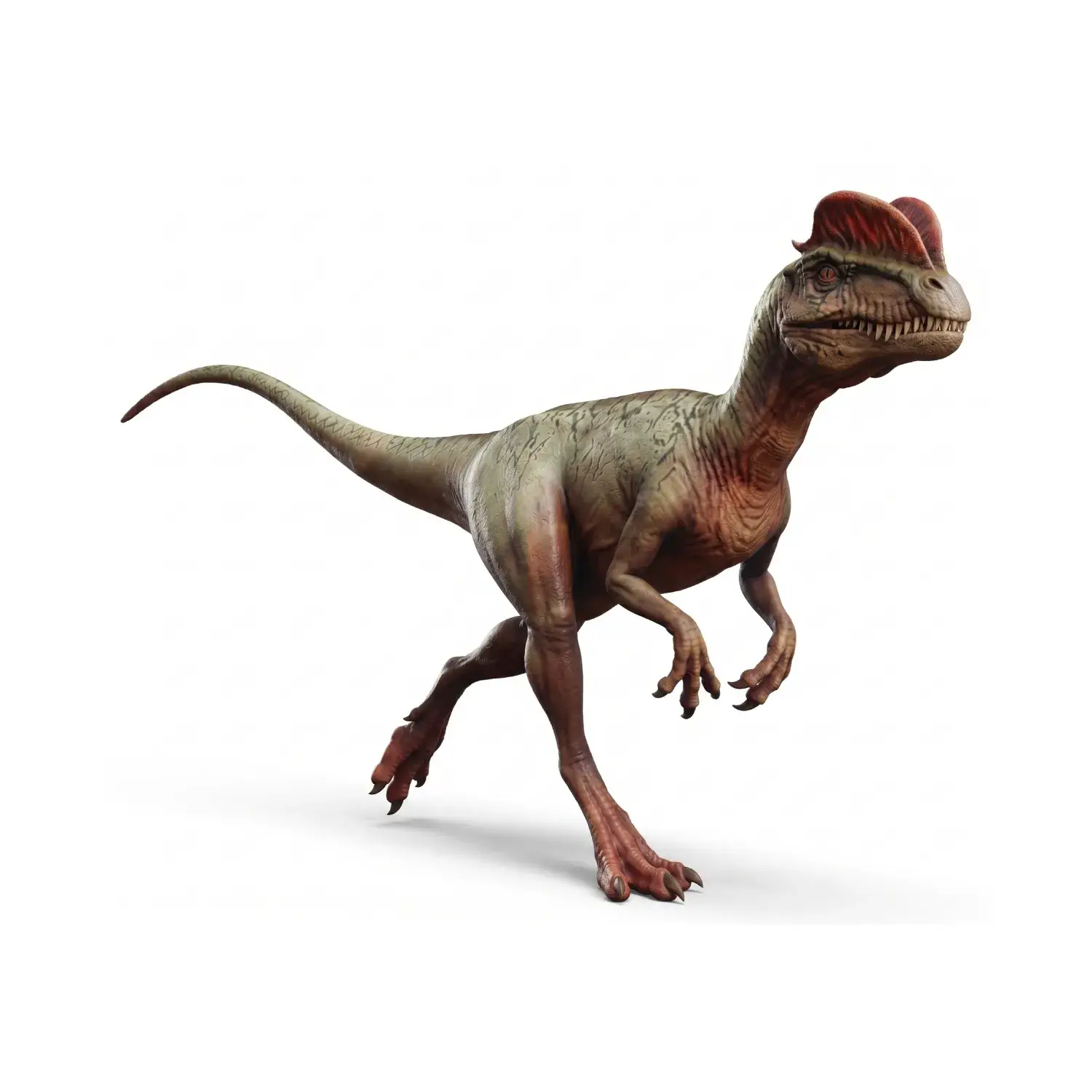
Dracovenator was a carnivorous dinosaur that lived in South Africa during the Early Jurassic period of the Mesozoic Era.
Boasting a very large physique for its environment at the time, this dinosaur is thought to have reigned near the top of the ecosystem. However, it remains a highly mysterious creature, with only a few fossils having been discovered so far.
The “Dragon Hunter” Named After the “Dragon Mountain”
The scientific name Dracovenator literally translates to “dragon hunter.”
This heroic name originates from the location where its fossils were found.
The fossils were unearthed from the Elliot Formation, located at the foothills of the Drakensberg mountains in South Africa—”Drakensberg” meaning “Dragon Mountain” in Afrikaans/Dutch.
It was named the “dragon hunter” after this location.
Fossils Shrouded in Mystery Since Their Discovery in 1981
Despite its magnificent name, the Dracovenator fossils discovered to date are extremely limited.
In 1981, the type specimen (BP/1/5243) was discovered in the Elliot Formation, but only parts of the skull (just five fragments) were excavated.
Moreover, they were in a highly fragmentary state—”barely recognizable as bones.” Surprisingly, from its initial discovery in 1981 up to the present day, no new specimens have been found at all.
Because of this, grasping its complete appearance is difficult, and research is progressing by referencing information from its close relatives.
A Dilophosaurus-like Crest and a Large Physique
Although only fragmentary fossils remain, research by paleontologists has revealed that it belongs to the Dilophosauridae family within the Neotheropoda clade.
A Large Build for the Early Jurassic
Its estimated length is 5.5 to 6.5 meters (18.0 to 21.3 feet), and it weighed about 250 kg (550 lbs).
In the context of the Early Jurassic environment in South Africa, this was a rather large physique.
A Crest Atop Its Head
In the fossil of the rostrum (the snout area from the nose to the tip of the mouth), a thin bone protruding upward toward the back of the head has been confirmed.
From this, it is believed to have sported a distinctive head crest similar to its famous carnivorous relative, Dilophosaurus.
Specialized Skeletal Features
Its snout was curved, and it was lined with slender, crocodile-like teeth.
Furthermore, according to the describing paper, the following highly specialized skeletal features that distinguish it from other genera have been identified:
A Cruel Hunting Tactic Aiming for “Death by Blood Loss” by Piercing Blood Vessels
As large carnivorous dinosaurs of their time, it is highly likely that they hunted large herbivorous dinosaurs living in the same region and era, such as Lesothosaurus and Massospondylus.
In recent years, following the reassessment of the reconstruction of its close relative Dilophosaurus, the possibility has emerged that Dracovenator also possessed much “more powerful jaws” than previously thought.
The sharp, slender teeth lining their mouths were not for crushing bone, but for “driving deep into flesh.”
It is speculated that they employed a highly cruel yet certain hunting style: biting into prey of equal or greater size, such as early sauropodomorphs, using their slender teeth to deeply pierce vital blood vessels to cause massive bleeding, and then feasting on the meat after the prey bled to death.
Conclusion
Dracovenator slept quietly at the foothills of South Africa’s “Dragon Mountain.”
Although only a few skull fragments remain, the crocodile-like slender teeth, the Dilophosaurus-like crest, and its image as a “hunter aiming for death by blood loss” deciphered from them eloquently tell the story of the harsh struggle for survival in the Early Jurassic period.
It is hoped that one day new fossils will be discovered, finally revealing the full picture of this “dragon hunter.”