
Sinosaurus
Name Origin
Chinese lizard
Classification
Diapsida, Saurischia, Theropoda
Habitat (Discovery Location)
China
Period
Early Jurassic
Length
Approximately 5.6 meters
Diet
Carnivore (Meat-eater)
You might also like... 

-
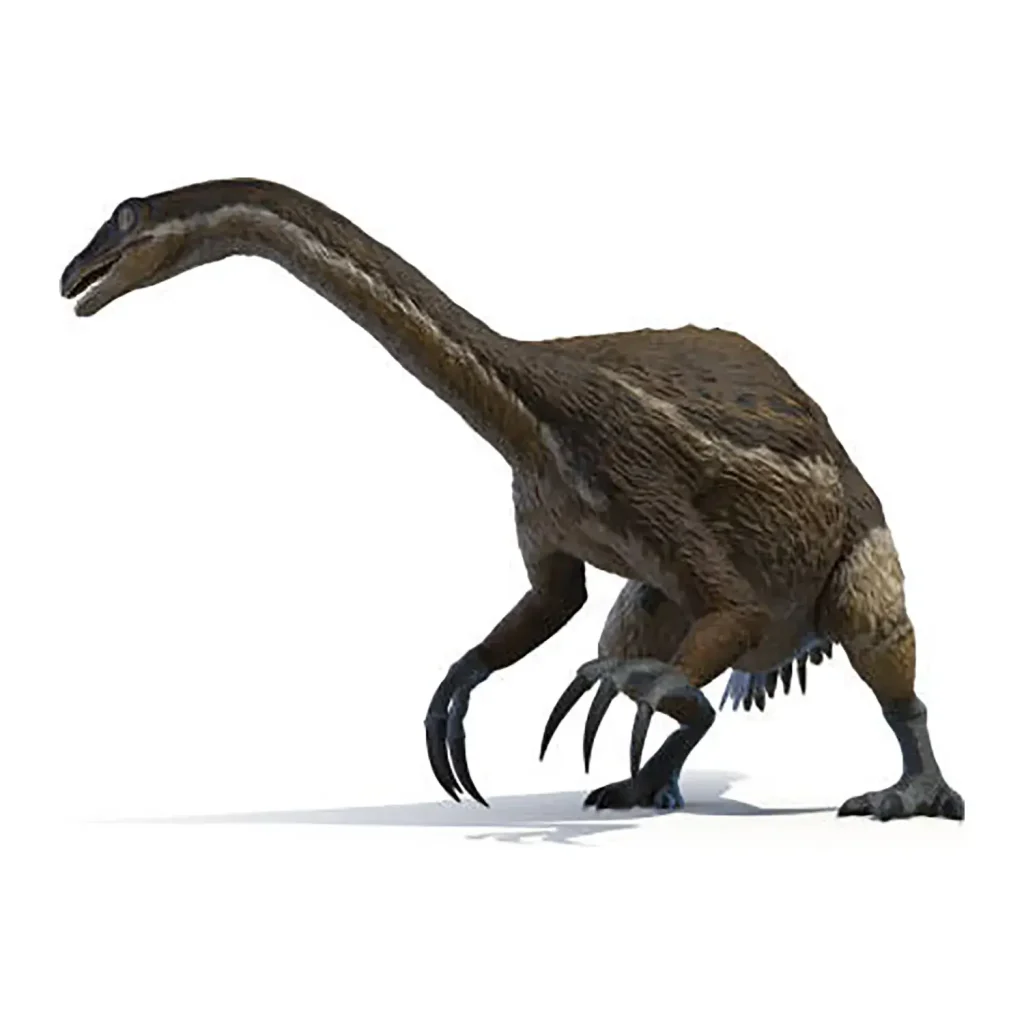
 Therizinosaurus
- Classification
- Theropods
- Characteristics
- Herbivorous
- Era
- Cretaceous period
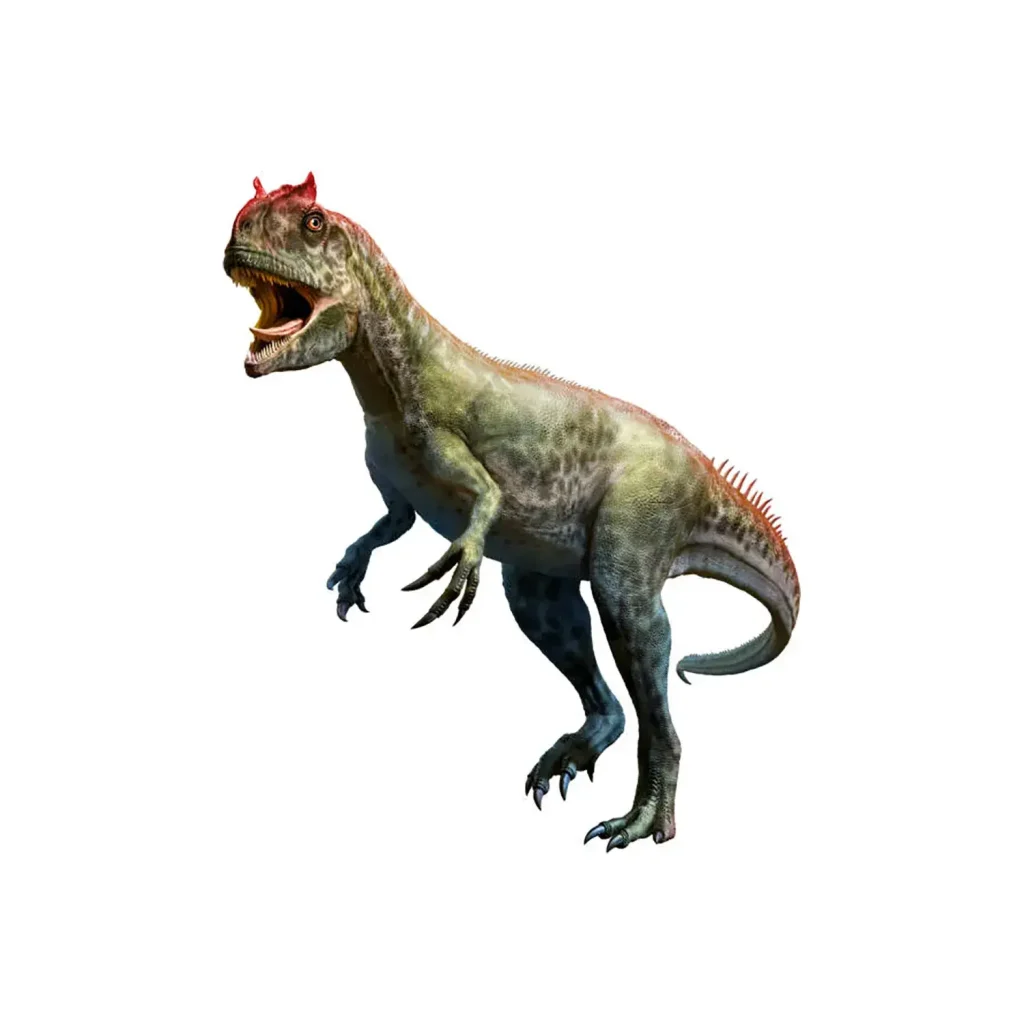
- Allosaurus
- Classification
- Theropods
- Characteristics
- Carnivorous
- Era
- Jurassic period
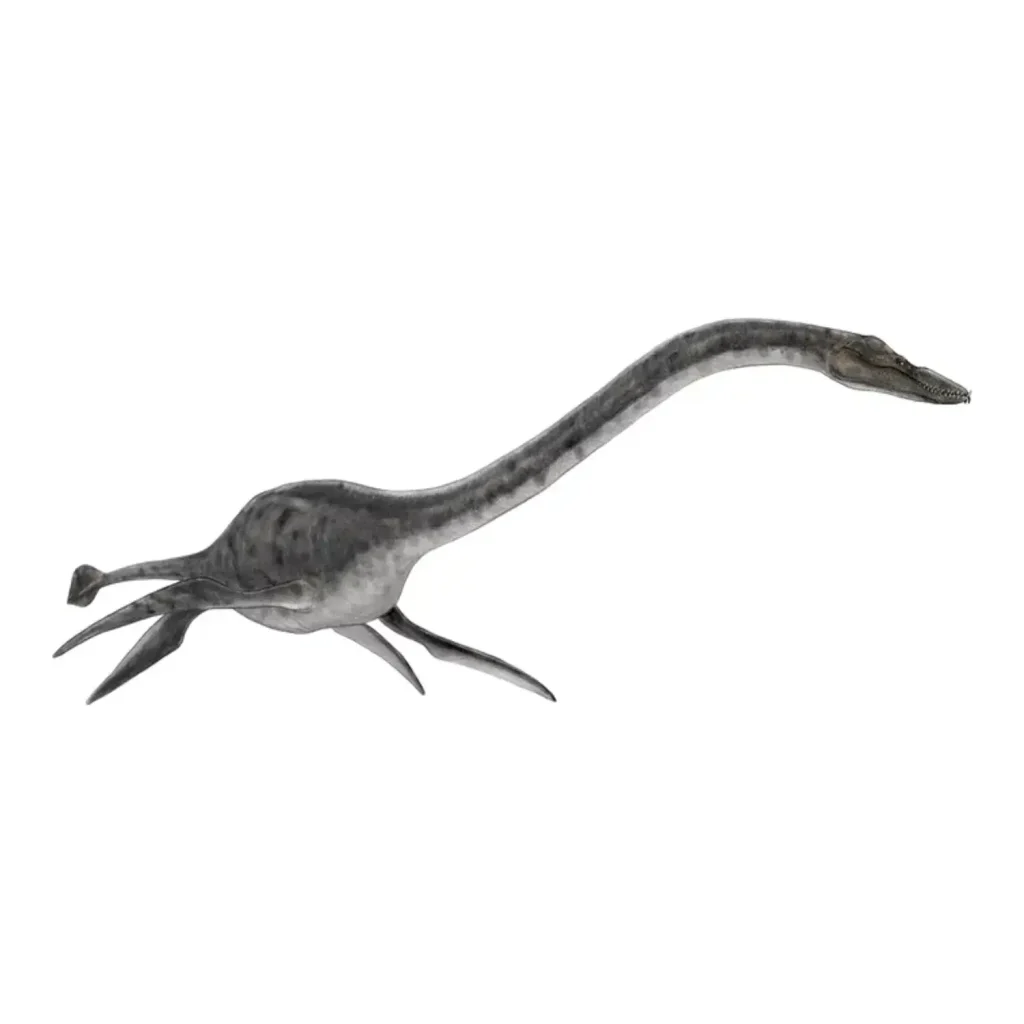
- Futabasaurus
- Classification
- Marine reptiles
- Characteristics
- Carnivorous
- Era
- Cretaceous period
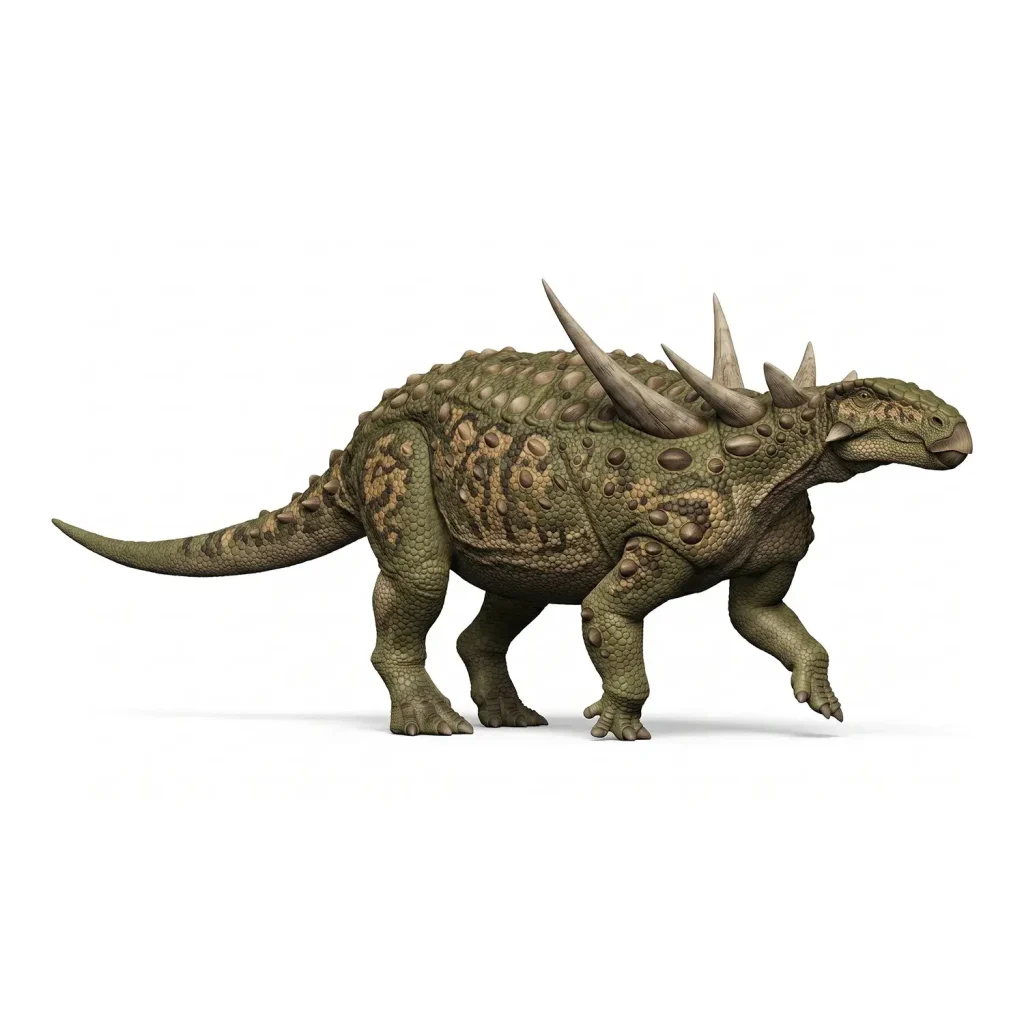
- Antarctopelta
- Classification
- Thyreophora
- Characteristics
- Herbivorous
- Era
- Cretaceous period
-
Sponsored Links
-
Sponsored Links









![[Latest Research] What Was the Function of Spinosaurus's Giant "Sail"? Exploring the Mysteries of Thermoregulation and Underwater Locomotion](https://dinosaurmuseum.jp/wp/wp-content/uploads/eyecatch_spinosaurus-sail-function_en-1024x512.webp)
![[Latest Discovery] A Third Type of Skin, Neither Scales Nor Feathers? Meet "Haolong dongi," a New Dinosaur Species Covered Entirely in Spikes](https://dinosaurmuseum.jp/wp/wp-content/uploads/eyecatch_dinosaur-spiky-skin-discovery_en-1024x512.webp)

Description
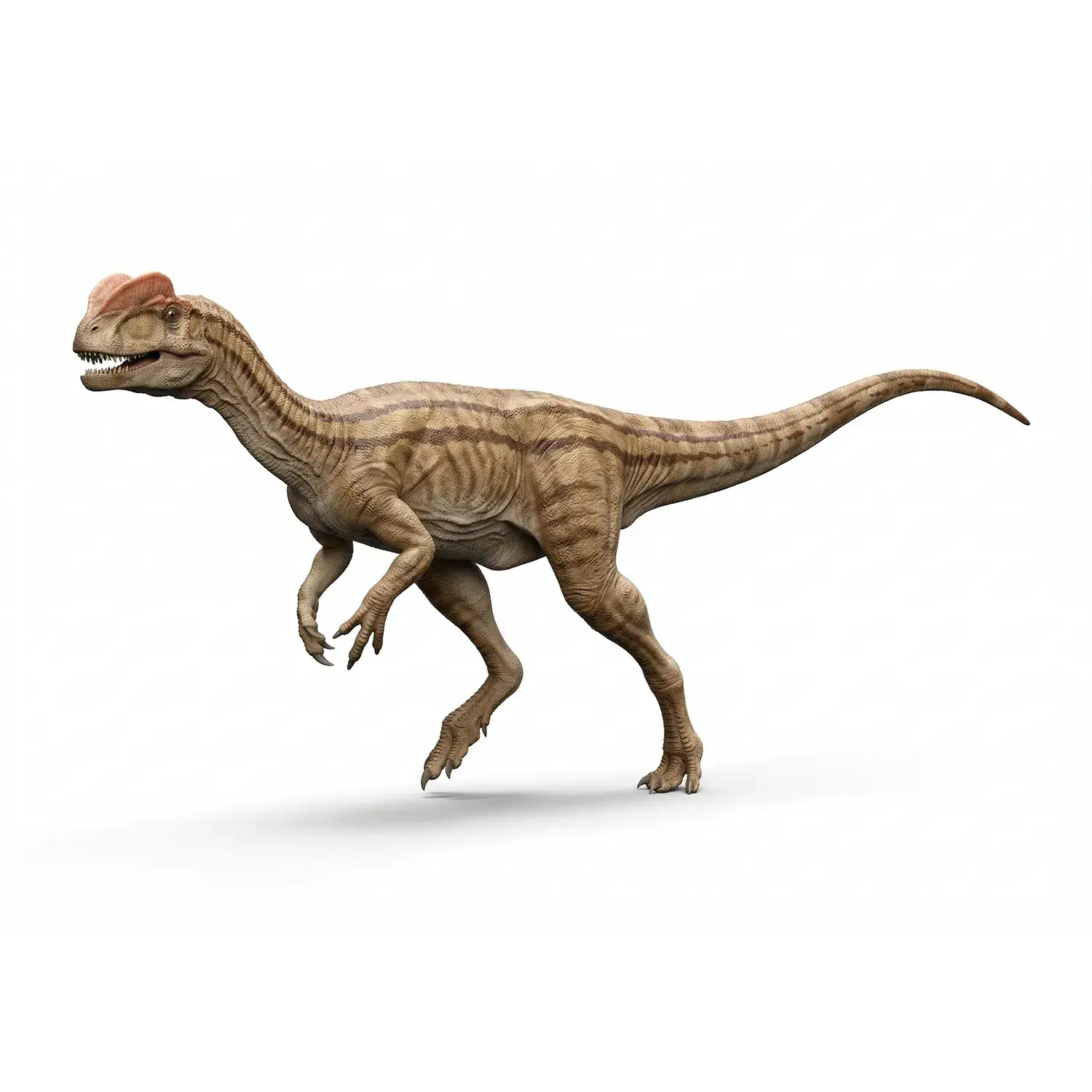
“Sinosaurus” was a carnivorous dinosaur that lived in China during the Early Jurassic period.
As a medium-sized theropod measuring about 5.6 meters in length, it reigned as the apex predator in the ecosystem of its time.
Although Sinosaurus has established a solid position today, it is a dinosaur with a strange twist of fate, having experienced a half-century-long “winter period” during which it was misidentified as a “Chinese Dilophosaurus.”
What is Sinosaurus? The Apex of Its Ecosystem
Sinosaurus was the apex of the ecosystem in Yunnan Province at the time.
In fact, fossils of it have been found dead alongside the prosauropod herbivore “Yunnanosaurus” in the same strata, making it highly likely that they were preyed upon by Sinosaurus.
The Characteristic “Twin Crests” and Jaw Structure
The body of Sinosaurus, revealed through abundant fossil specimens, exhibits a mix of primitive and advanced features.
The Bizarre Head Crests
On top of its head (snout), there were “two prominent crests” consisting of developed plate-like projections.
These were not very sturdily built and are not thought to have been used as weapons in fights with prey or enemies.
It is presumed that they were primarily used for species recognition among peers and as a display to the opposite sex.
A Primitive Yet Advanced Jaw
While it possesses the “primitive feature” of having a depression in the upper jawbone just below the nostril, it also has the “advanced feature” of its upper tooth row not extending beneath the eye.
A Tumultuous Research History: An Overly Long “Winter Period” and a Dramatic Turning Point
The history of Sinosaurus begins with its discovery by Yang Zhongjian (C.C. Young), regarded as a towering figure in the Chinese paleontological community.
A Great Discovery and a Half-Century of Obscurity
Around 1940, partial fossils including upper and lower jaws were excavated in Yunnan Province, China, and the dinosaur was formally named in 1948.
At the time, it was reconstructed with an appearance similar to Megalosaurus, but the preservation of the discovered specimens was so poor that there were few clues for research.
As a result, it spent a long time in obscurity as an extremely minor dinosaur, bordering on being a “nomen dubium” (a name of doubtful validity).
Discovery as the “Chinese Dilophosaurus”
The biggest turning point arrived after 1987.
In places like Jinning County, Yunnan Province, additional specimens—including the exceptionally well-preserved skulls of theropods with two crests—were discovered one after another.
Due to these characteristic crests, the fossils were initially considered a new species of the North American Dilophosaurus and were named “Dilophosaurus sinensis” (Chinese Dilophosaurus).
The Truth Revealed and Identity Established
However, recent research took a sudden turn.
It was revealed that these magnificent fossils, deemed the “Chinese Dilophosaurus,” belonged to the exact same species as “Sinosaurus,” of which only fragmentary jaws had previously been found.
As a result, all these specimen groups were integrated into Sinosaurus, instantly multiplying the once sparse fossil data.
Sinosaurus emerged from its long period of obscurity, and its recognition in the paleontological community skyrocketed.
Taxonomic Update: Not a Dilophosaurid?
Sinosaurus was initially classified in the family “Dilophosauridae” due to its twin crests, but that view is currently being revised.
Because primitive features seen in the “Tetanurae” (tetanurans), a more advanced group of carnivorous dinosaurs, have been confirmed, many theories now exclude it from the Dilophosauridae family.
In other words, even though they looked similar, Sinosaurus was a dinosaur of a different lineage that underwent its own unique evolution.
Beginning with poor-quality fossils and passing through a misunderstanding as a “different dinosaur,” it has successfully reclaimed its firm identity as “Sinosaurus.”
Even into the 2000s, discoveries of new fossils have continued, and research is progressing rapidly.
Having survived its long winter period, Sinosaurus has become an extremely hot topic of research today.