
Argentinosaurus





Name Origin
Lizard from Argentina
Family
Titanosauridae
Classification
Reptilia, Saurischia, Sauropodomorpha
Habitat (Discovery Location)
Argentina
Period
Approximately 100 to 93 million years ago (Early Cretaceous to Late Cretaceous)
Length
Approximately 35m (some estimates suggest 48m)
Weight
Approximately 100 tons
Diet
Herbivore (Plant-eater)
TODAY'S QUIZ
Correct answer = 1 coin
What kind of fossils were used to estimate the size of Argentinosaurus?
Loading…
You might also like... 

-
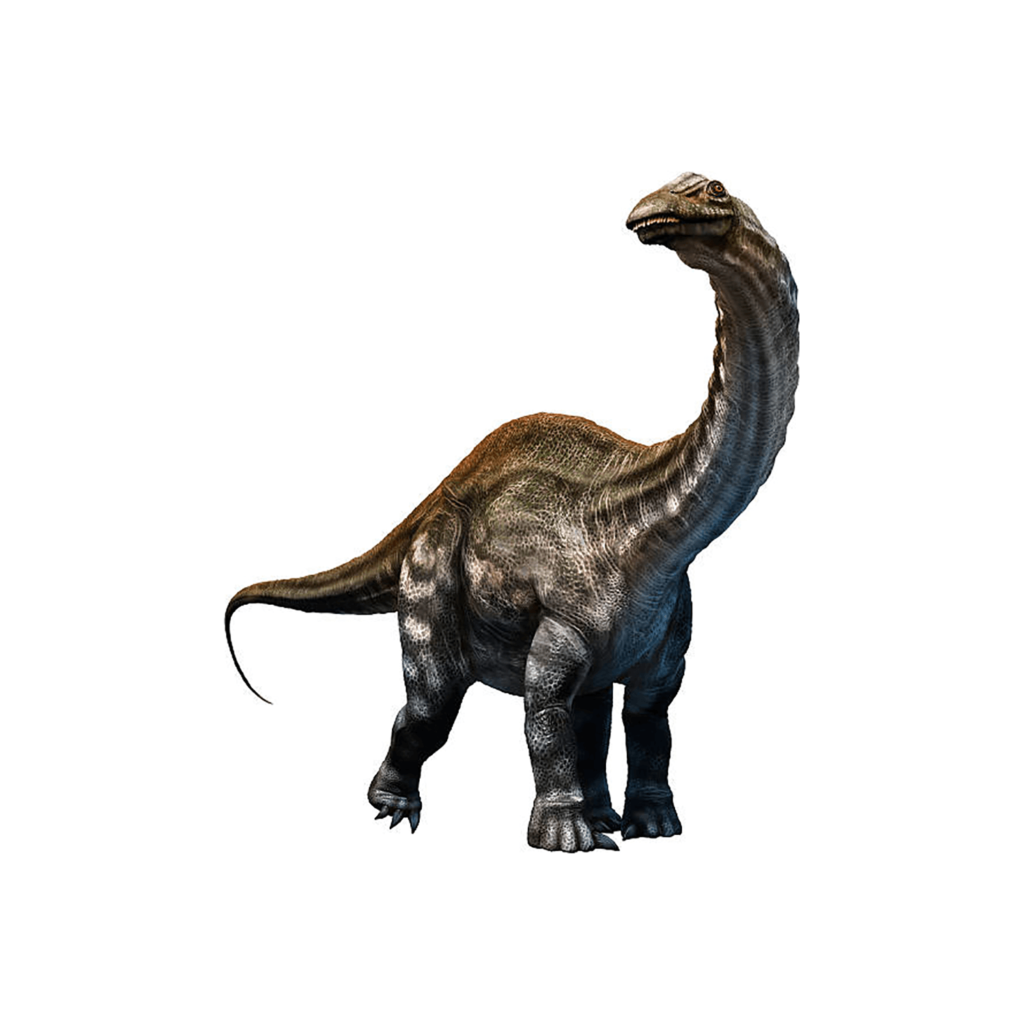
 Apatosaurus
- Classification
- Sauropods
- Characteristics
- Herbivorous
- Era
- Jurassic period
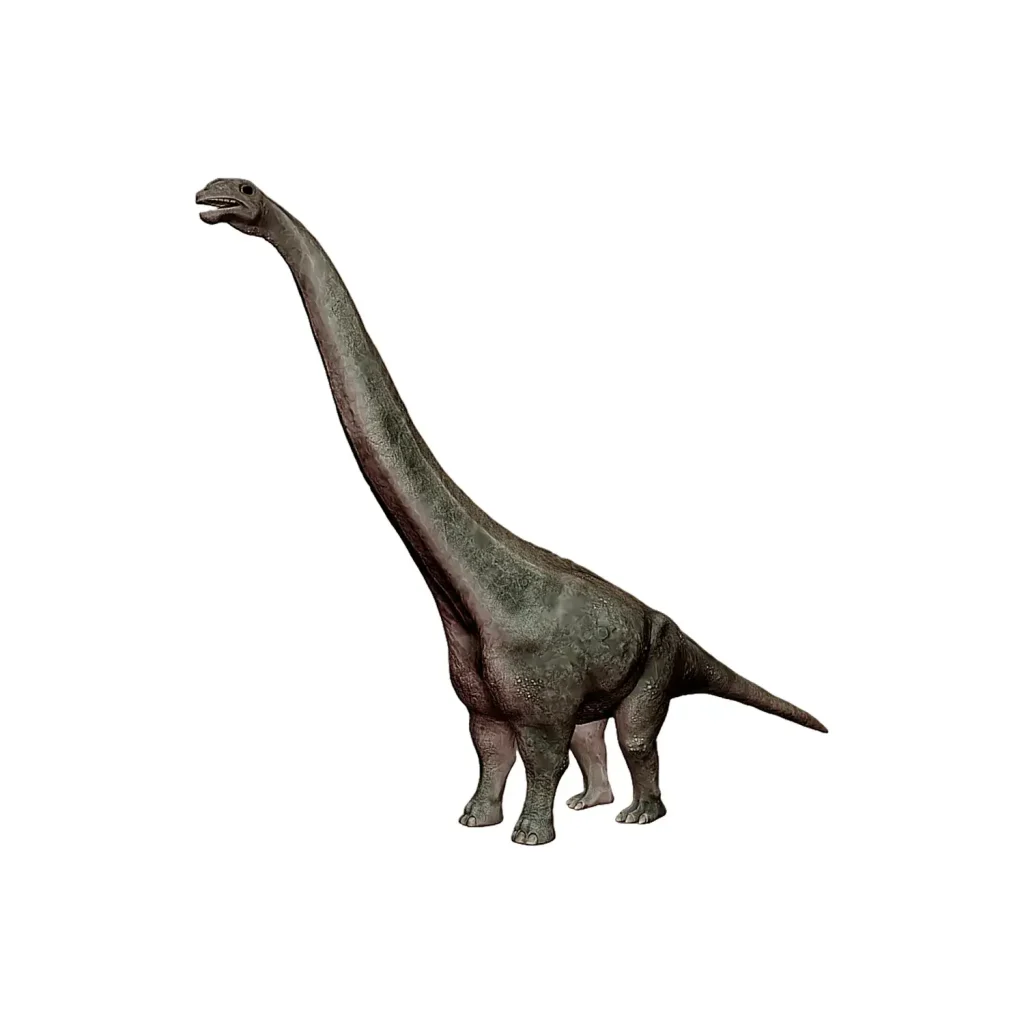
- Futalongkosaurus
- Classification
- Sauropods
- Characteristics
- Herbivorous
- Era
- Cretaceous period
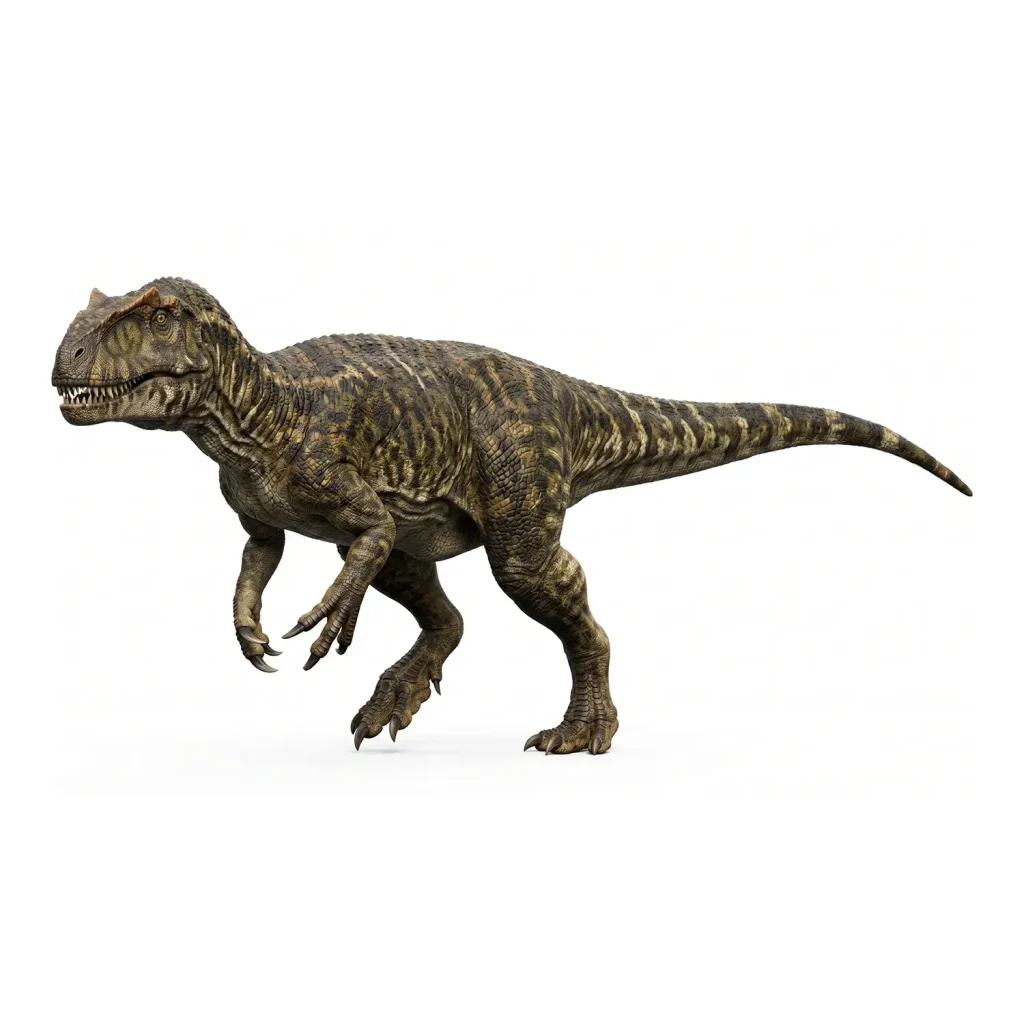
- Neovenator
- Classification
- Theropods
- Characteristics
- Carnivorous
- Era
- Cretaceous period
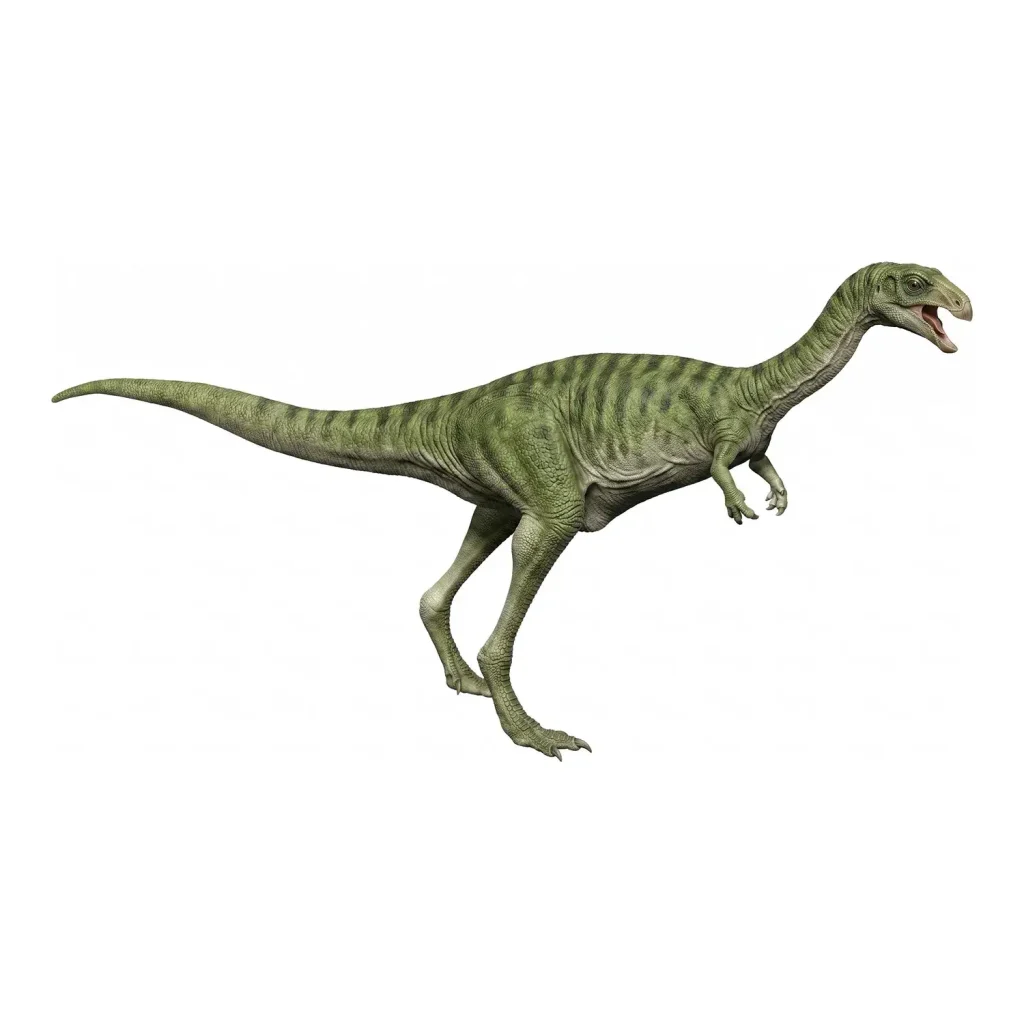
- Limusaurus
- Classification
- Theropods
- Characteristics
- Herbivorous
- Era
- Jurassic period
-
Sponsored Links
-
Sponsored Links









![[Latest Research] What Was the Function of Spinosaurus's Giant "Sail"? Exploring the Mysteries of Thermoregulation and Underwater Locomotion](https://dinosaurmuseum.jp/wp/wp-content/uploads/eyecatch_spinosaurus-sail-function_en-1024x512.webp)
![[Latest Discovery] A Third Type of Skin, Neither Scales Nor Feathers? Meet "Haolong dongi," a New Dinosaur Species Covered Entirely in Spikes](https://dinosaurmuseum.jp/wp/wp-content/uploads/eyecatch_dinosaur-spiky-skin-discovery_en-1024x512.webp)



Description
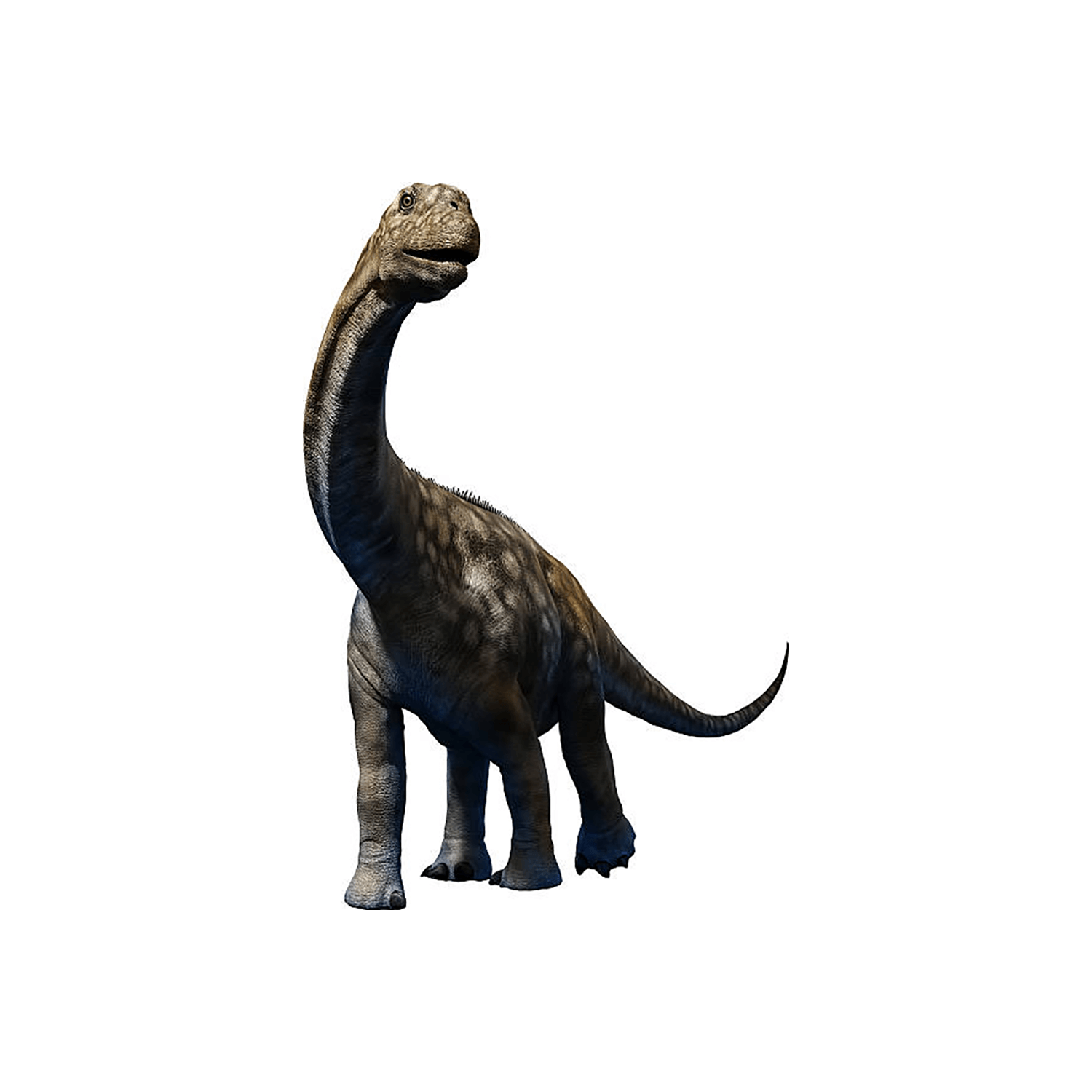
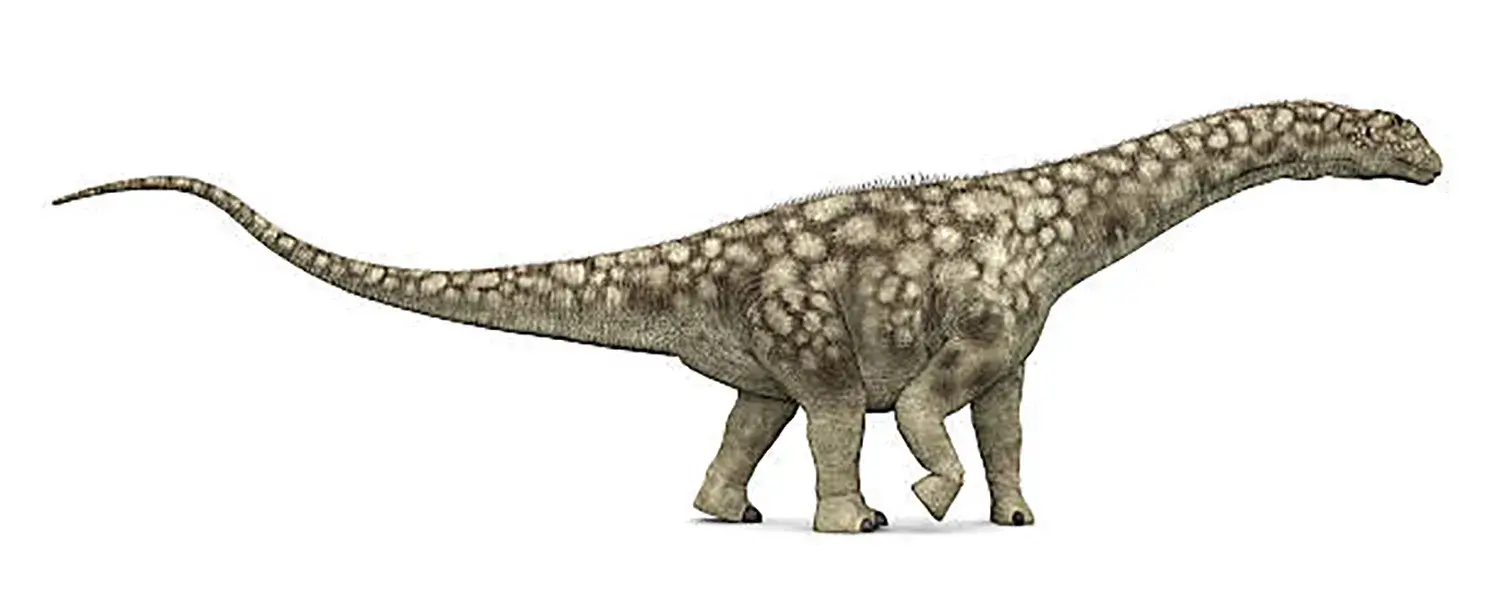
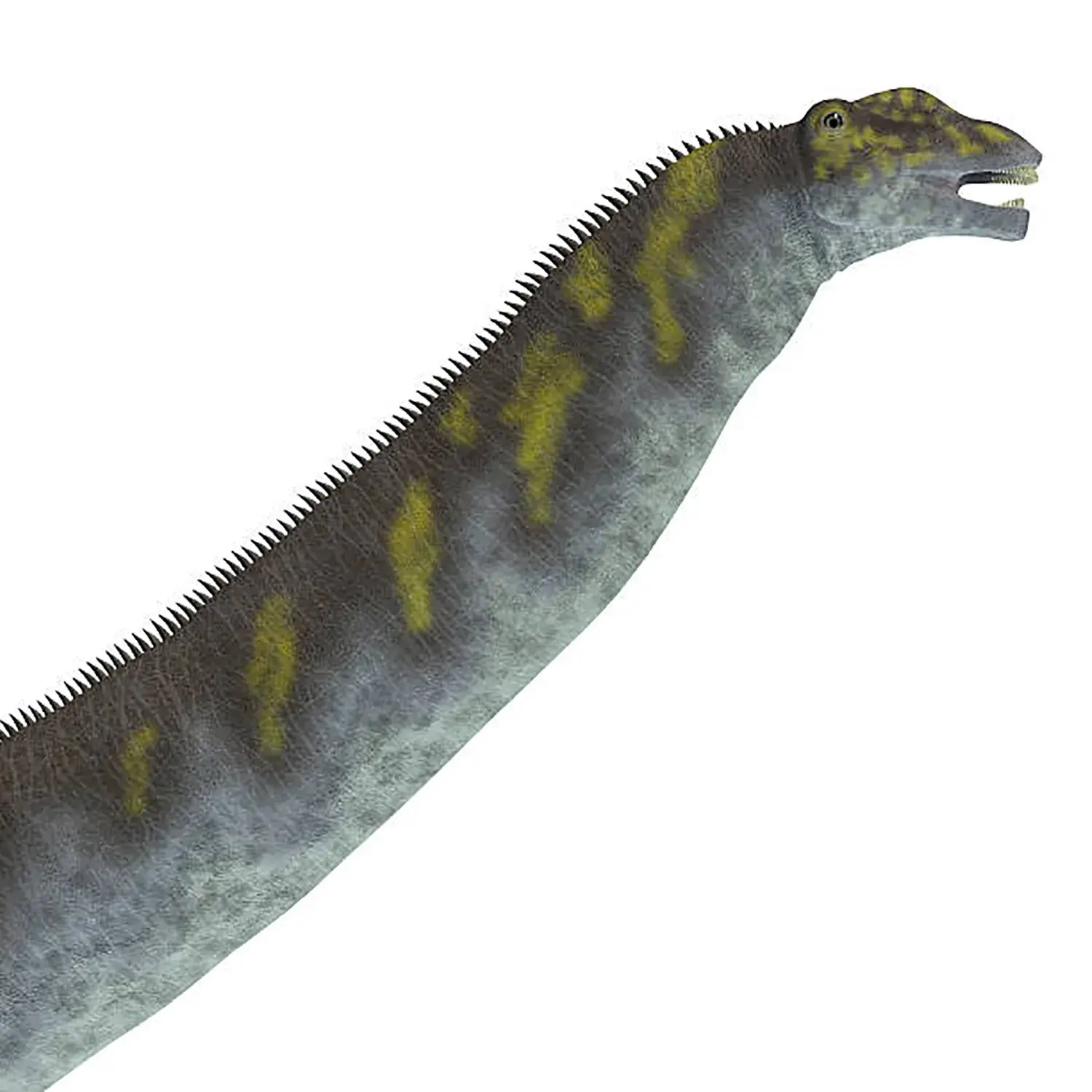
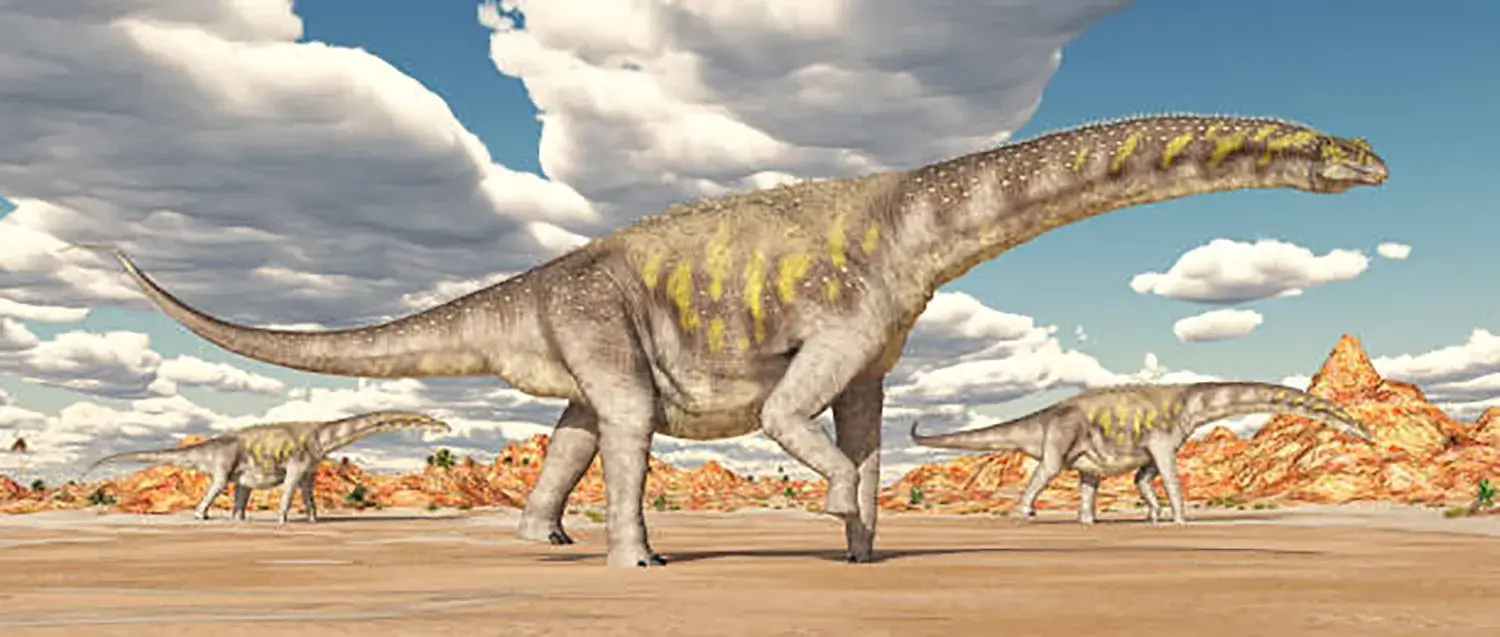
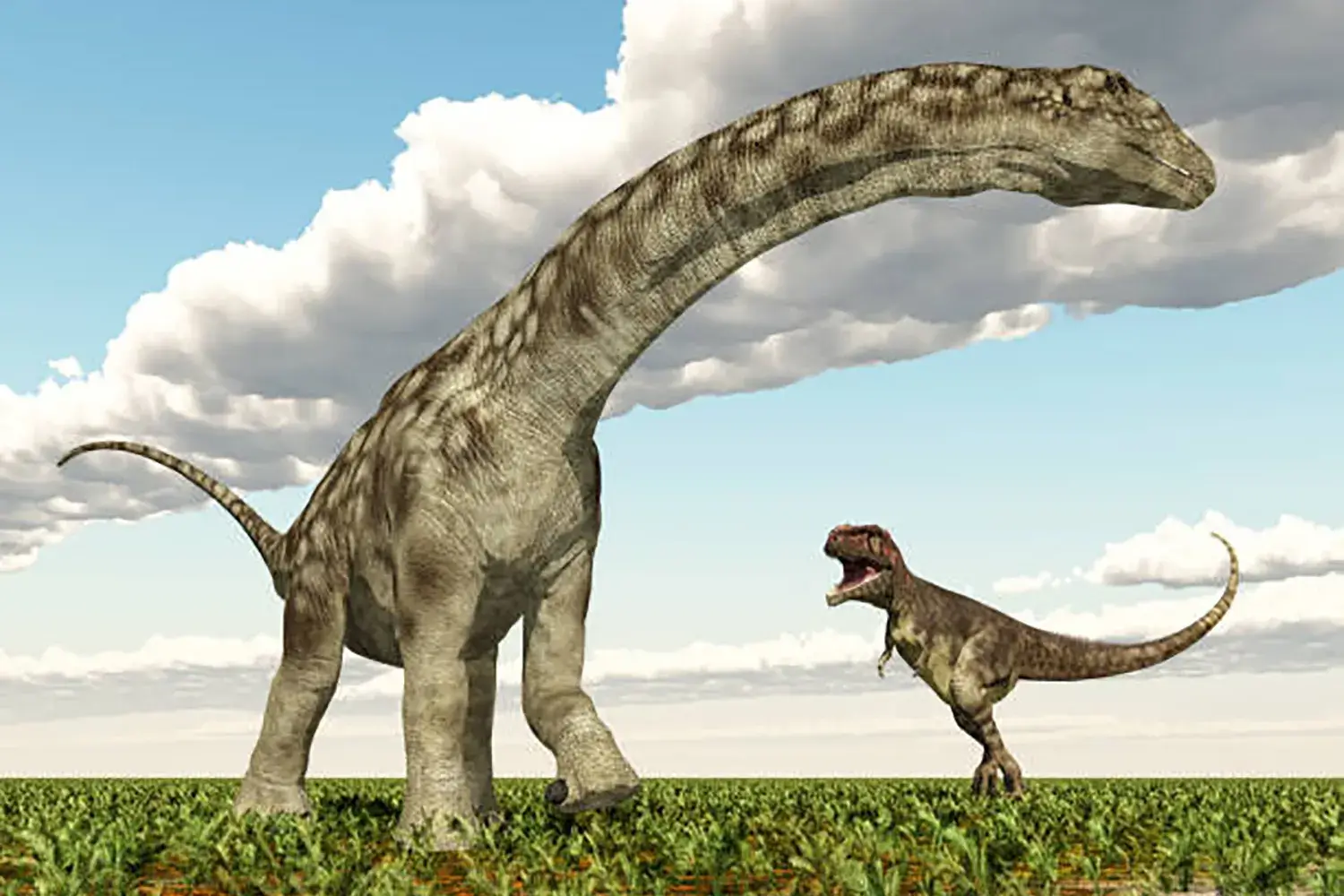
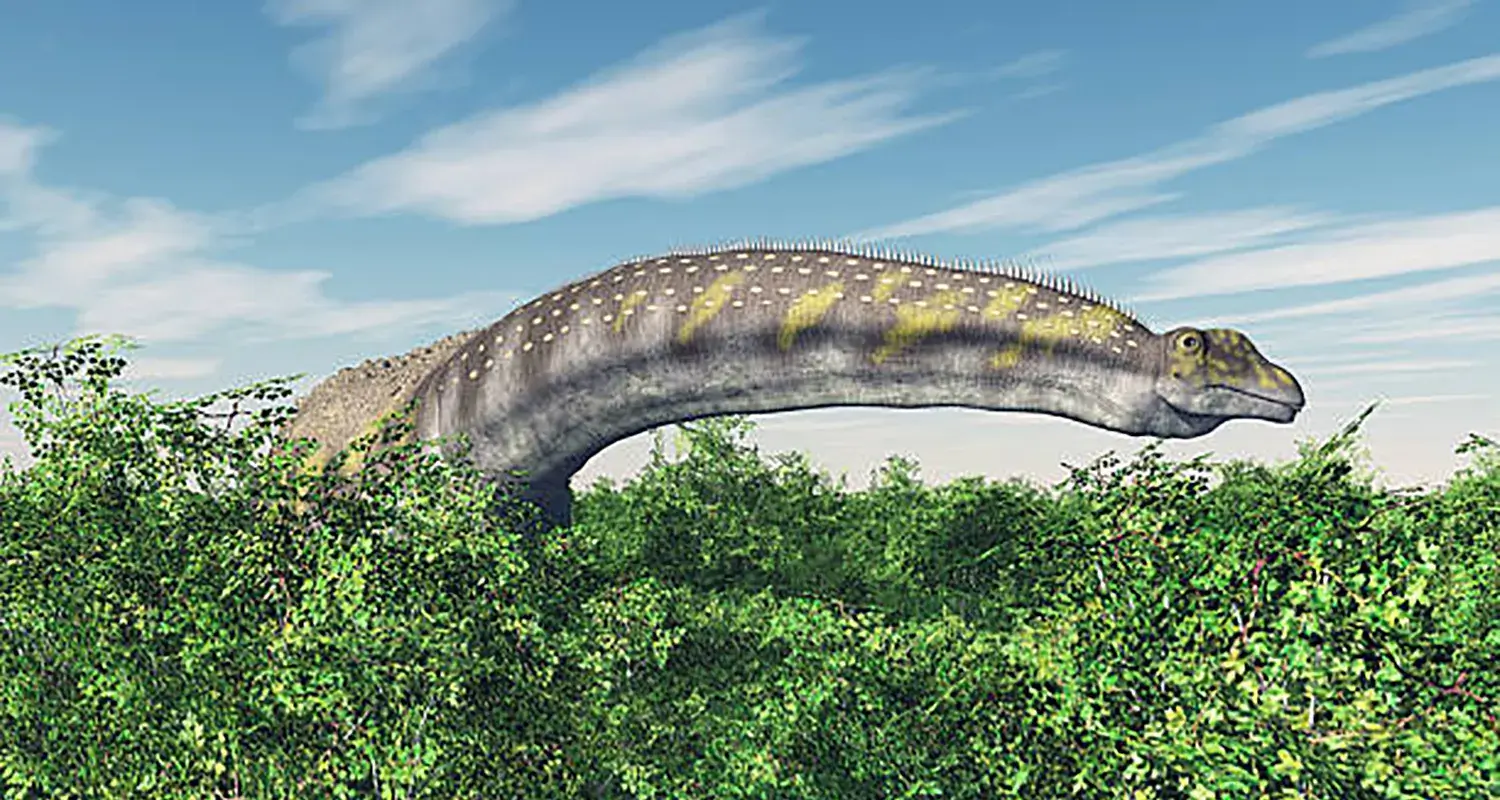
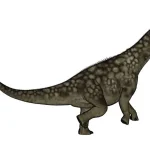
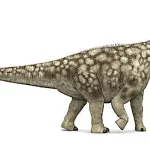
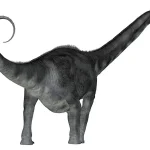
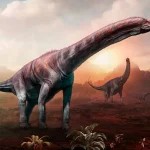
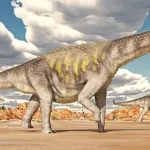
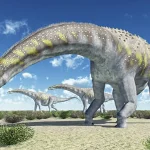
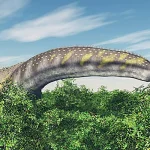
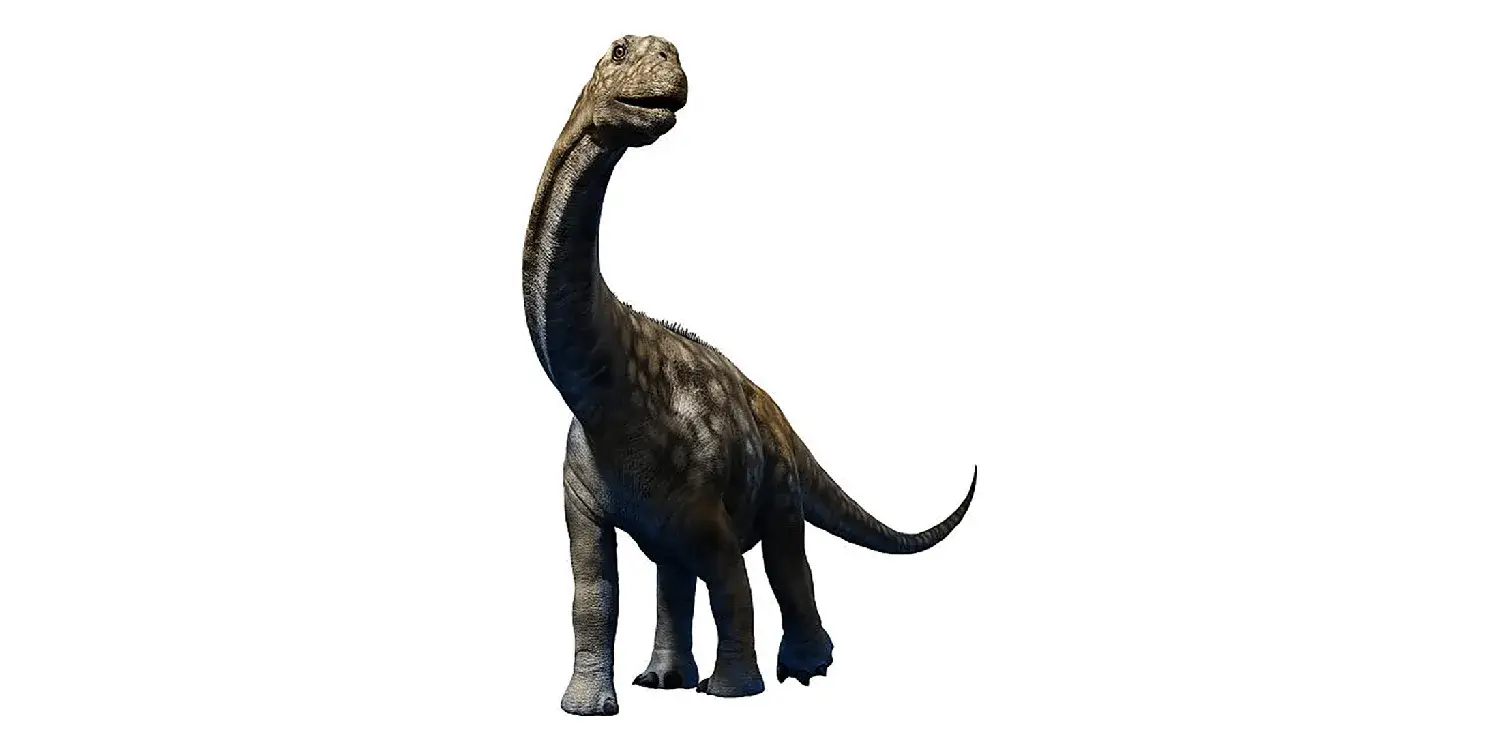
Argentinosaurus is a sauropodomorph that lived on the South American continent during the Cretaceous period and is considered to have been the largest land animal in Earth’s history.
Its scientific name means “Argentine lizard,” named after the country where it was discovered.
Previously, Jurassic dinosaurs like Brachiosaurus and Apatosaurus were famous as giant sauropodomorphs, but Argentinosaurus far exceeded them with its extraordinary size, sending a massive shockwave through the paleontological community.
Considered to have been the largest land animal in Earth’s history
The Quest for Overwhelming Immensity: The Truth Told by Fragmentary Fossils
The most important element when discussing Argentinosaurus is its unbelievable body size.
Its estimated total length is 35 to 45 meters, and its weight ranges from 60 to 100 tons, which is said to be equivalent to 20 modern Indian elephants.
This far surpasses Brachiosaurus (about 25 meters), which had long been considered the longest, making it a size comparable to a modern blue whale.
However, this astonishing size is estimated from limited fossils.
What was discovered in Neuquén Province, Argentina, in 1993 were only highly fragmentary parts, such as sections of the spine, limb bones, incomplete ribs, and a sacrum.
Even so, the enormity of these partial bones is extraordinary.
A single dorsal vertebra (backbone) measured 130 to 160 cm in length, and the tibia reached 155 cm.
Among them were vertebrae exceeding 1.2 meters in height.
Scientists estimated the full picture and exact size of Argentinosaurus by comparing and analyzing these fragmentary fossils with closely related species for which more complete skeletons have been found, especially Patagotitan.
Through this method, they derived the staggering figures of a body length of about 30 to 35 meters and a weight of 60 to 83 tons (equivalent to 10 African elephants).
In the early days of Argentinosaurus research in 1994, renowned paleontologist Gregory Paul estimated its total length at 30 to 35 meters and its weight at 80 to 100 tons.
Additionally, in 2004, its weight was calculated at 83 tons based on a skeletal specimen housed in an Argentine museum.
In this way, while estimates vary among researchers, the conclusion that Argentinosaurus is one of the largest land animals in history remains unshaken in every theory.
It is estimated that the height it reached when raising its neck to the limit was 21 meters, tall enough to reach the fifth-floor window of a building.
Ecology and Biological Limits Due to Its Immense Size
The massive body of Argentinosaurus also had a major impact on its lifestyle.
Just by walking, they caused the earth to rumble, and these vibrations sometimes alerted predators to their presence.
In China, “pitfall fossils” have been found, where it is believed that small creatures fell into the deep holes left by the footprints of giant dinosaurs walking, much like Argentinosaurus.
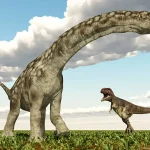
However, because of its extraordinary size, predators could not easily mess with it.
It is thought that even large carnivorous dinosaurs living in the same region at the time, such as Giganotosaurus and Mapusaurus, found it almost impossible to attack a fully grown individual.
They could only target old and weakened individuals, juveniles, or when multiple predators cooperated.
Predators could not easily mess with it
To maintain such a massive body, a corresponding amount of food was essential.
Additionally, a powerful pump (heart) was needed to send oxygen throughout the body, and the massive size of Argentinosaurus is often said to be “perhaps the size limit for an animal to survive on land.”
In a study conducted in 2013, the walking speed of Argentinosaurus was estimated to be about 7 km/h, indicating that they lived their lives walking calmly and slowly.
The Secrets of Astonishing Growth and Reproduction
It is said that Argentinosaurus took about 40 years to fully grow.
Research has also shown that during its peak growth period, its weight increased by up to 40 kg per day.
In 1997, a massive nesting ground where tens of thousands of fossilized Argentinosaurus eggs were found was discovered in the Patagonia region of Argentina.
Extremely well-preserved embryos were left inside some of the eggs, revealing that their teeth were fully developed so they could eat food immediately after birth.
It is speculated that Argentinosaurus inhabited vast forest areas and open grasslands, migrating over wide areas to consume massive amounts of plants.
Migrated over wide areas to consume massive amounts of plants
In the Patagonia region of southern South America where they were found, fossils of other giant dinosaurs, including Giganotosaurus, have been discovered one after another.
Unresolved Full Picture and Future Prospects
Although Argentinosaurus is famous as one of the largest land animals in history, as mentioned earlier, only highly fragmentary fossils of it have been discovered.
Therefore, many mysteries still remain regarding its full picture.
In 2014, fossils of a large new species of dinosaur that could potentially surpass Argentinosaurus in size were discovered, sending shockwaves through the paleontological community once again.
Although it has not yet been given an official scientific name, this has attracted attention as a discovery that could shake Argentinosaurus’s title as the “world’s largest.”
However, this does not diminish the value of Argentinosaurus.
The fact that scientists unraveled the appearance of an unimaginably massive creature from its fragmentary bones is an event that symbolizes the wonder of paleontology.
Even today, the excavation of new fossils is highly anticipated in Argentina, and if a full skeleton is discovered, the complete picture of this great dinosaur will be revealed, making its position as the “world’s most gigantic” even more unshakeable.