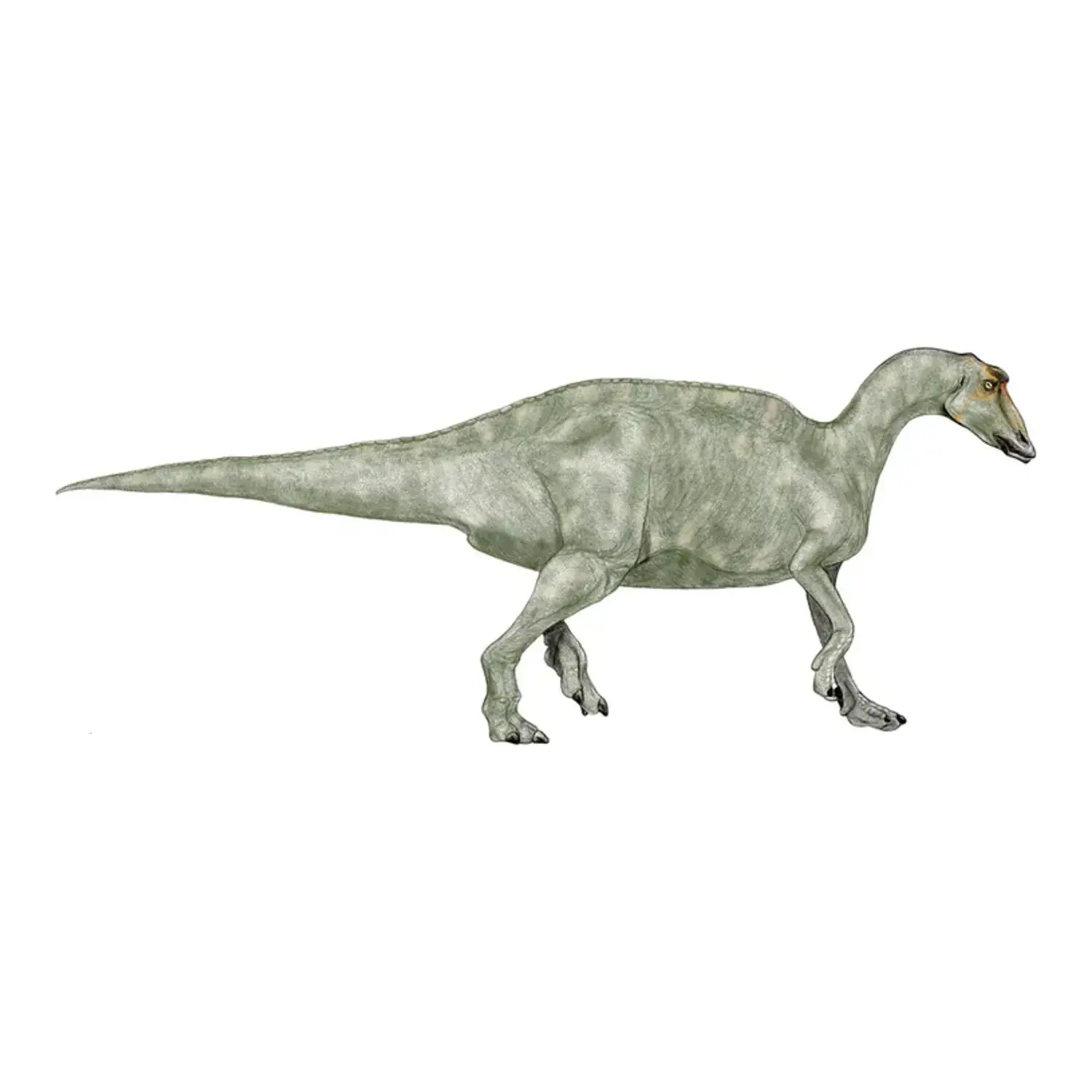
Prosaurolophus
Name Origin
Early Saurolophus
Family
Hadrosauridae
Classification
Diapsida, Ornithischia, Ornithopoda
Habitat (Discovery Location)
United States, Canada
Period
Approximately 76–75 million years ago (Late Cretaceous)
Length
Approximately 8–9 meters
Weight
Approximately 2.5 tons
Diet
Herbivore
You might also like... 

-
 Thescelosaurus
- Classification
- Ornithischia
- Characteristics
- Herbivorous
- Era
- Cretaceous period
- Tuojiangosaurus
- Classification
- Thyreophora
- Characteristics
- Herbivorous
- Era
- Jurassic period
- Proceratosaurus
- Classification
- Theropods
- Characteristics
- Carnivorous
- Era
- Jurassic period
- Maiasaura
- Classification
- Ornithopoda
- Characteristics
- Herbivorous
- Era
- Cretaceous period
-
Sponsored Links
-
Sponsored Links




![[Latest Research] What Was the Function of Spinosaurus's Giant "Sail"? Exploring the Mysteries of Thermoregulation and Underwater Locomotion](https://dinosaurmuseum.jp/wp/wp-content/uploads/eyecatch_spinosaurus-sail-function_en-1024x512.webp)
![[Latest Discovery] A Third Type of Skin, Neither Scales Nor Feathers? Meet "Haolong dongi," a New Dinosaur Species Covered Entirely in Spikes](https://dinosaurmuseum.jp/wp/wp-content/uploads/eyecatch_dinosaur-spiky-skin-discovery_en-1024x512.webp)

Description
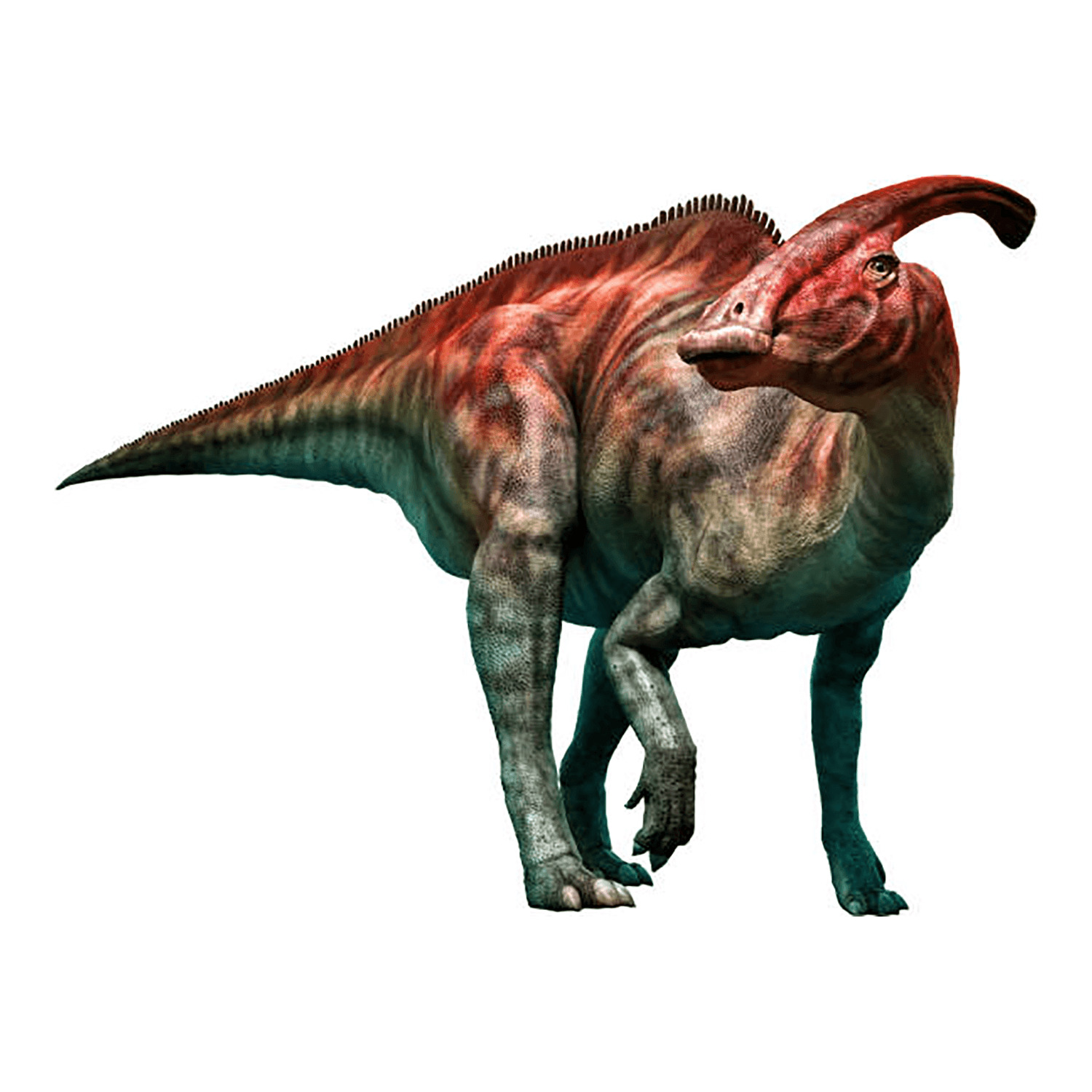
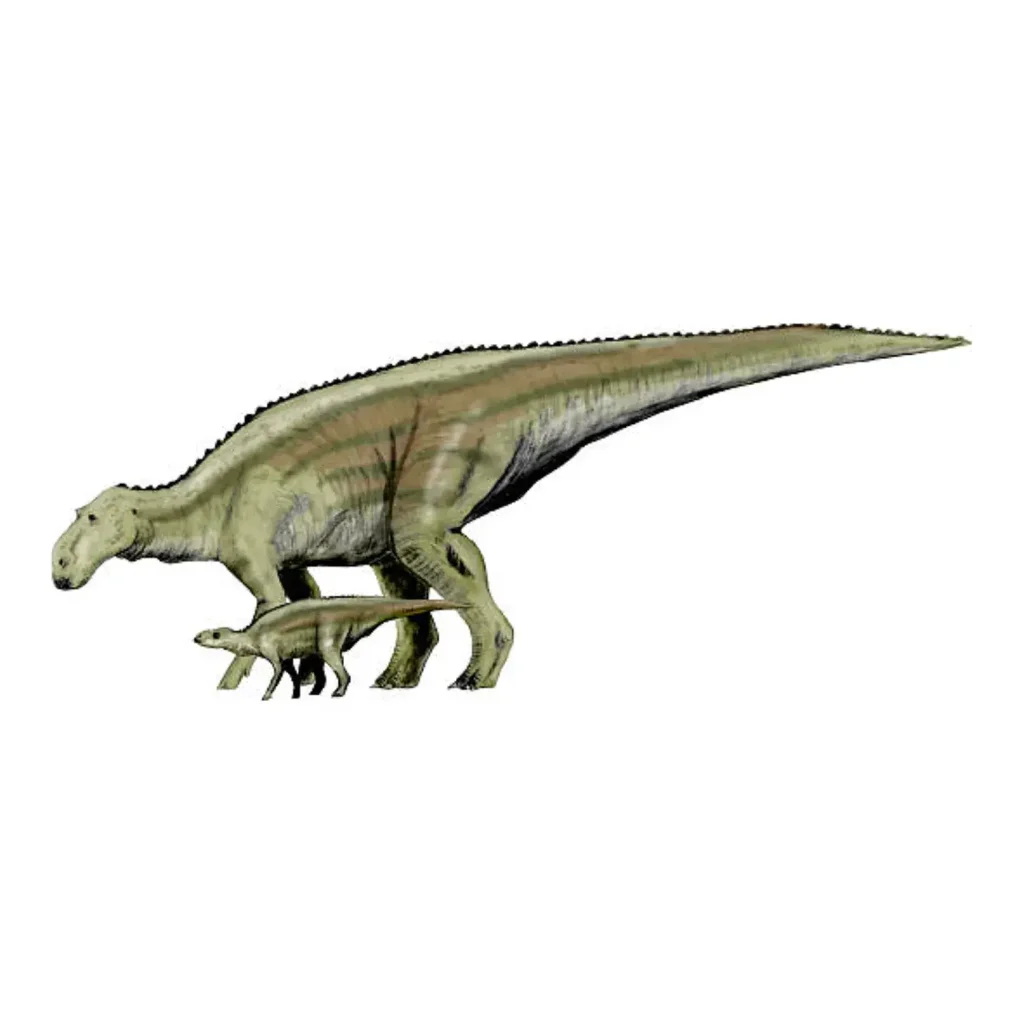
The duck-billed dinosaurs (Hadrosauridae) were the most prosperous group in Late Cretaceous North America.
Among them, there is a dinosaur with a slightly confusing name: “Prosaurolophus.”
Its name means “early Saurolophus,” but in reality, it looked remarkably like a different dinosaur.
Named “Saurolophus” but Resembles “Edmontosaurus”?
The scientific name Prosaurolophus attaches the prefix “Pro” (meaning before) to “Saurolophus,” literally translating to “early Saurolophus” (or prior Saurolophus).
It was named by the famous paleontologist Barnum Brown, five years after the discovery of Saurolophus.
Gap in Appearance
Contrary to its name, it does not resemble Saurolophus very much.
While Saurolophus possessed a long, pointed crest extending from the back of its head, the crest of Prosaurolophus was small and modest.
In fact, its actual appearance was much closer to “Edmontosaurus,” a fellow member of the Hadrosauridae family.
It was a large species measuring 8 to 9 meters in length, featuring a tall facial structure.
The Role of the Small “Shoehorn-like” Crest
The most distinctive feature of Prosaurolophus is the small, “shoehorn-shaped” crest situated in front of its eyes.
It is believed that this seemingly plain bony protuberance played an important role.
Appeal to the Opposite Sex and Acoustic Effects
The areas on both sides of the crest (the sides of the face) are slightly concave, suggesting they may have been covered by soft tissue (muscles or skin sacs) in life.
They likely inflated these sacs for visual display or used them to resonate sound and produce distinctive calls.
The crest tended to extend backward with age, so a magnificent crest may have been a status symbol for being “popular” during the breeding season.
Thriving in Arid Lands! Dental Batteries and Good Preservation
They were a highly successful dinosaur, and to date, more than 25 skeletons (including well-preserved ones) have been discovered.
Life in Arid Regions
One reason the fossils remained in such beautiful condition is the possibility that they lived in “arid regions” away from rivers.
This would mean they were less likely to be washed away by river floods.
Efficient Feeding System
In the back of their mouths, they possessed a “dental battery” consisting of hundreds of densely packed teeth.
This allowed them to grind down tough vegetation, and their high adaptability—being able to eat plants up to 4 meters high—led to their prosperity.