Utahraptor




Name Origin
Utah's Thief (Named after the state of Utah)
Family
Dromaeosauridae
Classification
Diapsida, Saurischia, Theropoda
Habitat (Discovery Location)
United States
Period
Approximately 139–134.6 million years ago (Early Cretaceous)
Length
Approximately 4.7–5.5 meters
Weight
Approximately 700 kg
Diet
Carnivore (Meat-eater)
You might also like... 

-
 Khankhuuluu
- Classification
- Theropods
- Characteristics
- Carnivorous
- Era
- Cretaceous period
- Nyasasaurus
- Classification
- Ornithischia
- Characteristics
- Carnivorous
- Herbivorous
- Omnivorous
- Era
- Triassic period
- Dimorphodon
- Classification
- Flying reptiles
- Characteristics
- Carnivorous
- Era
- Jurassic period
- Corythosaurus
- Classification
- Ornithopoda
- Characteristics
- Herbivorous
- Era
- Cretaceous period
-
Sponsored Links
-
Sponsored Links



![[Latest Research] What Was the Function of Spinosaurus's Giant "Sail"? Exploring the Mysteries of Thermoregulation and Underwater Locomotion](https://dinosaurmuseum.jp/wp/wp-content/uploads/eyecatch_spinosaurus-sail-function_en-1024x512.webp)
![[Latest Discovery] A Third Type of Skin, Neither Scales Nor Feathers? Meet "Haolong dongi," a New Dinosaur Species Covered Entirely in Spikes](https://dinosaurmuseum.jp/wp/wp-content/uploads/eyecatch_dinosaur-spiky-skin-discovery_en-1024x512.webp)

Description
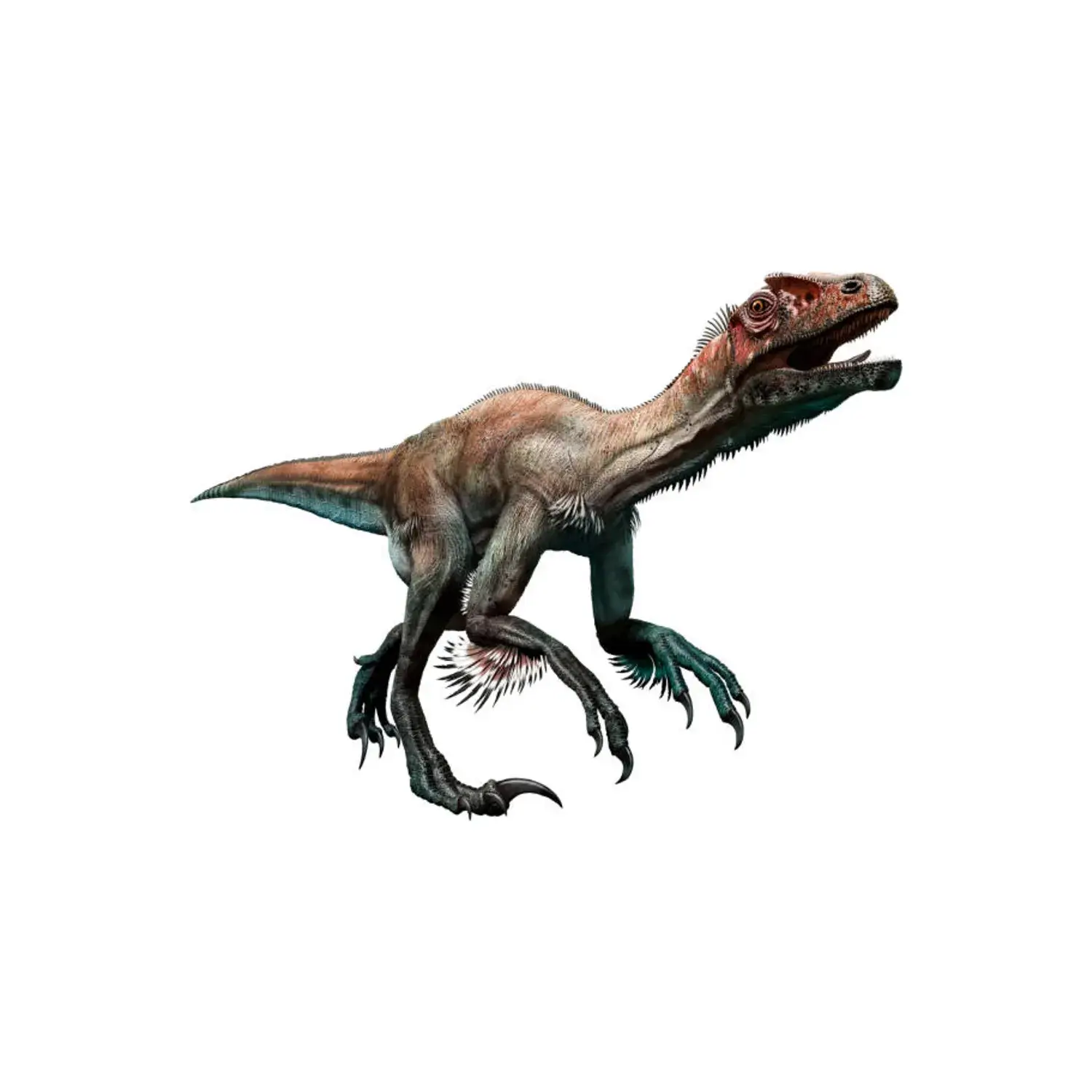
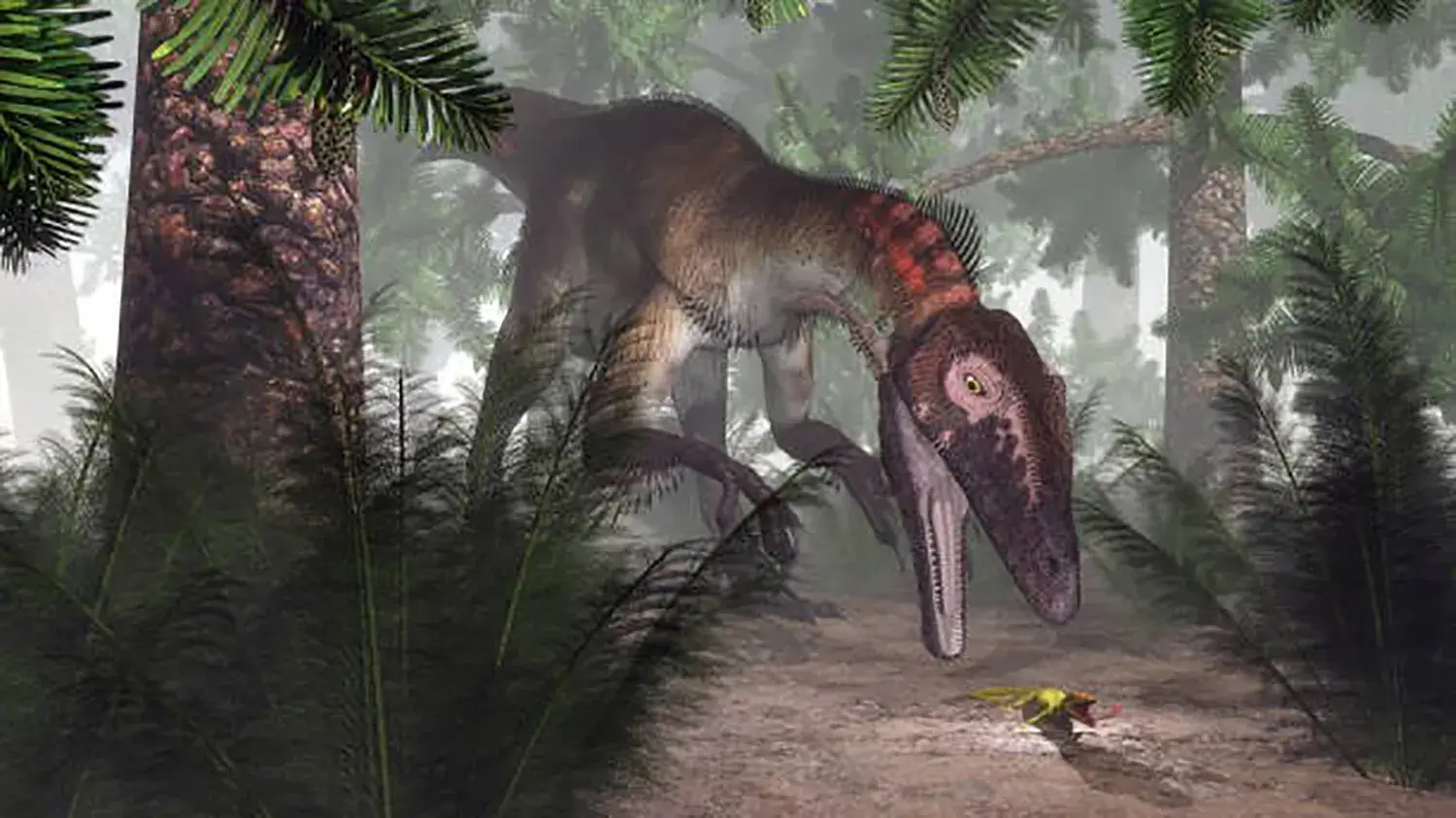
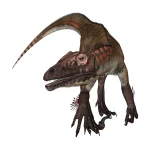
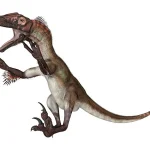
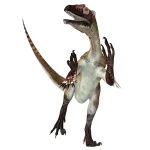
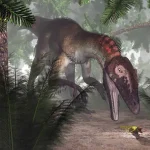
Raptors (Dromaeosauridae), familiar from the movie Jurassic Park, are typically imagined as agile speed hunters, but there was an unconventional monster that defied this norm.
It is “Utahraptor.”
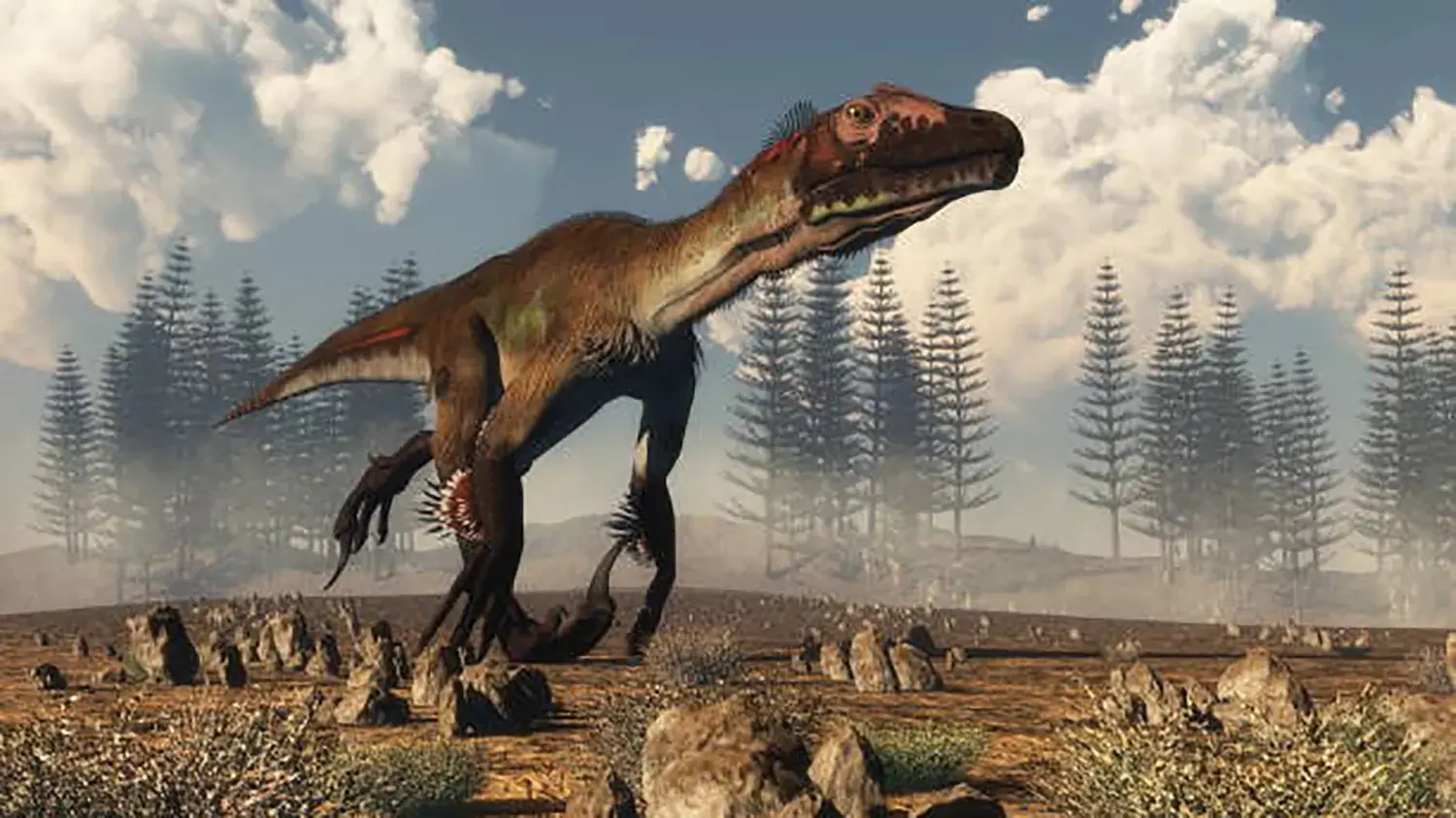
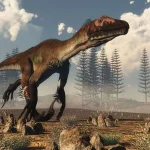
Reigning in North America during the Early Cretaceous, this dinosaur boasted the largest size in its group. It was a maverick that evolved for “overwhelming power” rather than agility.
10 Times Heavier Than Deinonychus? An Unconventional Giant Raptor
Utahraptor is the largest species of the Dromaeosauridae (raptors).
Its sheer size set it apart from its relatives.
Heavyweight Physique
This is more than twice the length of the famous Deinonychus, and the weight difference is overwhelming—more than ten times heavier.
Current reconstructions suggest that despite its massive size, its body was covered in feathers.
Legs Thicker Than Allosaurus
They were not “agile sprinters.”
Surprisingly, their leg bones were twice as thick as those of Allosaurus, a much larger carnivorous dinosaur.
Its leg bones were twice as thick as those of Allosaurus
It was a “power fighter” built like a mass of muscle. Rather than agilely chasing prey, it likely specialized in ambushing from bushes or using its massive body and brute strength to subdue prey instantly.
A 23cm Weapon! The Giant “Sickle Claw”
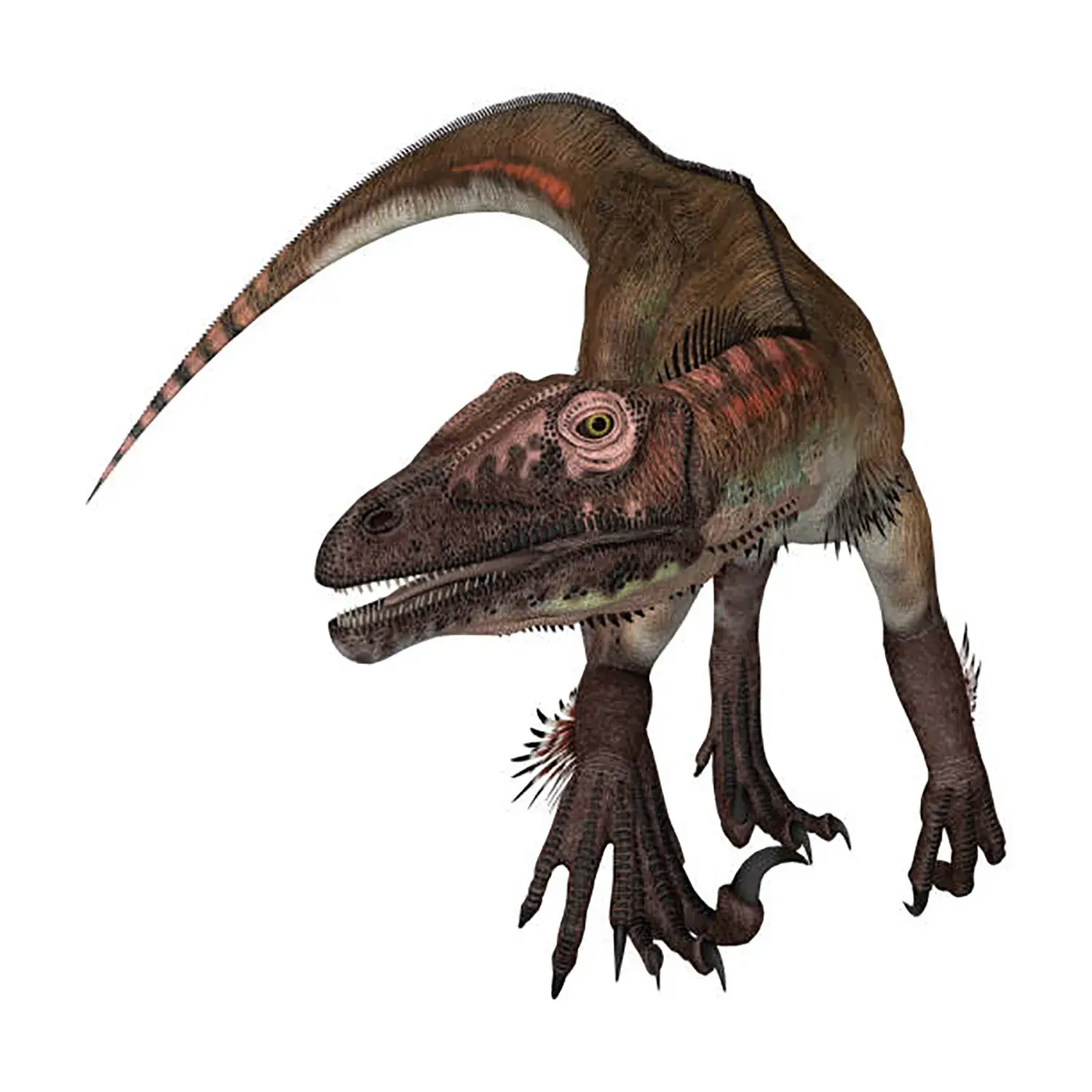
Synonymous with Utahraptor is the massive “sickle claw” located on the second toe of its hind limbs.
Its trademark feature is the massive “sickle claw” on the second toe of its hind limb
Overwhelming Lethality
It measures an astounding 23 cm in length.
It is a sharp blade about the size of a human head.
Using its powerful legs to pounce, it would drive this claw into prey to inflict fatal wounds or dig into the throat to kill.
Additionally, its hands possessed three long fingers with sharp claws, and it could rotate its wrists to firmly pin down prey.
Did They Hunt in Packs? The Mystery of the “Group Fossil”
The most debated aspect of Utahraptor ecology is its “social behavior.”
Since its discovery in 1991, various theories have been proposed based on the fossil evidence.
Theory 1: The Wolf-like “Pack Hunting” Theory
Because 6 to 7 individuals of different ages were found together, and fossils of Iguanodon-type dinosaurs were nearby, it was once thought that they “cooperated in packs to hunt giant prey (such as Gastonia or Cedarosaurus).”
Theory 2: The “Death Trap” Theory
However, recent research has suggested a grimmer theory.
Following indications that its close relative Deinonychus may have been solitary, the view has emerged that the Utahraptor group fossil might be the result of a “death trap”—where individuals jumped one after another onto prey stuck in quicksand, only to become trapped themselves.
While the truth is unknown, there is no doubt that they were apex predators threatening the ecosystem of that time.
Discovery and Origin of the Name
Utahraptor fossils were discovered in 1991 in the “Cedar Mountain Formation” in Utah, USA.
The scientific name “Utahraptor ostrommaysi” is a dedication to the following three elements: