
Zephyrosaurus
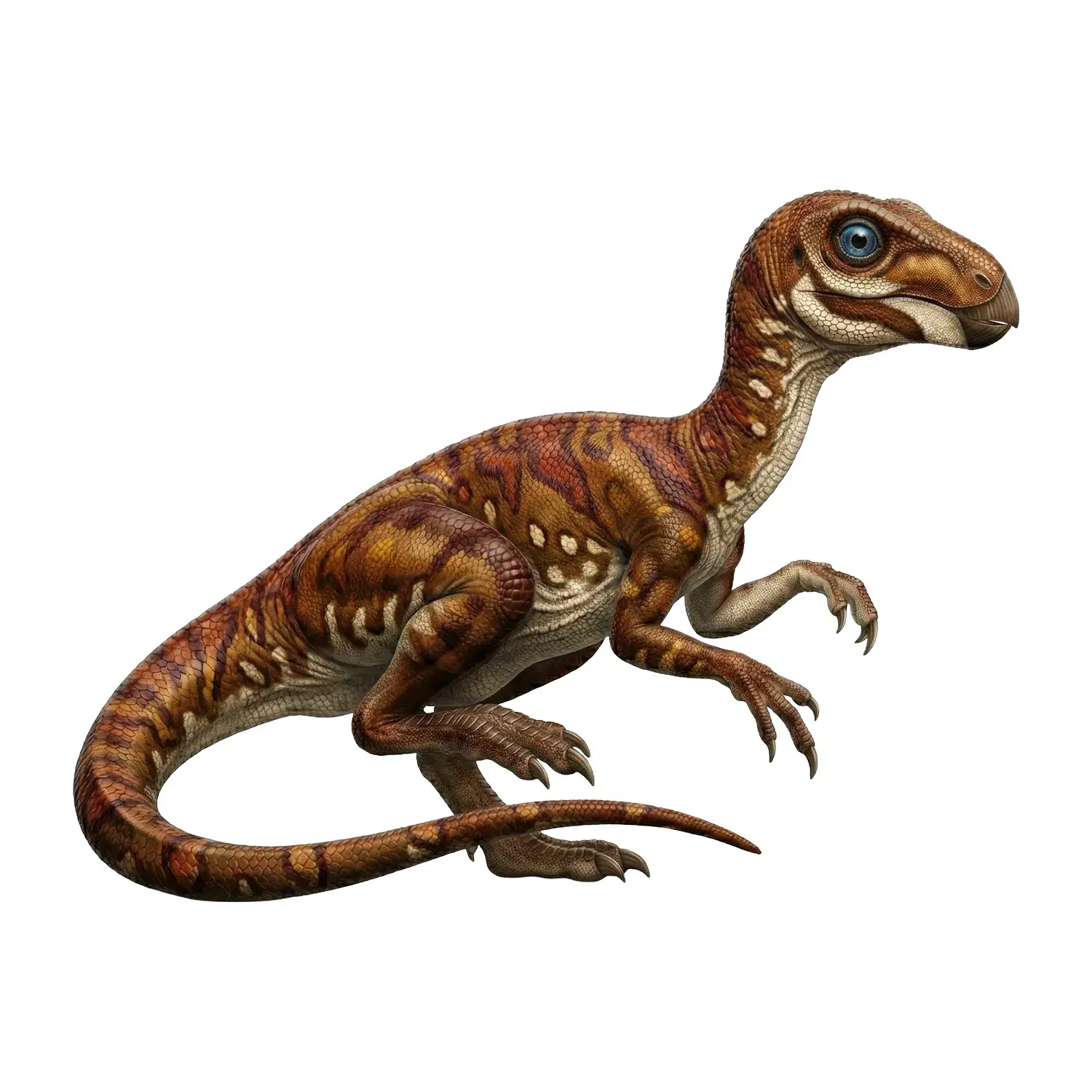
Name Origin
West wind lizard
Family
Hypsilophodontidae
Classification
Diapsida, Ornithischia, Ornithopoda
Habitat (Discovery Location)
United States
Period
Early Cretaceous
Length
Approximately 1.8 meters
Diet
Herbivore (Plant-eater)
You might also like... 

-
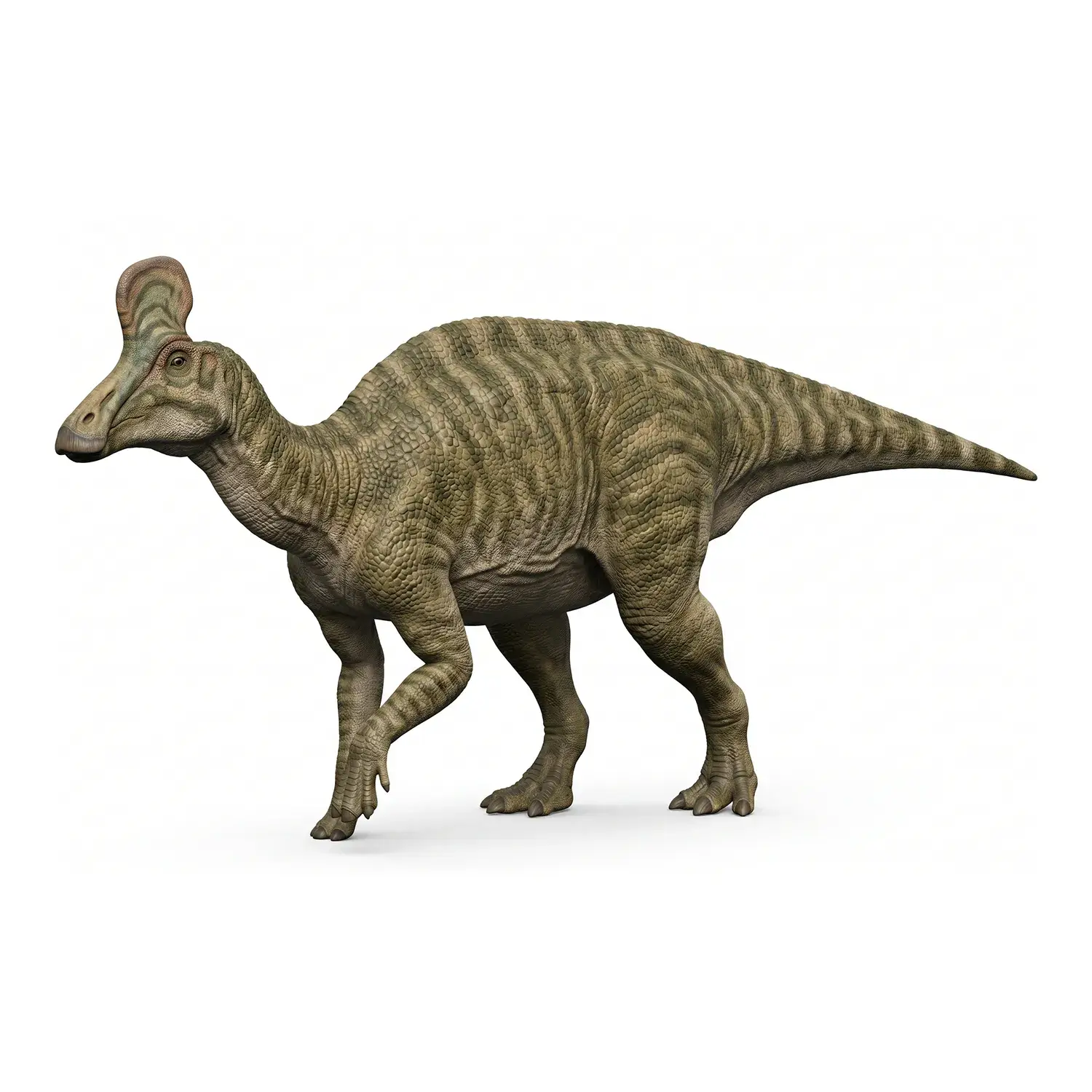
 Saurolophus
- Classification
- Ornithopoda
- Characteristics
- Herbivorous
- Era
- Cretaceous period
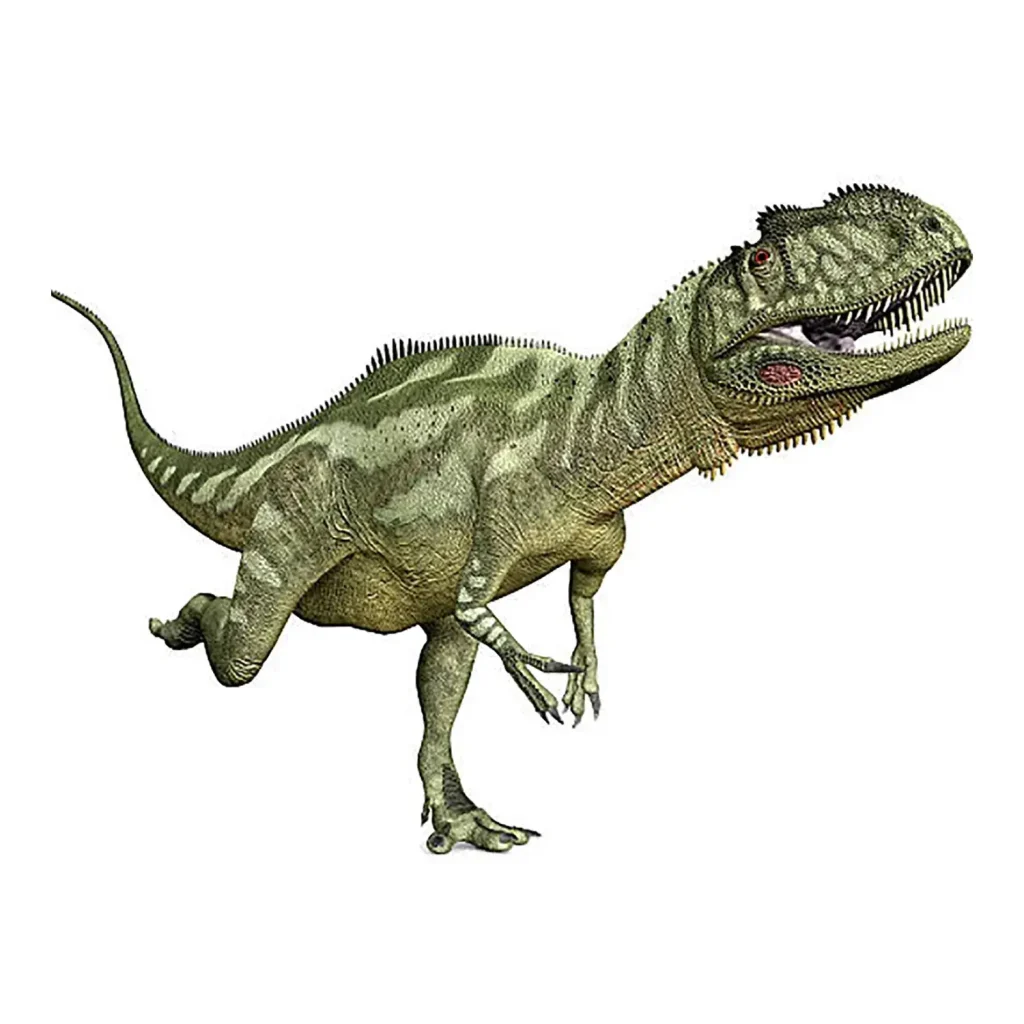
- Yangchuanosaurus
- Classification
- Theropods
- Characteristics
- Carnivorous
- Era
- Jurassic period
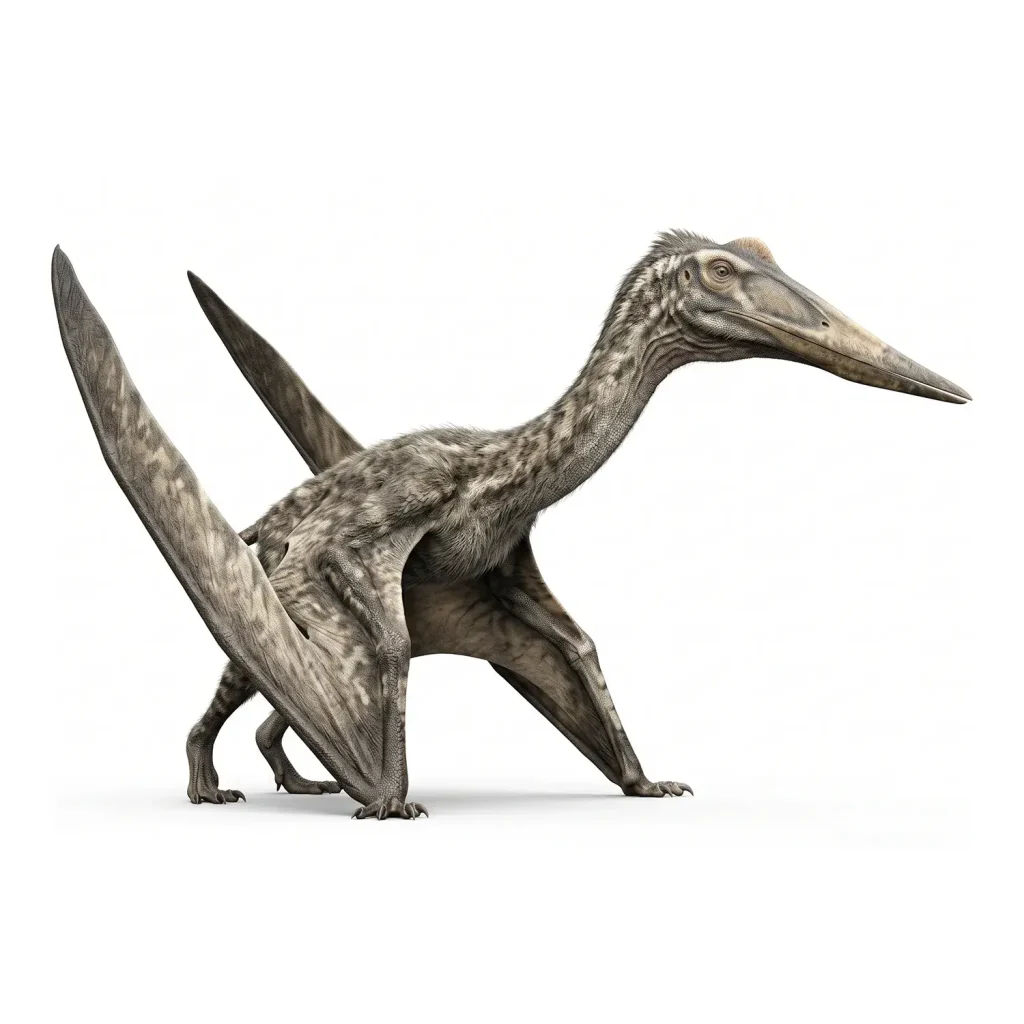
- Cryodrakon
- Classification
- Flying reptiles
- Characteristics
- Carnivorous
- Era
- Cretaceous period
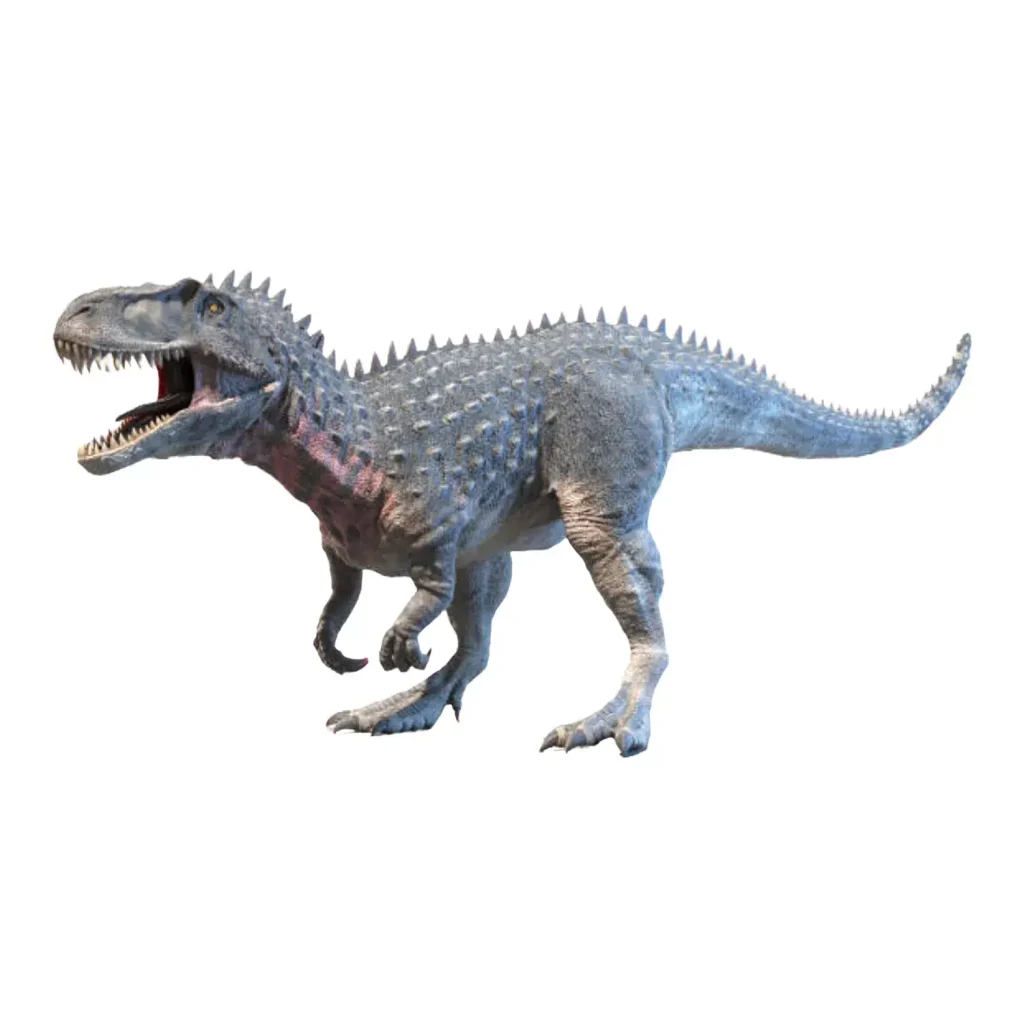
- Torvosaurus
- Classification
- Theropods
- Characteristics
- Carnivorous
- Era
- Jurassic period
-
Sponsored Links
-
Sponsored Links









![[Latest Research] What Was the Function of Spinosaurus's Giant "Sail"? Exploring the Mysteries of Thermoregulation and Underwater Locomotion](https://dinosaurmuseum.jp/wp/wp-content/uploads/eyecatch_spinosaurus-sail-function_en-1024x512.webp)
![[Latest Discovery] A Third Type of Skin, Neither Scales Nor Feathers? Meet "Haolong dongi," a New Dinosaur Species Covered Entirely in Spikes](https://dinosaurmuseum.jp/wp/wp-content/uploads/eyecatch_dinosaur-spiky-skin-discovery_en-1024x512.webp)


Description
“Zephyrosaurus”—a name with a very cool ring to it, derived from Zephyrus, the Greek god of the west wind in mythology.
This dinosaur, whose name means “West wind lizard,” is a small ornithopod (family Hypsilophodon) that made its home in the Americas during the Early Cretaceous period.
Because the discovered fossils were so fragmentary, its appearance was shrouded in mystery for a long time.
However, recent discoveries of new fossils and footprints, along with research on closely related species, are gradually shedding light on what they looked like and how they lived.
“Facial Bumps” and Physical Characteristics Told by Fragmentary Fossils
The first specimen was discovered by Charles R. Schaff in Carbon County, Montana (Cloverly Formation) in the western United States, and was named as a new genus by paleontologist Hans-Dieter Sues.
The discovered holotype (specimen “MCZ 4392”) was extremely incomplete, consisting only of fragmentary jaws and a braincase (the bones enclosing the brain), along with some partial vertebrae and ribs.
However, even from those limited fossils, unique characteristics have been identified.
Small Body and Steep Face
Overall, it had a small build close to that of the Hypsilophodon family, but its facial structure had a steep slope.
Facial Protrusions
It is known that there were protrusions like “large raised bumps” (bosses) on the maxilla and jugal bones.
Cranial Kinesis
It has been pointed out that several bones making up the head were not fused, potentially giving it a structure capable of movement (cranial kinesis).
Teeth for Eating Plants
Like other members of the Hypsilophodon family, its beak had teeth meant for eating plants.
“Two New Discoveries” Unraveling the Mystery
Because the type specimen was so fragmentary, Zephyrosaurus did not attract much attention in the paleontological community.
However, entering the 2000s, two major turning points deepened our understanding.
1. 2003: Announcement of New Specimens Including Full-Body Parts
Martha Cutter presented findings based on research at the Sam Noble Oklahoma Museum of Natural History regarding new specimens.
Surprisingly, these new specimens included parts from all over the body, and fossils from at least seven individuals were confirmed.
This opened the door to elucidating its previously unknown physical structure.
2. 2004: Discovery of Footprint Fossils
R. Stanford and colleagues discovered dinosaur footprint fossils from the Patuxent Formation in Maryland and Virginia.
Named “Hypsiloichnus marylandicus,” these footprints are speculated to have been left by an animal closely related to Zephyrosaurus, based on an analysis of the limb proportions.
Survival Skills to Endure a Harsh Environment? The Mystery of Its “Burrowing” Ecology
When discussing the ecology of Zephyrosaurus, its relationship with closely related species is highly fascinating.
Due to the shared characteristic of having bumps (protrusions) on their cheeks, it has been suggested that Zephyrosaurus is closely related to a dinosaur named “Orodromeus” (*Note: there are cautious opinions regarding classification due to the insufficiency of the first specimen).
Furthermore, a dinosaur considered closely related to them, “Oryctodromeus,” is worthy of special mention.
Oryctodromeus shares several skeletal features with Zephyrosaurus and Orodromeus, and evidence has been discovered that it “lived by digging burrows.”
From these commonalities, it is thought possible that Zephyrosaurus also possessed features related to the ability or habit of digging burrows.
Around Montana from the mid to late Cretaceous, there existed a group of Hypsilophodon relatives that lived in underground burrows.
The small Zephyrosaurus, too, may have lived by digging holes to hide from predators and survive the harsh natural environment.
Expectations for Uncovering the Full Picture of the West Wind Lizard
Due to the scarcity of fossils, Zephyrosaurus has been labeled a “mysterious dinosaur where everything is unknown.”
However, through the study of new fossils and footprints, and comparisons with the ecology of closely related species, its unique true face—having bumps on its cheeks and possibly living in burrows dug in the ground—has gradually come into relief.
If more complete fossils are found in future excavations, the day will come when the full picture of this “West wind lizard” is revealed.