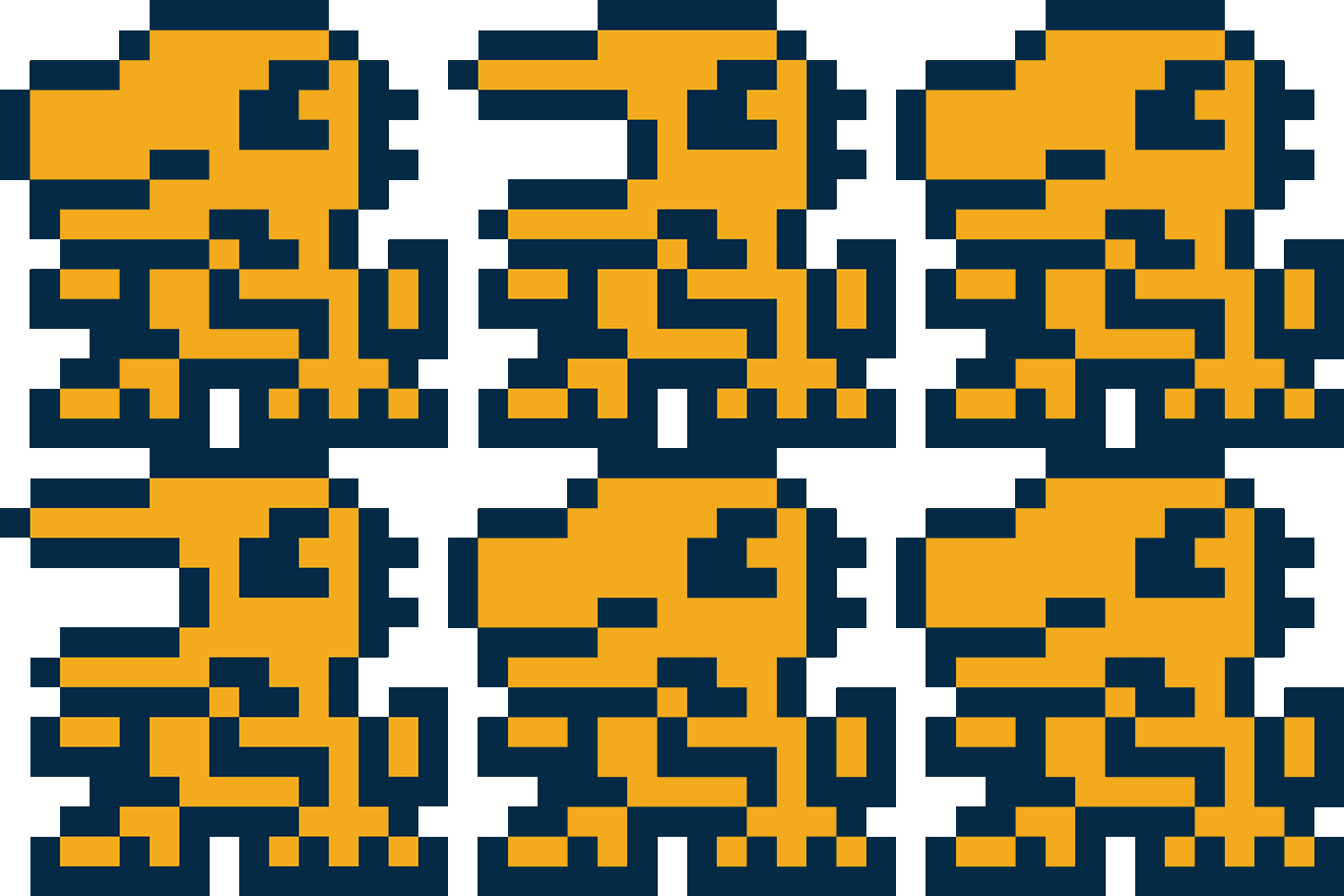
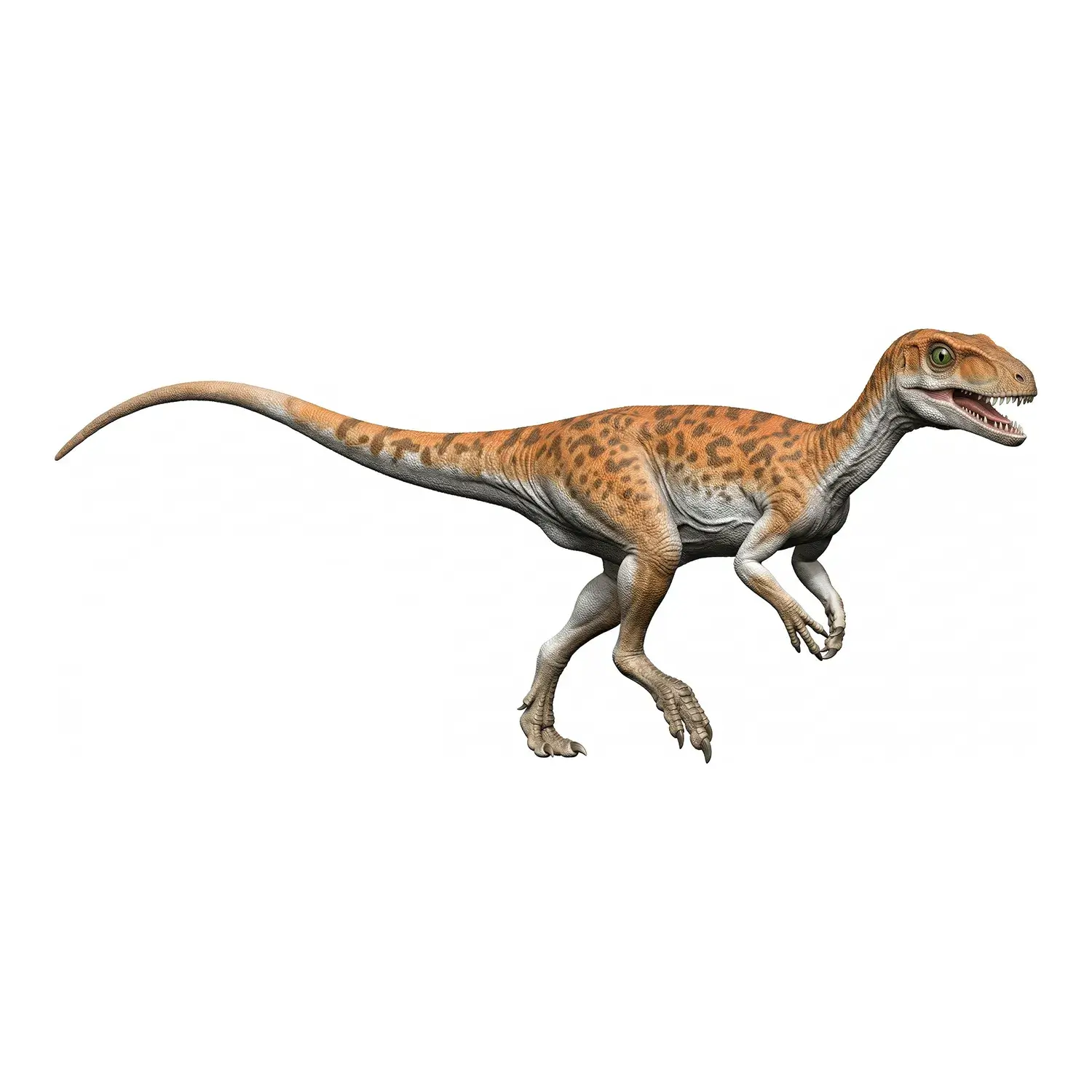
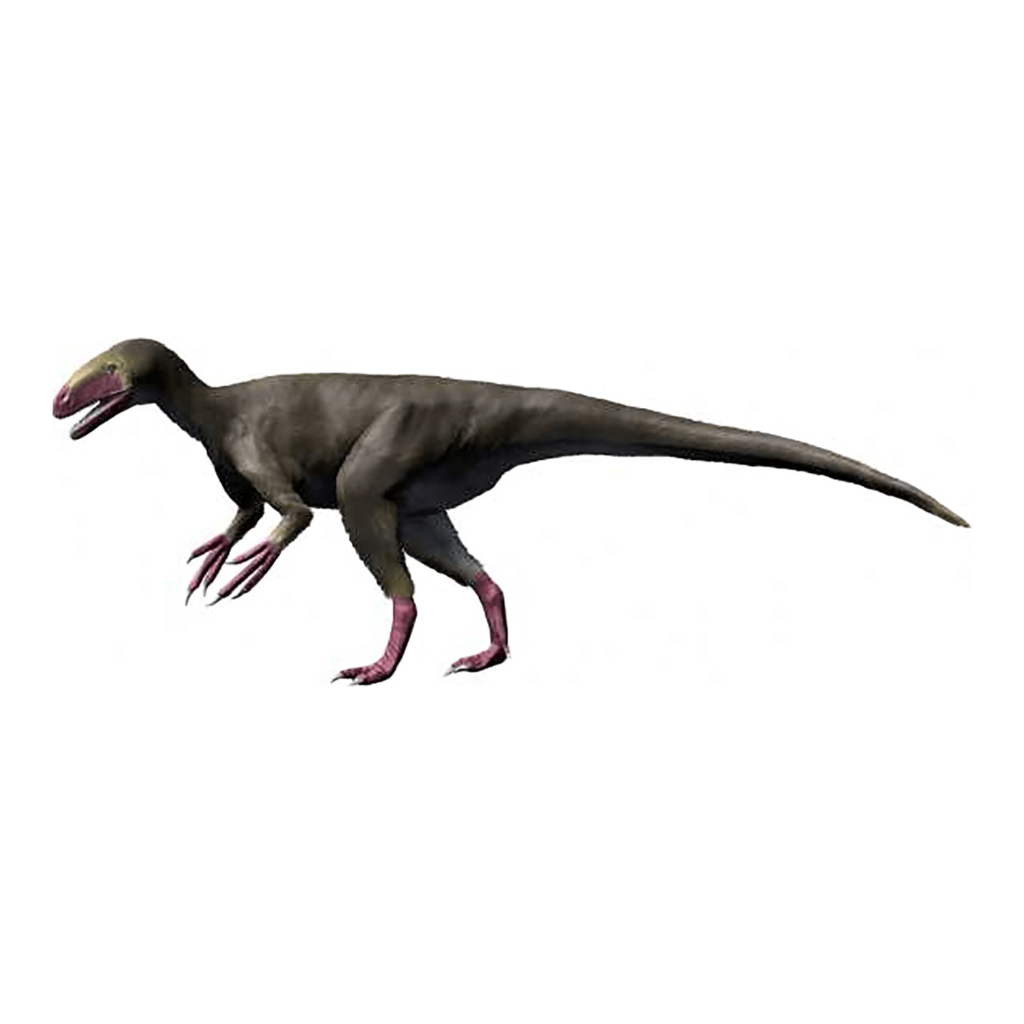
Eodromaeus
Name Origin
Dawn runner
Classification
Diapsida, Saurischia, Theropoda
Habitat (Discovery Location)
Argentina
Period
Approximately 230 million years ago (Late Triassic)
Length
Approximately 1.2 meters
Weight
Approximately 5 kilograms
Diet
Carnivore (Meat-eater)
You might also like... 

-
 Tuojiangosaurus
- Classification
- Thyreophora
- Characteristics
- Herbivorous
- Era
- Jurassic period
- Dryosaurus
- Classification
- Ornithopoda
- Characteristics
- Herbivorous
- Era
- Jurassic period
- Eotyrannus
- Classification
- Theropods
- Characteristics
- Carnivorous
- Era
- Cretaceous period
- Sinornithomimus
- Classification
- Theropods
- Characteristics
- Omnivorous
- Feathered
- Era
- Cretaceous period
-
Sponsored Links
-
Sponsored Links



![[Latest Research] What Was the Function of Spinosaurus's Giant "Sail"? Exploring the Mysteries of Thermoregulation and Underwater Locomotion](https://dinosaurmuseum.jp/wp/wp-content/uploads/eyecatch_spinosaurus-sail-function_en-1024x512.webp)
![[Latest Discovery] A Third Type of Skin, Neither Scales Nor Feathers? Meet "Haolong dongi," a New Dinosaur Species Covered Entirely in Spikes](https://dinosaurmuseum.jp/wp/wp-content/uploads/eyecatch_dinosaur-spiky-skin-discovery_en-1024x512.webp)

Description
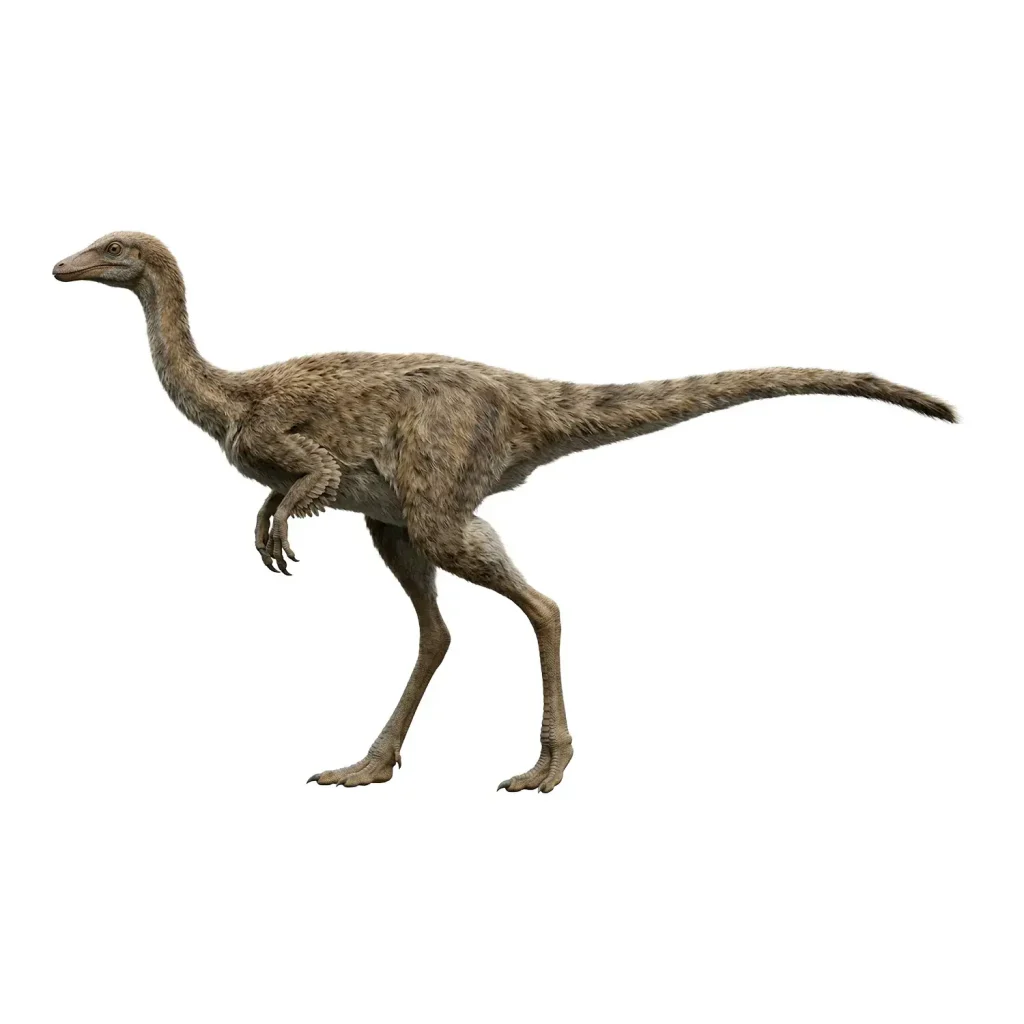
Approximately 230 million years ago, during the Late Triassic period of the Mesozoic Era, the first generation of dinosaurs that would later dominate terrestrial ecosystems was born.
One of the oldest of these dinosaurs, and currently positioned as the “most primitive theropod (a group of carnivorous dinosaurs)” known, is Eodromaeus.
This small dinosaur, discovered in Argentina, sprinted nimbly through the dawn of the dinosaur age, exactly as its name “Dawn Runner” suggests.
A Refined, Small Hunter! Four Physical Characteristics
Eodromaeus was a very small, lightweight, and slender dinosaur, measuring approximately 1.2 meters in length and weighing only about 5 kilograms.
It ran swiftly on its two long hind legs and skillfully maintained its balance using its long tail.
Its skeleton already clearly possessed the “basic characteristics of a carnivorous dinosaur” that would later be passed down to large theropods such as Tyrannosaurus and Allosaurus.
Sharp Fangs and Serrations
The upper jaw was lined with long, sharp fangs, and the edges featured fine, steak-knife-like serrations.
This indicates that it was a pure carnivore, reliably capable of taking down its prey.
Lightened Bones
Some of its neck bones contained hollow spaces, indicating that its body was lightened to adapt for quick, agile movements.
A Pelvis Unique to Theropods
The tip of the “pubis” extending forward and downward from the hips was slightly expanded, which is also a structure unique to theropods.
Hands that “Primarily Used Three Fingers”
Its forelimbs (hands) had five fingers, but the fourth and fifth fingers were vestigial and extremely small, so only the remaining three were used for hunting and other activities.
While retaining all five fingers on the hand is extremely primitive, the trait of “primarily using three fingers” is a crucial commonality that continues into later theropods.
The History of Research: From Its Discovery in the “Valley of the Moon” to Its Description as a New Species
The reference fossil (holotype specimen) of Eodromaeus was discovered in 1996 in the Ischigualasto Formation, commonly known as the “Valley of the Moon” (Valle de la Luna), a fossil site in the San Juan Province of Argentina.
Ricardo Martinez, a member of the expedition team led by the renowned University of Chicago paleontologist Paul Sereno, excavated the fossil in excellent condition with nearly the entire skeleton articulated.
Following over a decade of detailed comparison and analysis, it was formally described in 2011 in the prestigious scientific journal “Science” as a new genus and species, Eodromaeus murphi.
(*The specific name “murphi” is dedicated to James Murphy, who supported the excavation and research project.)
“Parting Ways with Eoraptor,” Rewriting the Dinosaur Family Tree
The announcement of Eodromaeus had a massive impact on the paleontological community, enough to rewrite the textbooks on dinosaur evolutionary history.
The reason lies in the classification of Eoraptor, a dinosaur that Eodromaeus was mistakenly thought to be identical to when first discovered.
For many years, Eoraptor was considered the “earliest theropod.”
However, as a result of a detailed comparison with Eodromaeus, which was adapted for pure carnivory, decisive differences were found, such as the fact that Eoraptor possessed “heterodont” teeth suitable for both carnivorous and herbivorous diets.
Triggered by this comparative research, Eoraptor was re-examined, and its classification was changed: it was actually not a theropod, but the most primitive member of the “sauropodomorphs,” the group that would eventually lead to the giant long-necked dinosaurs (such as Apatosaurus and Brachiosaurus).
“Two Evolutionary Paths” Diverging at Dawn
The greatest truth revealed by the discovery of Eodromaeus is that right at the “dawn” of the dinosaur age approximately 230 million years ago, the two major groups of dinosaurs—theropods (carnivores) and sauropodomorphs (herbivores)—had already begun to walk entirely different evolutionary paths.
These two small, seemingly similar dinosaurs lived in the same “Valley of the Moon.”
Over an unimaginable span of time, Eodromaeus, which sharpened its blades as a pure carnivore, would undergo ultimate evolution into Tyrannosaurus, while Eoraptor, which began adapting to a plant-based diet, would evolve into Brachiosaurus.
Hidden within the small, delicate body of Eodromaeus is an extremely significant historical value: the starting point of the magnificent drama of dinosaur evolution.