
Ophthalmosaurus
Name Origin
Eye lizard
Family
Ophthalmosauridae
Classification
Diapsida, Ichthyosauria
Habitat (Discovery Location)
United States, Argentina, United Kingdom, France
Period
Approximately 165 to 160 million years ago (Late Jurassic)
Length
Approximately 3.5 to 6 meters
Diet
Piscivore (Fish-eater)
TODAY'S QUIZ
Correct answer = 1 coin
Which of the following is the meaning of the name Ophthalmosaurus?
Loading…

You might also like... 

-
 Megapterygius
- Classification
- Marine reptiles
- Characteristics
- Carnivorous
- Era
- Cretaceous period
- Atrociraptor
- Classification
- Theropods
- Characteristics
- Carnivorous
- Era
- Cretaceous period
- Torvosaurus
- Classification
- Theropods
- Characteristics
- Carnivorous
- Era
- Jurassic period
- Bambiraptor
- Classification
- Theropods
- Characteristics
- Carnivorous
- Feathered
- Era
- Cretaceous period
-
Sponsored Links
-
Sponsored Links









![[Latest Research] What Was the Function of Spinosaurus's Giant "Sail"? Exploring the Mysteries of Thermoregulation and Underwater Locomotion](https://dinosaurmuseum.jp/wp/wp-content/uploads/eyecatch_spinosaurus-sail-function_en-1024x512.webp)
![[Latest Discovery] A Third Type of Skin, Neither Scales Nor Feathers? Meet "Haolong dongi," a New Dinosaur Species Covered Entirely in Spikes](https://dinosaurmuseum.jp/wp/wp-content/uploads/eyecatch_dinosaur-spiky-skin-discovery_en-1024x512.webp)






Description
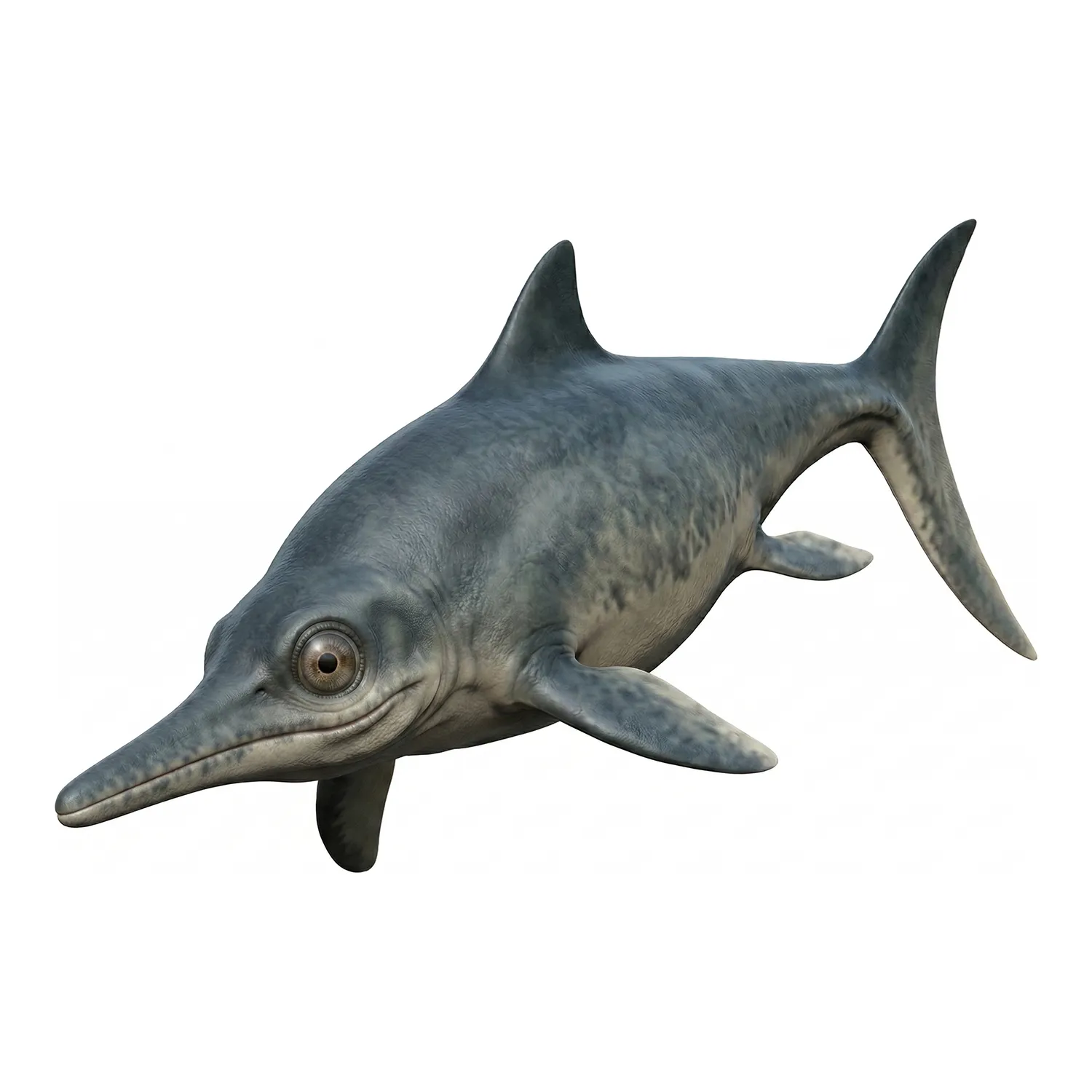
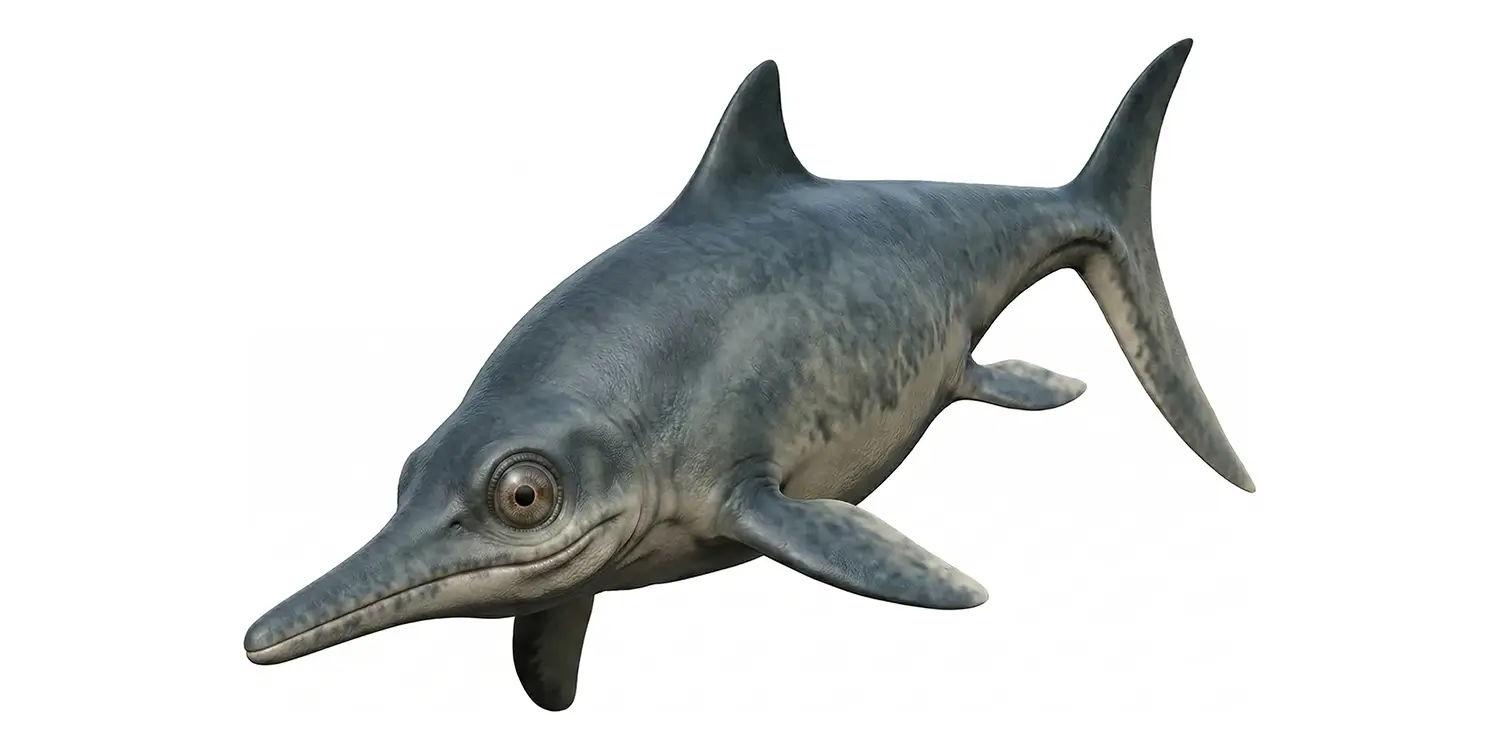
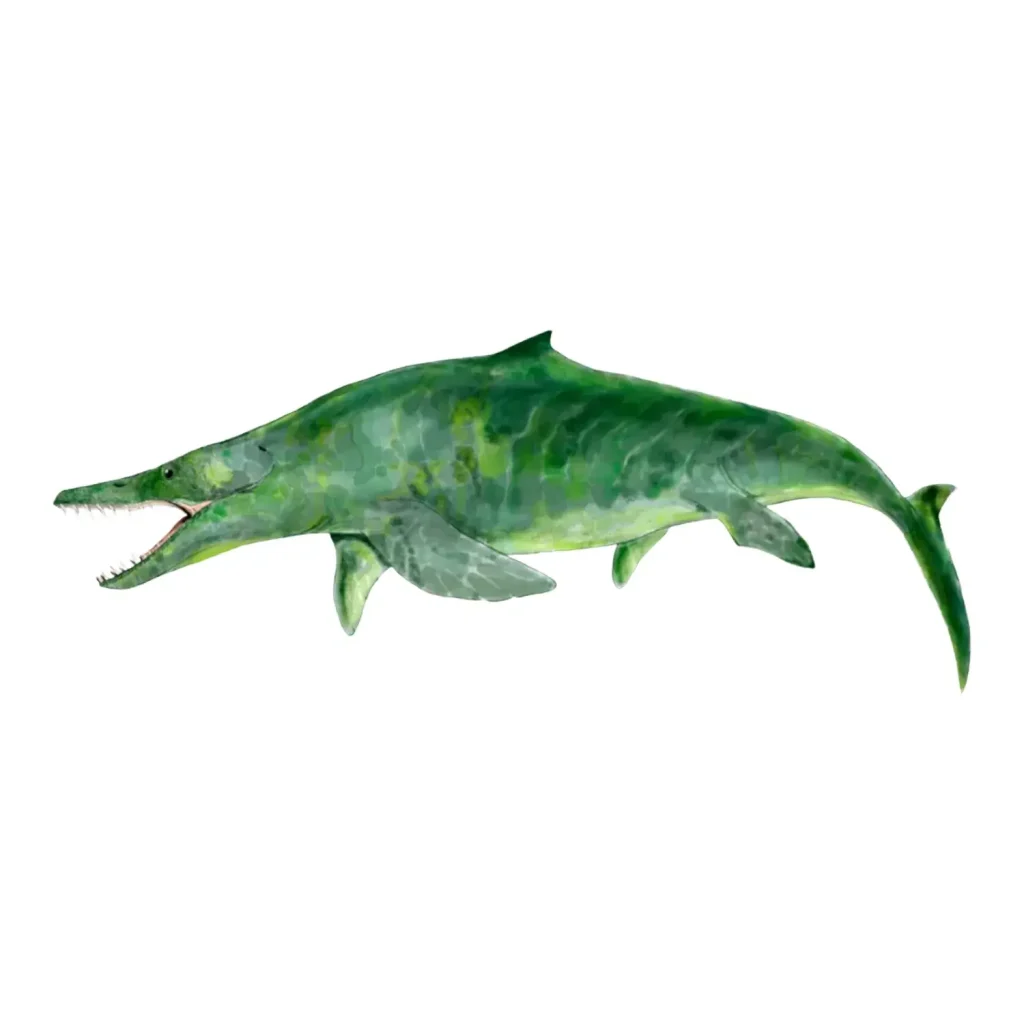
In the Late Jurassic seas, there lived a hunter with remarkably striking “eyes” that set it apart from the rest.
Its name is Ophthalmosaurus.
As its name, which means “eye lizard” in Greek, suggests, they possessed some of the largest eyes in the history of vertebrates, dominating the darkness of the deep sea.
The “Deep-Sea Watcher” with Giant Eyes
The most prominent feature of Ophthalmosaurus is, without a doubt, its massive eyeballs.
The ratio of its eyes to its body is unparalleled.
Astonishing Size
Although historical records vary, there are documentations indicating that in adults, the diameter reached 22 to 23 centimeters (8.6 to 9 inches), and even smaller ones measured about 10 centimeters (4 inches).
This means that the eyeballs occupied almost the entire space within its head.
“Sclerotic Rings” Supporting the Eyes
A bony ring surrounded the eyeball, playing the following crucial roles:
Resistance to Water Pressure
It prevented the eyeballs from deforming under the intense water pressure encountered when diving deep into the sea.
Securing Light
It efficiently captured faint light, making it possible to hunt at depths of hundreds of meters (thousands of feet) where sunlight could not reach, as well as during the night.
A Streamlined Form Resembling a Dolphin
Although their appearance closely resembles modern dolphins, they are neither fish nor mammals, but belong to a group of marine reptiles known as “ichthyosaurs.”
Astounding Diving Ability and Desperate Escapes Revealed by “The Bends”
Ophthalmosaurus was not simply swimming in the shallows; it was an athlete equipped with highly advanced diving capabilities.
However, an astonishing record was etched into their bones.
Traces of “decompression sickness” (the bends), a condition also seen in modern whales, were confirmed in their joint bones.
This is an illness where rapid surfacing causes nitrogen bubbles to form in the blood, damaging tissues.
Why would they risk their lives to surface so rapidly?
The leading theory is that they did so to escape colossal predators ruling the seas at the time, such as Pliosaurus.
This desperate evasion tactic for survival remains as scars on their bones across hundreds of millions of years.
A Voracious Appetite and Sturdy Teeth
Their mouths featured a protruding “snout,” much like a modern dolphin, lined with extremely sturdy teeth inside.
Main Diet
Squid and small fish living in the dark depths of the sea.
A Diverse Menu
They had a very voracious appetite, and it has been suggested that they might have been predators capable of crunching through seabirds and even turtles, shells and all.
Relying on faint light with their massive eyes to find prey, Ophthalmosaurus darted freely across the vast oceans, even while fearing the shadows of massive predators.
The traces of decompression sickness left in their bones tell the story that the Jurassic seas were by no means a peaceful paradise, but rather a dog-eat-dog world where a single moment of carelessness was fatal.