
Limusaurus
Name Origin
Mud lizard
Classification
Diapsida, Saurischia, Theropoda
Habitat (Discovery Location)
China
Period
Approximately 160 million years ago (Late Jurassic)
Length
Approximately 2 meters
Weight
Approximately 18 to 23 kilograms
Diet
Herbivore (Plant-eater)
TODAY'S QUIZ
Correct answer = 1 coin
Where were Limusaurus fossils discovered?
Loading…
You might also like... 

-
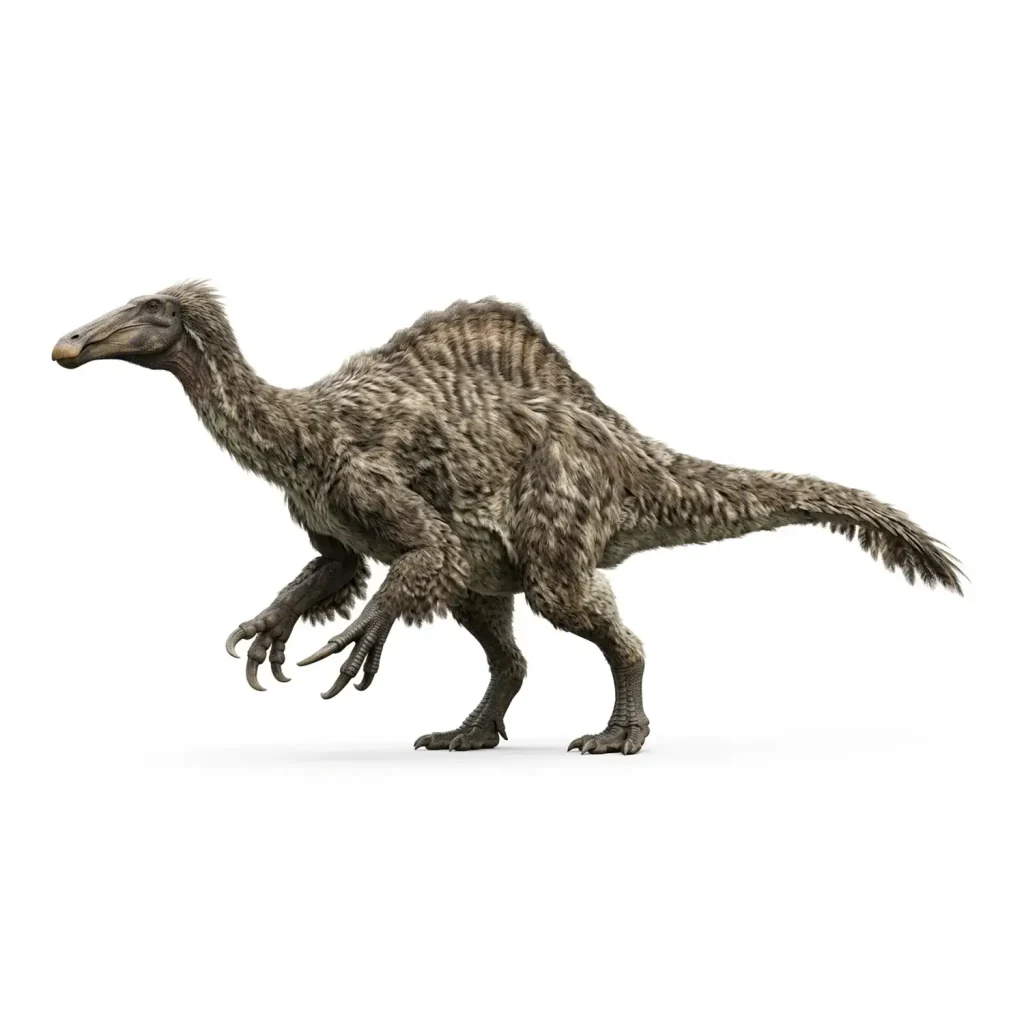
 Deinocheirus
- Classification
- Theropods
- Characteristics
- Omnivorous
- Feathered
- Era
- Cretaceous period
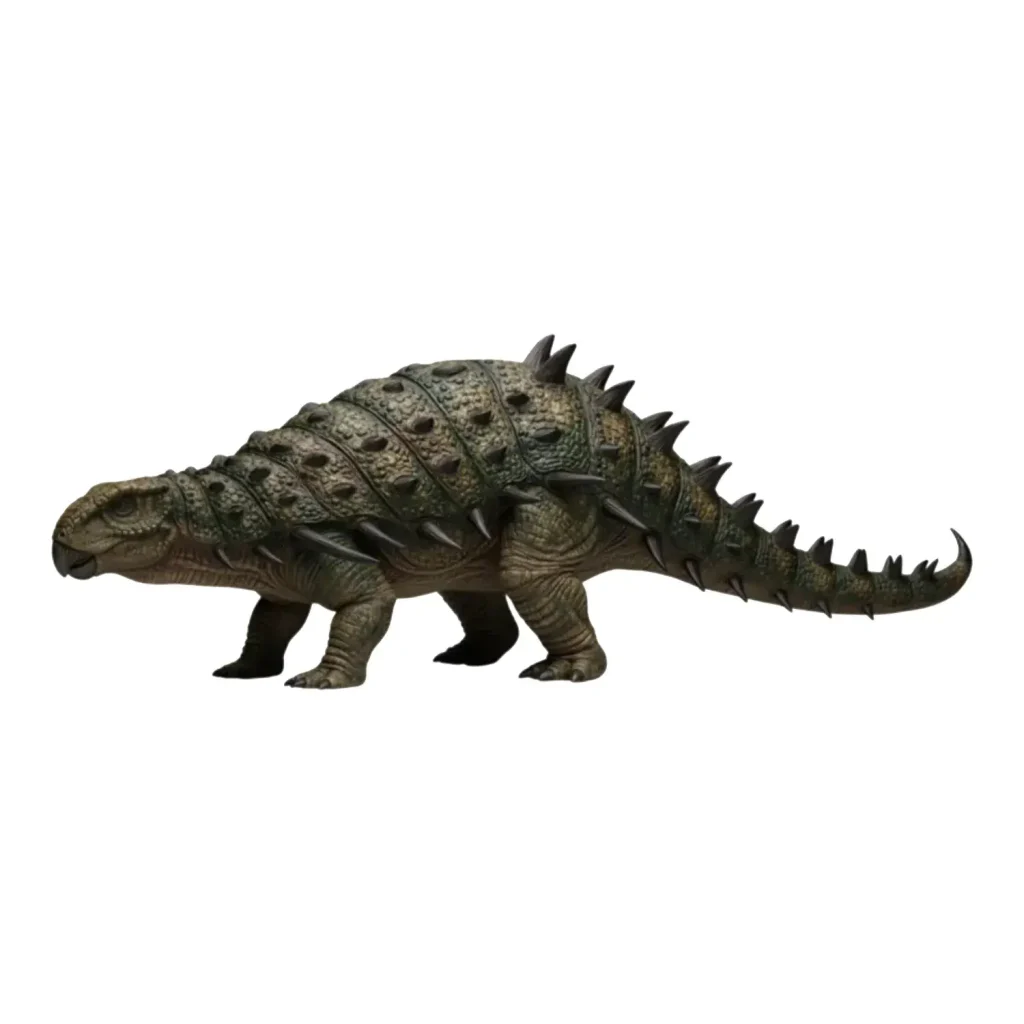
- Hylaeosaurus
- Classification
- Thyreophora
- Characteristics
- Herbivorous
- Era
- Cretaceous period
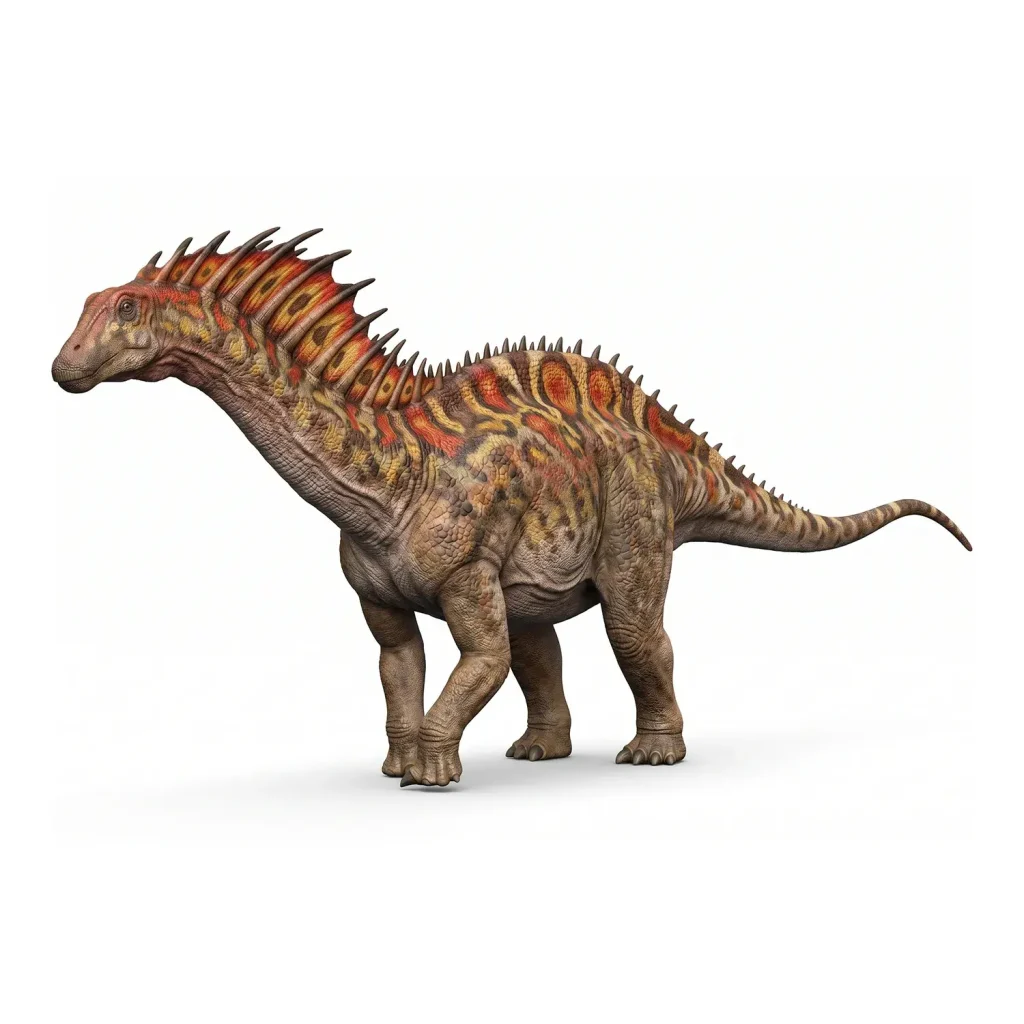
- Amargasaurus
- Classification
- Sauropods
- Characteristics
- Herbivorous
- Era
- Cretaceous period
- Sauroposeidon
- Classification
- Sauropods
- Characteristics
- Herbivorous
- Era
- Cretaceous period
-
Sponsored Links
-
Sponsored Links









![[Latest Research] What Was the Function of Spinosaurus's Giant "Sail"? Exploring the Mysteries of Thermoregulation and Underwater Locomotion](https://dinosaurmuseum.jp/wp/wp-content/uploads/eyecatch_spinosaurus-sail-function_en-1024x512.webp)
![[Latest Discovery] A Third Type of Skin, Neither Scales Nor Feathers? Meet "Haolong dongi," a New Dinosaur Species Covered Entirely in Spikes](https://dinosaurmuseum.jp/wp/wp-content/uploads/eyecatch_dinosaur-spiky-skin-discovery_en-1024x512.webp)






Description
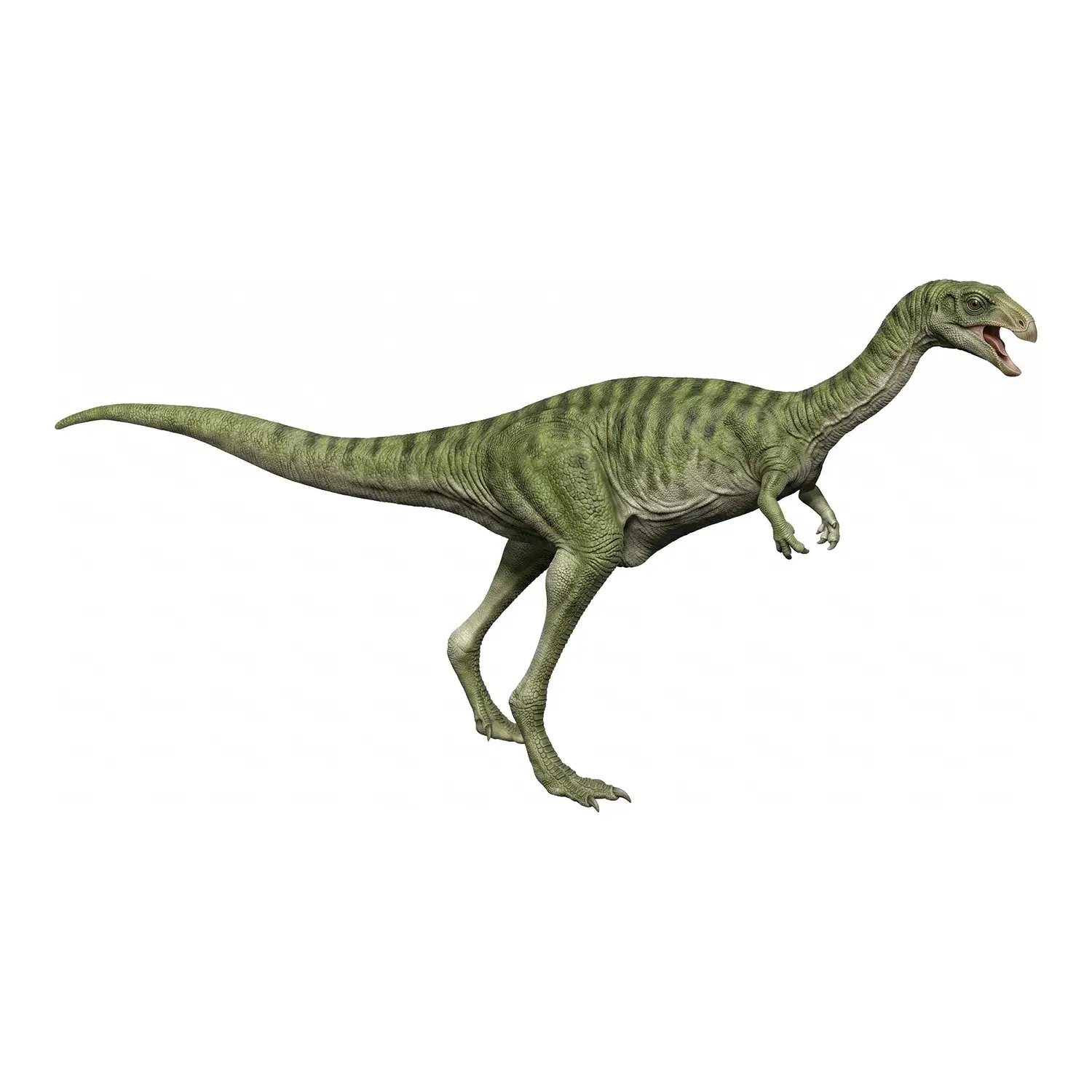
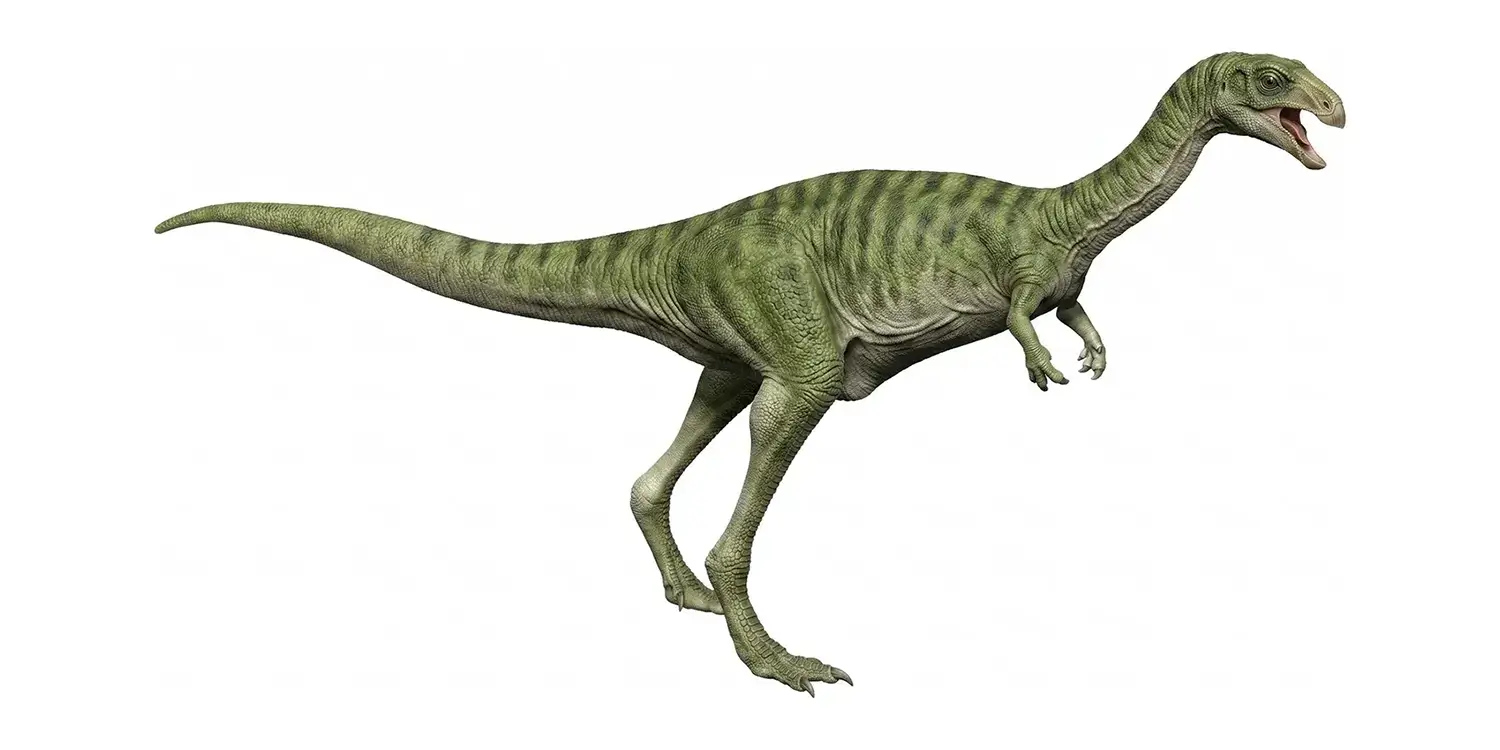
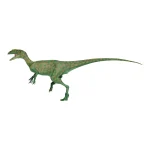
Limusaurus, a resident of Jurassic China, is a remarkably unique dinosaur that made a massive impact on the paleontological community.
Here, we will explore its astonishing biology of “shifting diets during growth” and the physical traits that provide crucial evidence for the evolution of birds.
A Dramatic Discovery Reflected in Its Name
True to its genus name, which means “mud lizard,” its fossils were discovered where the animals had drowned in natural traps—such as the massive footprints of larger dinosaurs—that had filled with volcanic ash and mud.
An early Tyrannosaurus relative, Guanlong, was also discovered in the exact same rocks.
These excavations tell a story of a brutal prehistoric drama, revealing that even the predators hunting Limusaurus ultimately became trapped in the very same mire.
A Dramatic Transformation During Growth: From Teeth to a Beak
Research in 2016 revealed that Limusaurus experienced an “ontogenetic dietary shift” (changing its diet as it grew), a trait rarely seen in other dinosaurs.
Juvenile Stage
They possessed a total of 42 teeth and are believed to have been carnivorous (or omnivorous).
Adult Stage
As they grew, their teeth fell out and regressed, and they developed a beak in their place.
Shift to a Herbivorous Diet
“Gastroliths” (stomach stones) used to aid in the digestion of plants have also been found inside the bodies of adults, indicating a complete shift to a plant-eating diet.
A Crucial Missing Link in Avian Evolution
The structure of the forelimbs in Limusaurus is considered one of the most crucial pieces of physical evidence for unraveling the evolution from dinosaurs to birds.
“Shared Traits with Birds” Revealed by Finger Structure
While typical ceratosaurs have four fingers, the fingers of Limusaurus underwent a highly specialized evolution.
Digit I (Thumb)
It showed a tendency to regress and was almost entirely non-functional.
The Remaining Fingers
Digits II, III, and IV became the main three functional fingers.
While most theropods evolved by retaining Digits I, II, and III, Limusaurus possessed a structure that retained “Digits II, III, and IV”—the exact same configuration found in the wings of modern birds.
This feature provides an indispensable clue when tracing the evolutionary family tree of birds.
Limusaurus, aptly named the “mud lizard,” conveys a wealth of information to the present day through its extraordinary fossils.
From its dietary changes during growth to a finger structure closely mirroring that of birds, their existence truly represents a “miraculous discovery” that symbolizes the ecosystems and evolutionary processes of the Jurassic period.