
Olorotitan
Name Origin
Giant swan
Family
Hadrosauridae
Classification
Diapsida, Ornithischia, Ornithopoda
Habitat (Discovery Location)
Russia
Period
Approximately 66 million years ago (Late Cretaceous)
Length
Approximately 8 to 9 meters
Weight
Approximately 3 to 4 tons
Diet
Herbivore (Plant-eater)
You might also like... 

-
 Therizinosaurus
- Classification
- Theropods
- Characteristics
- Herbivorous
- Era
- Cretaceous period
- Tambatitanis
- Classification
- Sauropods
- Characteristics
- Herbivorous
- Era
- Cretaceous period
- Ornithomimus
- Classification
- Theropods
- Characteristics
- Herbivorous
- Omnivorous
- Feathered
- Era
- Cretaceous period
- Szechuanosaurus
- Classification
- Theropods
- Characteristics
- Carnivorous
- Era
- Jurassic period
-
Sponsored Links
-
Sponsored Links









![[Latest Research] What Was the Function of Spinosaurus's Giant "Sail"? Exploring the Mysteries of Thermoregulation and Underwater Locomotion](https://dinosaurmuseum.jp/wp/wp-content/uploads/eyecatch_spinosaurus-sail-function_en-1024x512.webp)
![[Latest Discovery] A Third Type of Skin, Neither Scales Nor Feathers? Meet "Haolong dongi," a New Dinosaur Species Covered Entirely in Spikes](https://dinosaurmuseum.jp/wp/wp-content/uploads/eyecatch_dinosaur-spiky-skin-discovery_en-1024x512.webp)



Description
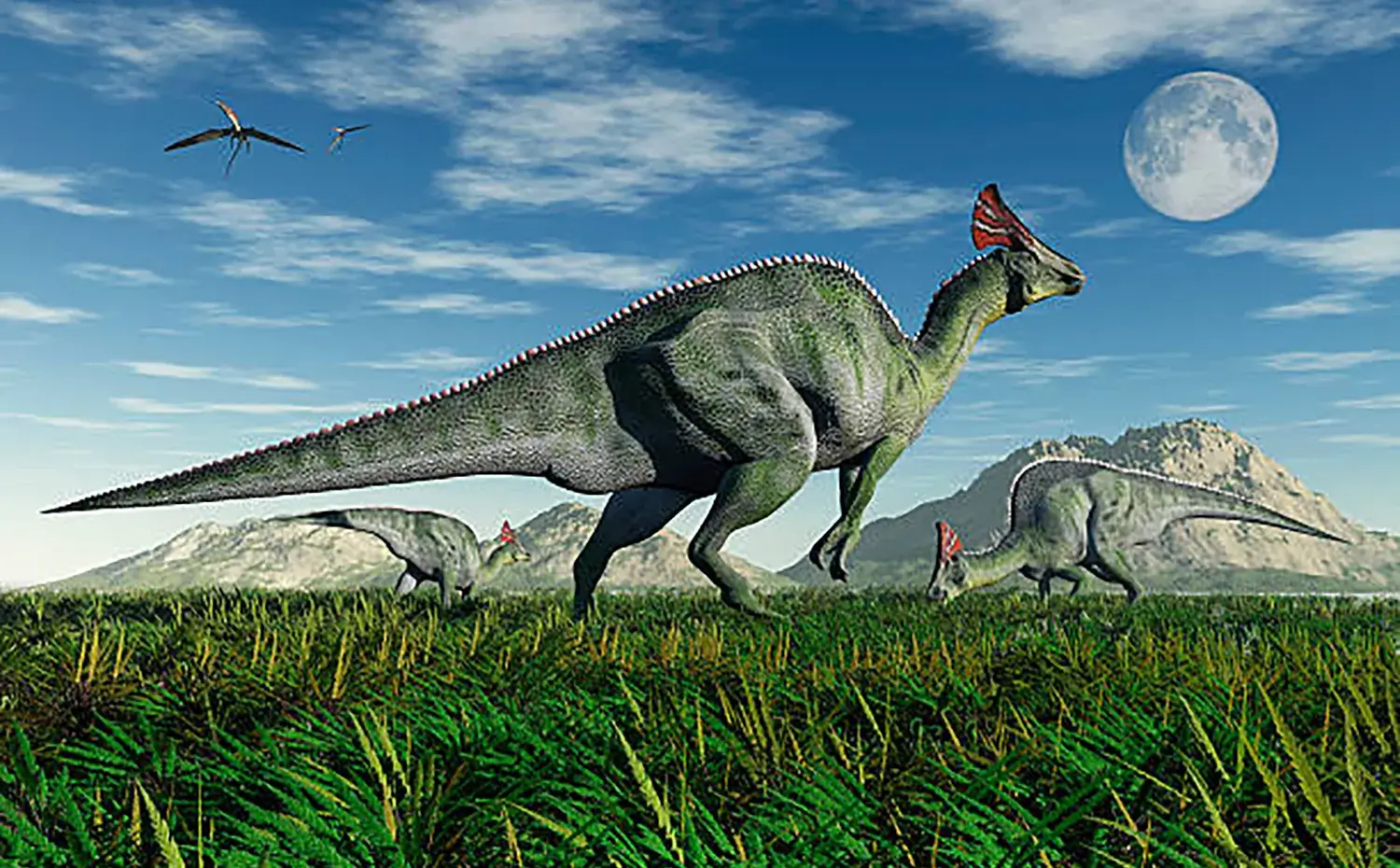
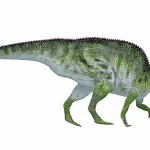
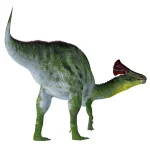
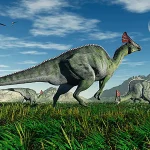
At the very end of the Late Cretaceous period, a dinosaur with a graceful form resembling a giant swan roamed the lands that are now Russia.
That dinosaur is “Olorotitan.”
A nearly complete skeleton was excavated between 1999 and 2001, and its bizarre yet beautiful silhouette astonished paleontologists worldwide.
Olorotitan belongs to the “Lambeosaurinae subfamily”—a group within the large herbivorous dinosaur family of Hadrosauridae known for their showy, hollow head crests.
A Fan-Shaped Crest and Its Role as a “Resonating Chamber”
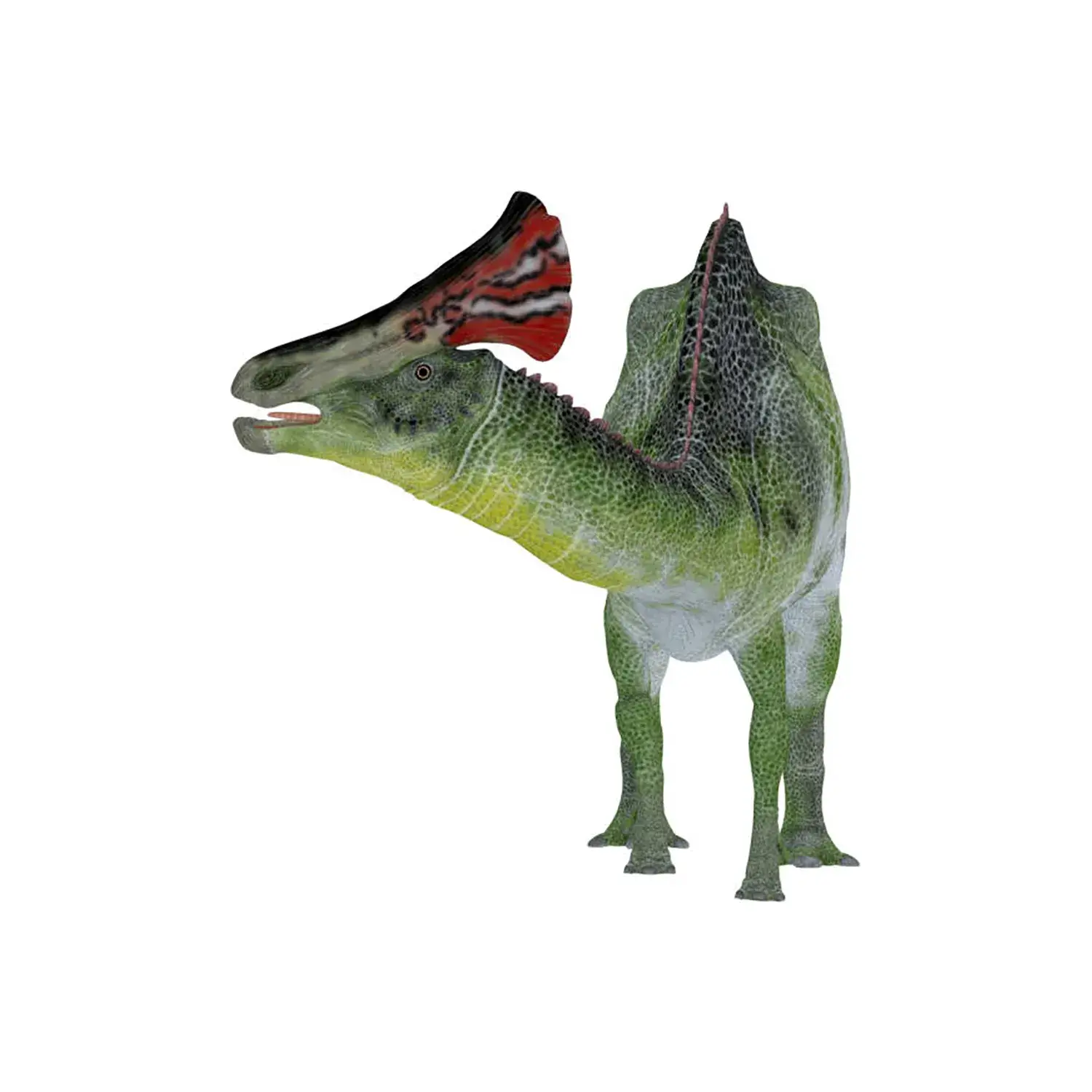
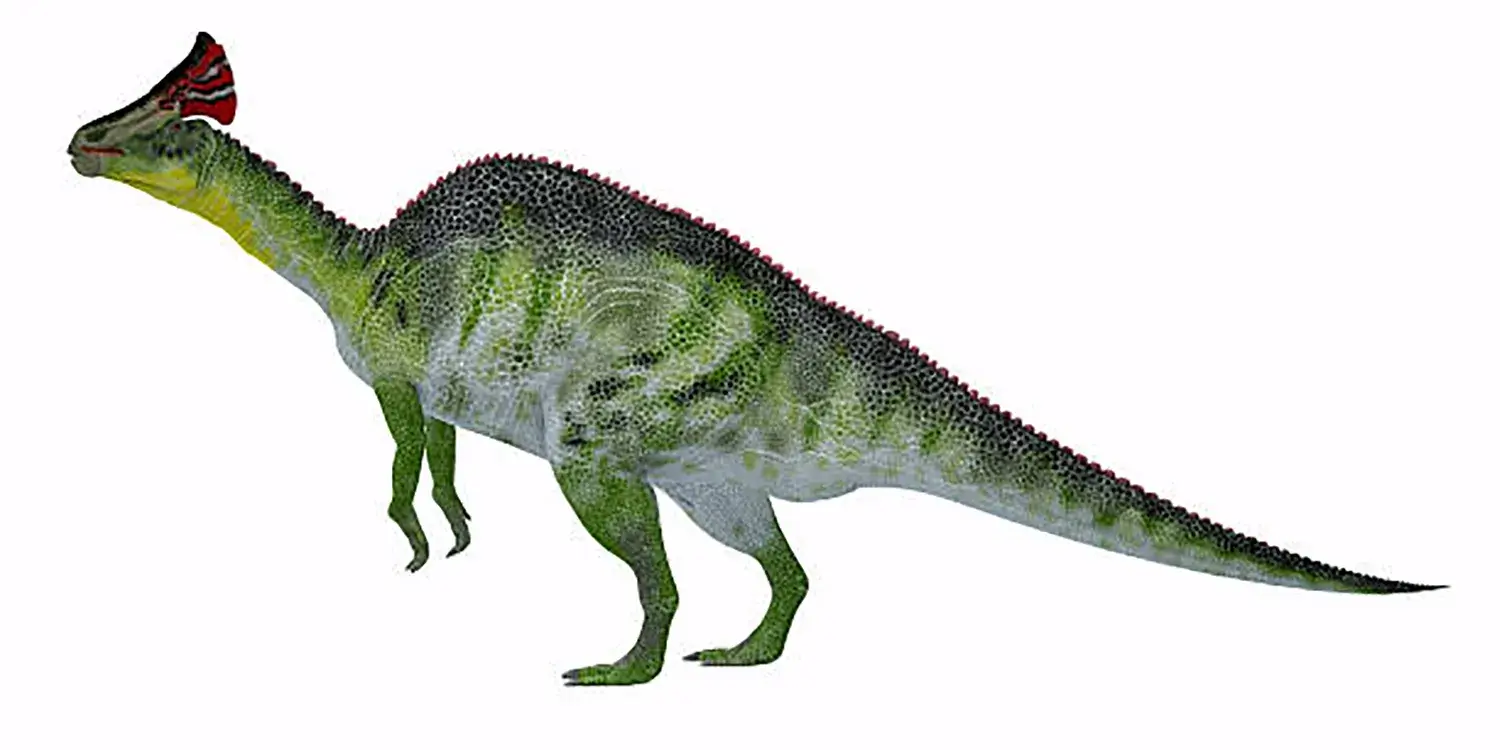
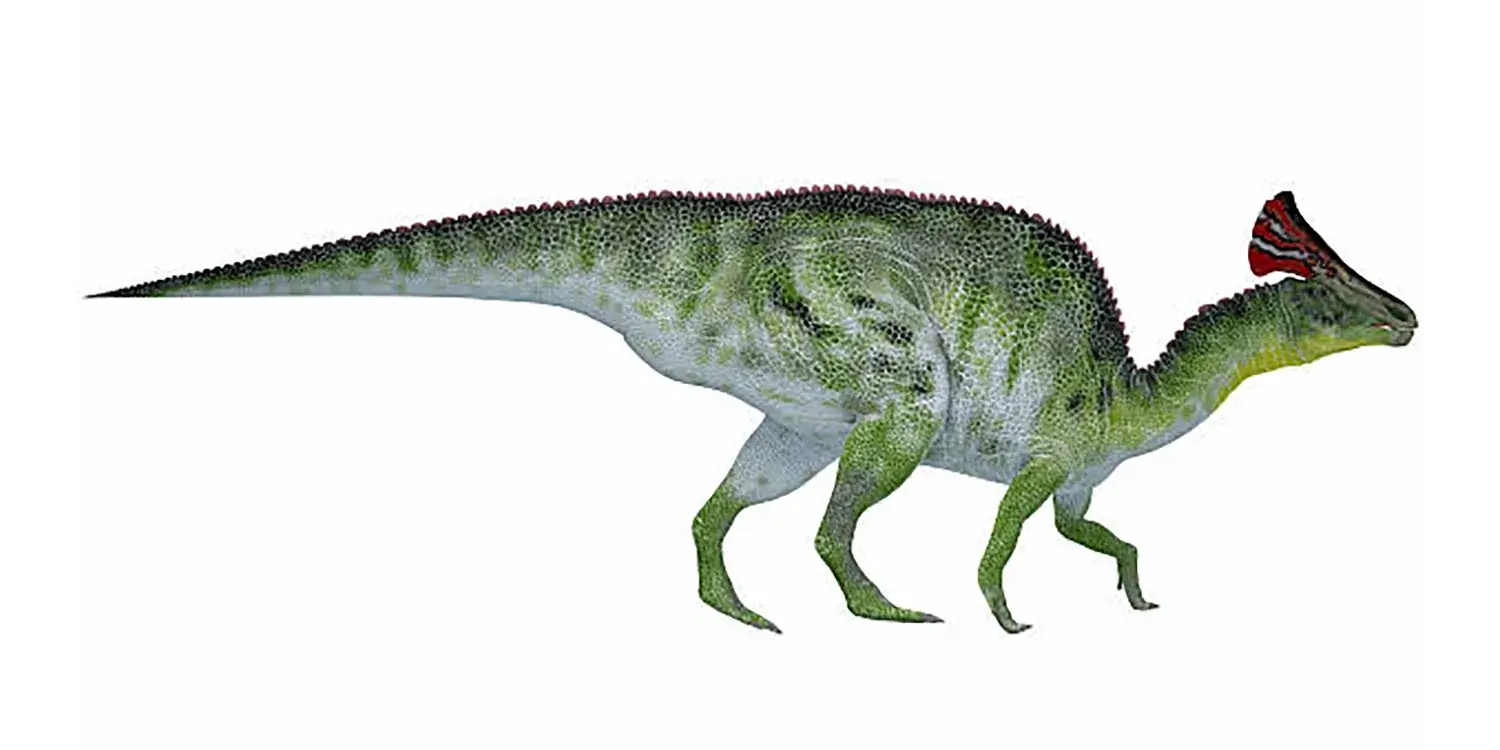
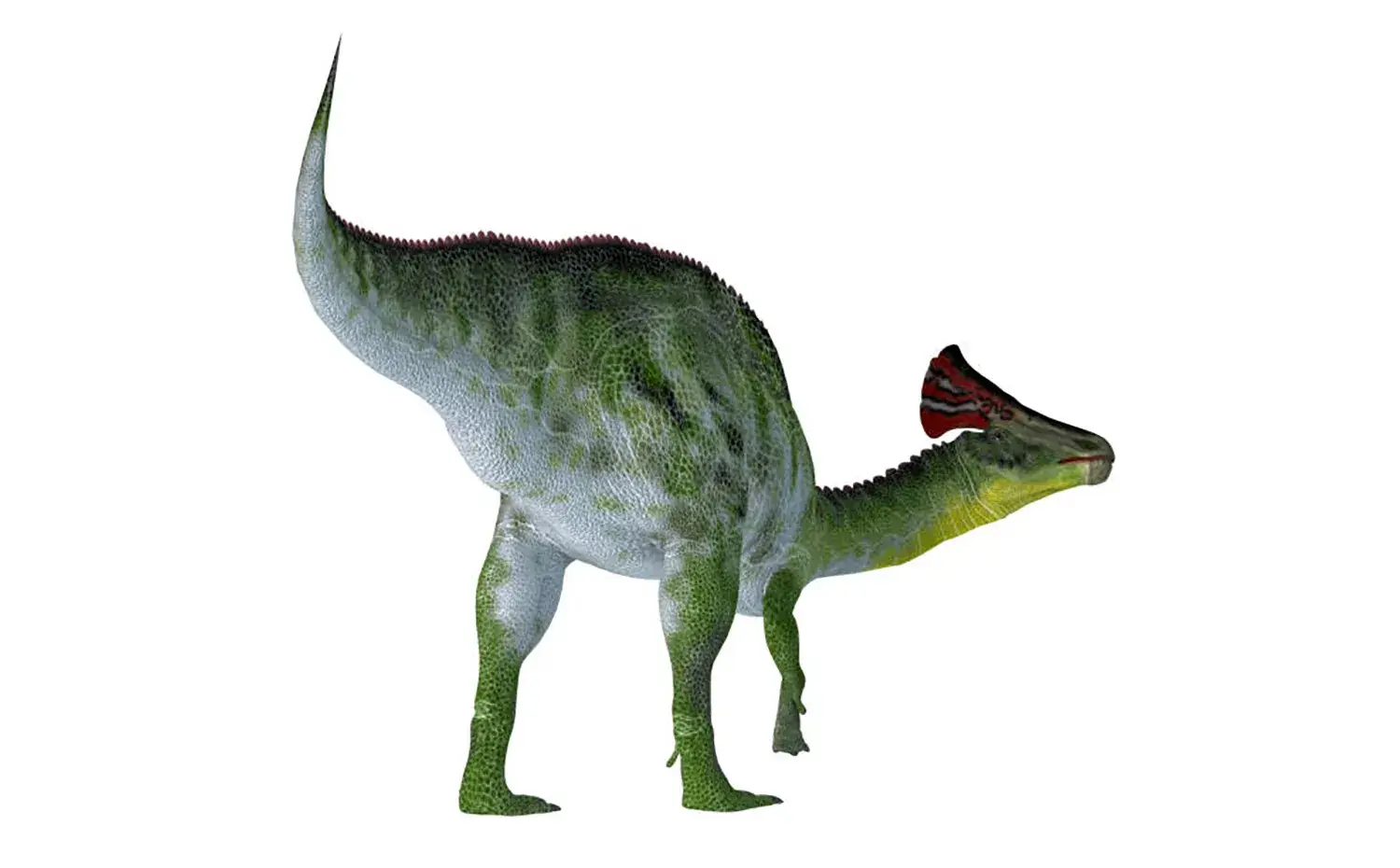
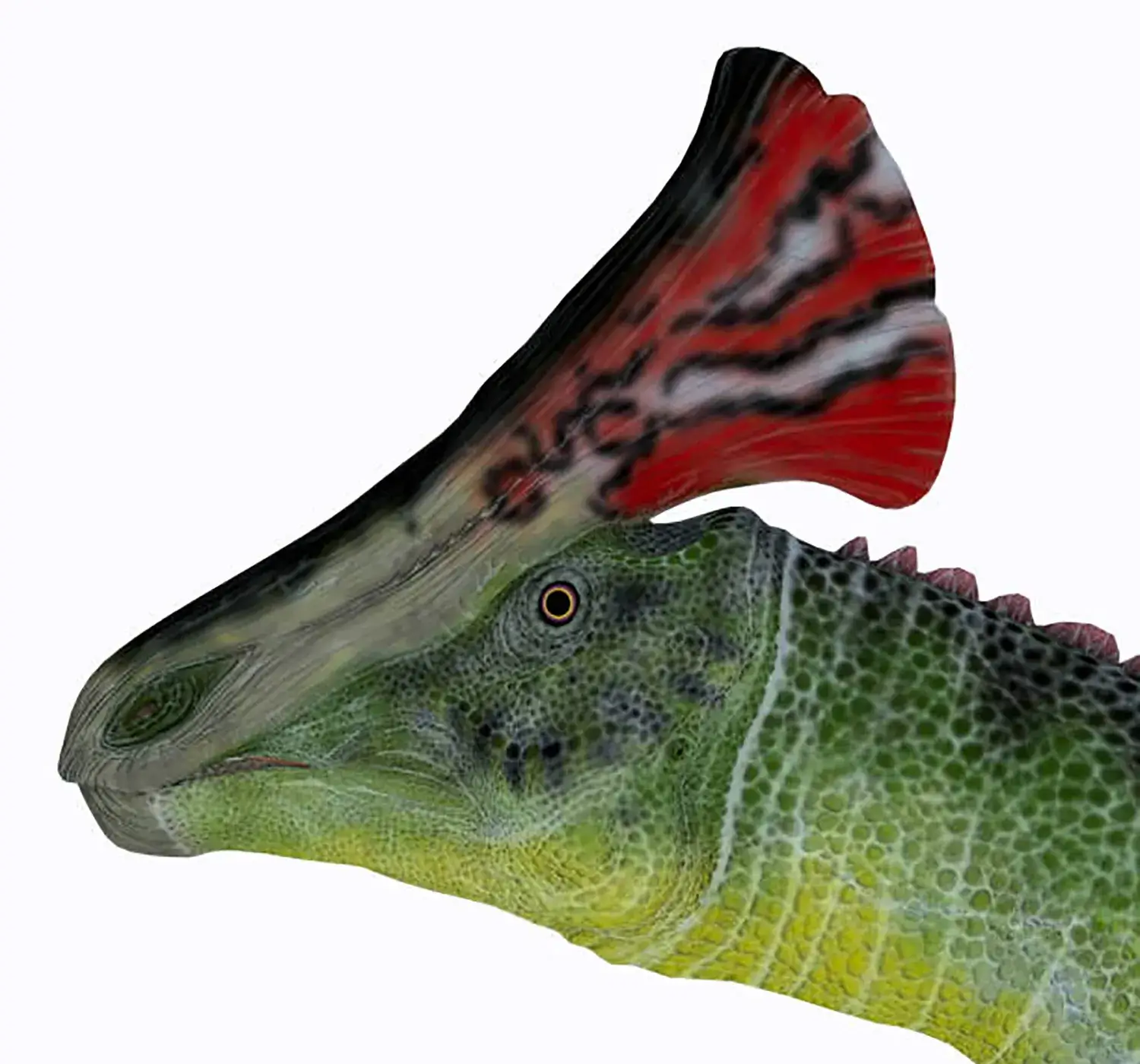
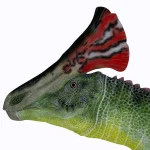
The most striking feature of Olorotitan’s appearance is the magnificent crest extending backward from the top of its head.
The most striking feature is the magnificent crest extending backward from the top of its head.
A Beautiful Shape
It is shaped like a hand axe or a fan, making it look almost as if the dinosaur is wearing an elegant ornamental hairpin.
It shares similar characteristics with the crest of Tsintaosaurus, which also lived in Asia.
A “Resonating Chamber” for Making Sounds
The inside of the crest was a large hollow cavity connected to the nasal passages.
It is believed that it served not only as a visual display organ but also as a resonating chamber that echoed low calls when air was blown into it.
They likely used these sounds to communicate with herd members far away.
The Long Neck That Inspired the “Swan” Name and the Mystery of Its Skeleton
The most peculiar feature that sets Olorotitan apart from other hadrosaurids is the “length of its neck,” which is also the origin of its name.
An Exceptional Number of Cervical Vertebrae
While a typical large ornithopod had at most about 15 neck bones (cervical vertebrae), Olorotitan possessed 18—three more than the average.
This long, flexible neck composed of numerous bones is what evokes the image of a swan.
An Unsolved Evolutionary Mystery
In addition to the neck, it also had more vertebrae connecting to the sacrum (part of the pelvis) than other species.
Why Olorotitan alone underwent such specialized evolution to increase its number of bones remains a complete mystery.
The “Asian Origin Theory”: A Key to Unraveling Their Evolutionary Path
Phylogenetic analysis has shown that Olorotitan is closely related to Corythosaurus and Hypacrosaurus, which are found in North America.
In the past, because many lambeosaurine fossils were found in North America, they were thought to be a “group that evolved in North America.”
However, with the discovery of Olorotitan’s complete skeleton in Russia (Asia), a new theory regarding the migration routes of dinosaurs was proposed.
“The Lambeosaurinae subfamily may have originated in Asia and subsequently crossed the Bering land bridge to expand into the North American continent.”
In this theory, which suggests they followed the same migration routes as ceratopsians and tyrannosaurs, Olorotitan serves as an incredibly important piece of evidence supporting the history of intercontinental animal migration.
Furthermore, multiple hadrosaurid species have been unearthed from geological strata of the same era in this region, revealing that a rich ecosystem where diverse species coexisted had been established.
The Last Survivors Concluding the Age of Dinosaurs
Olorotitan lived about 66 million years ago, right on the eve of the mass extinction event caused by a massive asteroid impact.
Having undergone unique evolution in Asia, Olorotitan thrived with its long neck and beautiful fan-shaped crest.
As one of the last generation of lambeosaurines to grace the Earth, it vividly conveys to us today the strength and diversity of a species that survived right to the end of the tumultuous age of dinosaurs.