
Rhamphorhynchus
Name Origin
Beak snout
Family
Rhamphorhynchidae
Classification
Diapsida, Pterosauria
Habitat (Discovery Location)
United Kingdom, Germany, Tanzania
Period
Approximately 164 to 154 million years ago (Late Jurassic)
Length
Approximately 1.7m (wingspan)
Weight
Approximately 4 kilograms
Diet
Piscivore (Fish-eater)
You might also like... 

-
 Diplodocus
- Classification
- Sauropods
- Characteristics
- Herbivorous
- Era
- Jurassic period
- Metriorhynchus
- Classification
- Marine reptiles
- Characteristics
- Carnivorous
- Era
- Jurassic period
- Eocursor
- Classification
- Ornithopoda
- Characteristics
- Herbivorous
- Era
- Triassic period
- Pachycephalosaurus
- Classification
- Marginocephalia
- Characteristics
- Herbivorous
- Era
- Cretaceous period
-
Sponsored Links
-
Sponsored Links











![[Latest Research] What Was the Function of Spinosaurus's Giant "Sail"? Exploring the Mysteries of Thermoregulation and Underwater Locomotion](https://dinosaurmuseum.jp/wp/wp-content/uploads/eyecatch_spinosaurus-sail-function_en-1024x512.webp)
![[Latest Discovery] A Third Type of Skin, Neither Scales Nor Feathers? Meet "Haolong dongi," a New Dinosaur Species Covered Entirely in Spikes](https://dinosaurmuseum.jp/wp/wp-content/uploads/eyecatch_dinosaur-spiky-skin-discovery_en-1024x512.webp)




Description
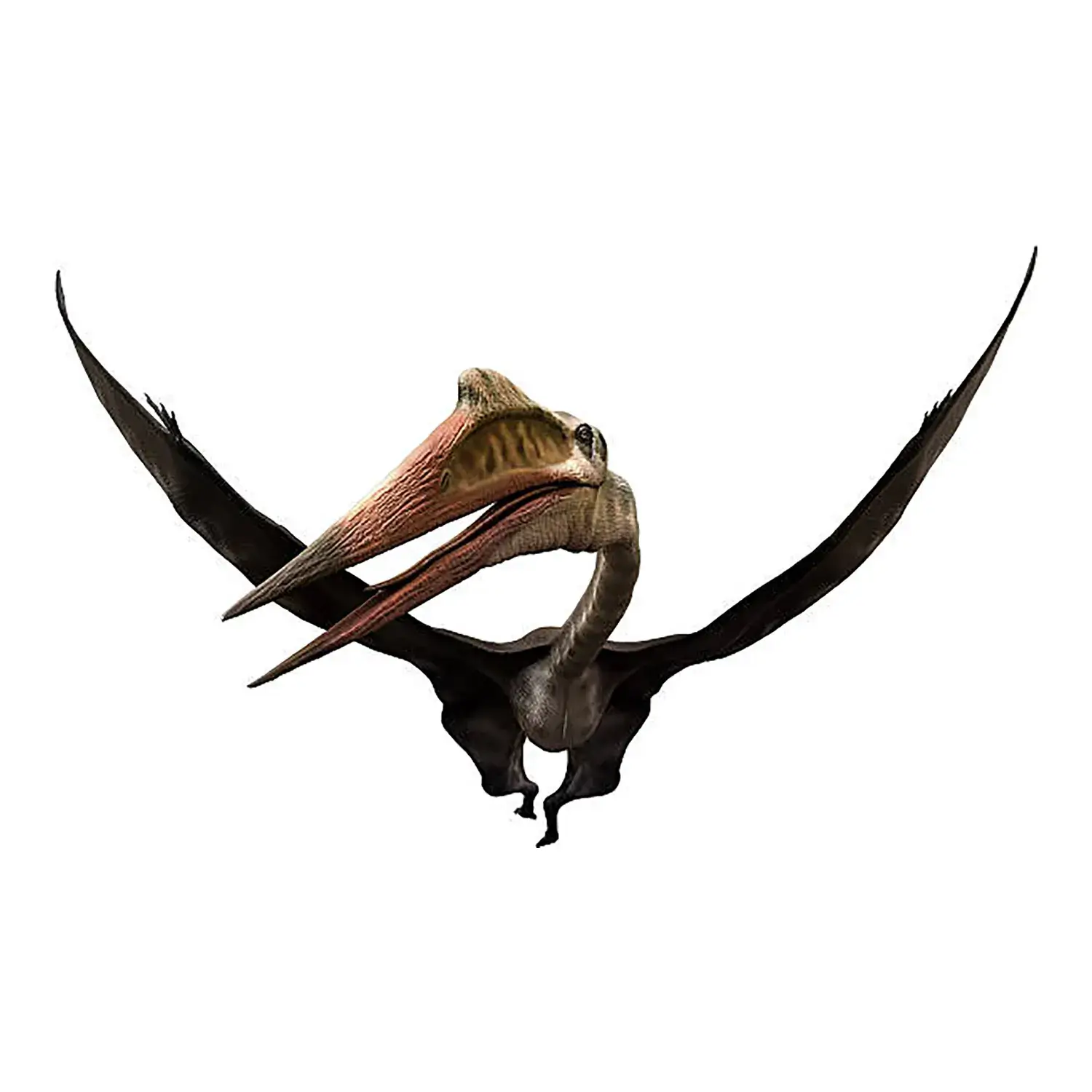
In the skies of the Late Jurassic period, a bizarre pterosaur about the size of a modern seagull—equipped with sharp fangs and a long tail—soared through the air.
Its name was Rhamphorhynchus.
While it is a relatively well-known pterosaur alongside Pteranodon, it possessed a unique lifestyle and physical anatomy that differ slightly from the stereotypical image of pterosaurs.
A “Nocturnal” Hunter That Skimmed the Water’s Surface
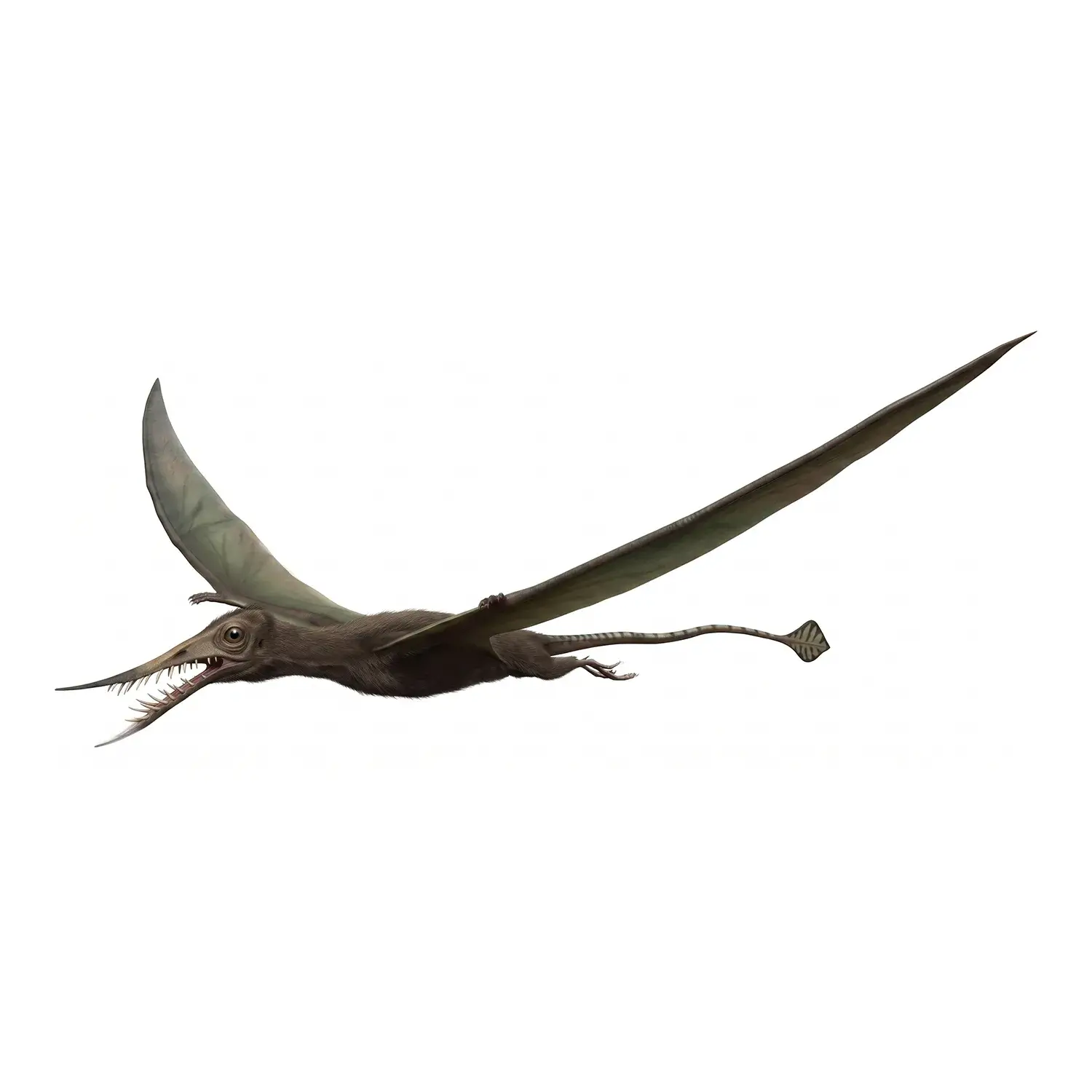
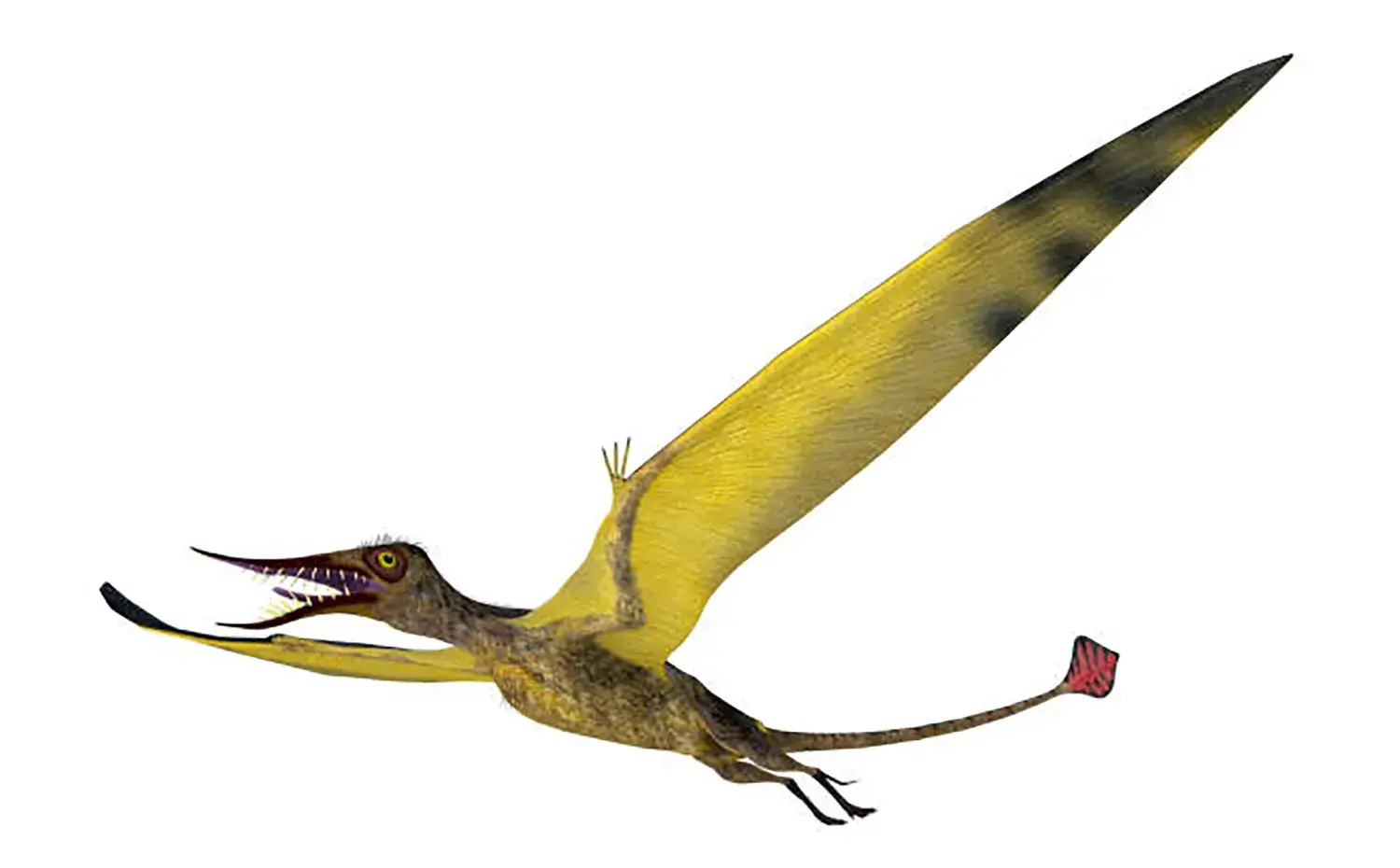
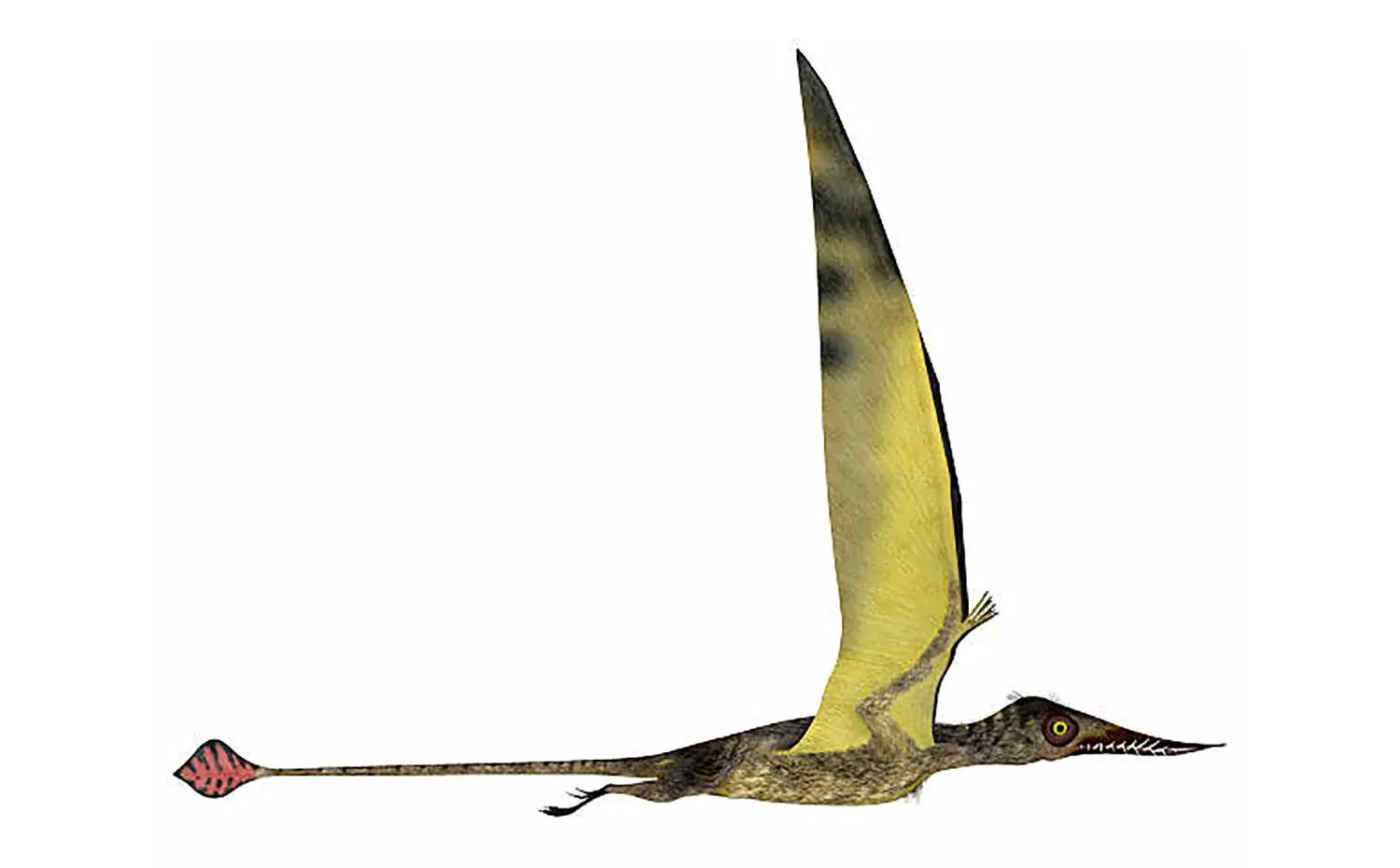
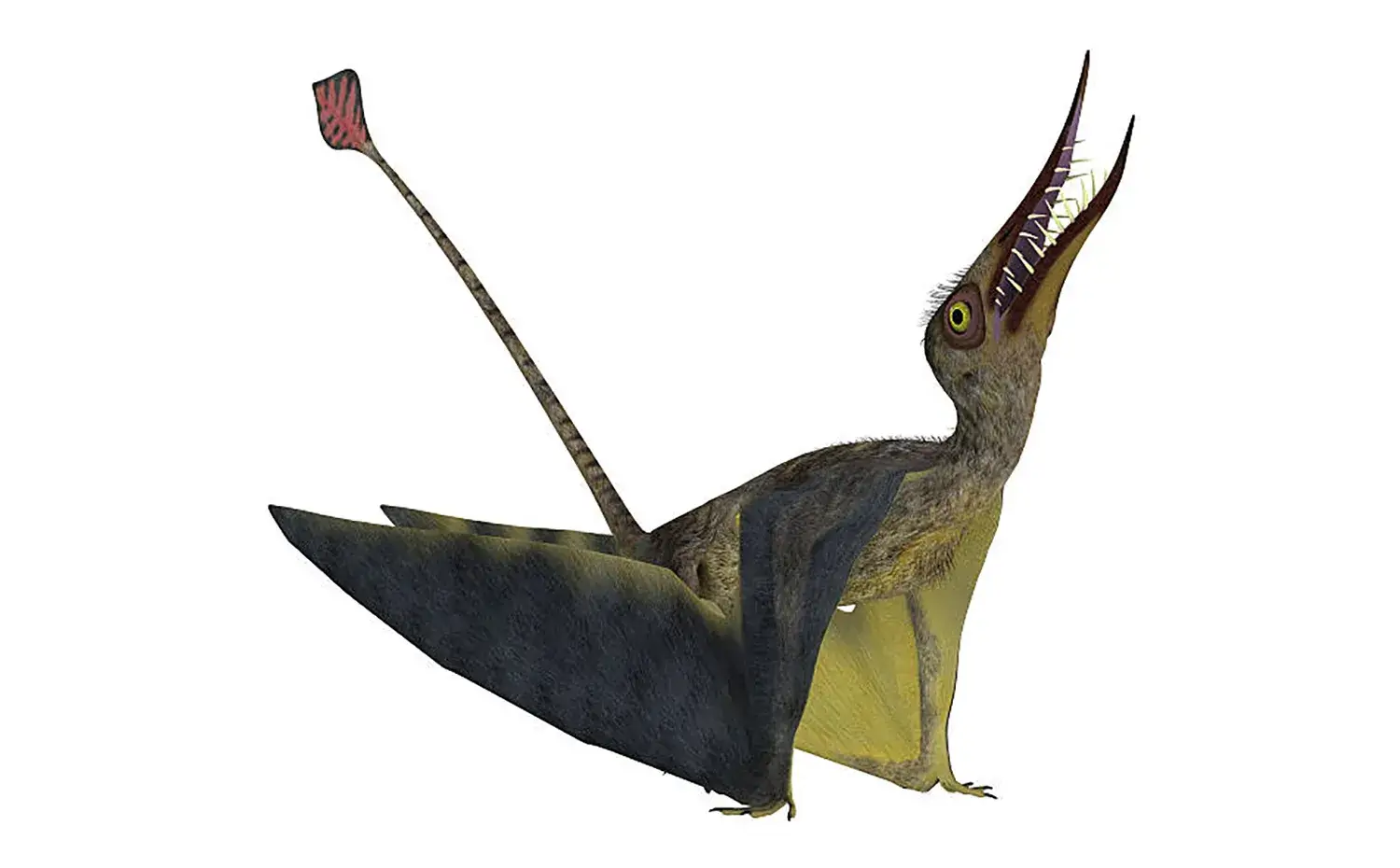
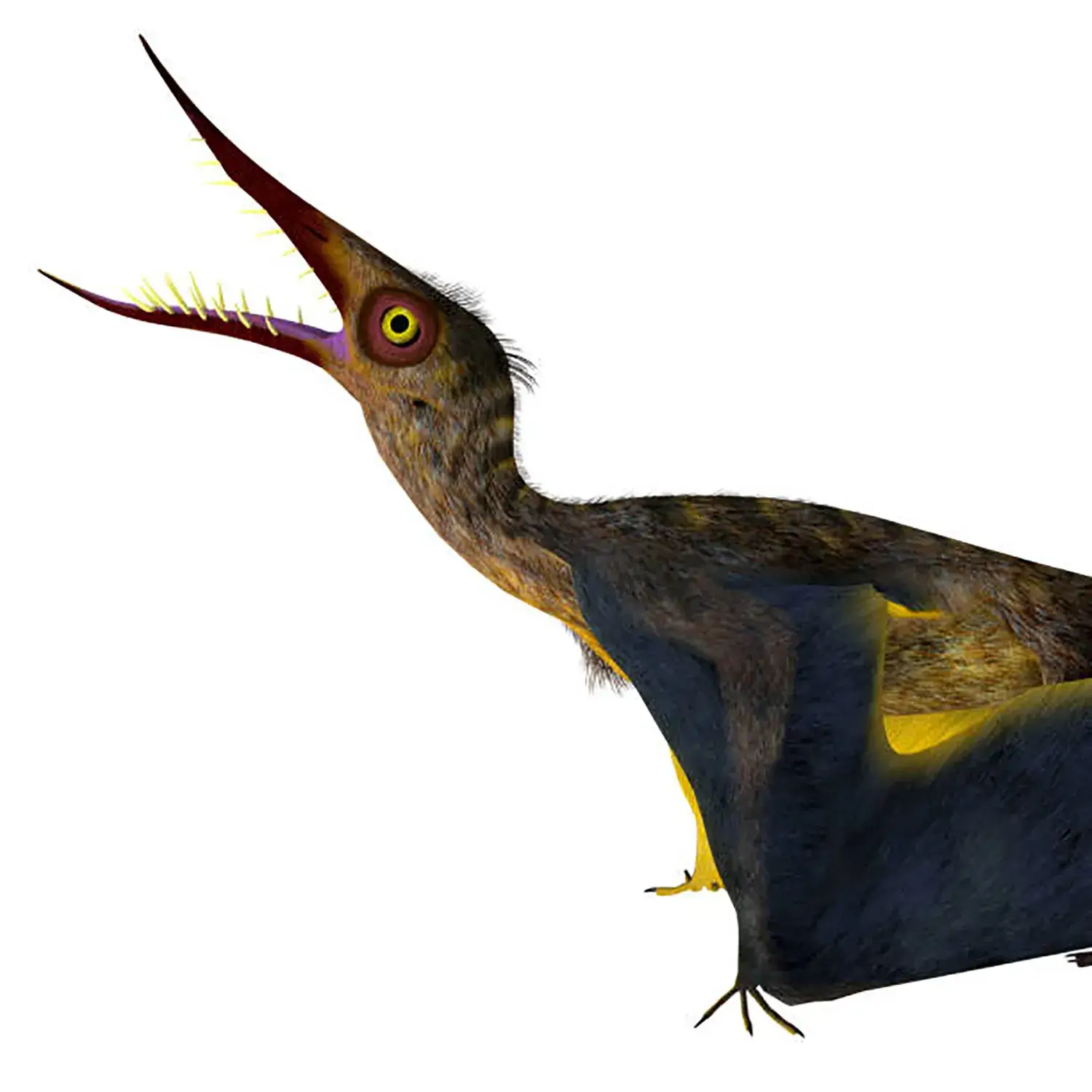
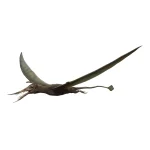
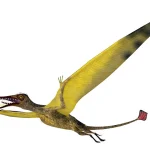
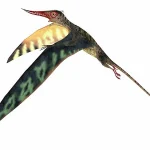
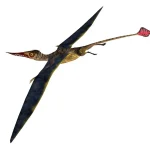
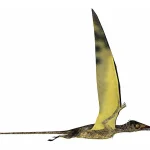
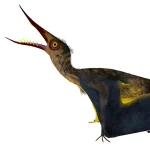
The head of Rhamphorhynchus was long and slender like a bird’s, featuring a beak-like mouth that curved slightly upward.
It had a long, slender, beak-like mouth that curved slightly upward, similar to a bird.
“Protruding Fangs” Specialized for Hunting
While the beak itself lacked teeth, just behind it were about 20 “needle-like, forward-pointing sharp fangs” spaced widely apart.
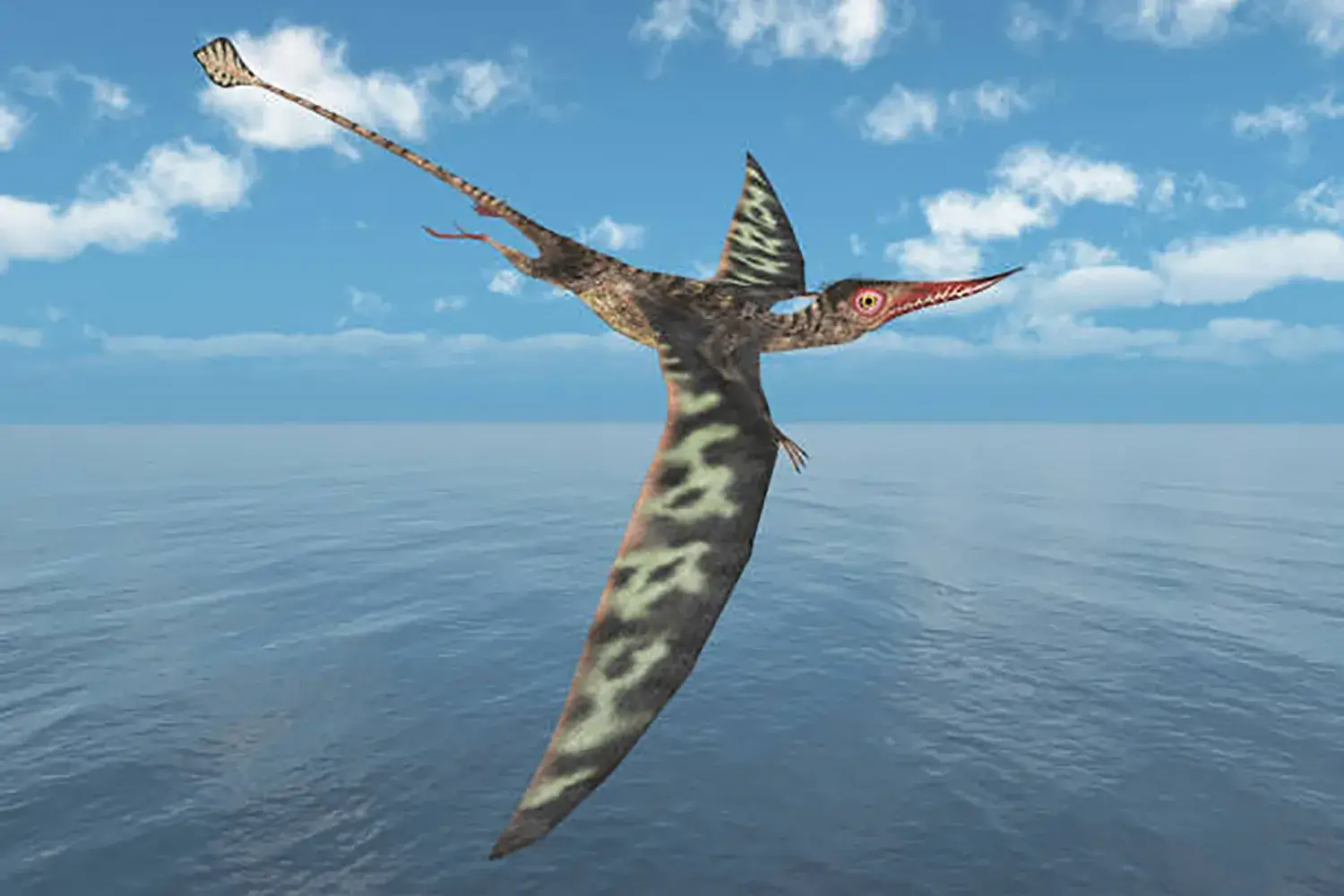
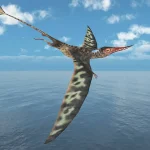
It is believed that they glided right above the water’s surface, using these fangs to spear and catch fish swimming near the surface.
It glided close to the water’s surface, spearing fish with its fangs to catch its prey.
Flying the Night Sky and Swimming in the Water
Based on the structure of their large eyes, it has been determined that they were “nocturnal.”
During the day, they rested by hanging from tree branches like modern bats, taking flight at night in search of prey.
Additionally, some studies suggest that their body structure was well-suited for swimming, indicating they may have been as adept in the water as they were in the air.
An “Exceptionally Long Tail” for Steering
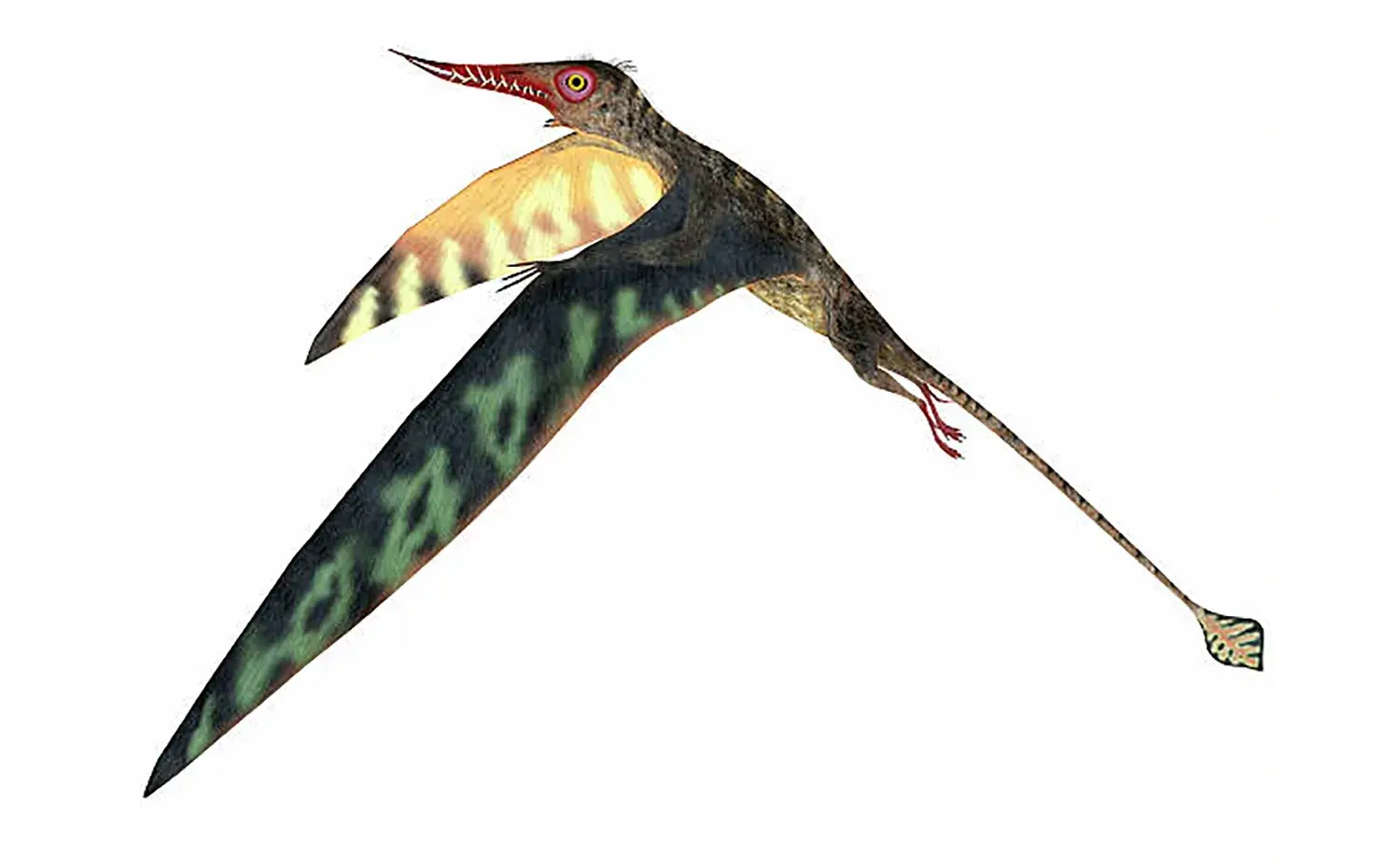
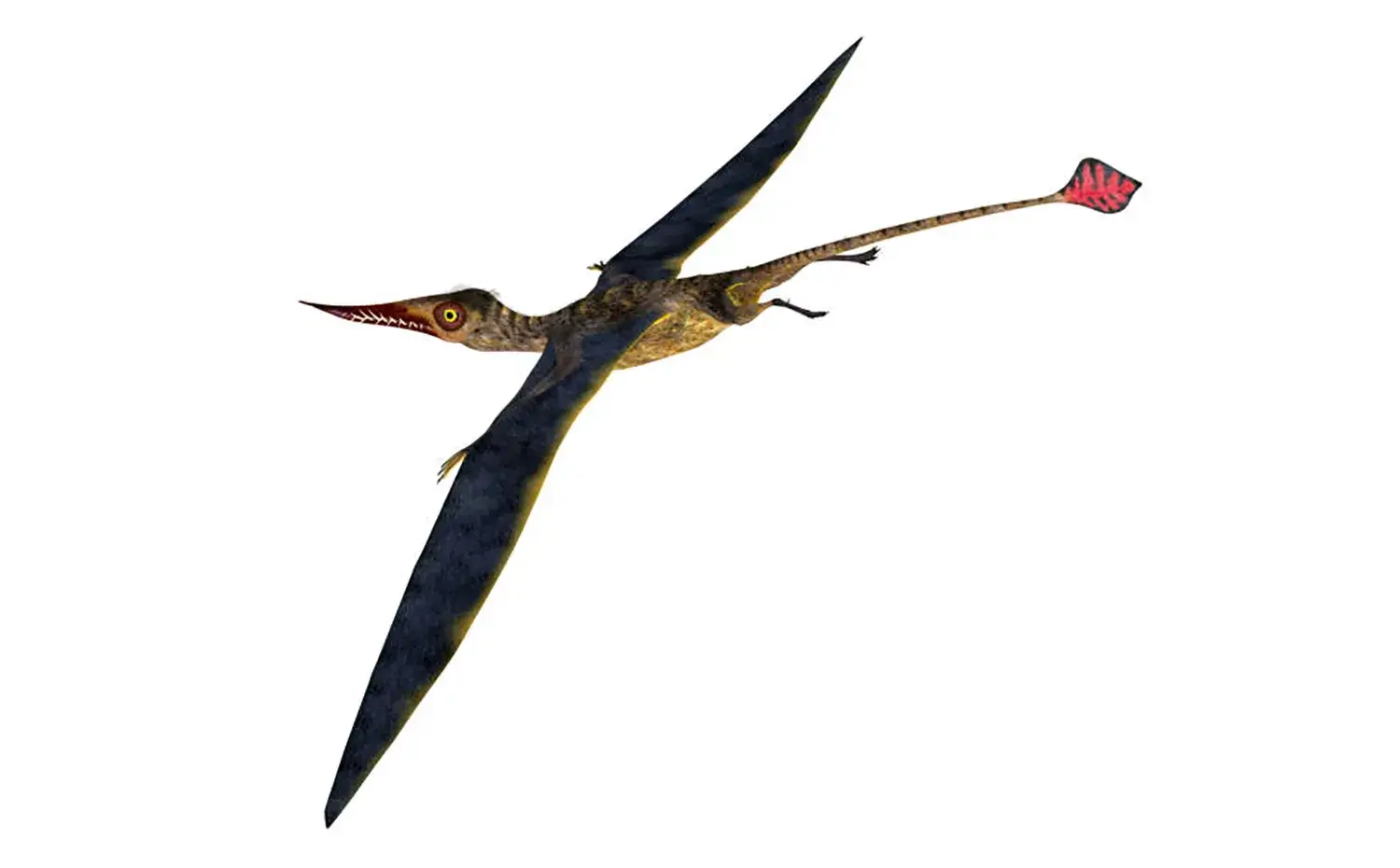
Instead of having a head “crest” like early pterosaurs such as Dimorphodon, Rhamphorhynchus had an incredibly long tail that was twice the length of its torso.
A “Rudder” for Maintaining Balance in the Air
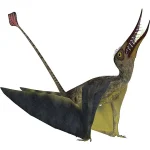
This long tail was stiffened by tendons and featured a “diamond-shaped vane (a sail-like soft tissue)” at its tip.
This vane played a crucial role as a “rudder,” helping them maintain aerial balance while navigating the night sky and making sharp turns just above the water.
Truths Revealed by “Miraculous Fossils” Preserving Soft Tissue
Rhamphorhynchus fossils have been discovered around the world, including in the United Kingdom, southern Germany, and Tanzania.
The most famous among these is the Solnhofen limestone quarries in Germany, also known as the site where Archaeopteryx was discovered.
Uncovering the Structure of the Wing Membrane
The fossils from Solnhofen are exceptionally well-preserved, retaining traces of “soft tissues” like wing membranes and tail vanes in addition to the bones.
Microscopic investigations have revealed that the wing membrane was robustly reinforced by “fine fibers running perpendicular to the arm bones.”
Size Differences Due to “Growth Stages”
In the past, the discovery of fossils of various sizes led scientists to believe multiple species existed, but it is now concluded that they are all “the same species, with size differences simply reflecting different growth stages.”
Vivid Fossils of the Moment of Predation
A fossil has even been found capturing the moment of predation, showing a Rhamphorhynchus being bitten by an ancient fish called Aspidorhynchus.
This vivid evidence illustrates that while they were hunters of the sky, they were also in a vulnerable position, targeted by underwater predators.
Rulers Gracing the Night Skies of the Late Jurassic
The rock formations where Rhamphorhynchus has been found have primarily yielded small dinosaurs of about 1 to 2 meters in length, such as Archaeopteryx and Compsognathus, suggesting that large species may have been scarce in this region during that time.
With its small seagull-sized body, sharp fangs for spearing fish, and a long tail serving as a rudder, Rhamphorhynchus was truly remarkable.
There is no doubt that they cast a bizarre yet fascinating presence within the ecosystem of the Late Jurassic period.