
Jobaria
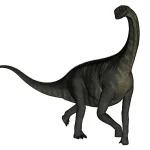
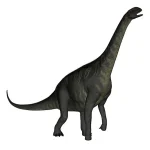
Name Origin
Named after "Jobar," a mythical beast in the folklore of the Tuareg people
Classification
Diapsida, Saurischia, Sauropodomorpha
Habitat (Discovery Location)
Niger
Period
Approximately 164 to 161 million years ago (Middle Jurassic)
Length
Approximately 21 meters
Weight
Approximately 22 tons
Diet
Herbivore (Plant-eater)
You might also like... 

-
 Euoplocephalus
- Classification
- Thyreophora
- Characteristics
- Herbivorous
- Era
- Cretaceous period
- Barosaurus
- Classification
- Sauropods
- Characteristics
- Herbivorous
- Era
- Jurassic period
- Limusaurus
- Classification
- Theropods
- Characteristics
- Herbivorous
- Era
- Jurassic period
- Talenkauen
- Classification
- Ornithopoda
- Characteristics
- Herbivorous
- Era
- Cretaceous period
-
Sponsored Links
-
Sponsored Links









![[Latest Research] What Was the Function of Spinosaurus's Giant "Sail"? Exploring the Mysteries of Thermoregulation and Underwater Locomotion](https://dinosaurmuseum.jp/wp/wp-content/uploads/eyecatch_spinosaurus-sail-function_en-1024x512.webp)
![[Latest Discovery] A Third Type of Skin, Neither Scales Nor Feathers? Meet "Haolong dongi," a New Dinosaur Species Covered Entirely in Spikes](https://dinosaurmuseum.jp/wp/wp-content/uploads/eyecatch_dinosaur-spiky-skin-discovery_en-1024x512.webp)





Description
The African continent was once covered with lush green forests and large flowing rivers.
From the vast Ténéré Desert (part of the Sahara Desert) in present-day Niger, a massive dinosaur has been brought back to life in the modern era in nearly perfect condition.
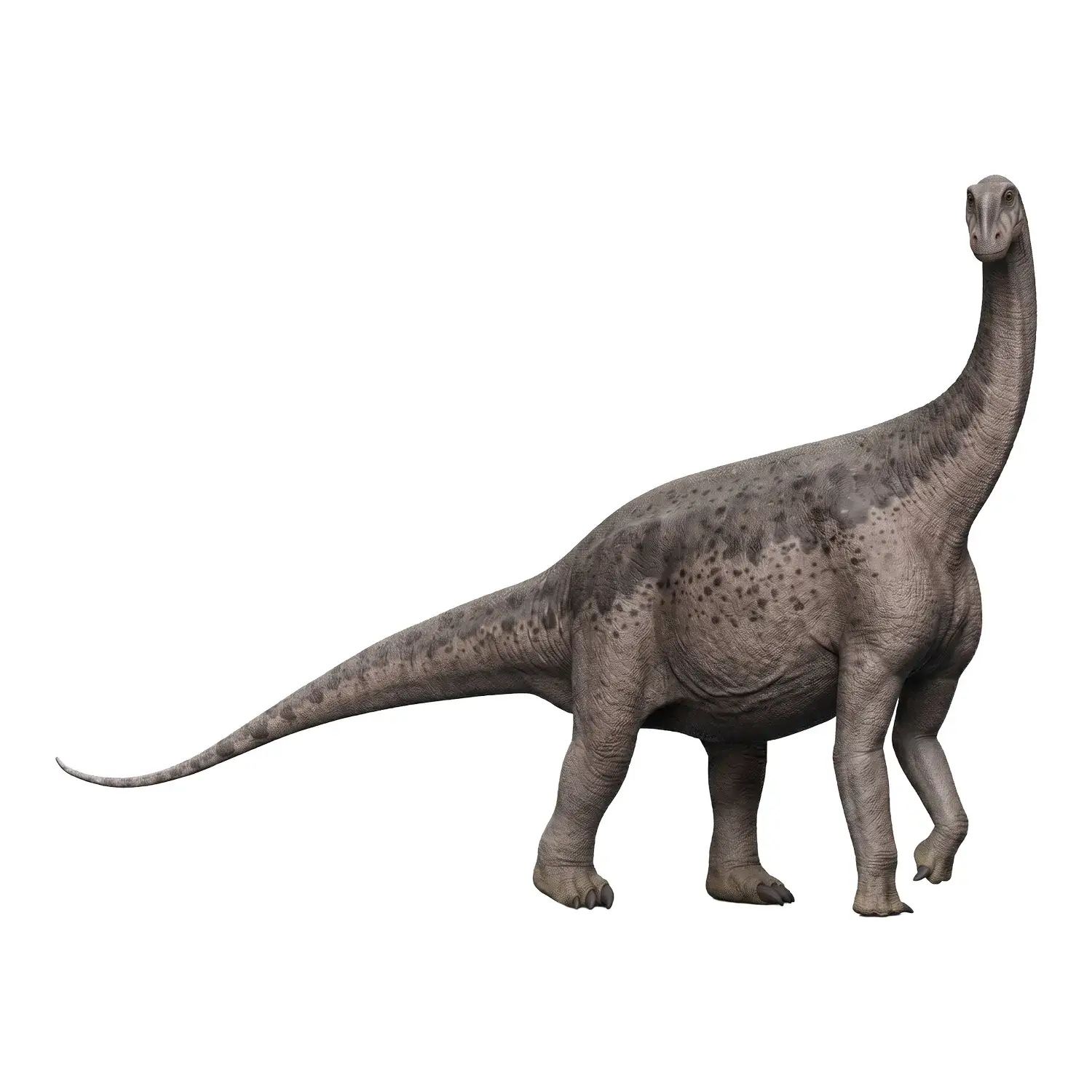
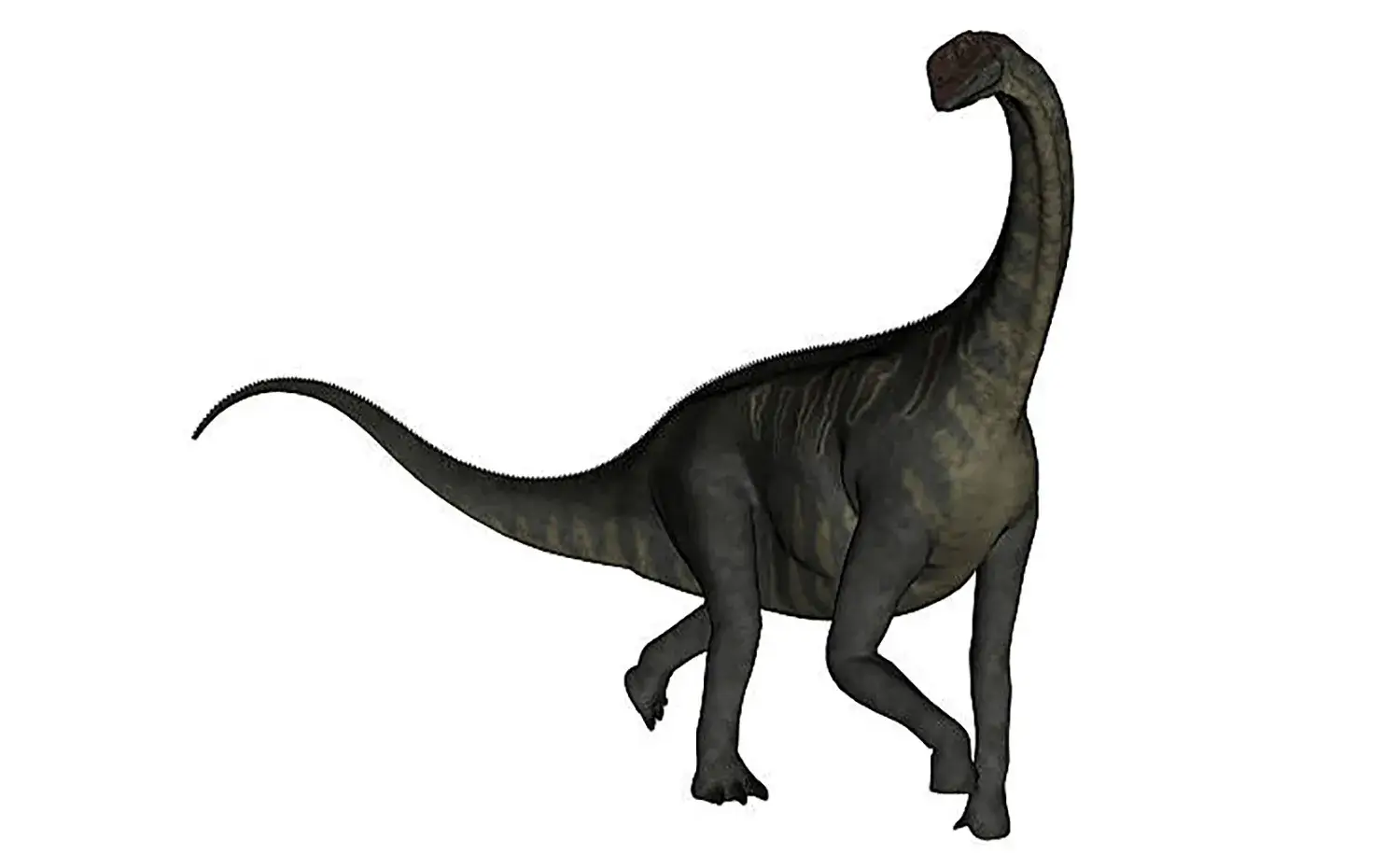
This is Jobaria, a primitive sauropodomorph.
Despite boasting a magnificent body length of about 21 meters (69 feet), it followed a bizarre evolutionary path that greatly puzzled paleontologists.
A Mythical Beast Emerging from the Sahara and a “95% Miracle”
The fossils of Jobaria were discovered in the fall of 1997 in the Tiourarén Formation of Niger by an expedition team led by Dr. Paul Sereno of the University of Chicago.
A Miraculous State of Preservation
After approximately four months of grueling excavation work, the fossils of eight individuals of varying sizes were unearthed.
While it is incredibly rare to find complete skeletons of giant herbivorous sauropodomorphs, Jobaria was excavated with a staggering 95% of its skeleton completely preserved.
This was a massive discovery that can truly be called a “miracle” in dinosaur research.
Origin of the Name
It was named Jobaria tiguidensis in 1999, derived from “Jobar,” a mythical beast in the folklore of the local Tuareg people, and the nearby cliffs of Tiguidi where it was found.
The Taxonomic Debate Sparked by an “Anachronistic Dinosaur”
Although a nearly complete skeleton was found, its physical structure was so “primitive” that it left scientists deeply perplexed.
Primitive Features Typical of an Older Era
It featured spoon-shaped teeth, only 12 neck bones (cervical vertebrae)—fewer than other sauropodomorphs—and both a short neck and a short tail.
Furthermore, its tail lacked flexibility. These were all characteristics typically seen in much older sauropodomorphs.
A Misunderstanding in Dating the Strata
The rock formation where the fossils were found was initially thought to be from the “Early Cretaceous (a relatively recent era).”
It was unnatural for a dinosaur with such primitive features to exist in a newer era, making it extremely difficult to pinpoint its taxonomic position.
Settled as a Jurassic Dinosaur
Recent geological studies revealed that the rock formation at the discovery site was not from the Cretaceous, but rather from the much older “Middle Jurassic.”
This made its primitive features perfectly logical, though debates regarding its exact taxonomic classification continue to this day.
Herd Life and a “Rearing” Skeletal Reconstruction
A Large Herd Huddling Together
Since eight individuals of different sizes were found grouped together at the excavation site, it is highly likely that they lived in large herds.
It is presumed this was a behavioral defense mechanism to protect themselves from threats like the carnivorous dinosaur Afrovenator, which inhabited the same region at the time.
A Dynamic Posture Rearing Up on Two Legs
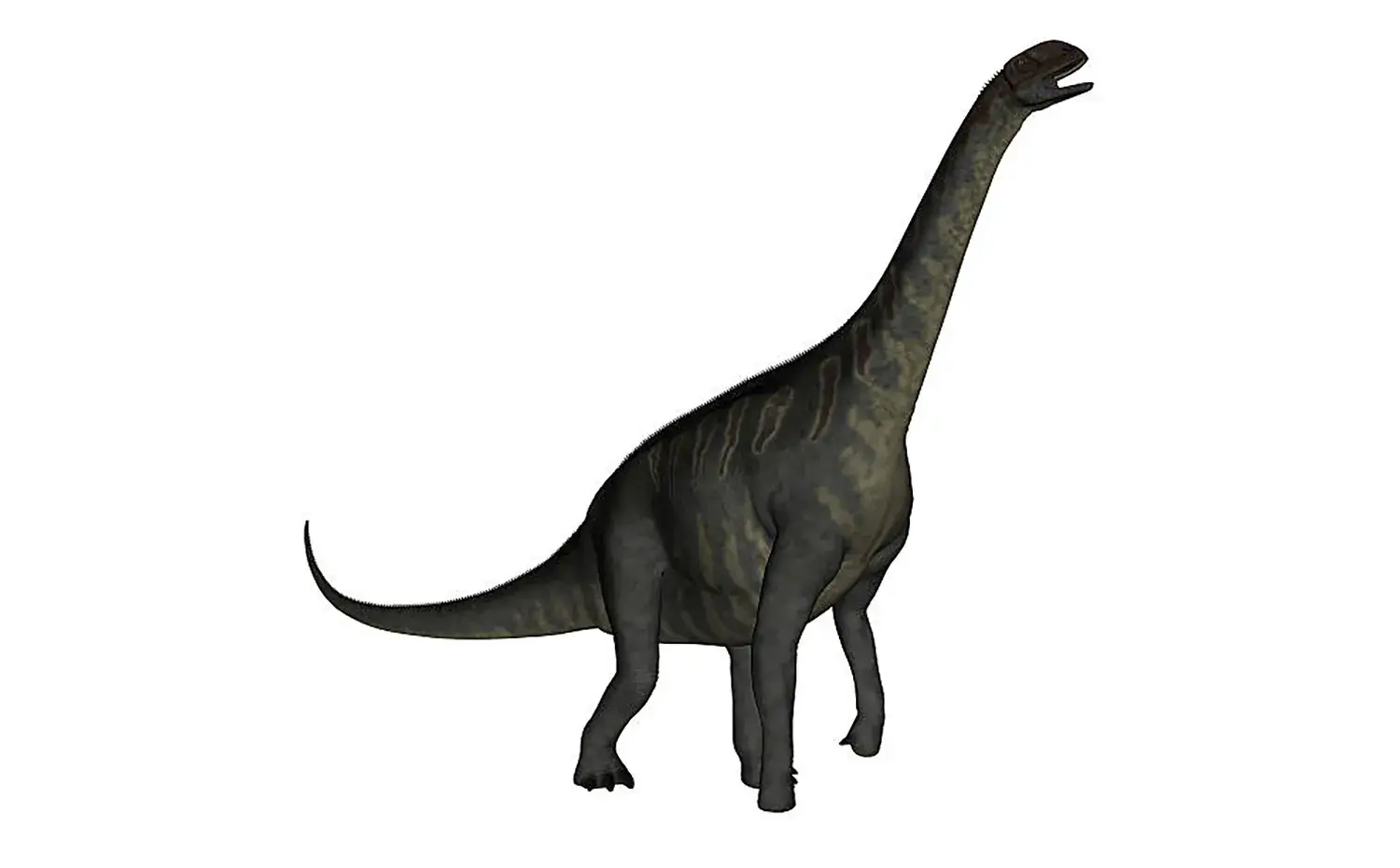
The skeletal reconstruction of Jobaria is famous for depicting it “rearing up high on just its hind legs, using its thick tail for support.”
This is because comparative analyses with modern elephants revealed that Jobaria’s weight distribution “rested much more heavily on its hind legs than its front legs.”
Dr. Sereno proposed the theory that it utilized these robust hind legs and short tail to rear up on two legs when eating leaves from tall trees.
*However, whether they could actually achieve this pose remains a topic of debate among researchers.
A Mythical Beast Striding Through Ancient Forests
Jobaria was excavated from the harsh environment of the Sahara Desert in a miraculous state of preservation.
Due to a misunderstanding of the strata’s age, it was once considered an “anachronistic, mysterious dinosaur,” but today it stands as a critically important specimen that tells the story of the Middle Jurassic ecosystem.
Given the name of a mythical beast, this massive dinosaur may have shaken the earth as it moved in herds, occasionally rearing up on two legs as it strode through the ancient forests of Africa.