
Dubreuillosaurus
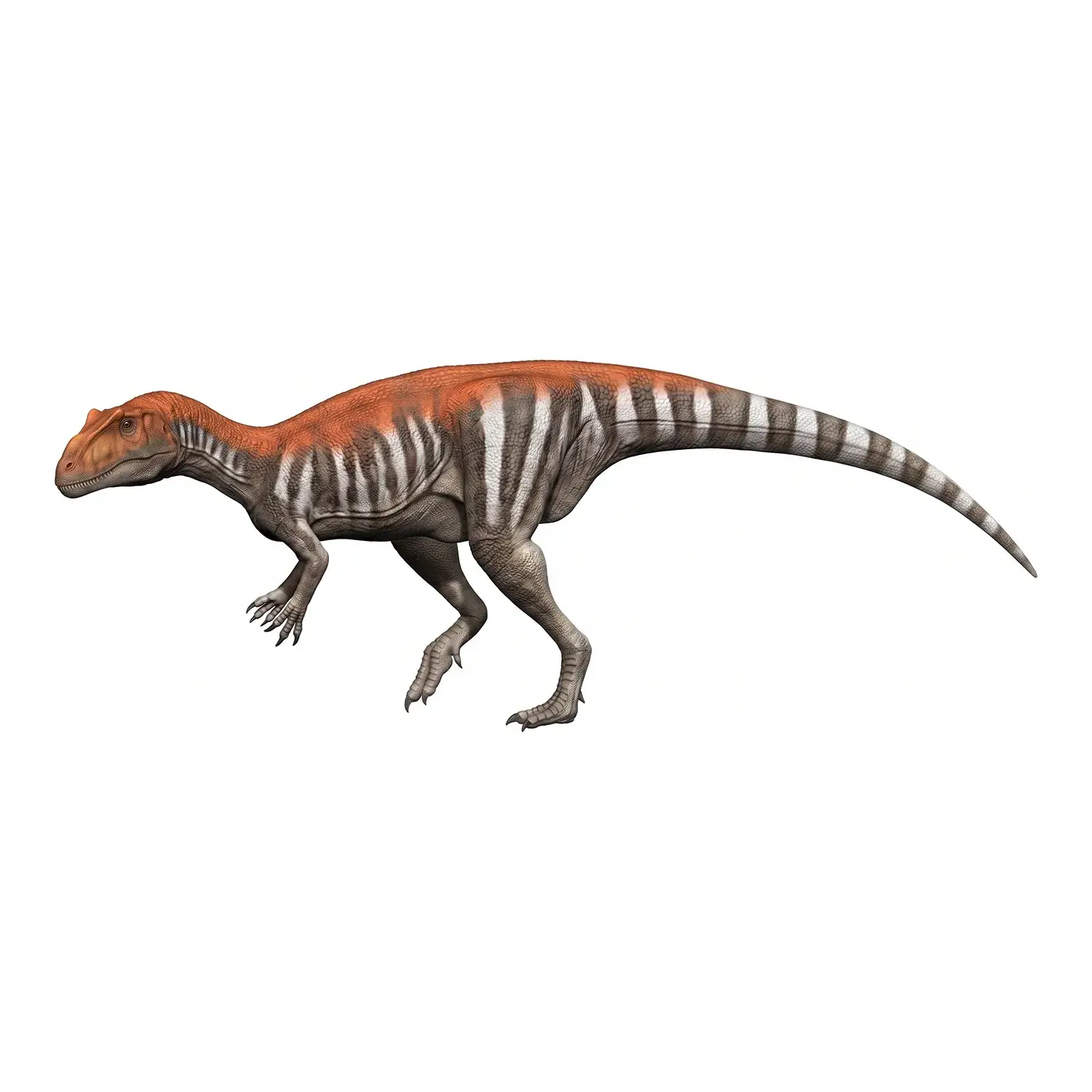
Name Origin
Dubreuil's lizard (named after the discoverer)
Family
Megalosauridae
Classification
Reptilia, Saurischia, Theropoda
Habitat (Discovery Location)
France
Period
Middle Jurassic
Length
Approximately 5 meters
Weight
Approximately 250 kilograms
Diet
Piscivore (Fish-eater)
You might also like... 

-
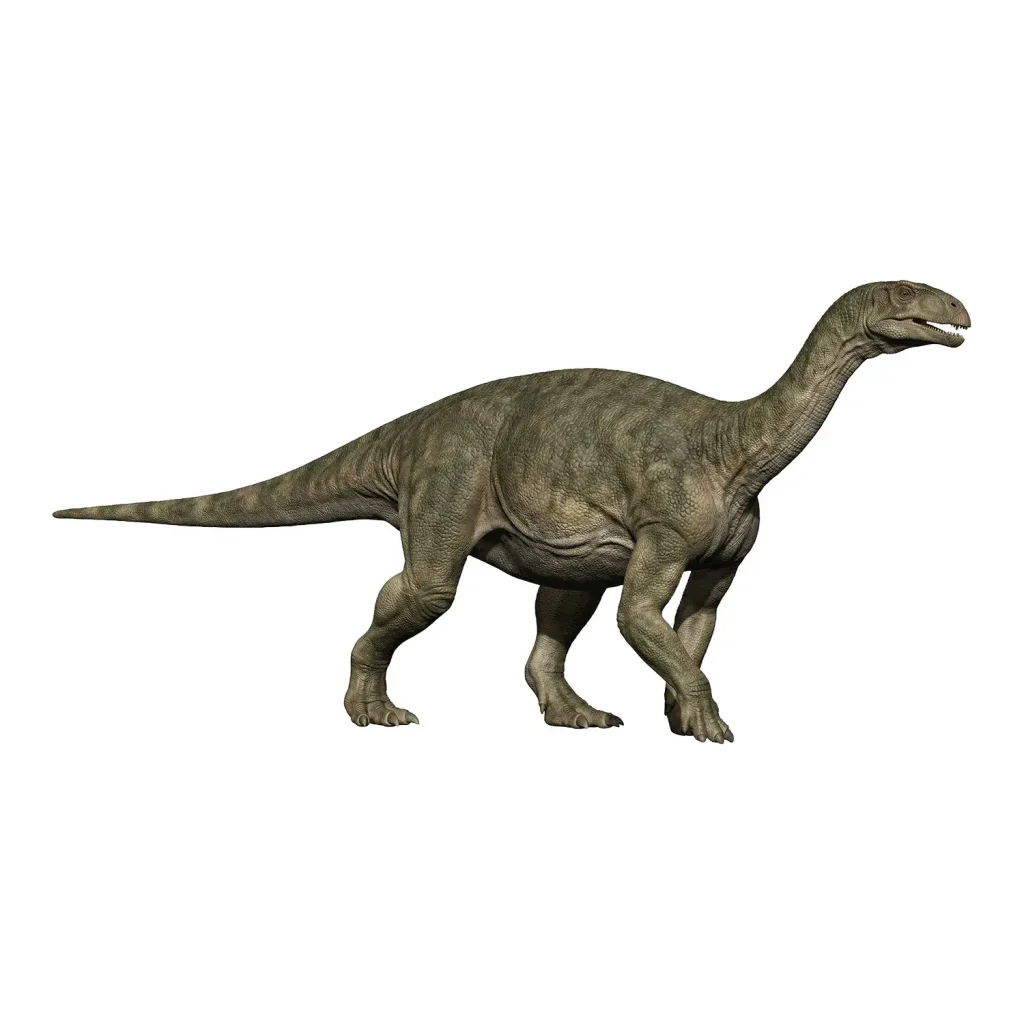
 Euskelosaurus
- Classification
- Sauropods
- Characteristics
- Herbivorous
- Era
- Triassic period
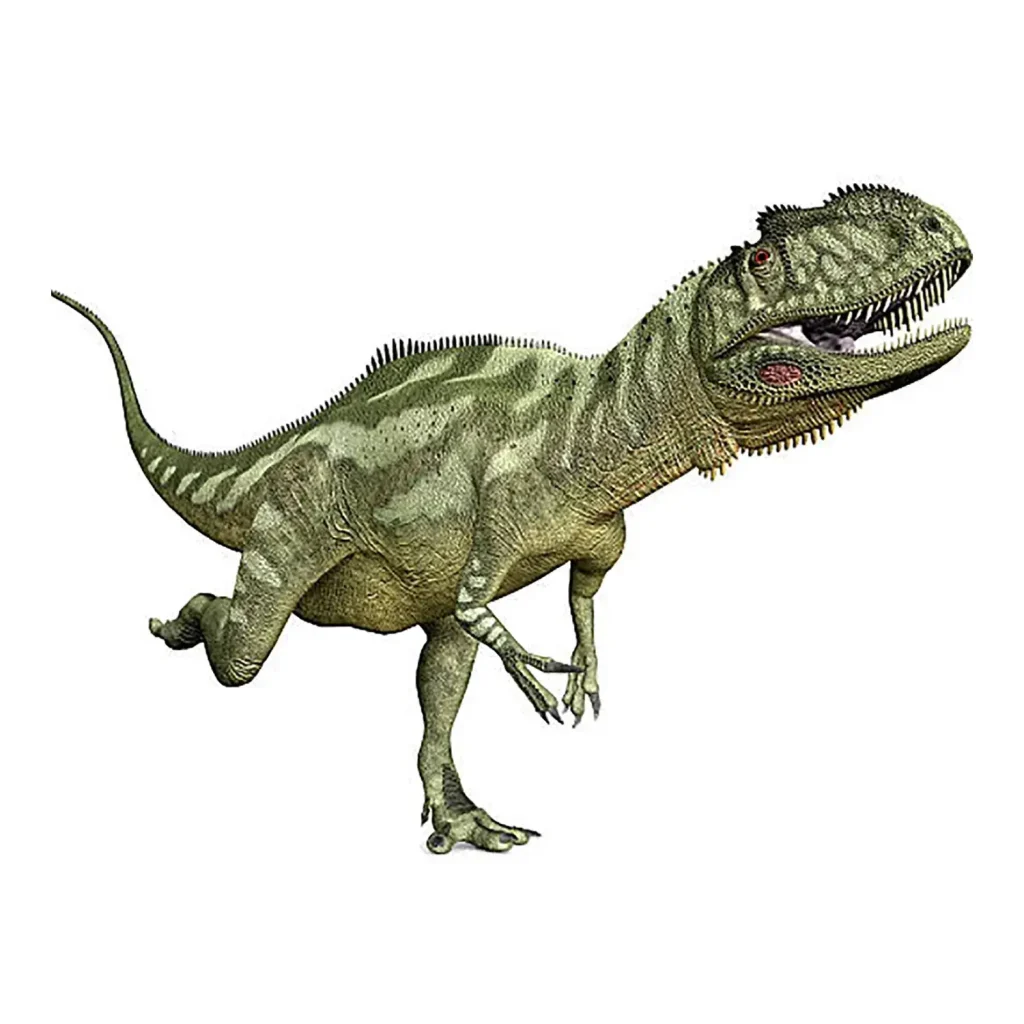
- Yangchuanosaurus
- Classification
- Theropods
- Characteristics
- Carnivorous
- Era
- Jurassic period
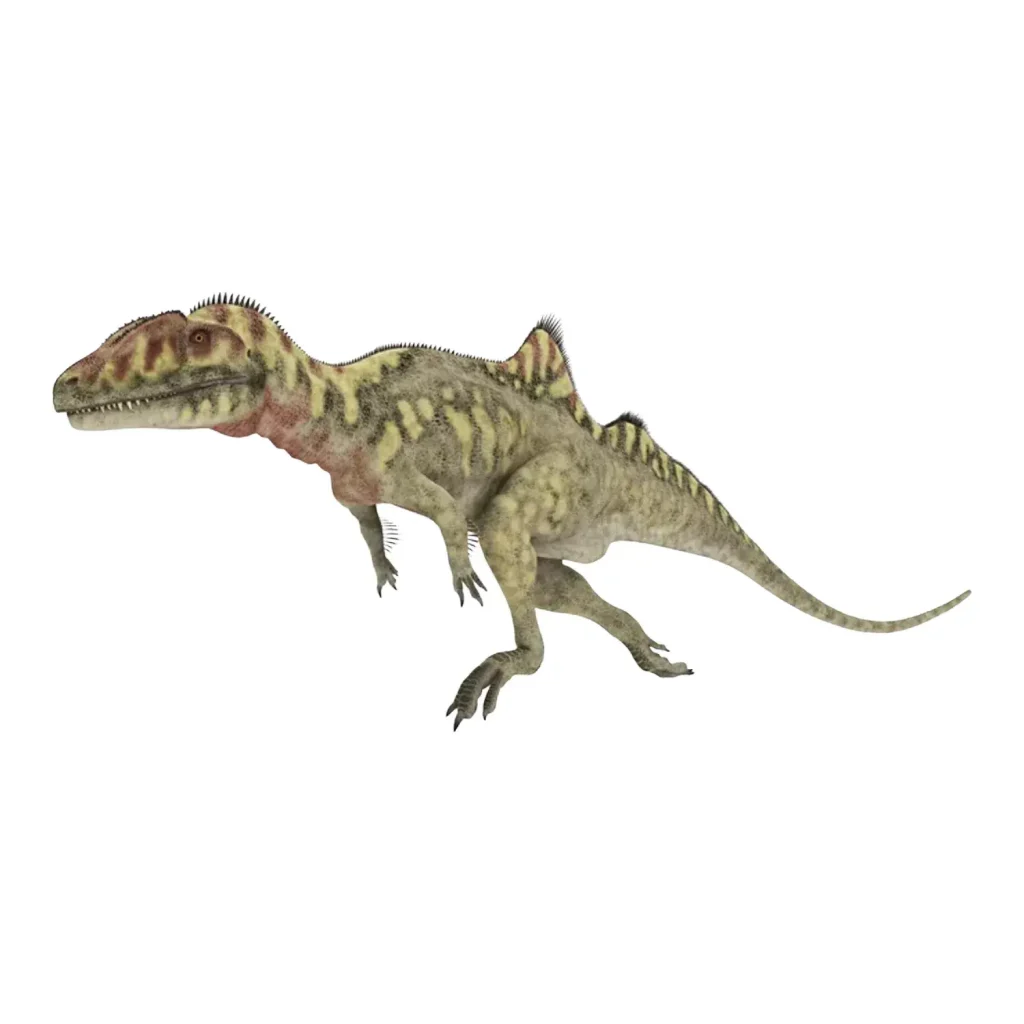
- Concavenator
- Classification
- Theropods
- Characteristics
- Carnivorous
- Era
- Cretaceous period
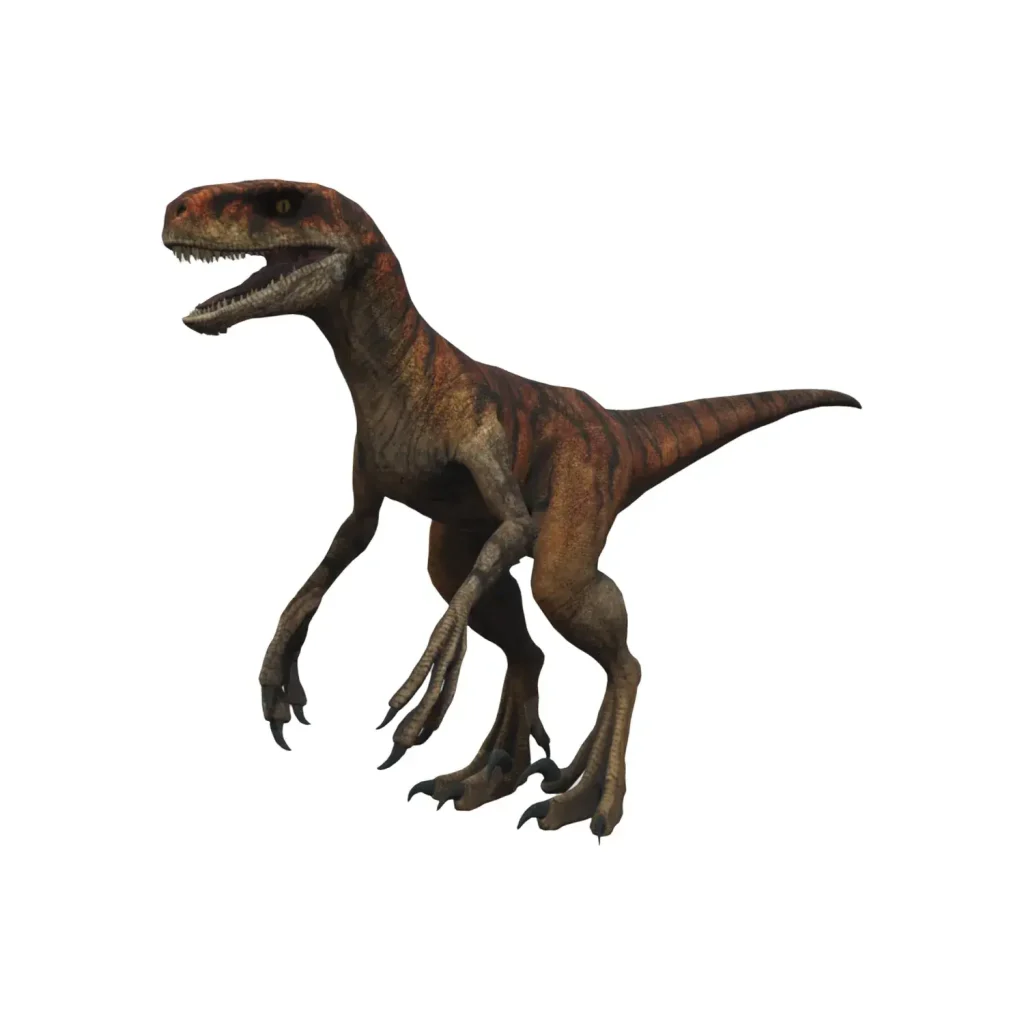
- Atrociraptor
- Classification
- Theropods
- Characteristics
- Carnivorous
- Era
- Cretaceous period
-
Sponsored Links
-
Sponsored Links






![[Latest Research] What Was the Function of Spinosaurus's Giant "Sail"? Exploring the Mysteries of Thermoregulation and Underwater Locomotion](https://dinosaurmuseum.jp/wp/wp-content/uploads/eyecatch_spinosaurus-sail-function_en-1024x512.webp)
![[Latest Discovery] A Third Type of Skin, Neither Scales Nor Feathers? Meet "Haolong dongi," a New Dinosaur Species Covered Entirely in Spikes](https://dinosaurmuseum.jp/wp/wp-content/uploads/eyecatch_dinosaur-spiky-skin-discovery_en-1024x512.webp)

Description
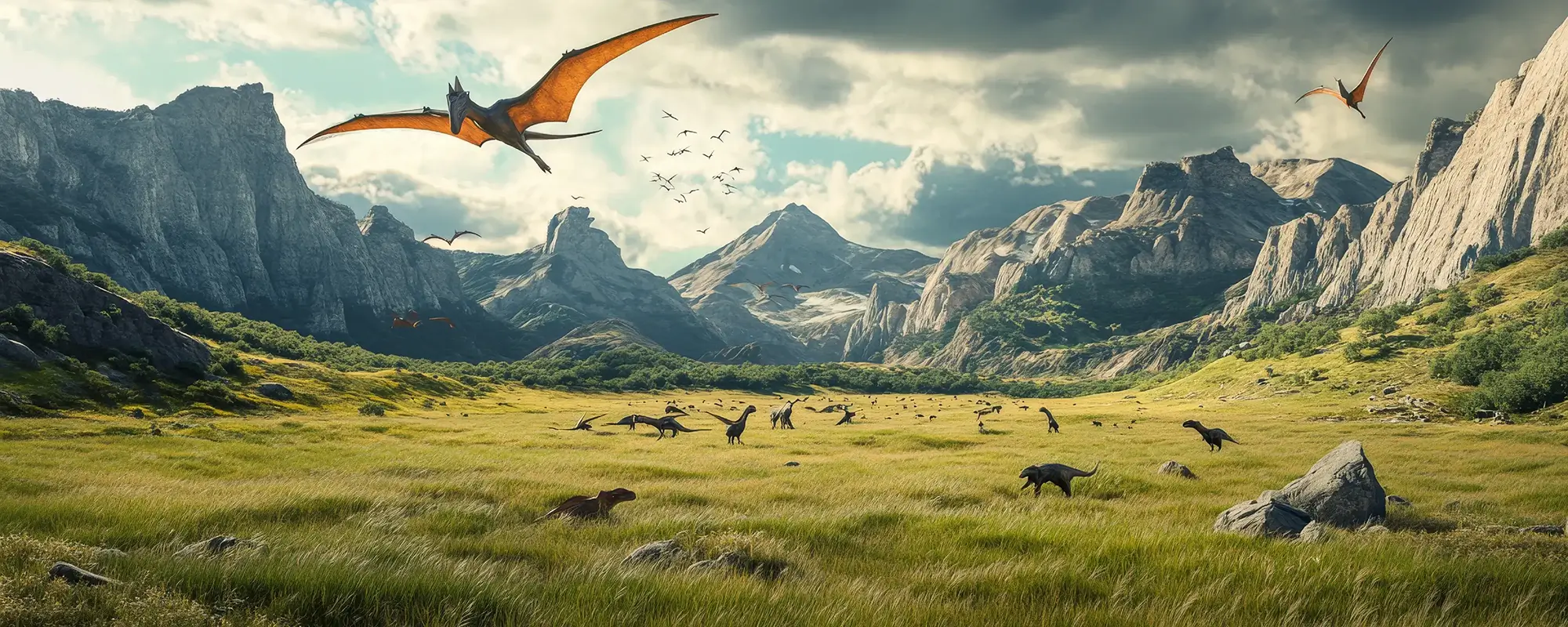
Europe in the Middle Jurassic period.
The area around present-day Normandy, France, was made up of numerous islands scattered in the sea at the time.
Dubreuillosaurus is a carnivorous dinosaur believed to have claimed these coastal mangrove forests as its territory, hunting for seafood.
Starting with an accidental discovery, this dinosaur—miraculously resurrected from rubble leveled by a bulldozer—is known for being exceptionally well-preserved among the megalosaurids.
An “Accidental Discovery” Resurrected from a Pile of Rubble
The story of Dubreuillosaurus begins in 1994 in the French town of Conteville.
A Chance Encounter at an Old Quarry
While carrying out land restoration work at an old quarry site, the town’s mayor at the time, André Dubreuil, accidentally discovered part of a skull and ribs exposed on the surface and reported them to the National Museum of Natural History in Paris.
A 2,000-Piece Bone Puzzle
However, by the time experts began full-scale excavations in 1998, the rocks at the old quarry had already been extensively leveled by a bulldozer.
The research team spent several years sifting through the rubble, recovering about 2,000 bone fragments ranging from 1 to 10 centimeters in size, and undertook the monumental task of piecing them together like a puzzle.
The Journey from a “Question Mark” to an Independent New Genus
In 2002, while the skeleton was still being reconstructed, paleontologist Ronan Allain considered the fossil to be a new species of an existing carnivorous dinosaur and named it Poekilopleuron? valesdunensis, after an ancient battlefield.
What is noteworthy is the “?” (question mark) after the genus name.
From the beginning, Allain had doubts about classifying it under Poekilopleuron, treating it strictly as a provisional classification.
Then, in 2005, after analyzing the more complete skeleton, it was concluded that it possessed distinctly different characteristics.
To honor the initial discoverer’s family, the Dubreuils, a new genus named Dubreuillosaurus (“Dubreuil’s lizard”) was established, and the dinosaur was officially renamed.
A Miraculous State of Preservation and an “Unusually Long and Low” Skull
The holotype specimen preserved a vast number of parts, including most of the skull, cervical vertebrae, dorsal vertebrae, caudal vertebrae, ribs, the scapula, and portions of the limb bones.
While fossils of megalosaurids are often incomplete, this is an exceptionally magnificent specimen comparable to that of Eustreptospondylus.
An Unusually Low and Long Skull
Its most prominent feature was the shape of its skull, which was an astonishing three times longer than it was tall.
Other Physical Characteristics
It has been confirmed that the head of its femur angled inward and downward, and there was a large fenestra (opening) in its lower jaw.
While there are no traces of crests or horns, it is believed to have had short, powerful forelimbs with three fingers, much like its close relatives.
A Rich Coastal Life That Contradicts Insular Dwarfism
The discovered holotype was a “subadult” (a juvenile before reaching adulthood), and prominent paleontologists estimate its body length to be about 5 meters (16.4 feet) and its weight around 250 kilograms (550 lbs).
*While there were past exaggerations claiming adults reached 9 meters, there is no solid evidence to support this.
Refuting Insular Dwarfism
Europe at the time was made up of numerous islands.
When animals live in isolated environments like small islands for long periods, they sometimes evolve to be smaller—a phenomenon known as “insular dwarfism.” However, Dubreuillosaurus showed no signs of this whatsoever.
A Juvenile Thriving on Seafood
The relatively small size of the fossilized individual was not due to insular dwarfism, but simply because it was a “subadult.”
It is believed that they traveled between the islands, feeding on abundant seafood (such as fish), and obtaining more than enough nutrition to maintain the imposing physique typical of a megalosaurid.
Dubreuillosaurus was resurrected in the modern era through a chance discovery and the patient reconstruction of rubble.
Its miraculously preserved skeleton and unusually long skull have become an irreplaceable and invaluable asset for understanding the dinosaur ecosystem along the coasts of Middle Jurassic Europe.