
Magyarosaurus
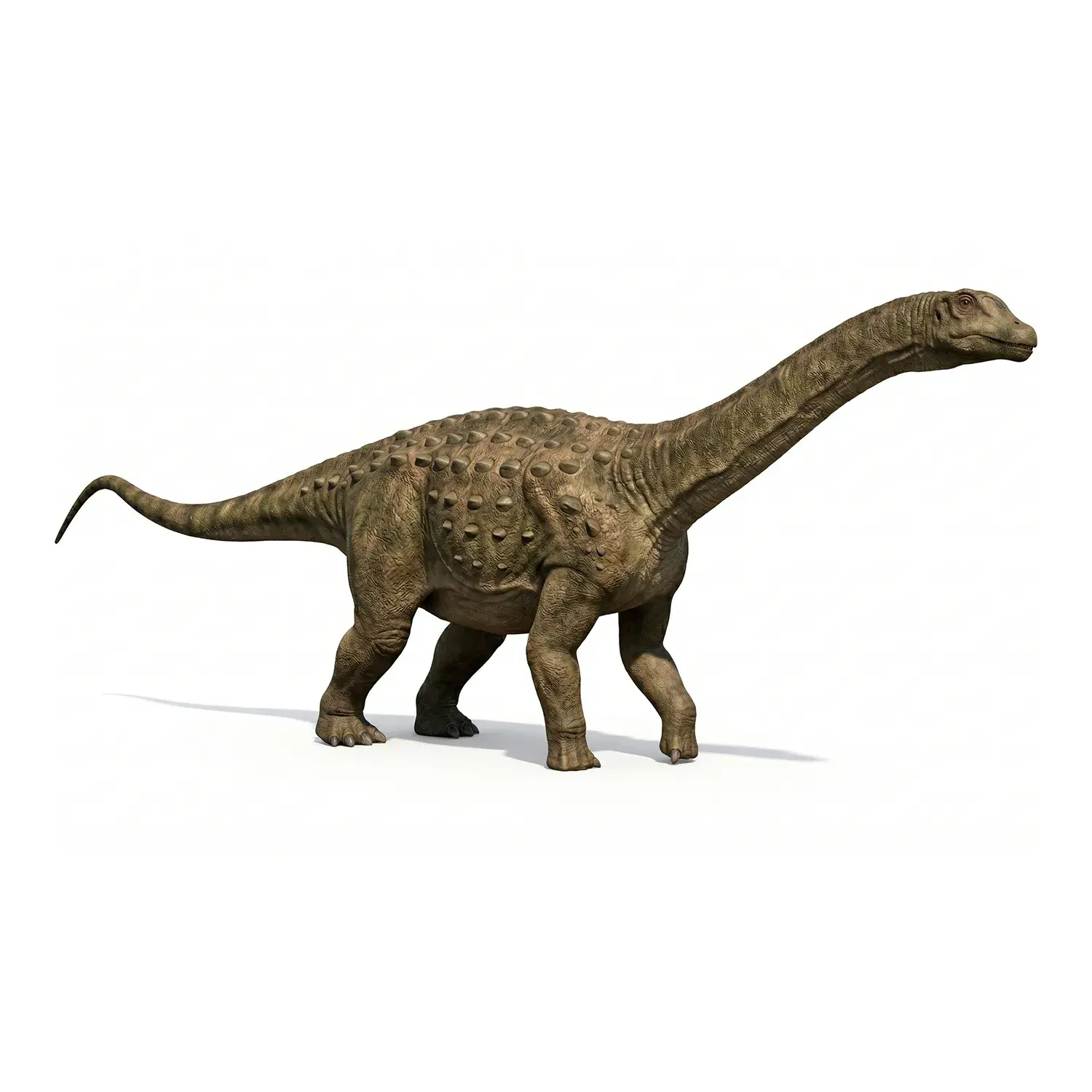
Name Origin
Magyar lizard (Lizard of the Magyar people, the ancestors of modern Hungarians)
Classification
Diapsida, Saurischia, Sauropodomorpha
Habitat (Discovery Location)
Hungary, Romania
Period
Approximately 80 million years ago (Late Cretaceous)
Length
Approximately 5 to 6 meters
Weight
Approximately 1.1 tons
Diet
Herbivore (Plant-eater)
You might also like... 

-
 Citipati
- Classification
- Theropods
- Characteristics
- Omnivorous
- Era
- Cretaceous period
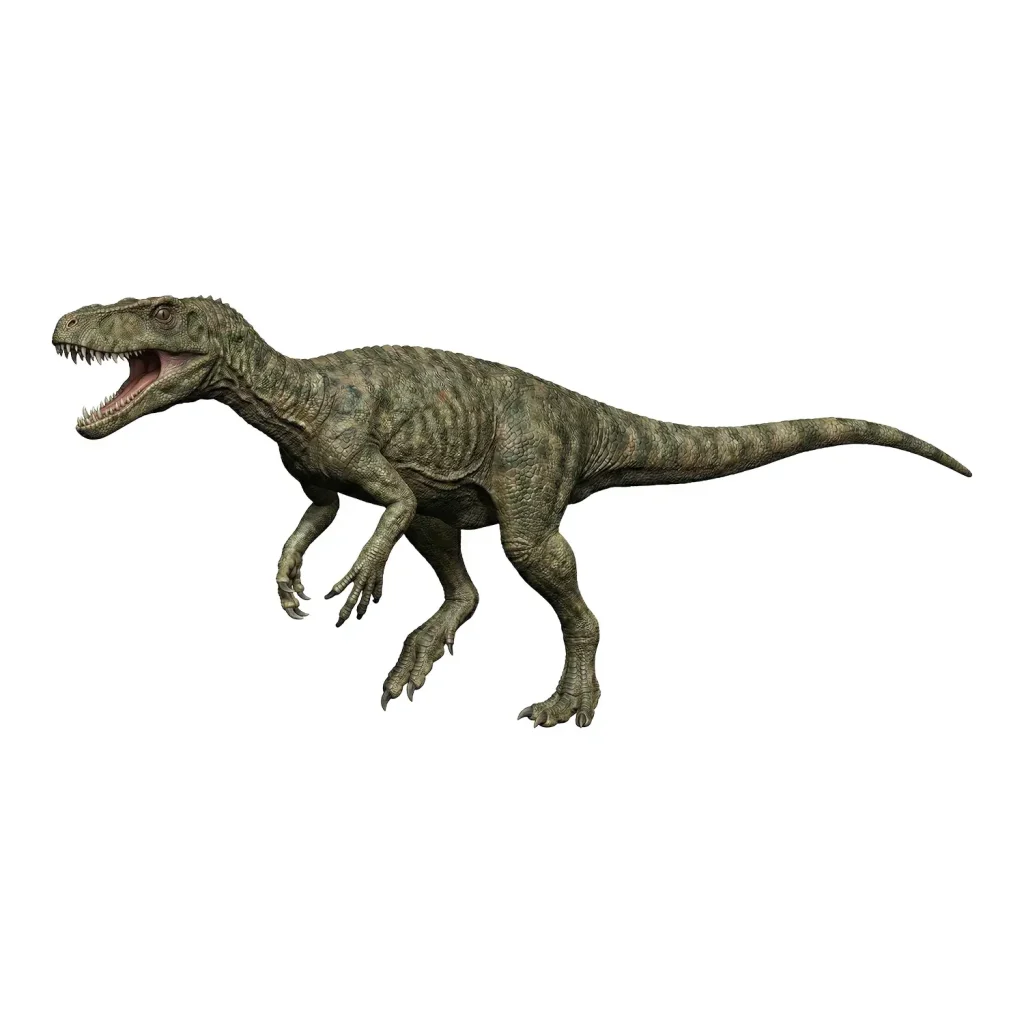
- Frenguellisaurus
- Classification
- Theropods
- Characteristics
- Carnivorous
- Era
- Triassic period
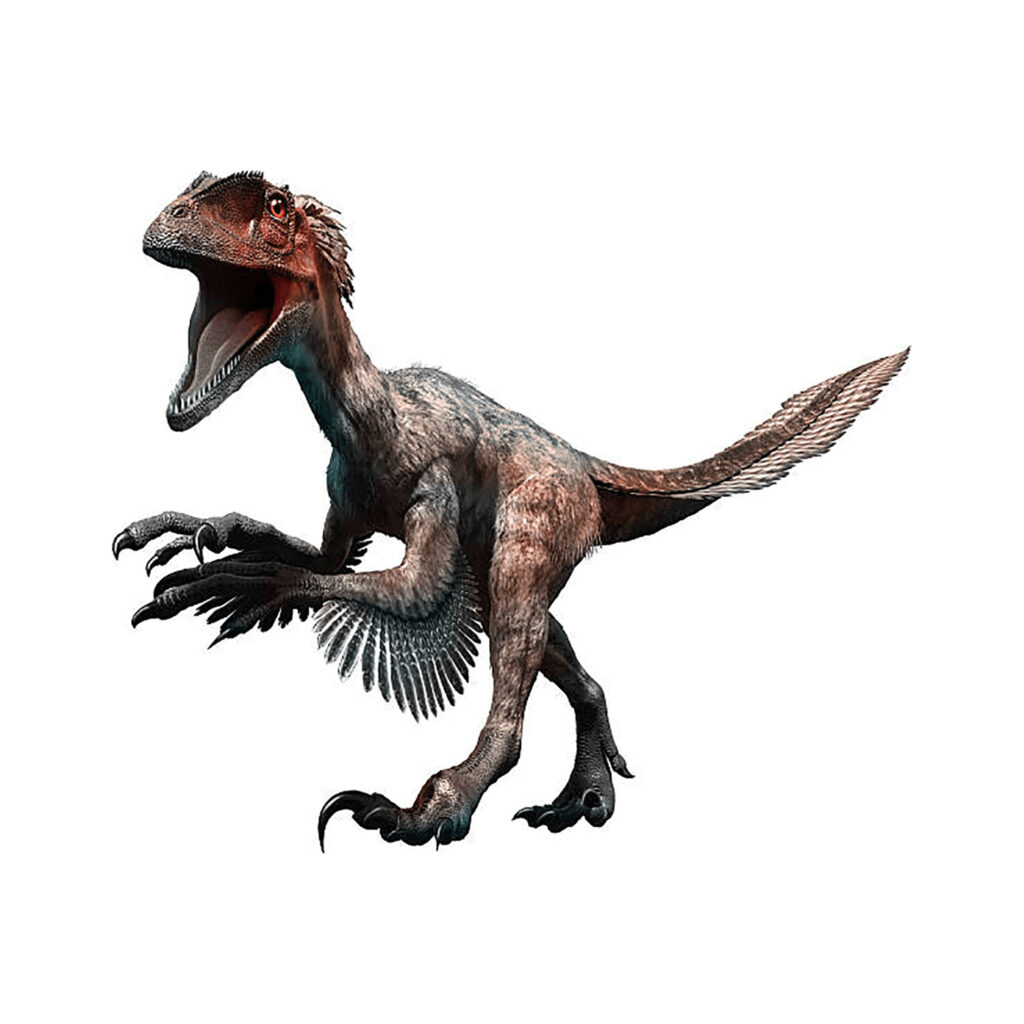
- Deinonychus
- Classification
- Theropods
- Characteristics
- Carnivorous
- Feathered
- Era
- Cretaceous period
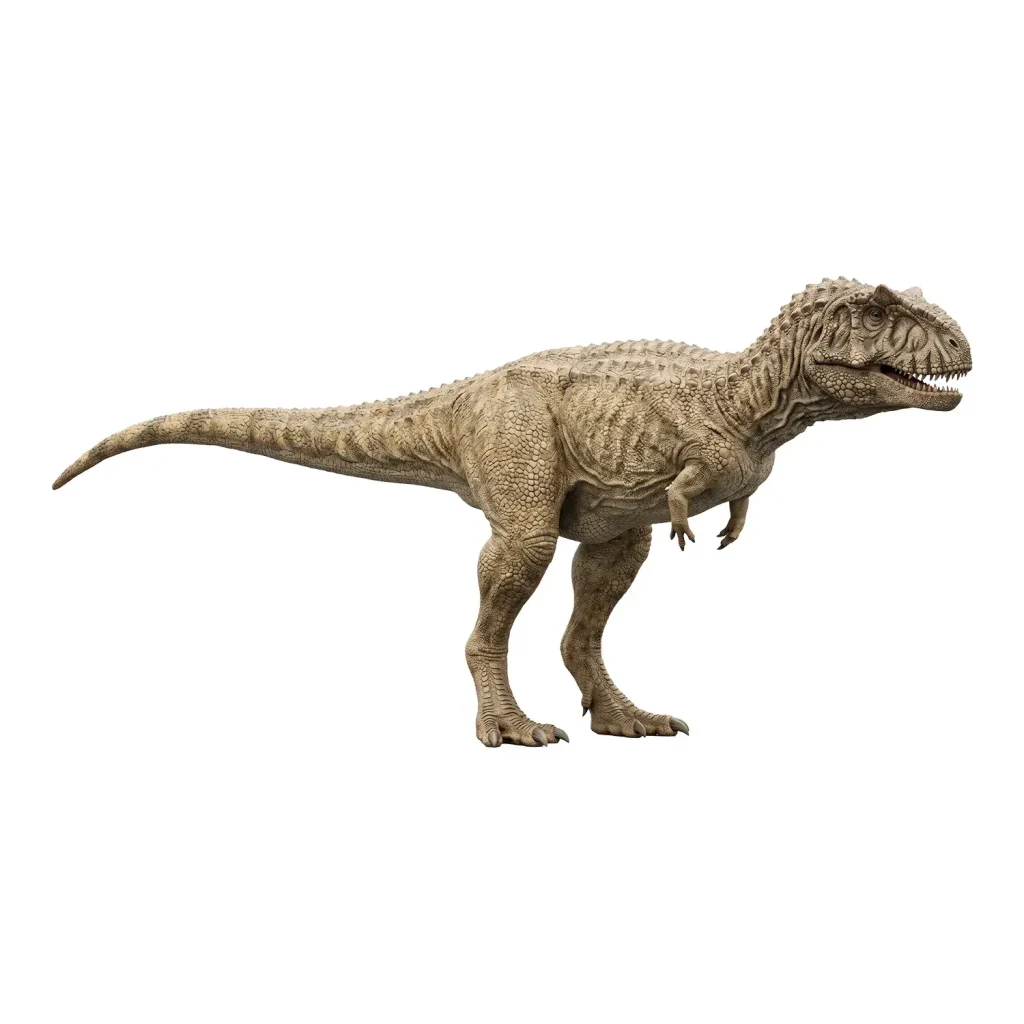
- Kryptops
- Classification
- Theropods
- Characteristics
- Carnivorous
- Era
- Cretaceous period
-
Sponsored Links
-
Sponsored Links










![[Latest Research] What Was the Function of Spinosaurus's Giant "Sail"? Exploring the Mysteries of Thermoregulation and Underwater Locomotion](https://dinosaurmuseum.jp/wp/wp-content/uploads/eyecatch_spinosaurus-sail-function_en-1024x512.webp)
![[Latest Discovery] A Third Type of Skin, Neither Scales Nor Feathers? Meet "Haolong dongi," a New Dinosaur Species Covered Entirely in Spikes](https://dinosaurmuseum.jp/wp/wp-content/uploads/eyecatch_dinosaur-spiky-skin-discovery_en-1024x512.webp)



Description
Magyarosaurus lived around present-day Hungary and Romania during the Late Cretaceous period (approximately 80 million years ago).
Despite belonging to the sauropodomorphs—a group famous for its giant dinosaurs—it is a peculiar dinosaur that was somehow only about the size of a modern giraffe.
One of the “Smallest” Among Sauropodomorphs (Titanosaurs)
Magyarosaurus is classified as a titanosaur, a group that includes many super-massive dinosaurs like Argentinosaurus (which exceeded 30 meters, or 98 feet, in length).
However, its total length was a mere 5 to 6 meters (16 to 19.7 feet).
Among the sauropodomorphs, which are practically synonymous with giant dinosaurs, it is one of the smallest in size.
Why Did It Get So Small? The Wonder of “Insular Dwarfism”
The reason for this extreme reduction in size lies in the unique environment of that era.
During the Mesozoic Era, Europe was an “archipelago” dotted with small islands.
The phenomenon where animals evolve to be smaller in order to adapt to the confined space and limited food resources of an island is called “insular dwarfism.”
Magyarosaurus is considered a prime example of this.
The duck-billed dinosaur Telmatosaurus and the armored dinosaur Struthiosaurus also lived in the same region; they similarly adapted to the environment by shrinking in size and coexisted together.
“Armor” to Protect Against Predators
Even though it had become smaller, it still had ways to defend itself.
Like its close relative Ampelosaurus, which lived in France around the same time, it is believed that the body of Magyarosaurus was equipped with armor to defend against natural predators such as carnivorous dinosaurs.
To survive the unique and harsh environment of an island, Magyarosaurus dared to abandon the path of gigantism and chose to become compact.
Its form is a highly fascinating example that beautifully demonstrates the robust adaptability of life to its environment.