
Incisivosaurus
Name Origin
Incisor Lizard
Classification
Diapsida, Saurischia, Theropoda
Habitat (Discovery Location)
China
Period
Early Cretaceous
Length
Approximately 1 meter
Weight
Approximately 6 kilograms
Diet
Primarily herbivorous
You might also like... 

-
 Stygimoloch
- Classification
- Marginocephalia
- Characteristics
- Herbivorous
- Era
- Cretaceous period
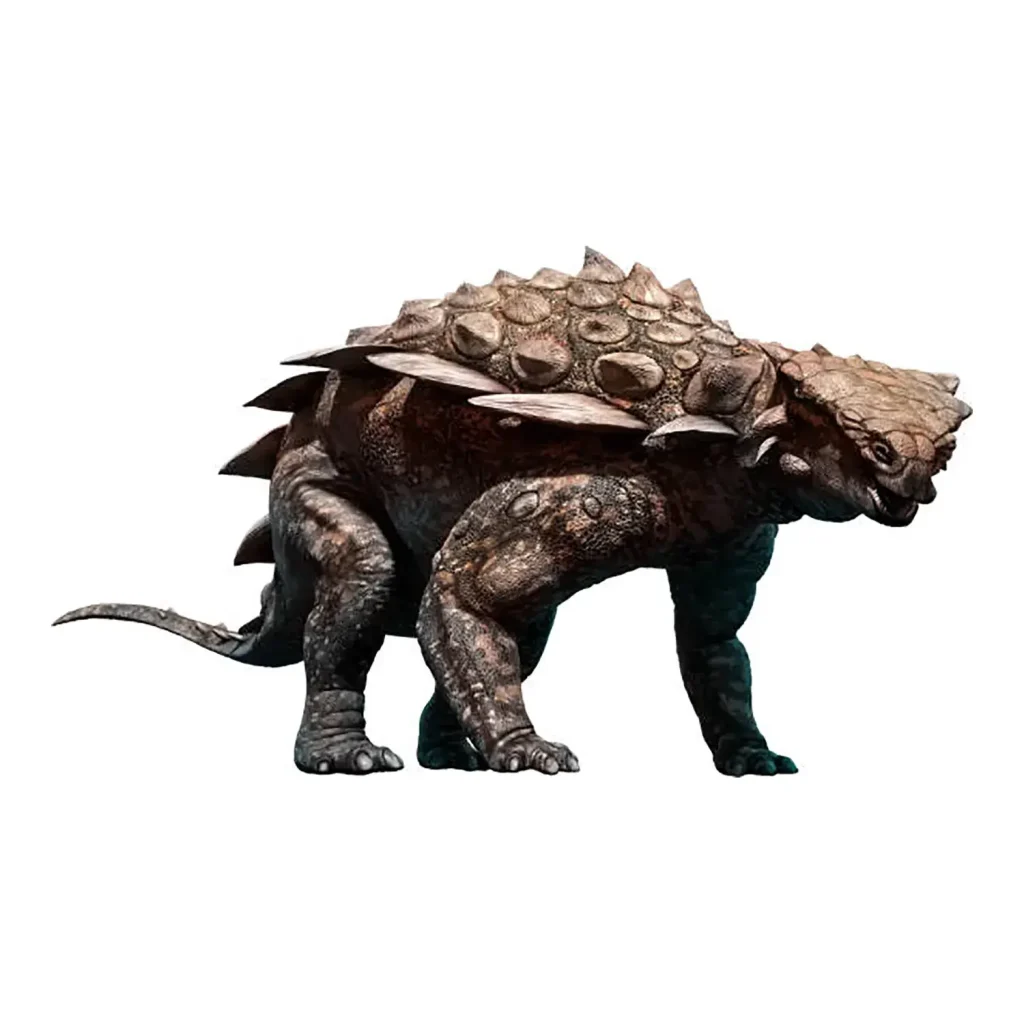
- Gargoyleosaurus
- Classification
- Thyreophora
- Characteristics
- Herbivorous
- Era
- Jurassic period
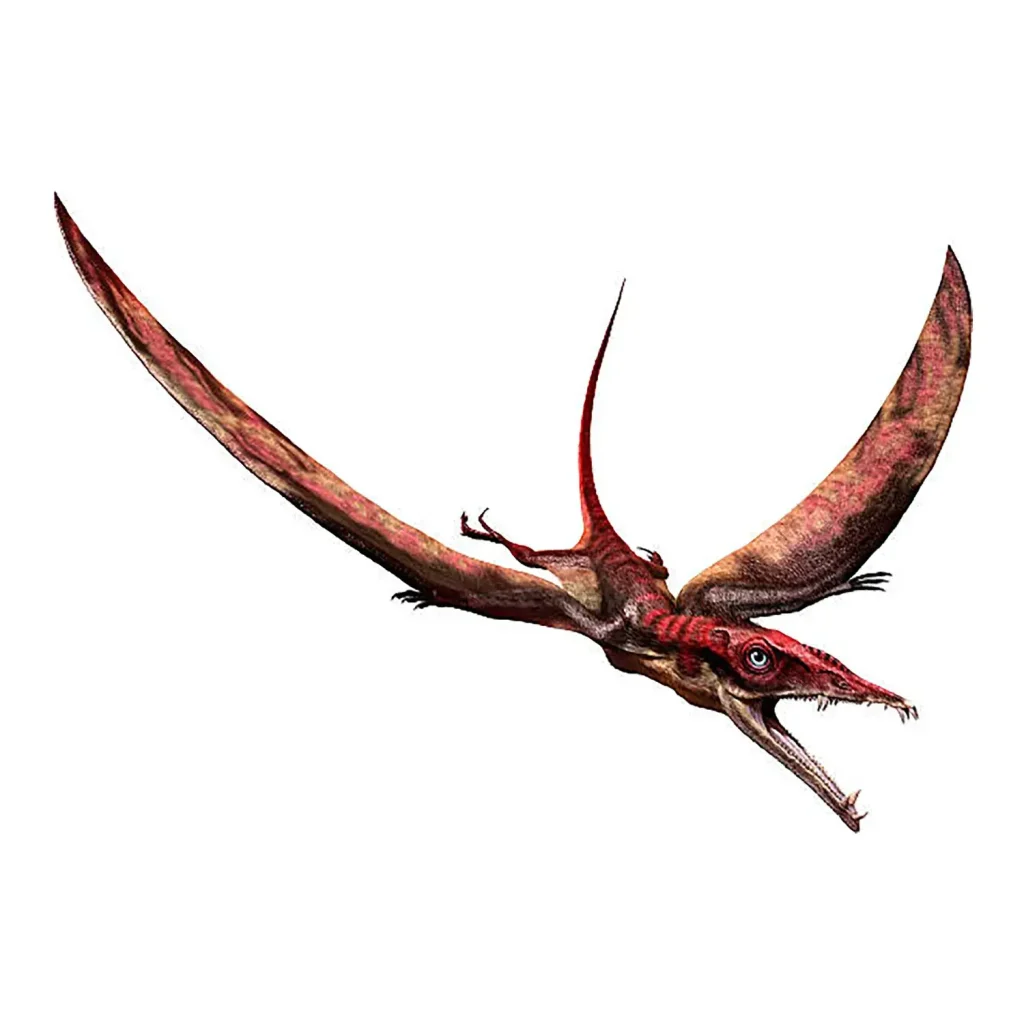
- Eudimorphodon
- Classification
- Flying reptiles
- Characteristics
- Carnivorous
- Era
- Triassic period
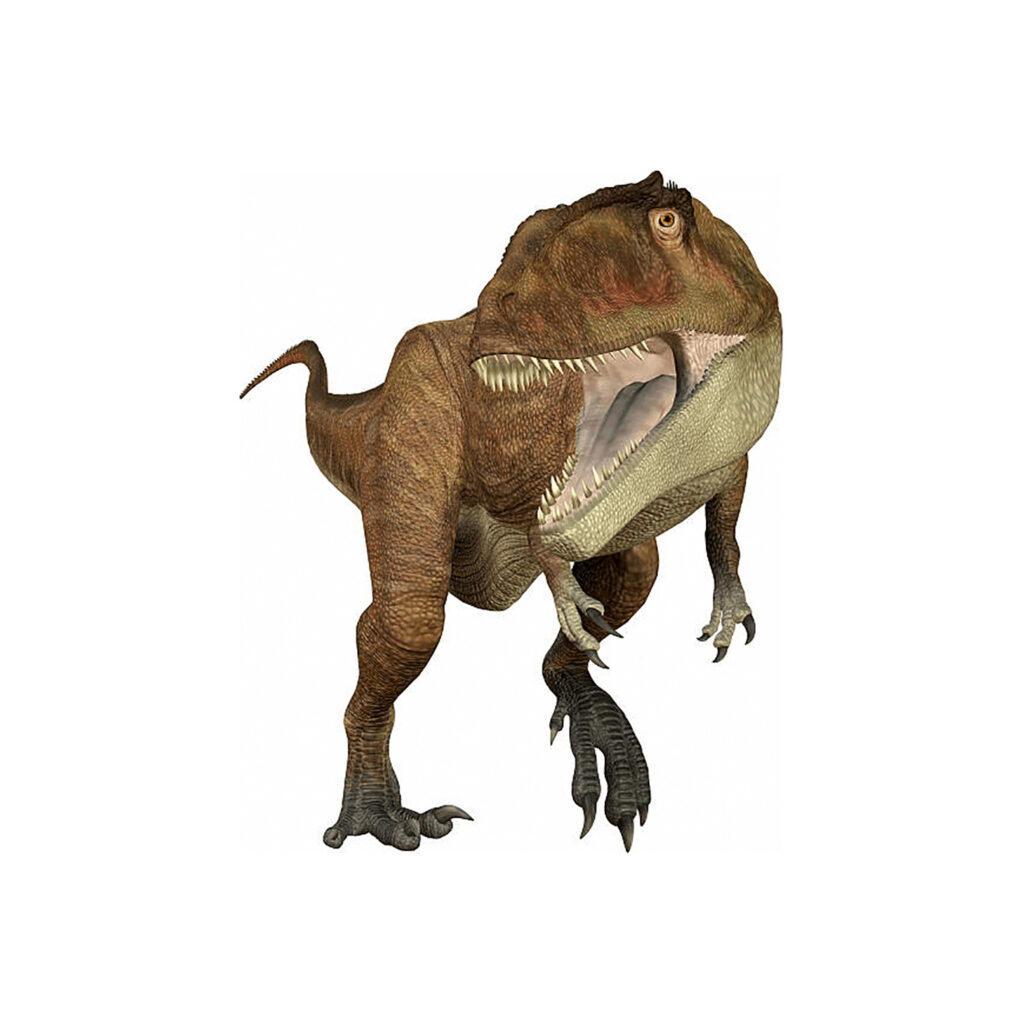
- Carcharodontosaurus
- Classification
- Theropods
- Characteristics
- Carnivorous
- Era
- Cretaceous period
-
Sponsored Links
-
Sponsored Links










![[Latest Research] What Was the Function of Spinosaurus's Giant "Sail"? Exploring the Mysteries of Thermoregulation and Underwater Locomotion](https://dinosaurmuseum.jp/wp/wp-content/uploads/eyecatch_spinosaurus-sail-function_en-1024x512.webp)
![[Latest Discovery] A Third Type of Skin, Neither Scales Nor Feathers? Meet "Haolong dongi," a New Dinosaur Species Covered Entirely in Spikes](https://dinosaurmuseum.jp/wp/wp-content/uploads/eyecatch_dinosaur-spiky-skin-discovery_en-1024x512.webp)



Description
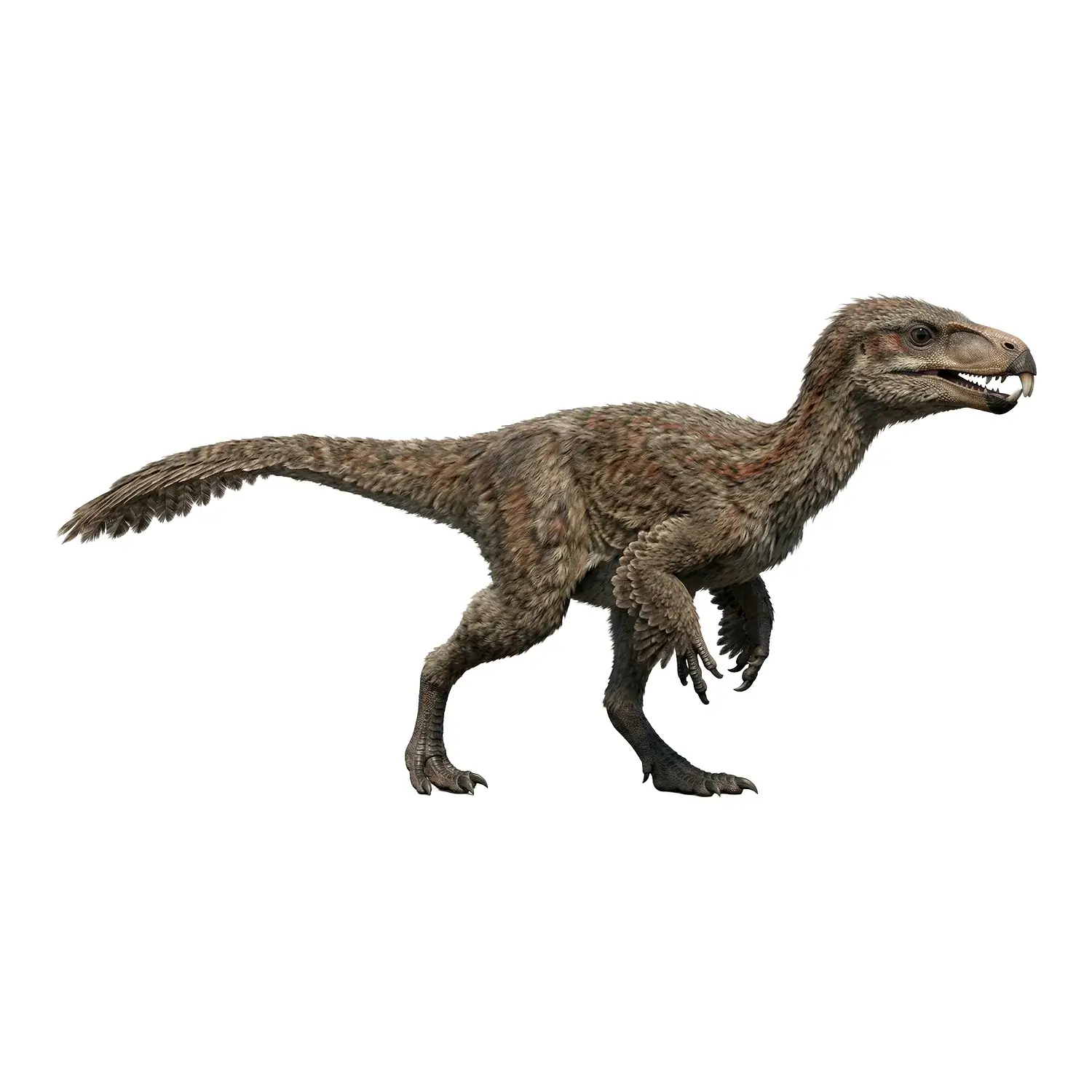
Incisivosaurus, which lived in China during the Early Cretaceous period of the Mesozoic Era, is a small dinosaur with a bird-like appearance.
It is considered to be one of the most primitive members of the “oviraptorosaurs,” and it is virtually certain that it was covered in feathers.
“Prominent Front Teeth” Like a Rodent
The most defining feature of Incisivosaurus’s appearance is its mouth, which also serves as the origin of its genus name.
While many oviraptorosaurs lost their teeth during the course of evolution and possessed bird-like “beaks,” early members like Incisivosaurus still retained their teeth.
Among these, the most eye-catching are the large, prominent “chisel-shaped front teeth (incisors)” that jutted out much like those of a rodent, such as a mouse or a beaver.
Three Types of Teeth Indicating an Adaptation to a Herbivorous Diet
Their mouths were lined not only with chisel-shaped front teeth but also with teeth of varying shapes depending on their position in the jaw.
All three of these tooth types had structures perfectly suited for “biting off and grinding down tough plants.”
This indicates that, despite being a member of the theropod group—which consists primarily of carnivorous dinosaurs—they lived a completely herbivorous (or omnivorous) lifestyle.
A Crucial Being in Unraveling the Evolutionary Process
To date, the only Incisivosaurus fossils discovered consist of a skull, a lower jaw, and a partial cervical vertebra (neck bone).
However, its distinctive skull and tooth structure serve as incredibly important clues in paleontology for understanding “how early carnivorous theropods adapted to a herbivorous diet.”