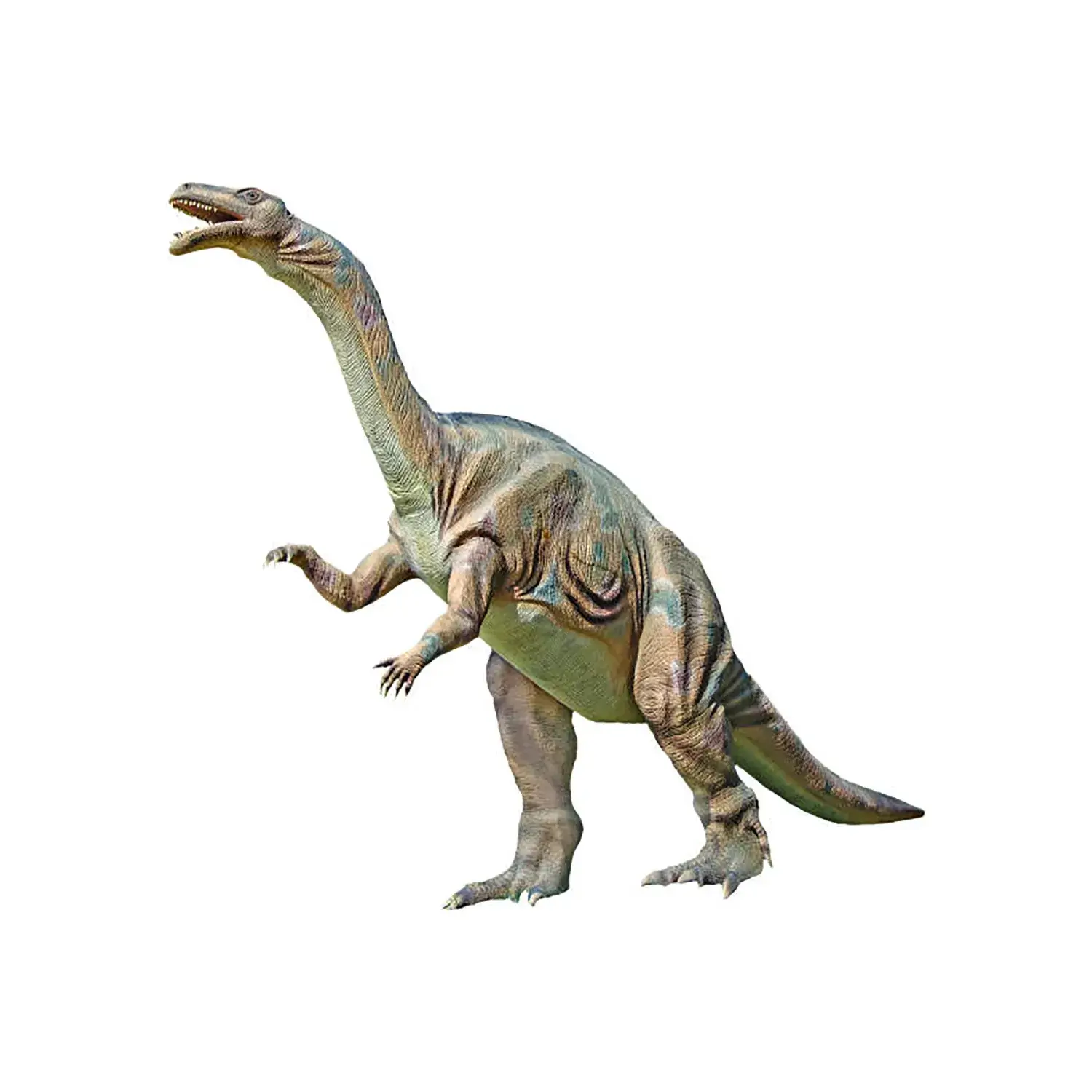
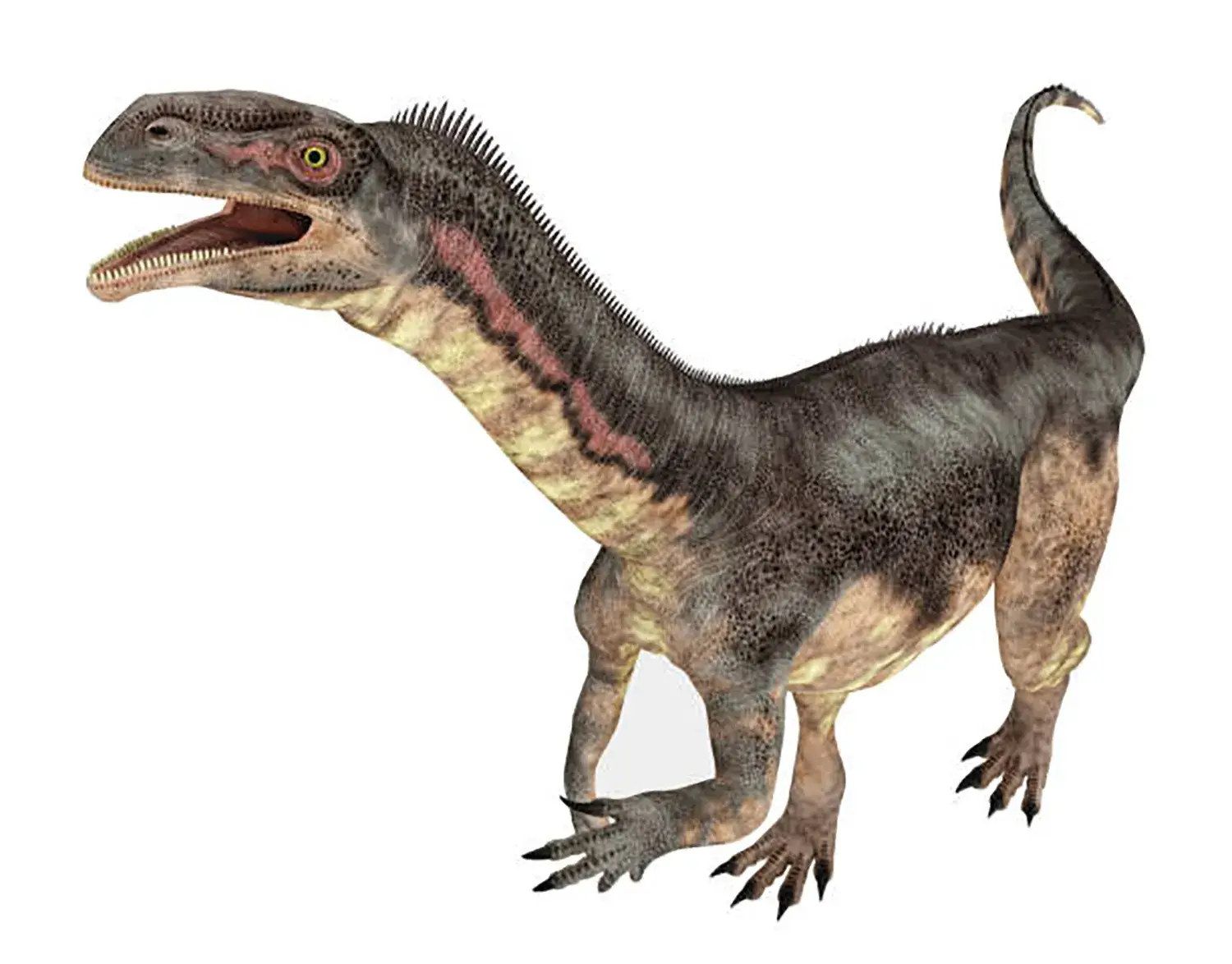
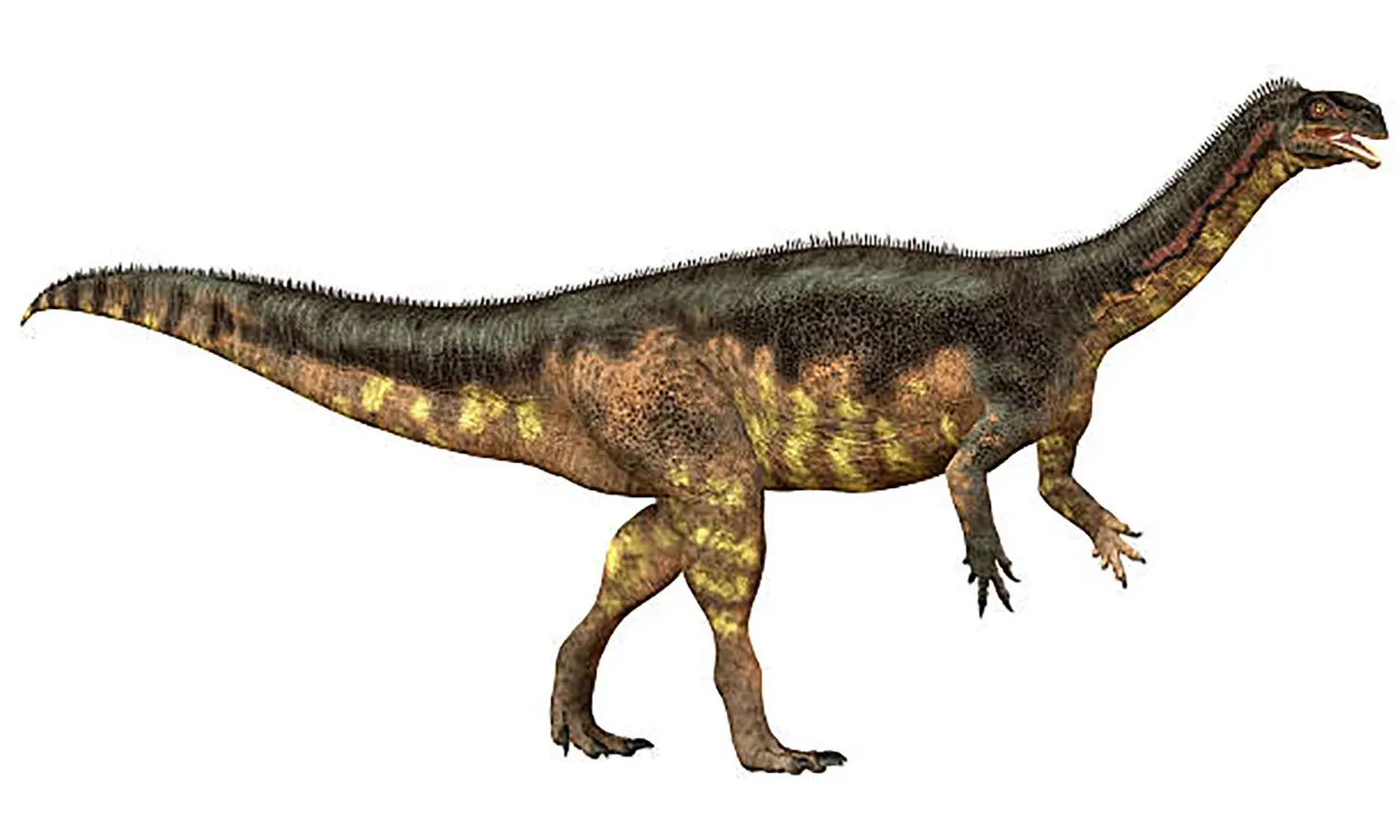
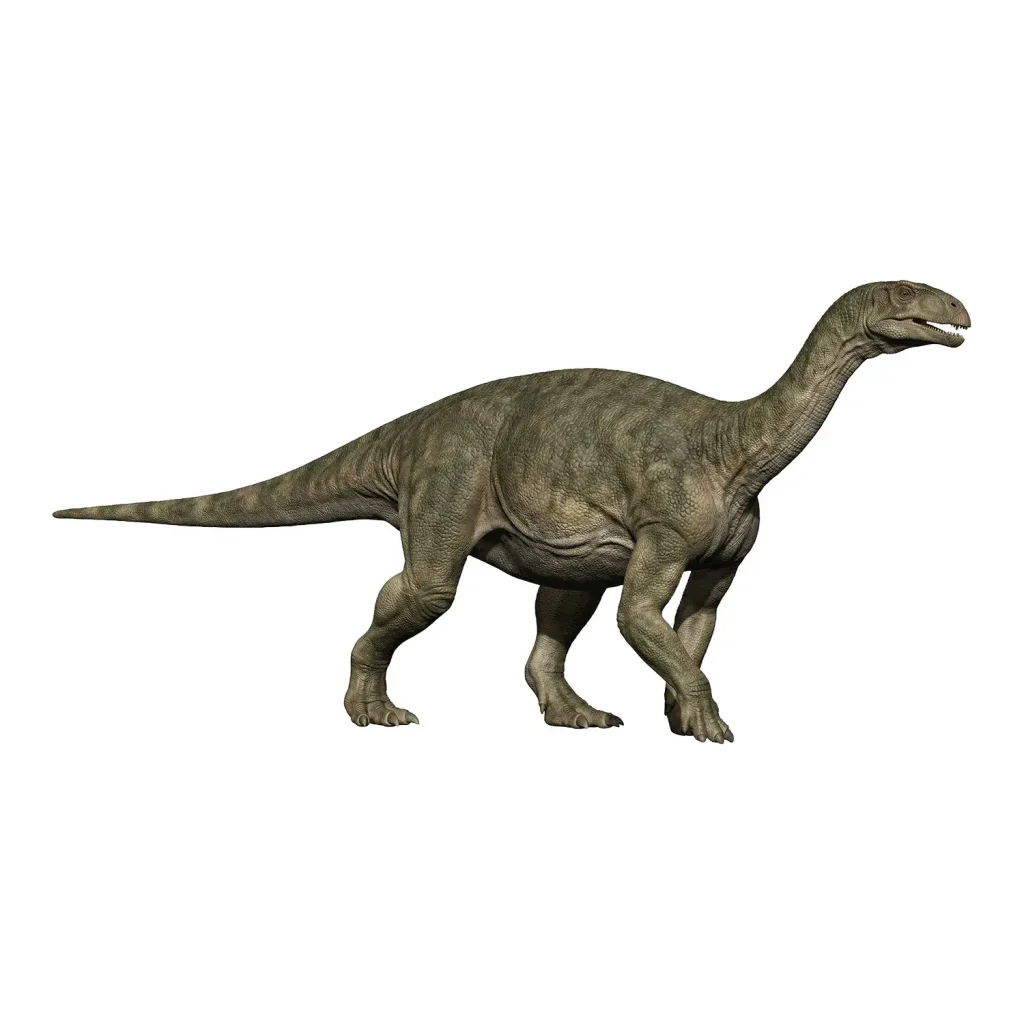
Plateosaurus
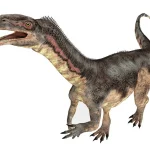
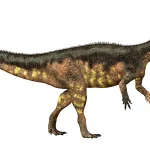
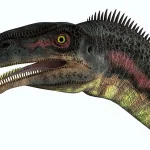
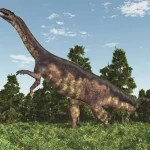
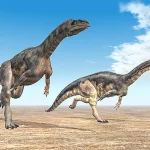
Name Origin
Flat Lizard
Family
Plateosauridae
Classification
Diapsida, Saurischia, Sauropodomorpha
Habitat (Discovery Location)
Germany, Switzerland, France, Denmark, Greenland
Period
Approximately 210 million years ago (Late Triassic)
Length
Approximately 8–10 meters
Weight
Approximately 1 ton
Diet
Herbivore
You might also like... 

-
 Acrocanthosaurus
- Classification
- Theropods
- Characteristics
- Carnivorous
- Era
- Cretaceous period
- Stygimoloch
- Classification
- Marginocephalia
- Characteristics
- Herbivorous
- Era
- Cretaceous period
- Euskelosaurus
- Classification
- Sauropods
- Characteristics
- Herbivorous
- Era
- Triassic period
- Isanosaurus
- Classification
- Sauropods
- Characteristics
- Herbivorous
- Era
- Triassic period
-
Sponsored Links
-
Sponsored Links




![[Latest Research] What Was the Function of Spinosaurus's Giant "Sail"? Exploring the Mysteries of Thermoregulation and Underwater Locomotion](https://dinosaurmuseum.jp/wp/wp-content/uploads/eyecatch_spinosaurus-sail-function_en-1024x512.webp)
![[Latest Discovery] A Third Type of Skin, Neither Scales Nor Feathers? Meet "Haolong dongi," a New Dinosaur Species Covered Entirely in Spikes](https://dinosaurmuseum.jp/wp/wp-content/uploads/eyecatch_dinosaur-spiky-skin-discovery_en-1024x512.webp)




Description
The Triassic period: the dawn of the dinosaur era.
In a time when small dinosaurs were still the norm, one dinosaur suddenly embarked on the path to gigantism.
Its name is “Plateosaurus.”
Reaching a total length of 10 meters, this giant can be called a forerunner to later species like Brachiosaurus.
Despite more than 100 fossils being found, debates regarding its “walking style” and “classification” have continued for over 200 years.
The First Giant to Appear in the Triassic
Plateosaurus lived in Europe during the Late Triassic (about 210 million years ago).
Appearing about 20 million years after early dinosaurs like Eoraptor, it was an entity that had rapidly evolved to a completely different scale of size.
Overwhelming Size and Range
Total length about 8–10 meters, weight several tons.
It boasted an overwhelming size in the terrestrial ecosystem of that time.
More than 100 fossils have been discovered from over 50 locations including Germany and France, and fossils have even been dredged up from the deep sea of the North Sea, indicating they thrived over a wide area.
Origin of the Name
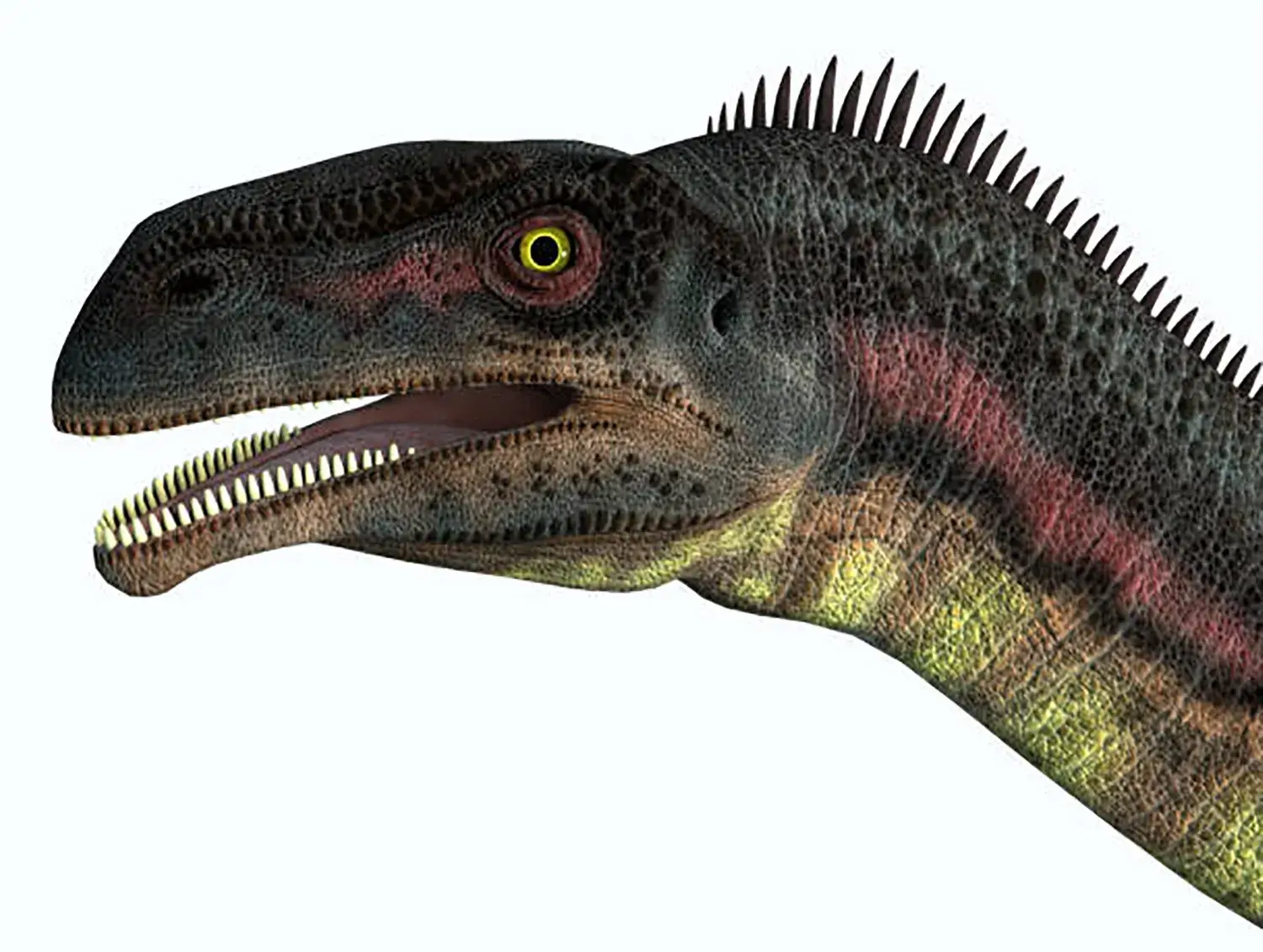
The scientific name means “Flat Lizard” in Greek.
This was derived from the characteristics of the fossil when first discovered, though in reality, it had a massive, three-dimensional body.
The 200-Year “Walking Style” Debate: Bipedal or Quadrupedal?
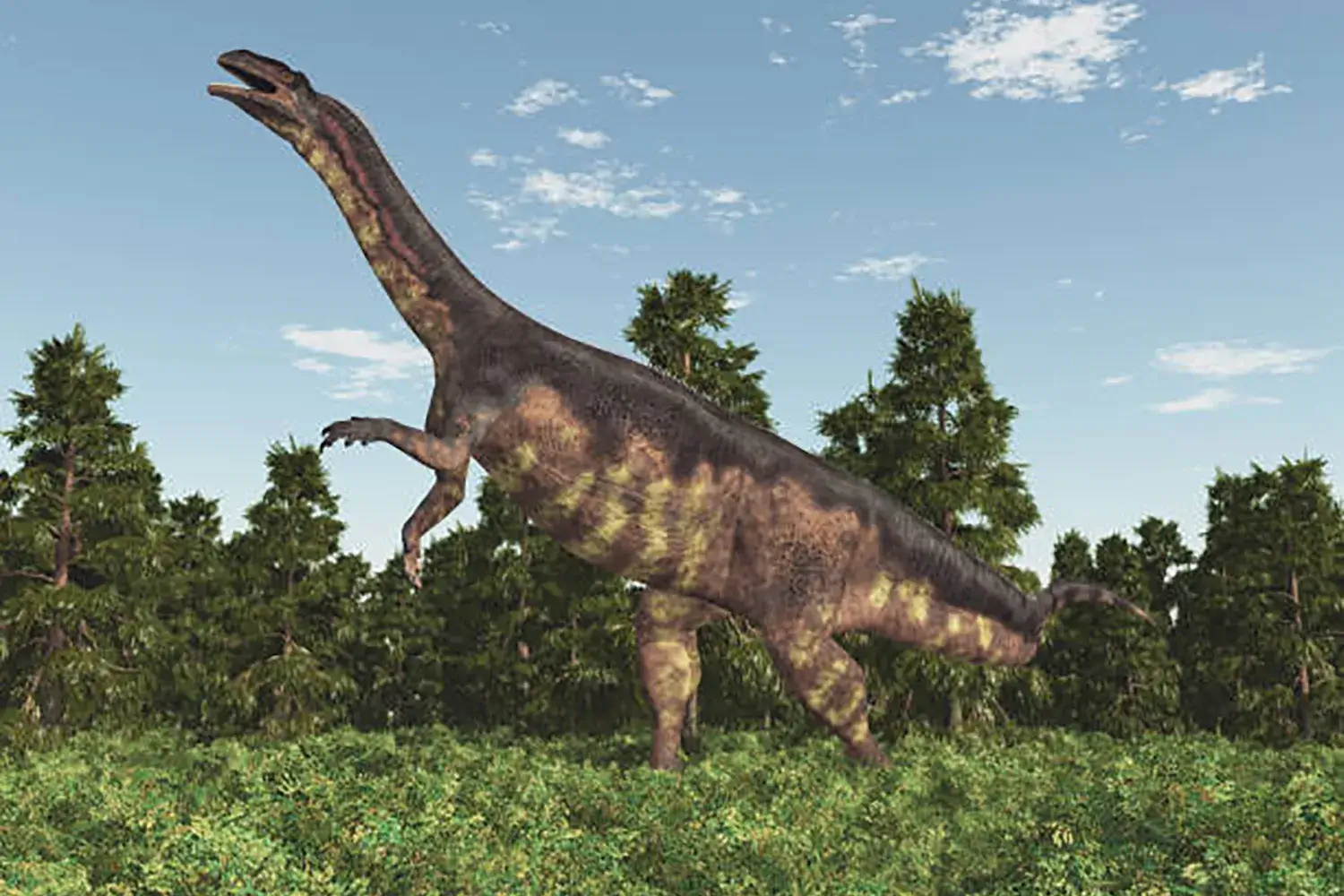
The biggest issue when discussing Plateosaurus is its “walking posture.”
Due to its massive body and long neck, it was once thought to be quadrupedal (or facultative), but recent research has settled the matter.
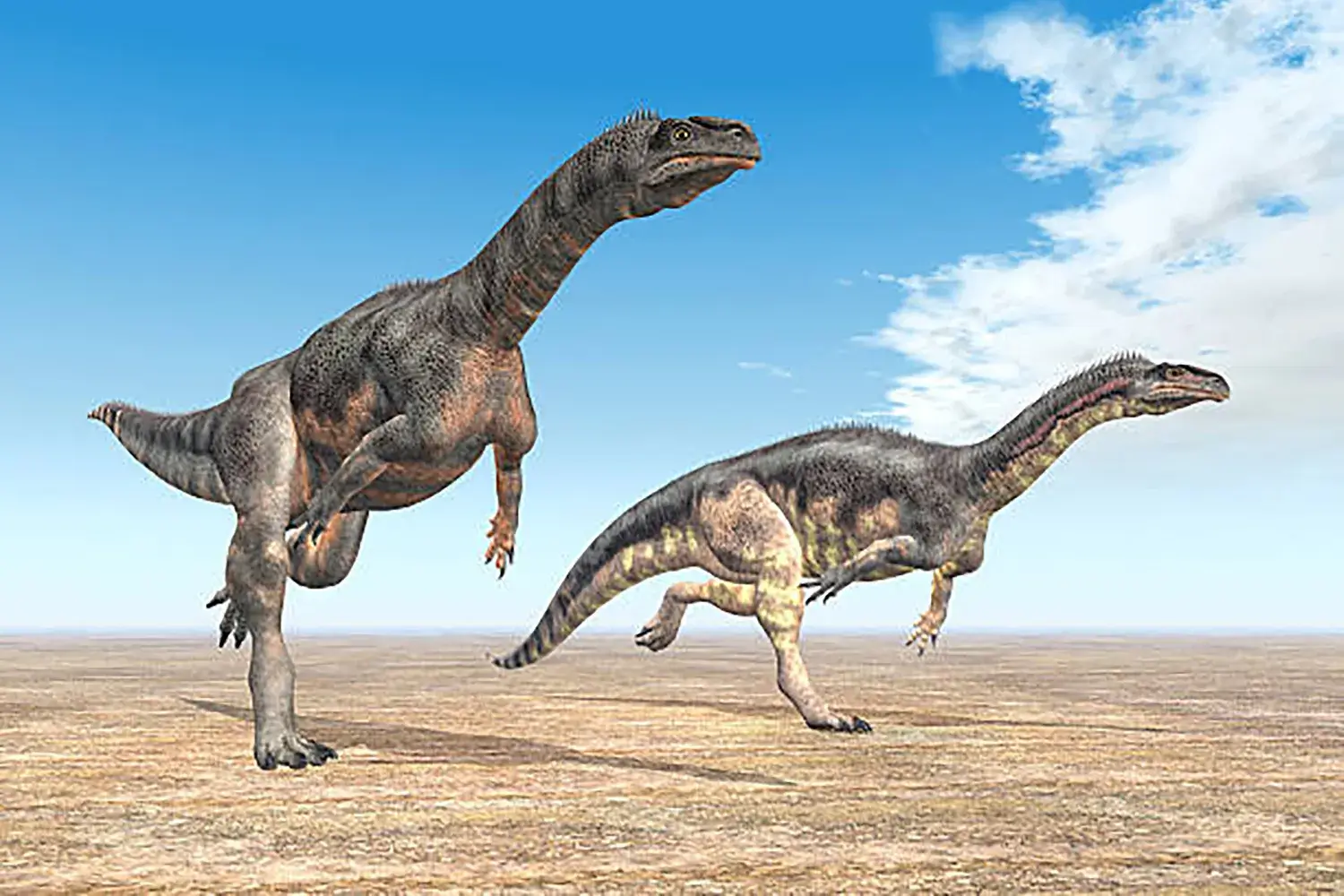
Conclusion: It Was Fully Bipedal
Computer analysis revealed that structurally, its forelimbs (arms) could not place the palms flat on the ground.
Since forcing a quadrupedal stance would injure its hands, it was concluded to be a “fully bipedal animal” that supported its body solely with its thick hind legs.
It was a “fully bipedal animal”
Role of the Dexterous “Hands”
The forelimbs, unused for walking, had five fingers with sharp claws.
These functioned as “hands” for grasping objects, used to pull branches closer for eating or as weapons to protect themselves from carnivorous dinosaurs.
Ancestor of Sauropodomorphs? Or a Distant Relative?
It was once considered the “direct ancestor (prosauropod)” of giant sauropodomorphs like Brachiosaurus, and was introduced as such in textbooks.
Current Consensus: Not an Ancestor
However, this direct ancestor theory is now rejected.
Because they had fewer toes on their hind legs than sauropodomorphs (indicating reduction) and their jaw structure was too advanced, they are now positioned as a group (Plateosauridae) that branched off from the sauropodomorph ancestors at an early stage and developed independently.
Surprising Ecology: Bird-like Respiration and Growth Strategy
High-Tech Respiratory System
There were hollows inside the backbone, suggesting they possessed the same “air sac” system as birds.
This allowed them to intake oxygen efficiently and successfully reduced the weight of their massive bodies.
An Extremely Flexible Growth Strategy
Histological studies of bones revealed a very unique growth pattern.
They possessed “growth plasticity,” growing rapidly like birds when environmental conditions were good, and slowly like reptiles when conditions were bad.
This ability likely allowed them to survive the unstable environment of the Triassic.
Tragedy of the Mud
The massive fossil clusters (bonebeds) found in places like Germany are evidence that they moved in herds.
It is believed that during droughts, they got stuck in the mud at watering holes and perished as a herd; this tragic end resulted in the preservation of excellent fossils for the present day.