
Concavenator
Name Origin
Hunter of Cuenca
Family
Carcharodontosauridae
Classification
Diapsida, Saurischia, Theropoda
Habitat (Discovery Location)
Spain
Period
Approximately 130 to 125 million years ago (Early Cretaceous)
Length
Approximately 6 meters
Diet
Carnivore (Meat-eater)
You might also like... 

-
 Chasmosaurus
- Classification
- Marginocephalia
- Characteristics
- Herbivorous
- Era
- Cretaceous period
- Khankhuuluu
- Classification
- Theropods
- Characteristics
- Carnivorous
- Era
- Cretaceous period
- Rhamphorhynchus
- Classification
- Flying reptiles
- Characteristics
- Carnivorous
- Era
- Jurassic period
- Hypacrosaurus
- Classification
- Ornithopoda
- Characteristics
- Herbivorous
- Era
- Cretaceous period
-
Sponsored Links
-
Sponsored Links










![[Latest Research] What Was the Function of Spinosaurus's Giant "Sail"? Exploring the Mysteries of Thermoregulation and Underwater Locomotion](https://dinosaurmuseum.jp/wp/wp-content/uploads/eyecatch_spinosaurus-sail-function_en-1024x512.webp)
![[Latest Discovery] A Third Type of Skin, Neither Scales Nor Feathers? Meet "Haolong dongi," a New Dinosaur Species Covered Entirely in Spikes](https://dinosaurmuseum.jp/wp/wp-content/uploads/eyecatch_dinosaur-spiky-skin-discovery_en-1024x512.webp)




Description
During the Early Cretaceous period in Europe, there lived a carnivorous dinosaur with an incredibly bizarre silhouette, unlike anything seen in modern animals.
Its name is Concavenator.
Excavated in Spain in a nearly perfect state with almost its entire skeleton articulated (connected), this dinosaur holds immense scientific value.
It was discovered in such an excellent state of preservation that even the soft tissues of the skin on its right hind leg were preserved.
The Greatest Feature! The “Mysterious Hump” Towering Over Its Lower Back
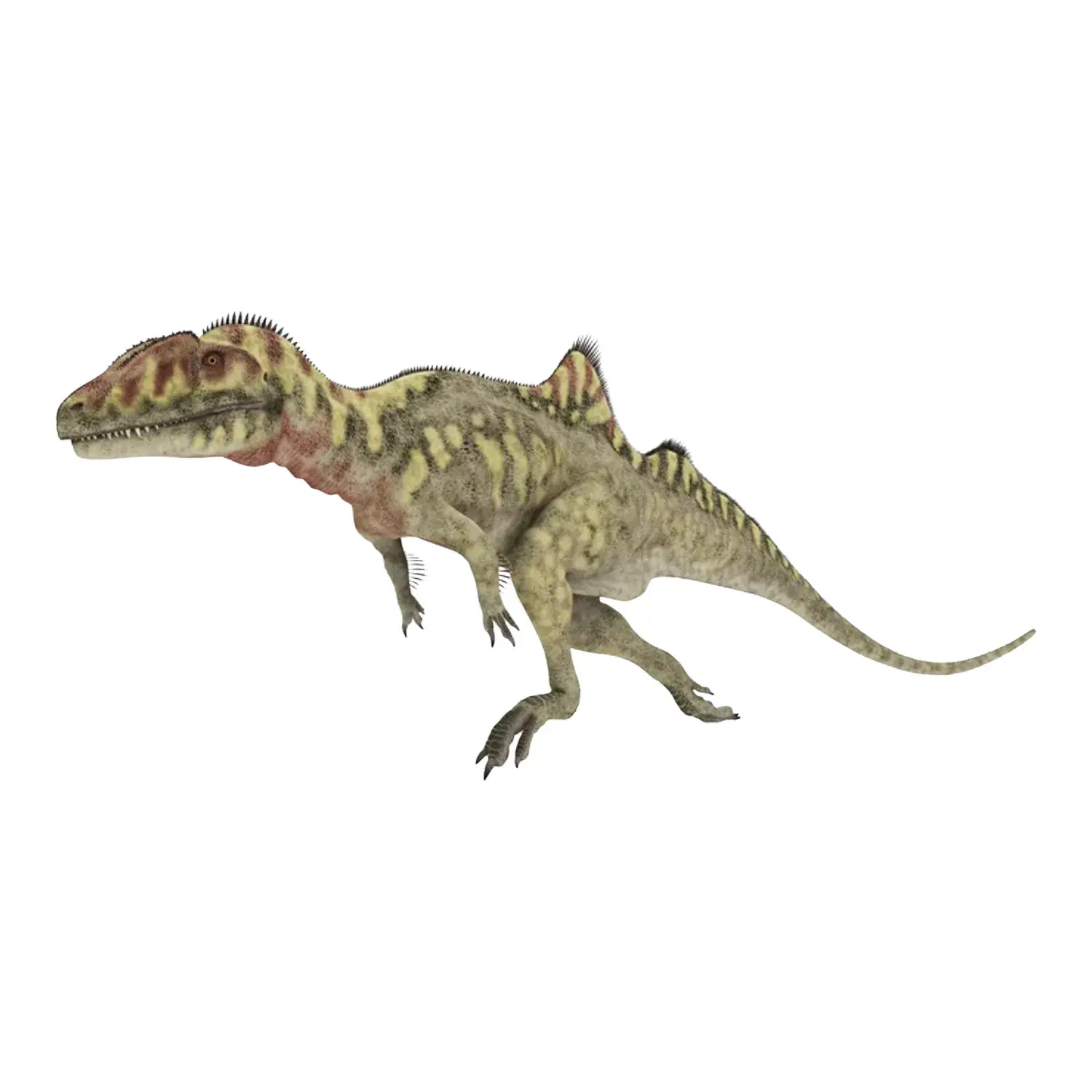
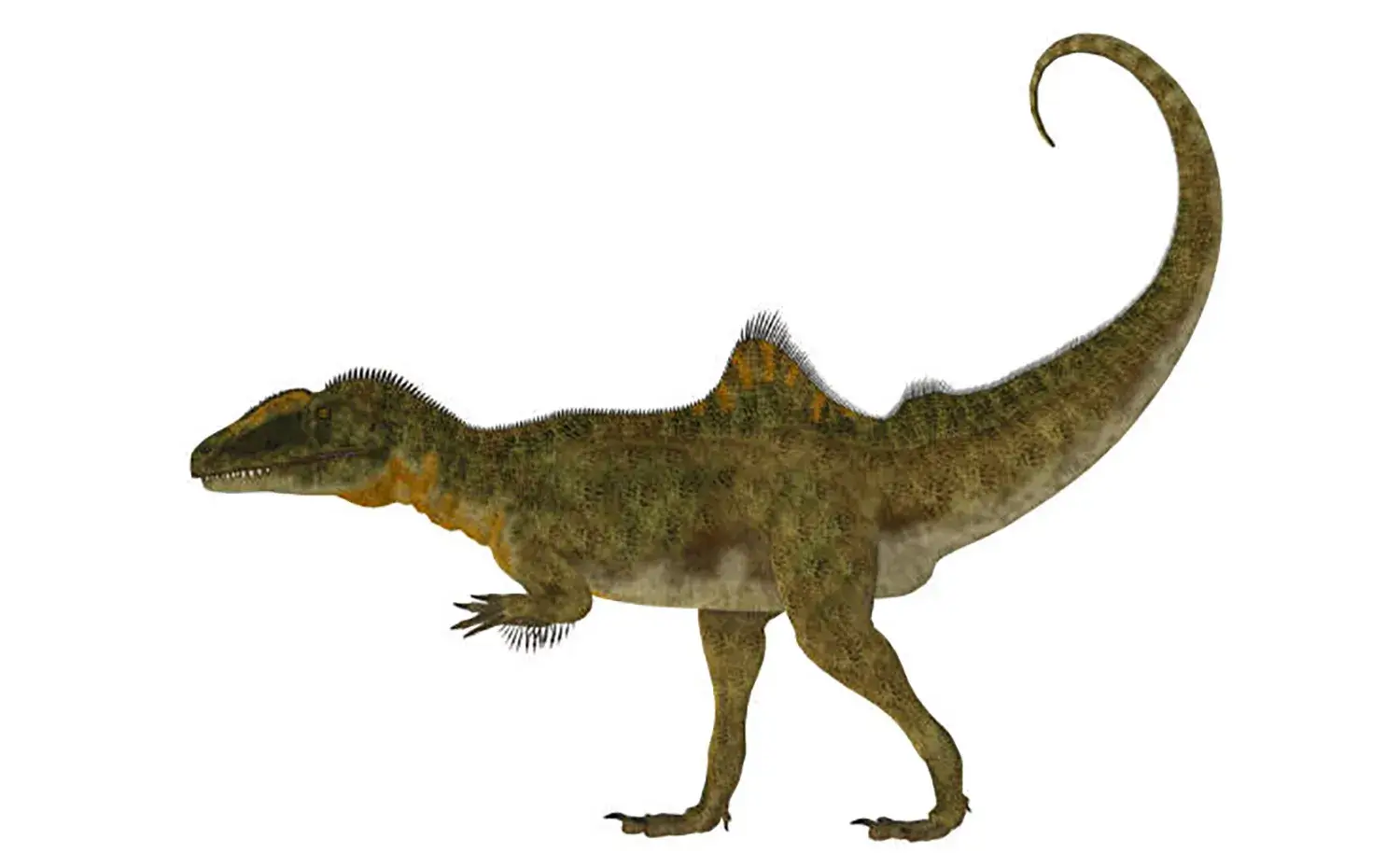
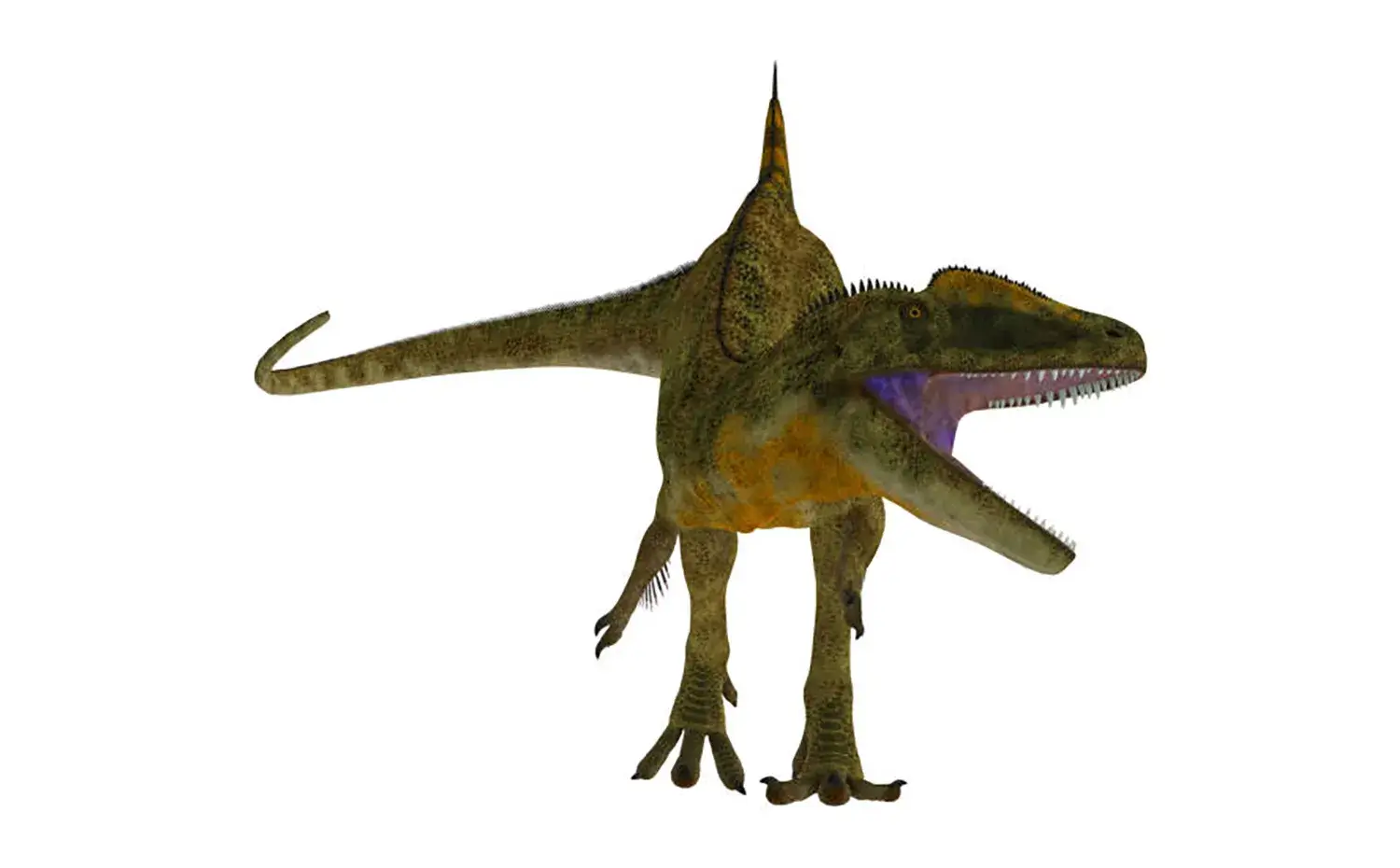
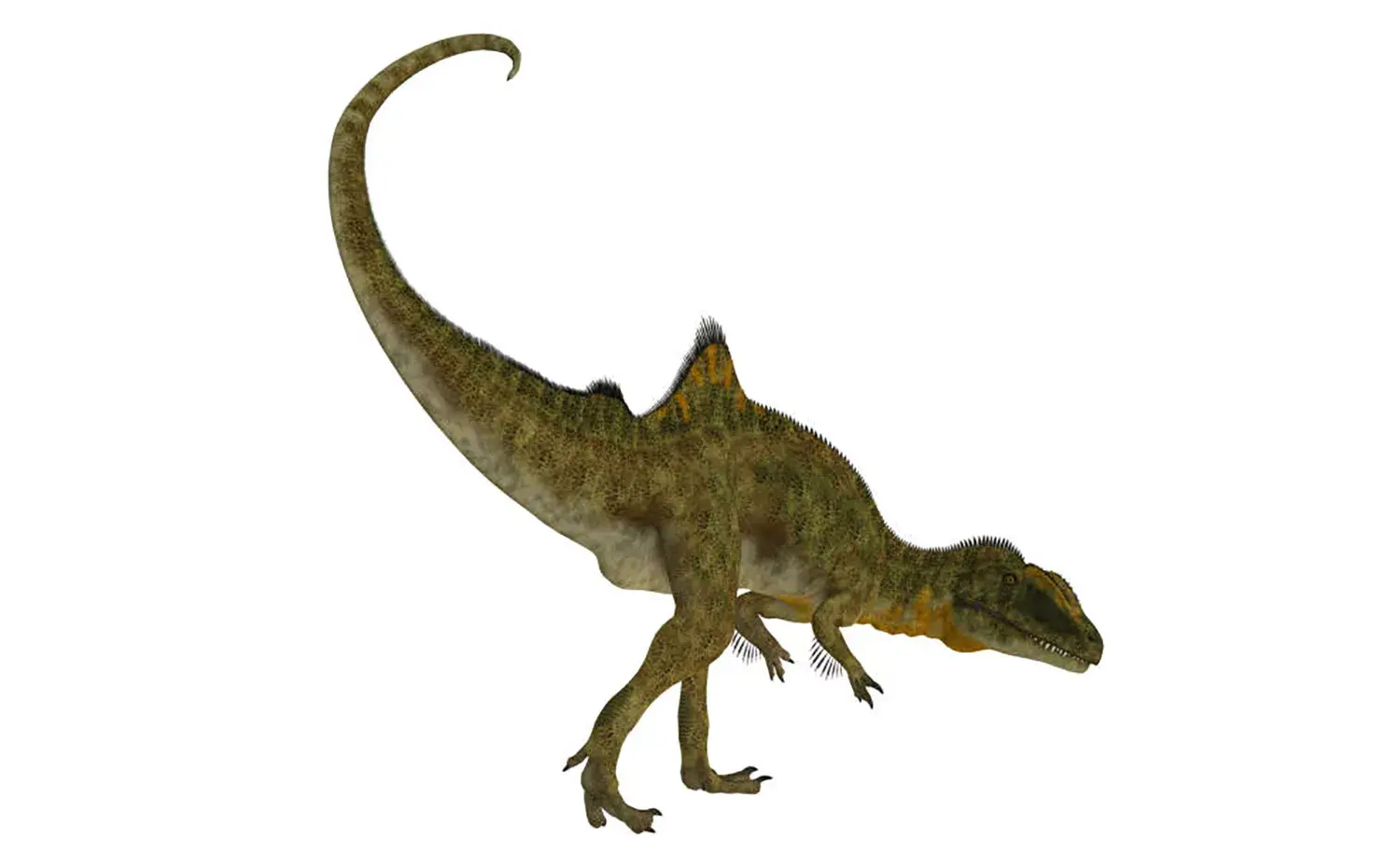
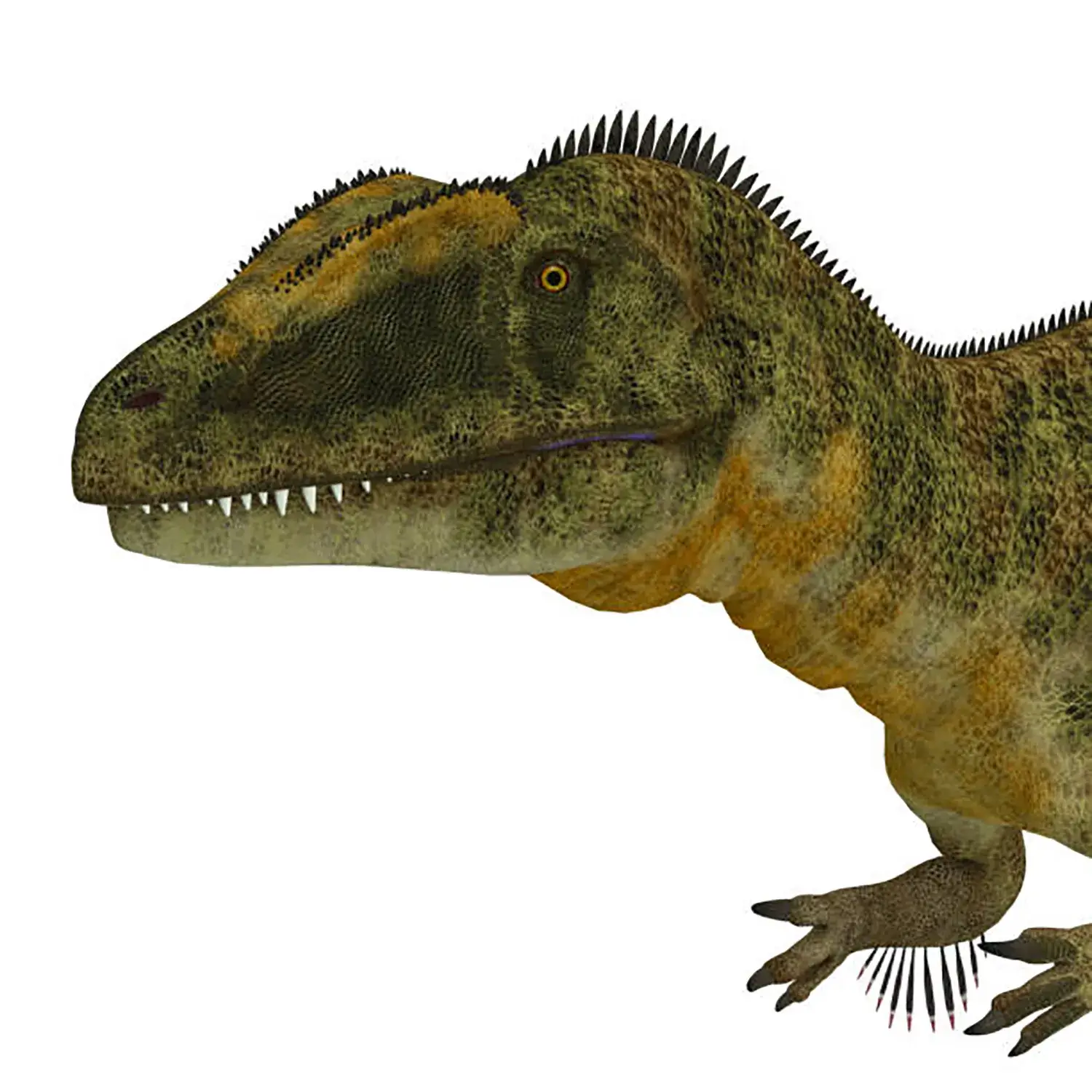
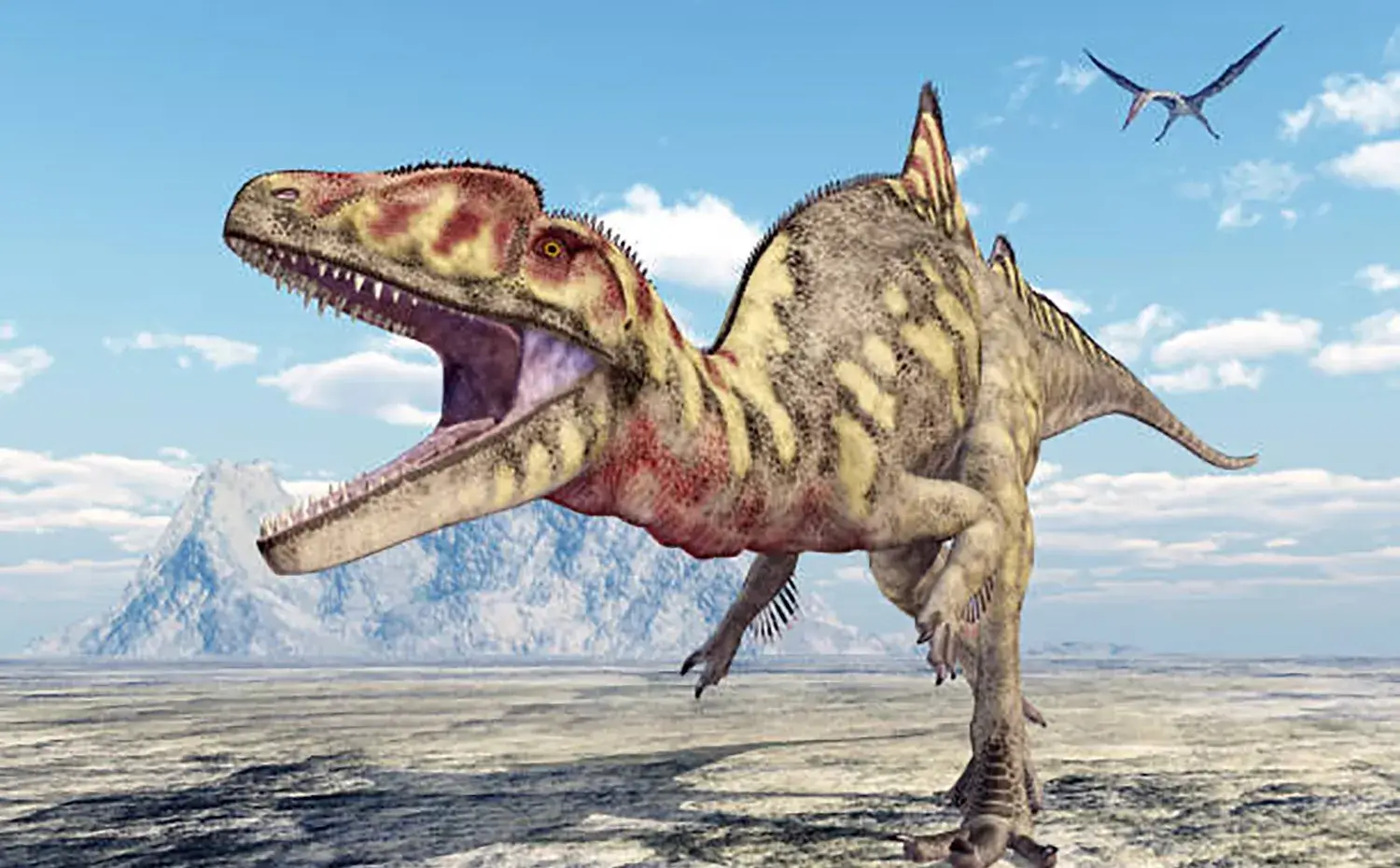
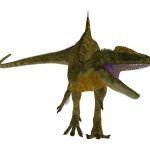
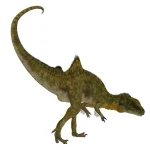
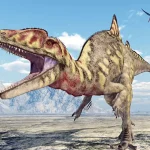
The most eye-catching feature of Concavenator’s appearance is the bizarre “hump” protruding prominently from its lower back.
Characterized by a distinctive “hump” protruding from its lower back
Among the excavated vertebrae (backbones), only the upper projections (neural spines) of two specific bones near the rear (the 11th and 12th dorsal vertebrae) were elongated to an extreme length—more than twice as long as the vertebrae in front of them.
While there are dinosaurs like Spinosaurus that have a ridge along their entire back, a dinosaur like Concavenator, where “only a localized section of bone grew unnaturally long,” is entirely unprecedented, and no modern animal possesses a similar feature.
Debate continues among paleontologists regarding what this strange structure was used for, with the following two main theories being proposed:
The Thermoregulation and Energy Storage Theory
The theory that it acted as an “energy storage unit” to store fat in thick body tissues, much like a camel’s hump.
Alternatively, there is the possibility that it functioned as a “radiator” for thermoregulation, circulating blood through this area to release excess heat.
The Display Theory
The theory that it was a display structure used for recognizing species members or courting females.
In life, it would have been covered in skin and could have been brightly colored.
Shaking Dinosaur History? Traces of “Feathers” Left on Its Arms
Another reason Concavenator attracts so much attention is the discovery of a series of small, bump-like projections along the bone of its forearm (the ulna).
These closely resemble structures known as “quill knobs.”
In modern birds, quill knobs serve to firmly anchor the shafts of large feathers, such as flight feathers, to the bone.
Although Concavenator could not fly, this suggests it may have had primitive feathers (or similar structures) growing on its forearms, which could have been used for courtship displays or brooding eggs.
Until now, the presence of feathers had only been confirmed in “coelurosaurs” (such as Tyrannosaurus and Velociraptor), which are closely related to birds.
If the bumps on Concavenator’s arms are indeed traces of feathers, it would mean that feathers were also present in the slightly more distantly related “allosauroids.” This would be a monumental discovery, pushing the origin of feathered dinosaurs much further back in time than conventionally believed.
*However, some researchers have countered that these bumps differ significantly from those in birds and are actually just muscle attachment points, making it the subject of intense ongoing debate.
The Top Predator Ruling a Rich Wetland
Las Hoyas (in Spain), where Concavenator lived during the Early Cretaceous, is believed to have been a vast wetland with a warm, subtropical climate.
Fossils of a diverse array of creatures have been discovered in the rock layers of this region, including:
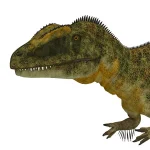
Possessing the flat face and sharp teeth typical of carnosaurians, and reaching up to 6 meters (20 feet) in length, Concavenator preyed upon this abundant waterside life.
It likely ruled its territory as the apex predator, reigning at the very top of the ecosystem of its time.
A bizarre, localized hump protruding from its back, and forelimbs holding the potential for feathers.
The existence of Concavenator teaches us that dinosaur evolution is far more diverse than we imagine, and that it is still full of many mysteries.