
Sauroposeidon
Name Origin
Named in honor of Poseidon, the Greek god of the sea.
Family
Brachiosauridae
Classification
Diapsida, Saurischia, Sauropodomorpha
Habitat (Discovery Location)
United States
Period
Approximately 112 million years ago (Early Cretaceous)
Length
Approximately 27 to 35 meters
Weight
Approximately 50 to 65 tons
Diet
Herbivore (Plant-eater)
You might also like... 

-
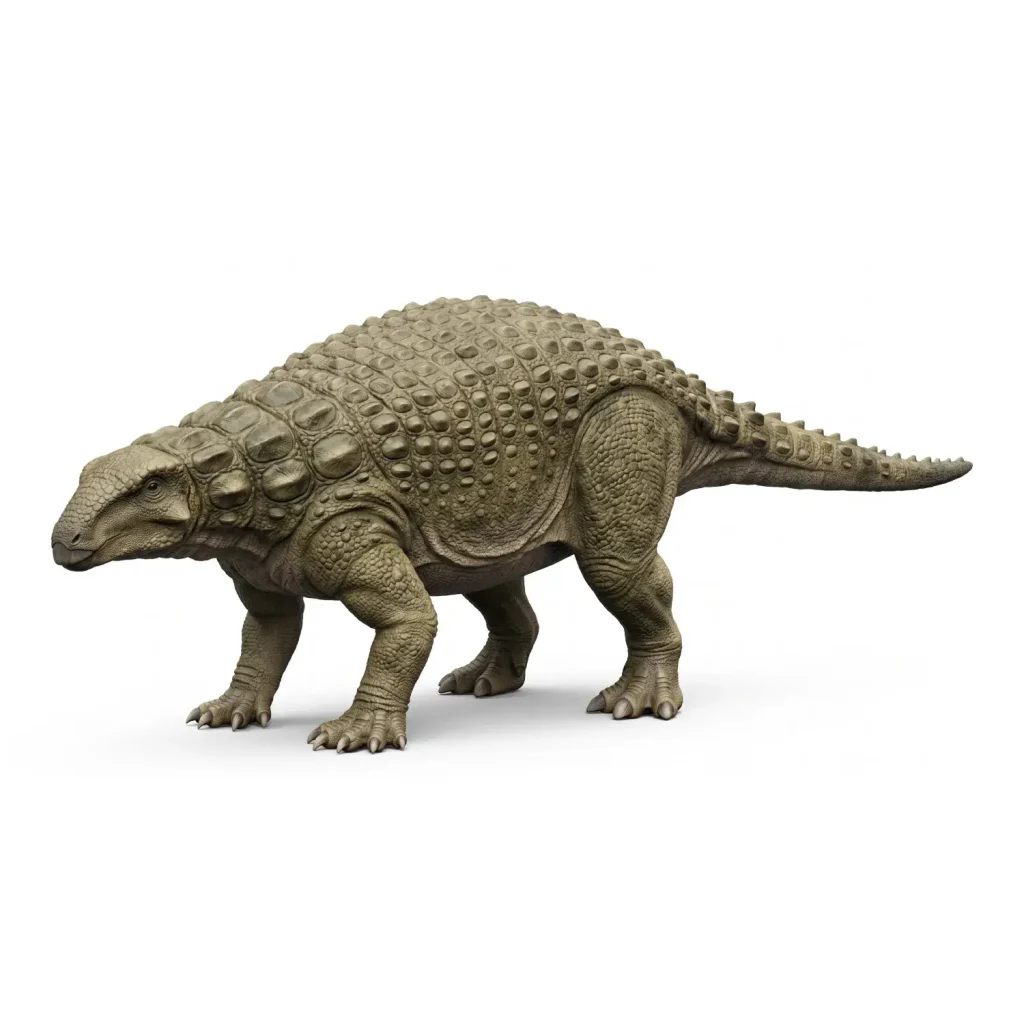
 Nodosaurus
- Classification
- Thyreophora
- Characteristics
- Herbivorous
- Era
- Cretaceous period
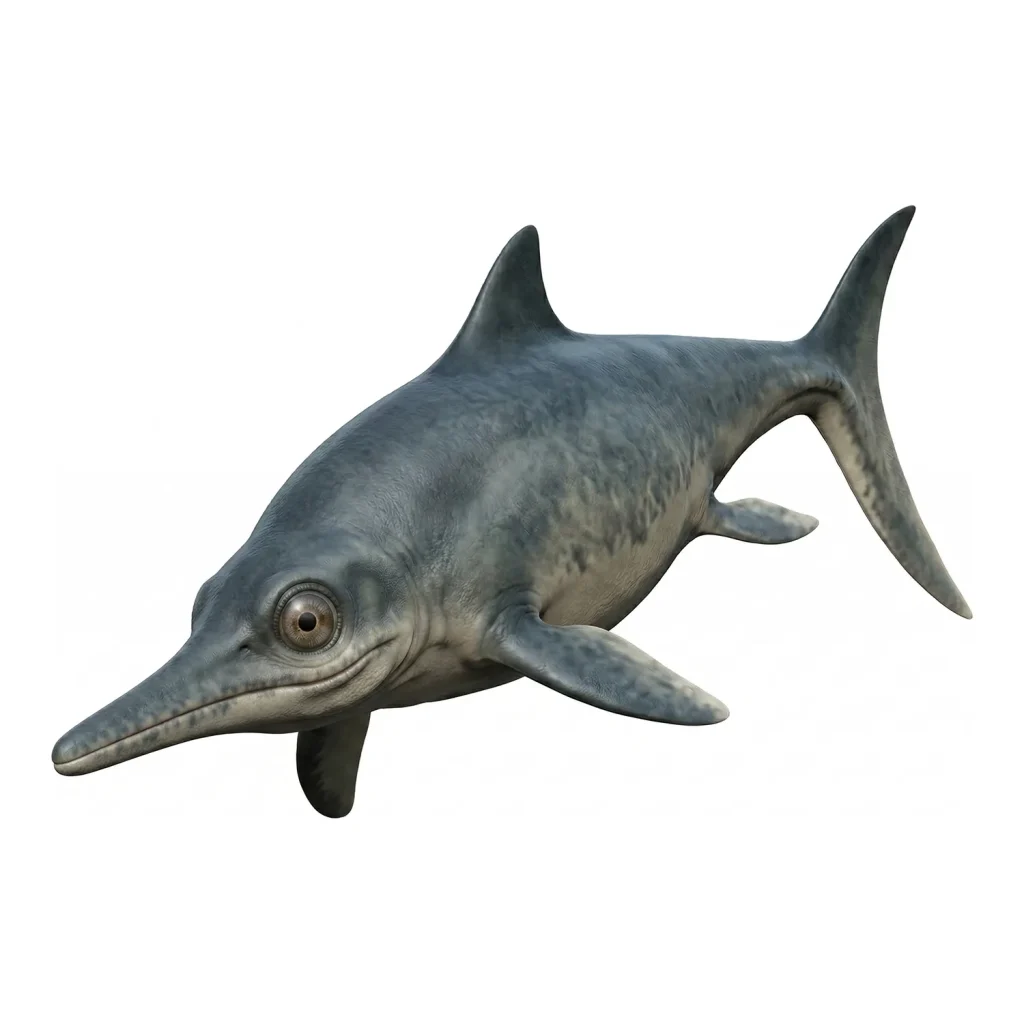
- Ophthalmosaurus
- Classification
- Marine reptiles
- Characteristics
- Carnivorous
- Era
- Jurassic period
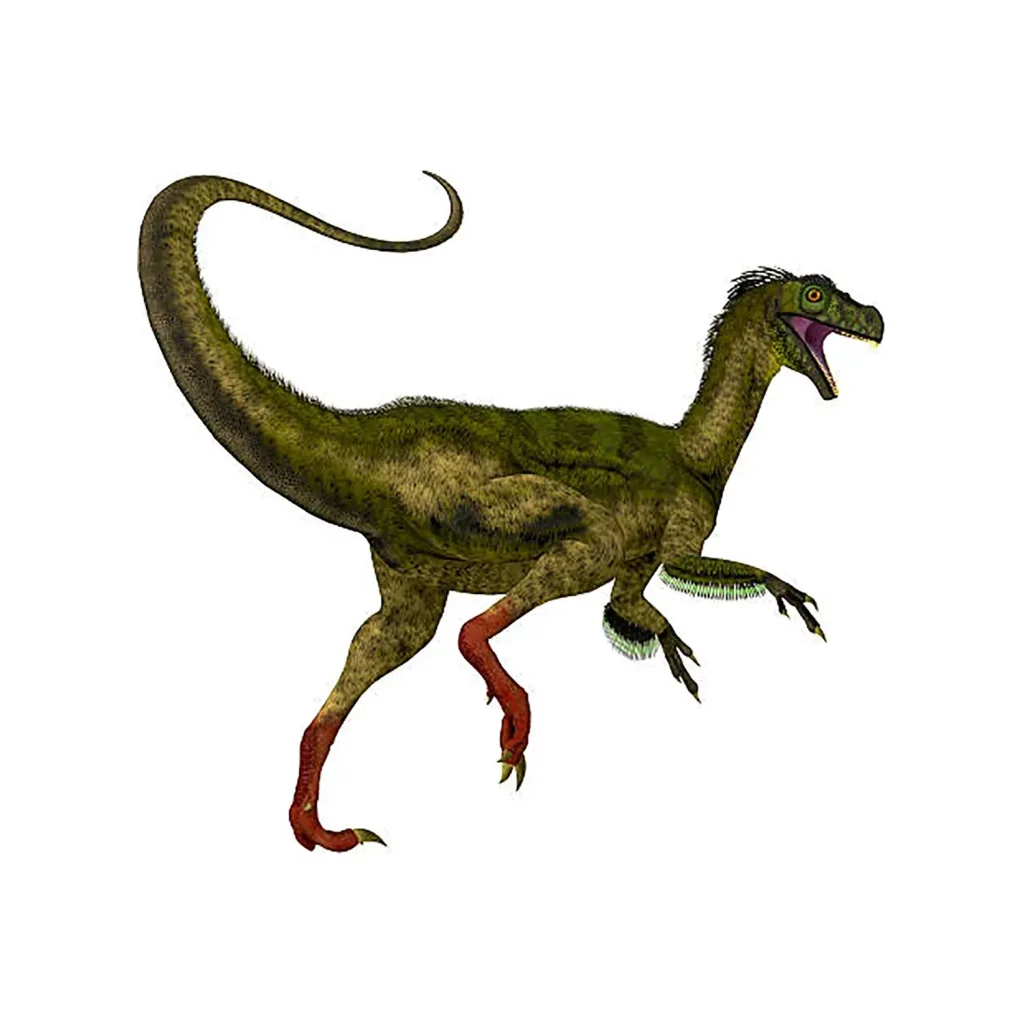
- Ornitholestes
- Classification
- Theropods
- Characteristics
- Carnivorous
- Era
- Jurassic period
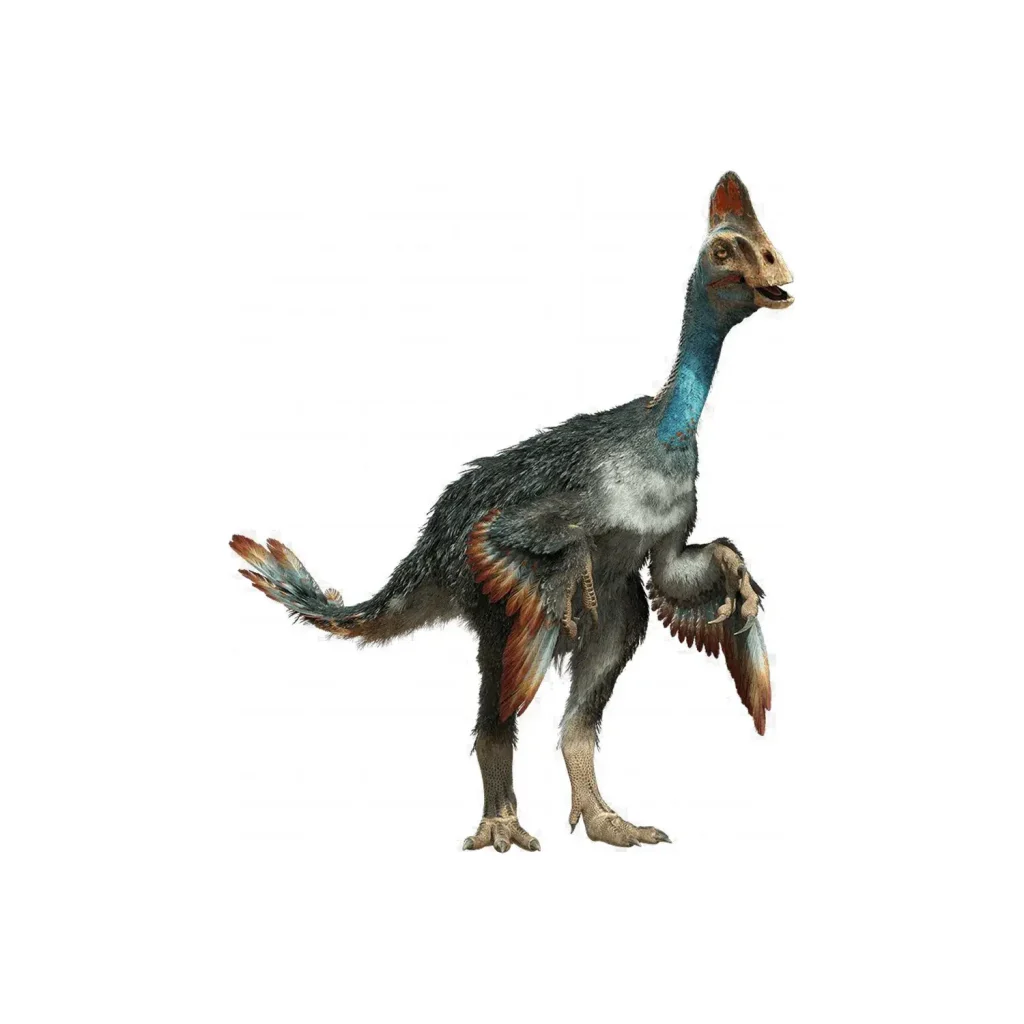
- Nomingia
- Classification
- Theropods
- Characteristics
- Omnivorous
- Feathered
- Era
- Cretaceous period
-
Sponsored Links
-
Sponsored Links









![[Latest Research] What Was the Function of Spinosaurus's Giant "Sail"? Exploring the Mysteries of Thermoregulation and Underwater Locomotion](https://dinosaurmuseum.jp/wp/wp-content/uploads/eyecatch_spinosaurus-sail-function_en-1024x512.webp)
![[Latest Discovery] A Third Type of Skin, Neither Scales Nor Feathers? Meet "Haolong dongi," a New Dinosaur Species Covered Entirely in Spikes](https://dinosaurmuseum.jp/wp/wp-content/uploads/eyecatch_dinosaur-spiky-skin-discovery_en-1024x512.webp)


Description
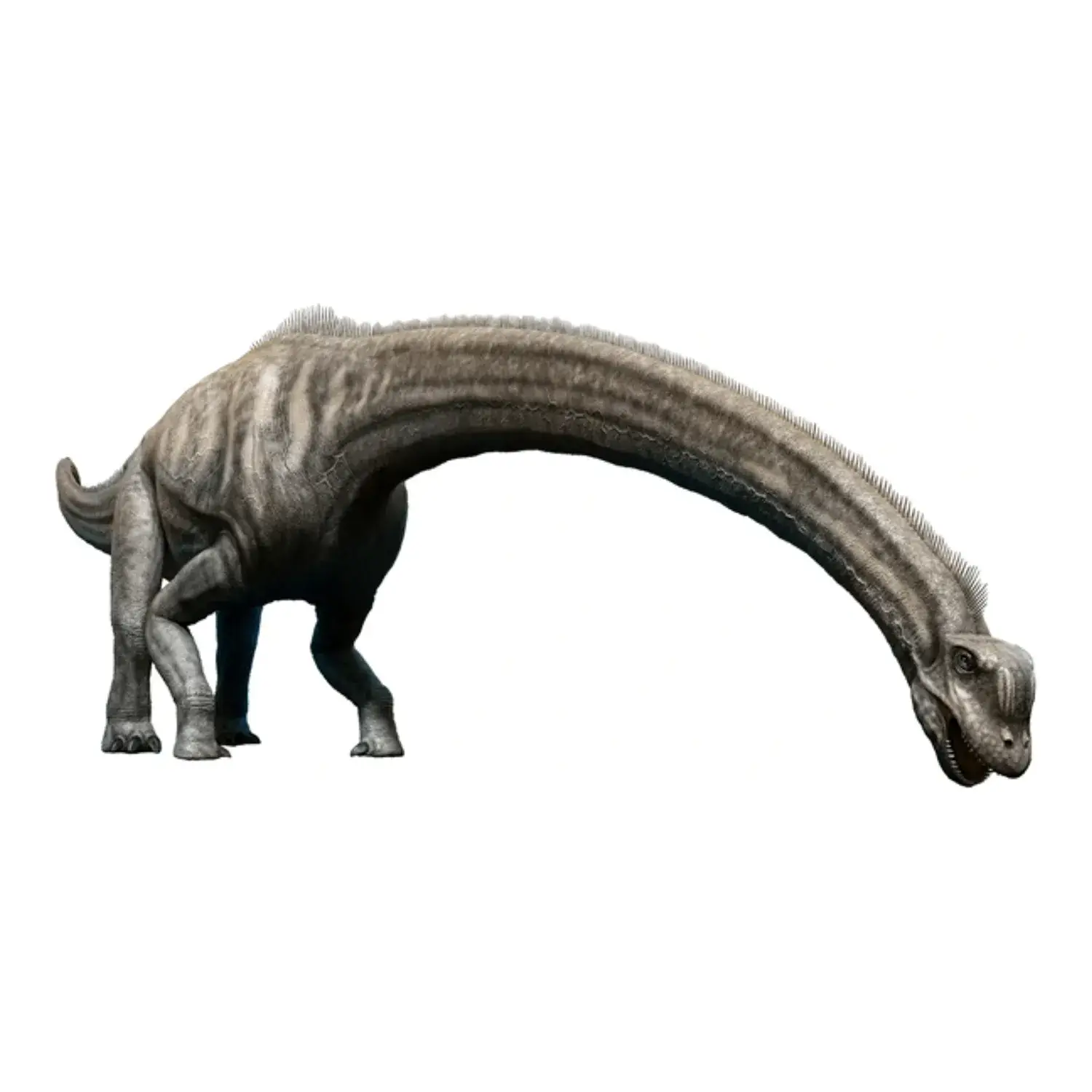
Sauroposeidon was a giant sauropodomorph dinosaur that lived in North America during the Early Cretaceous period (about 112 million years ago).
It was named in 2000 after Poseidon, the sea god of Greek mythology.
Its formal scientific name, “Sauroposeidon proteles,” translates to “Poseidon’s reptile, perfected before the end.” Its discovery made a massive impact, as it represents the pinnacle of giant evolution that sauropodomorphs reached just before entering the dinosaur extinction period.
The Untold Story Behind the Discovery of History’s Tallest Dinosaur
Sauroposeidon’s most prominent feature is its astonishing height.
It boasted one of the largest sizes among all the sauropodomorphs that lived in the Northern Hemisphere.
The Giant Body Revealed by a 1.4-Meter Cervical Vertebra
Sauroposeidon’s body length is estimated to be around 27 to 35 meters (88 to 115 feet), with a weight of about 50 to 65 metric tons (110,000 to 143,000 lbs).
The basis for these massive estimates comes from a partial set of four cervical vertebrae (neck bones) accidentally discovered in Oklahoma, USA, in 1994.
The Size of the Cervical Vertebrae
Astonishingly, one of the discovered neck bones measured 1.4 meters (4.6 feet) in length.
The researchers at the museum that received the fossil initially suspected it might just be a fossilized tree trunk.
The Greatest Height in History
Calculated from the size of these cervical vertebrae, if Sauroposeidon raised its neck high, its height is estimated to have reached an incredible 17 to 18 meters (55 to 59 feet)—tall enough to peek into the 5th or 6th-floor window of a building.
Sauroposeidon is known as the tallest animal in history.
It is also said that its neck may have been even longer than that of Mamenchisaurus, a dinosaur famous for its extraordinarily long neck.
The Expansion of Fossil Discoveries and Shifts in Classification
Initially, only four cervical vertebrae were found, but later, more fossils were discovered in places like Wyoming, slowly revealing the full picture of this dinosaur.
When first discovered, Sauroposeidon was thought to be closely related to the tall brachiosaurid family.
However, recent studies have revised its classification, and it is now treated as a member of the titanosauriforms, closely related to Euhelopus, which lived in China.
Ecological Mysteries: The Body Temperature Debate and Battles with Predators
Like other sauropodomorphs, Sauroposeidon was a herbivorous dinosaur that fed on the leaves of ferns and conifers, but there are several mysteries surrounding the ecology required to maintain its massive body.
The Body Temperature Debate and the Secret of Its Growth
If we assume Sauroposeidon weighed 55 tons, its body temperature would reach a staggering 48°C (118°F) due to its massive volume. This has sparked a debate from a metabolic perspective, suggesting that it “might have been lighter.”
This debate has become an important theme in exploring the mechanisms of metabolism and body temperature regulation in sauropodomorphs.
The Omnivorous Nature of Juveniles
Like many sauropodomorphs, newly hatched Sauroposeidon juveniles were quite small, measuring only about 50 cm (20 inches) in length.
It is speculated that during this growth period, which required immense amounts of nutrients, they might have been omnivorous.
Battles with Acrocanthosaurus
While a dinosaur as massive as Sauroposeidon wouldn’t easily fall prey to carnivorous dinosaurs, theropods like Deinonychus and Acrocanthosaurus—which are thought to have been no match for a healthy adult Sauroposeidon—would still target weakened individuals.
Survival Strategies in Herds
Fossilized footprints believed to belong to this species have been discovered along the Paluxy River in Texas, suggesting they traveled in herds composed of adults and somewhat grown juveniles.
Among these footprint fossils, traces of them being chased by an Acrocanthosaurus have also been found, indicating that weakened individuals likely fell victim to these carnivorous dinosaurs.