Oviraptor
Name Origin
Egg Thief
Family
Oviraptoridae
Classification
Diapsida, Saurischia, Theropoda
Habitat (Discovery Location)
China, Mongolia
Period
Approximately 89.8–70.6 million years ago (Late Cretaceous)
Length
Approximately 1–3 meters
Weight
Approximately 25–36 kg
Diet
Omnivore
 Jurassic
Park / World Featured Dinosaur
Appearance in Jurassic World: Dominion
Its behavior was depicted in the "Prologue"—the opening five minutes of footage set in prehistoric times, which served as the film's introduction.
True to the origin of its scientific name, it was shown raiding nests and devouring the eggs of other dinosaurs, a directorial choice that heavily emphasized its persona as an "Egg Thief."
In fact, the Oviraptor had also been resurrected in the modern-day timeline. However, due to complications, its scenes were cut entirely from the theatrical release.
The reason? Its appearance in the modern era was simply too gruesome—bordering on "viewer discretion advised." Consequently, the resurrected Oviraptor can currently only be seen in the deleted scenes or the Extended Edition included on the Blu-ray release.
So, what exactly did this "too gruesome" scene entail? It involved a confrontation with the Lystrosaurus, another species making its film debut.
The setting was the black market in Malta. The two were pitted against each other in a spectator fight, but the conclusion was grisly. Ultimately, the Oviraptor suffered a shocking defeat, having its head bitten clean off by the Lystrosaurus. Because this depiction was considered too violent, it was removed from the theatrical cut.
TODAY'S QUIZ
Correct answer = 1 coin
Which of the following is the correct meaning of the name Oviraptor?
Loading…

You might also like... 

-
 Trinisaura
- Classification
- Ornithopoda
- Characteristics
- Herbivorous
- Era
- Cretaceous period
- Prosaurolophus
- Classification
- Ornithopoda
- Characteristics
- Herbivorous
- Era
- Cretaceous period
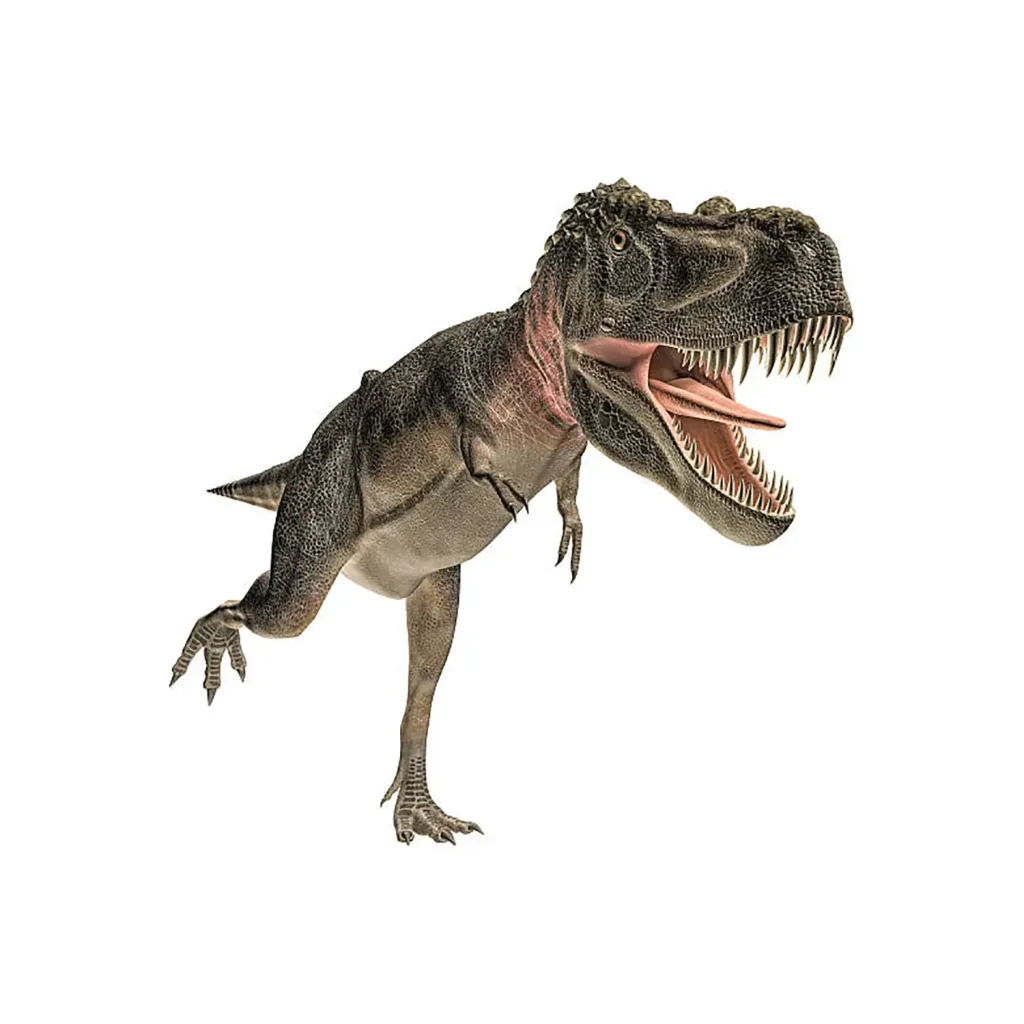
- Tarbosaurus
- Classification
- Theropods
- Characteristics
- Carnivorous
- Era
- Cretaceous period
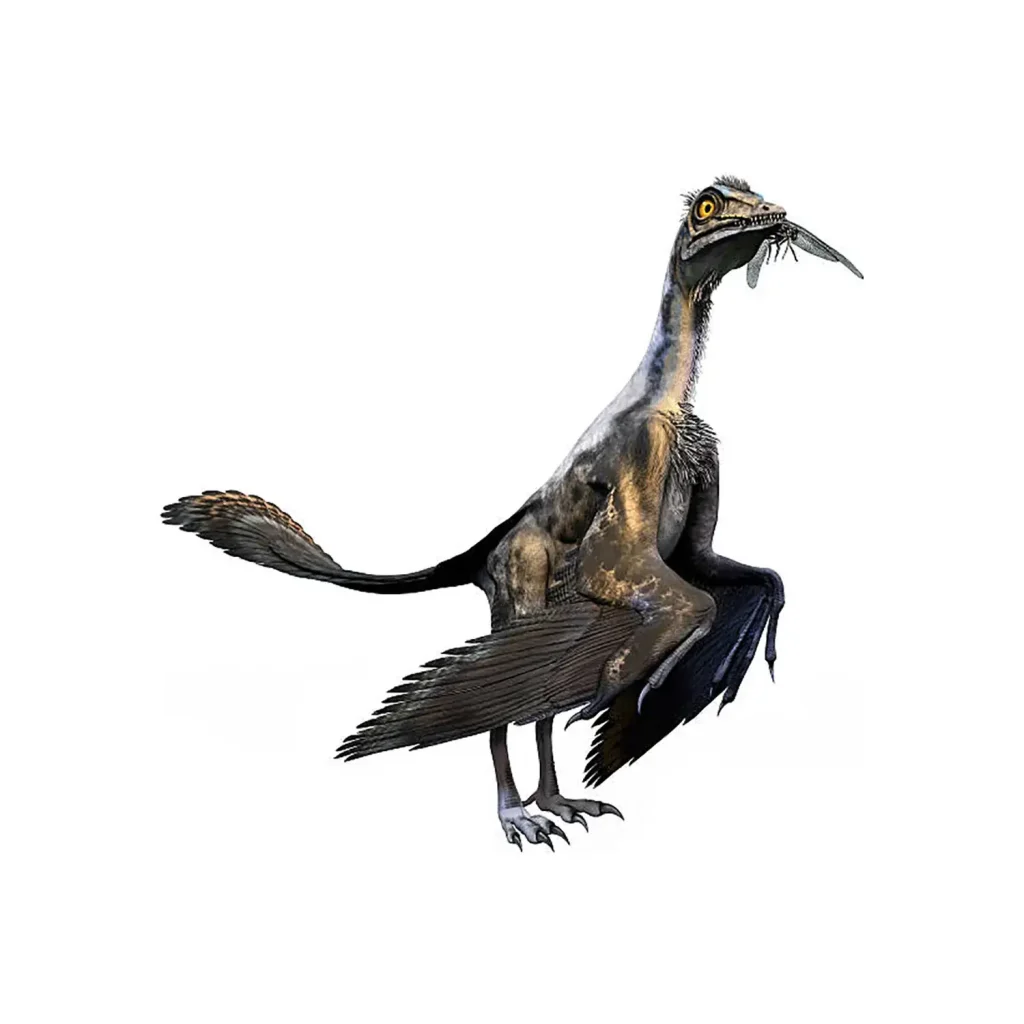
- Archaeopteryx
- Classification
- Theropods
- Characteristics
- Carnivorous
- Era
- Jurassic period
-
Sponsored Links
-
Sponsored Links








![[Latest Research] What Was the Function of Spinosaurus's Giant "Sail"? Exploring the Mysteries of Thermoregulation and Underwater Locomotion](https://dinosaurmuseum.jp/wp/wp-content/uploads/eyecatch_spinosaurus-sail-function_en-1024x512.webp)
![[Latest Discovery] A Third Type of Skin, Neither Scales Nor Feathers? Meet "Haolong dongi," a New Dinosaur Species Covered Entirely in Spikes](https://dinosaurmuseum.jp/wp/wp-content/uploads/eyecatch_dinosaur-spiky-skin-discovery_en-1024x512.webp)



Description
In the history of dinosaur research, there may be no other dinosaur that has been so misunderstood and forced to bear a dishonorable name for so long.
Its name is “Oviraptor.”
This small theropod, which lived in Mongolia during the Late Cretaceous period of the Mesozoic Era, has now regained its honor as a “deeply affectionate and devoted parent.” However, reaching this point involved a 60-year history of false accusations and complicated circumstances that could be called the mix-up of the century.
Quirky “Bird-Like” Dinosaur Characteristics
Oviraptor is the representative dinosaur of the oviraptorosaurs, and it was a highly unique presence.
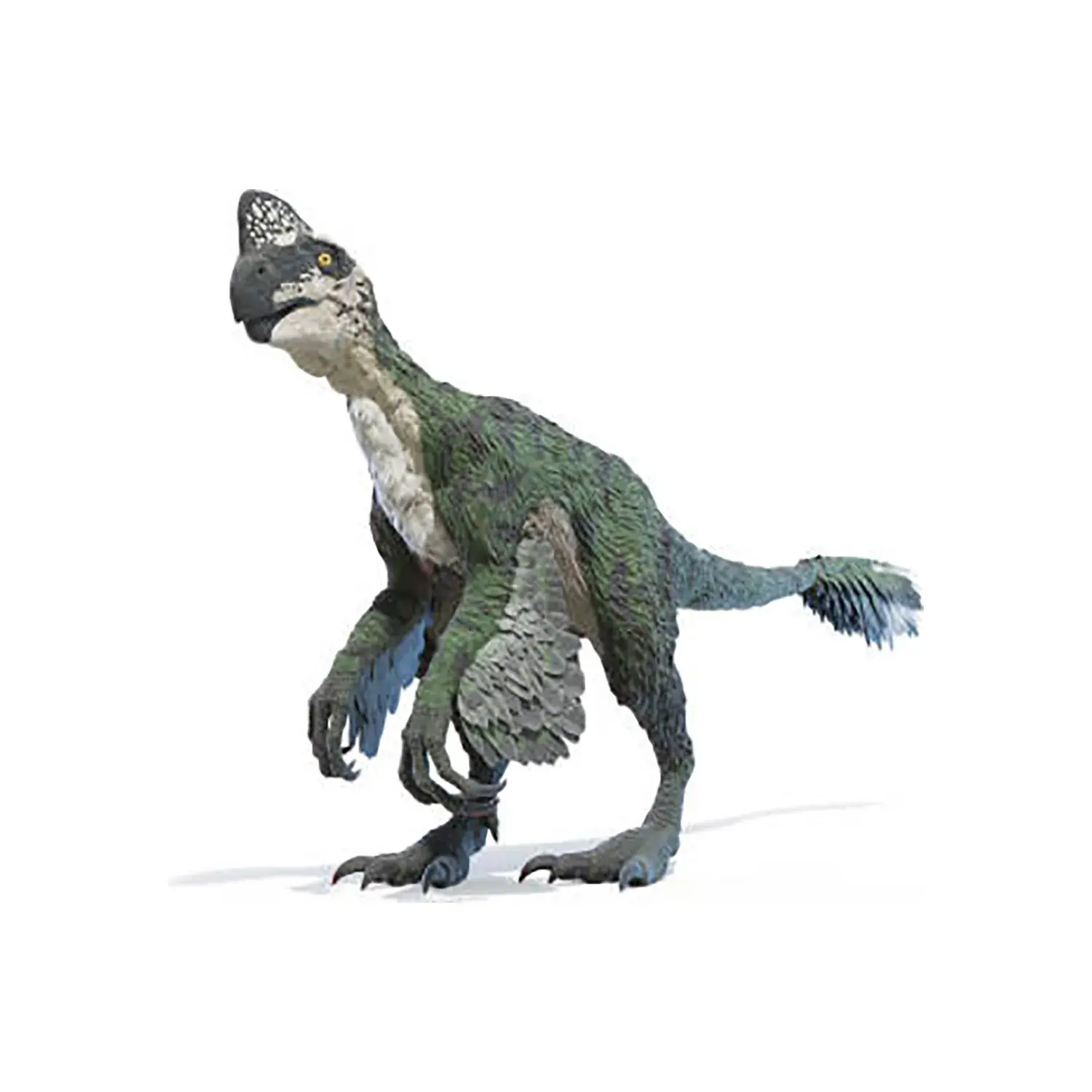
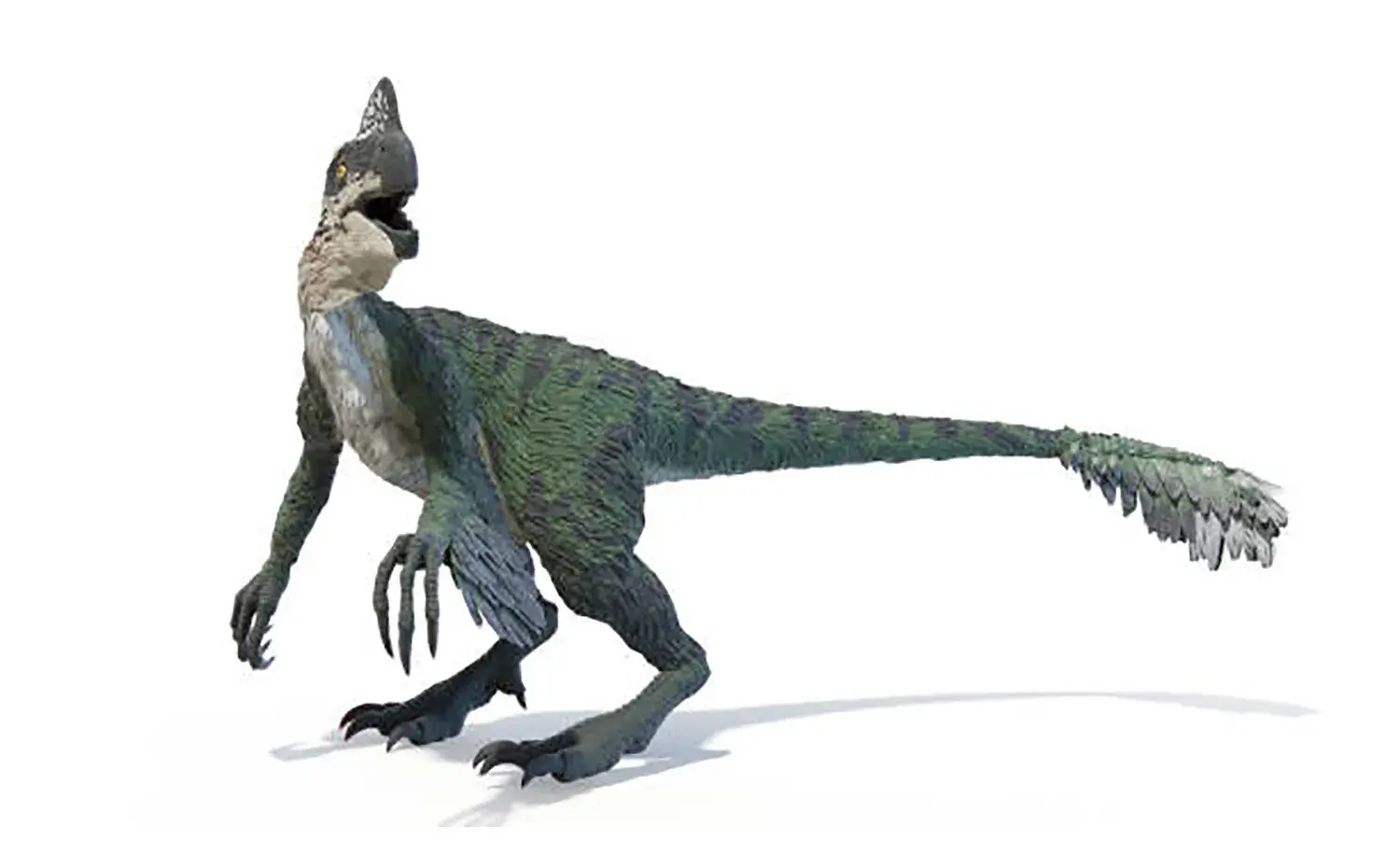
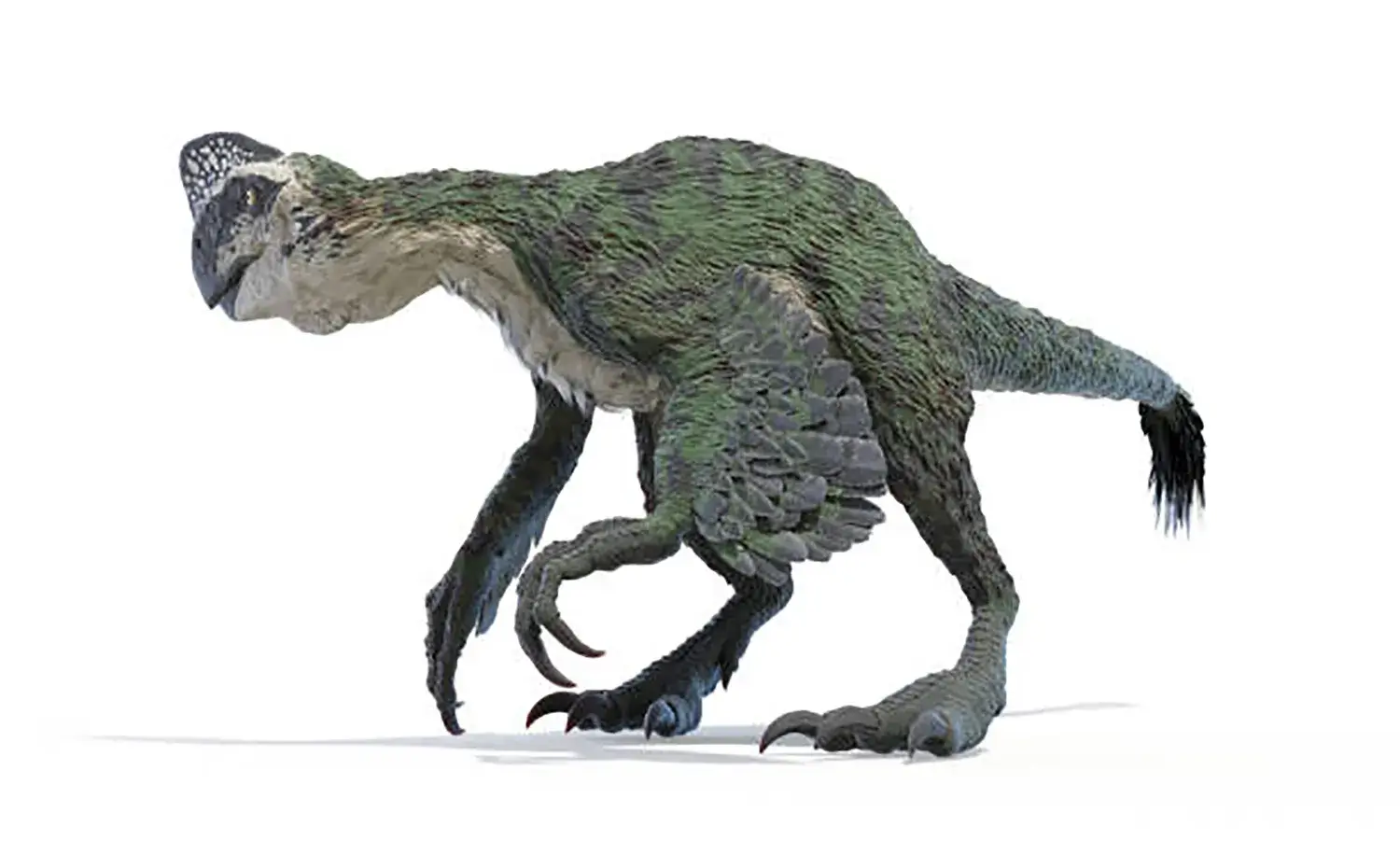
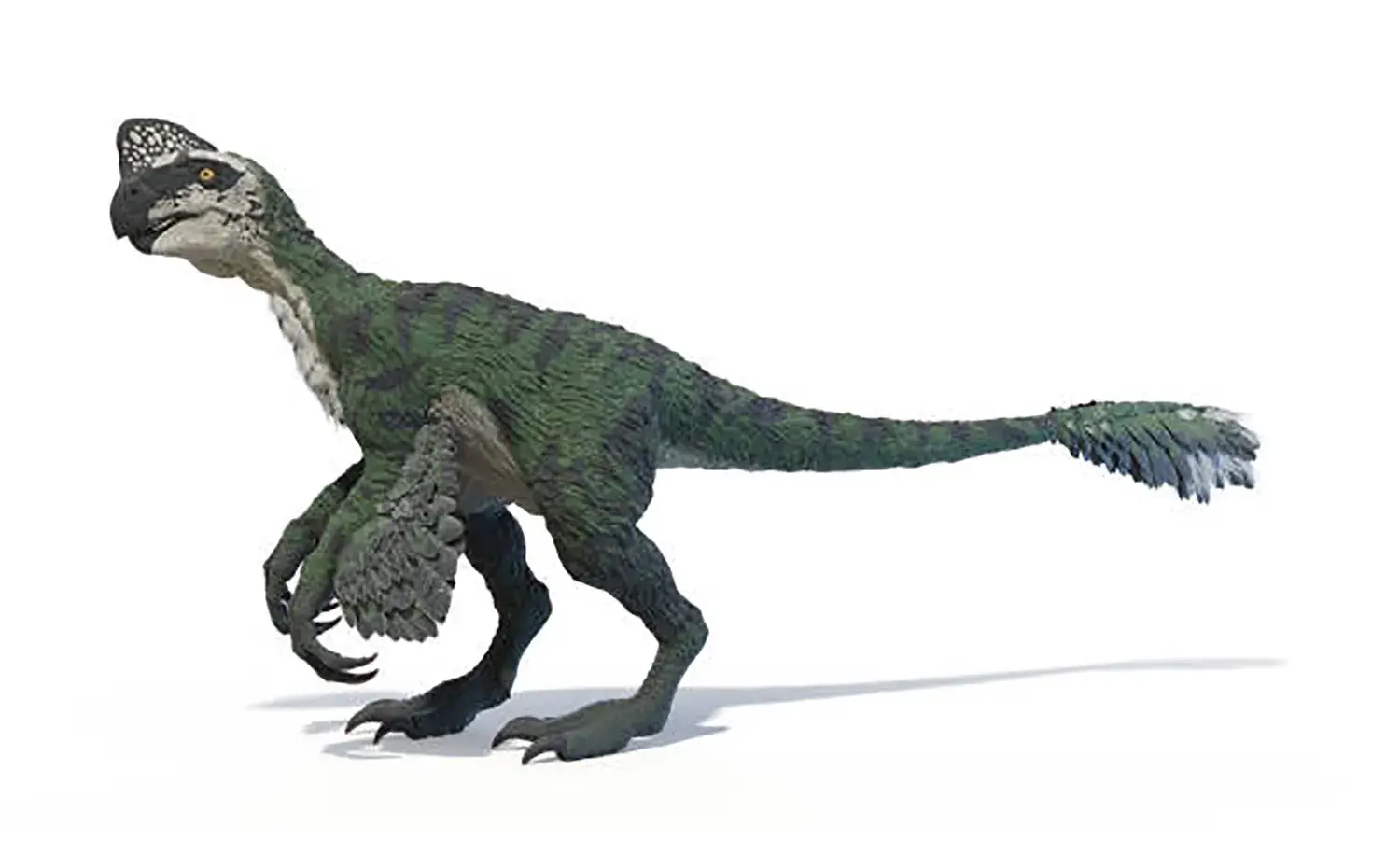
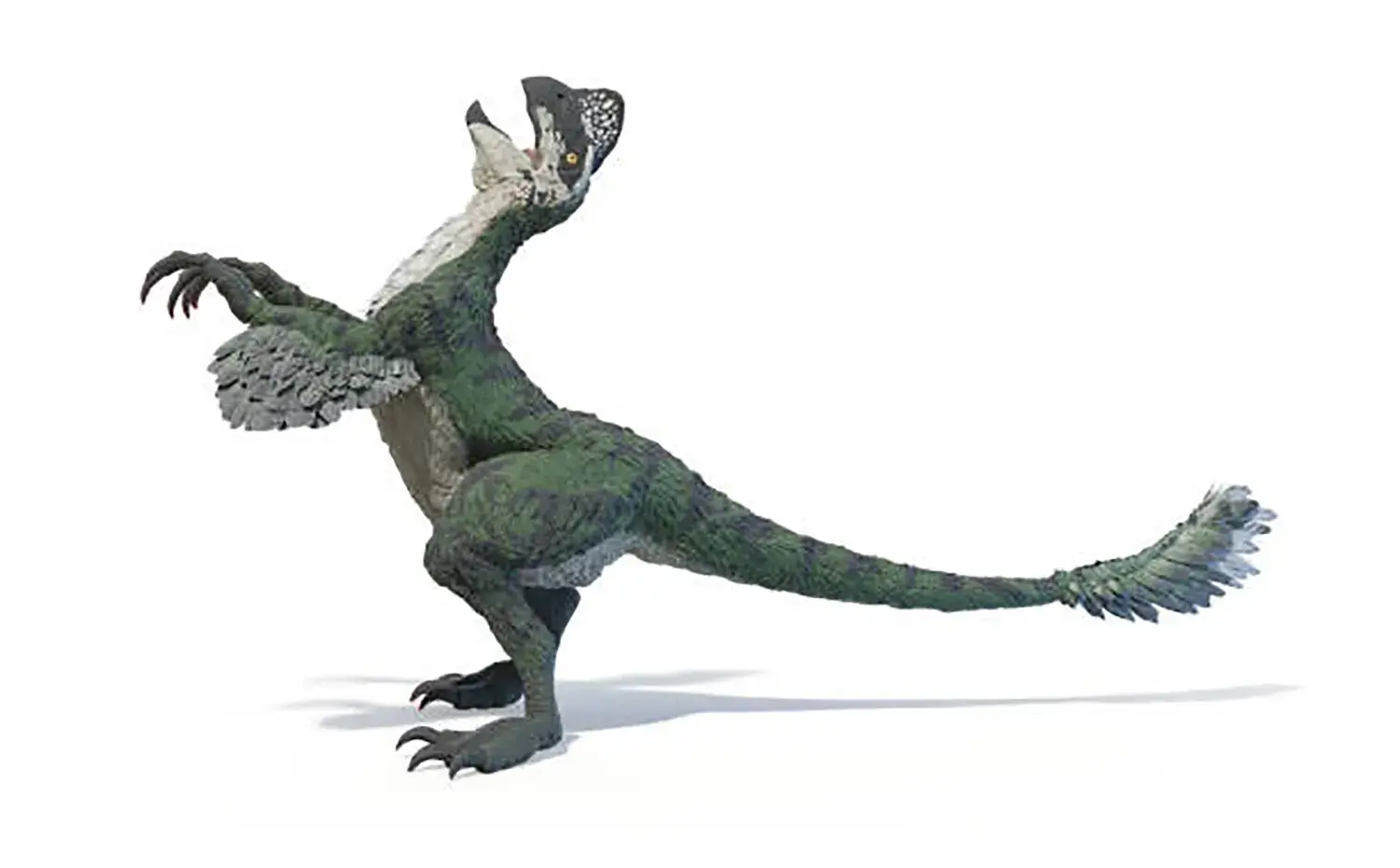
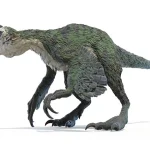
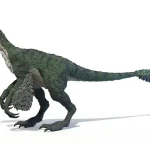
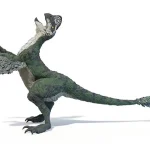
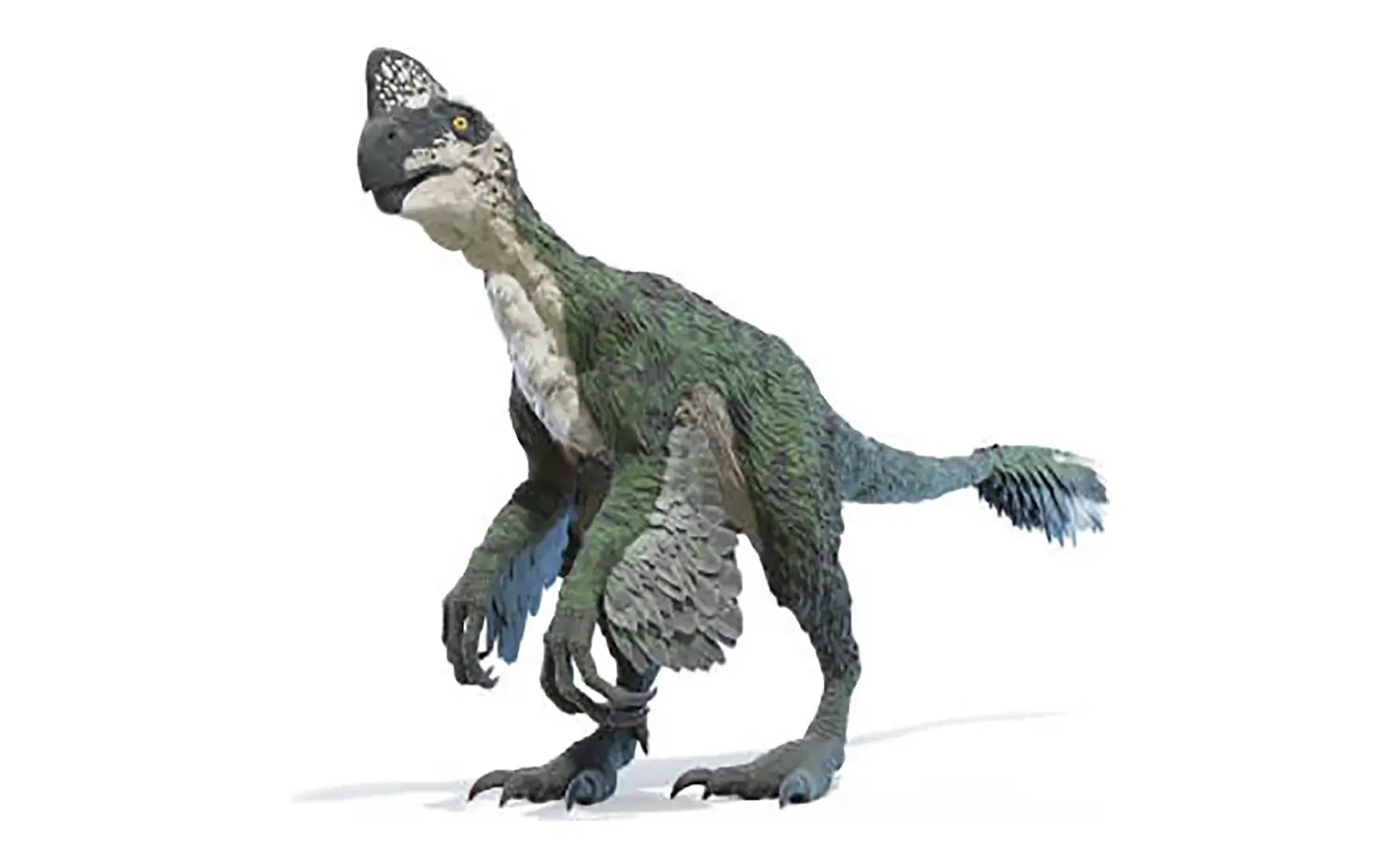
It was small, measuring about 1 to 3 meters (3.3 to 9.8 feet) in total length, and its appearance possessed many characteristics similar to modern birds, particularly flamingos and parrots.
A Toothless Beak and Unique Head
Their most defining feature is their bizarre facial structure.
They did not have a single tooth in their jaws; instead, they had a powerful, parrot-like beak.
Projections on the Upper Jaw
In the center of the roof of their upper jaw, there were two sharp, bone-like projections that resembled teeth.
By biting these down against the lower jaw, their mouths were perfectly structured for crushing hard objects.
A Flamingo-Like Jaw
The jaw had a distinctive underbite shape, giving them a highly unique profile.
The Mystery of the Crest
They are said to have had a crown-like crest on their heads.
However, this crest involves a major problem of “species misidentification,” which will be discussed later.
Feathers and Bird-Like Ecology
Beyond their heads, they had other features shared with modern birds, such as a short tail and well-developed forelimbs.
Fossil research on their close relatives indicates a high probability that they had feathers, and modern reconstructions generally depict them completely covered in plumage.
The False Accusation of the Name “Egg Thief”
The scientific name Oviraptor means “egg thief” in Latin.
Furthermore, its specific name “philoceratops” (lover of ceratopsians) is an ironic name initially given to mean “one who loves to eat the eggs of Protoceratops.”
The 1920s: A “Guilty Verdict” Based on Circumstantial Evidence
This species was discovered in the 1920s during an excavation in Mongolia by the American Museum of Natural History.
However, what was unfortunate was the “circumstances” of its discovery.
The fossil was found right next to a nest and eggs of a Protoceratops, a dinosaur that flourished in Mongolia at the time.
Researchers speculated, “This dinosaur must have died while raiding the nest and trying to steal and eat the eggs.”
In 1924, based solely on this circumstantial evidence, it was named “Egg Thief (Oviraptor)” and was believed for decades to be a cunning plunderer.
Clearing Its Name After 60 Years
The turning point that cleared its tarnished reputation arrived in the 1990s, more than 60 years after it was named.
1993: The Contents of the Eggs Were Its “Own Children”
In 1993, a detailed investigation of the fossilized eggs previously thought to belong to Protoceratops revealed a surprising fact.
From inside one of those eggs, the fossil of an “Oviraptor embryo” was discovered.
The eggs that were once found with Oviraptor were not the prey it was trying to steal; they were its own eggs.
1995: The Image of a “Loving Parent”
Furthermore, in 1995, a close relative named Citipati was discovered fossilized in a posture with its forelimbs spread wide, covering its eggs.
At the exact moment they became fossils, they were not stealing eggs—they were covering the eggs they had laid with their feathered arms, desperately trying to keep them warm and protect them.
Their true identity was not a “thief,” but the very embodiment of a “deeply affectionate and devoted parent” much like Maiasaura.
With this discovery, their reputation as a dinosaur deeply devoted to its children has now spread widely.
An Unchangeable Name and the “International Code of Zoological Nomenclature”
Thanks to research, all suspicion was completely cleared.
However, the academic world has a strict rule called the “International Code of Zoological Nomenclature,” meaning that once a scientific name is formally established, it cannot be changed just because its origin story was wrong.
As a result, even now that their innocence has been proven, they officially have no choice but to continue bearing the dishonorable name of “egg thief.”
The specific name “lover of ceratopsians” now leaves an ironic ring to it, translating closer to “deeply connected to the one they were falsely accused of stealing from.”
The Mystery of Its Diet and the “Conch Thief” Suspicion
If eggs were not their staple food, what exactly were they eating?
Lizards and Nuts (The Omnivore Theory)
As the most compelling piece of evidence, an individual has been found with lizard fossils inside its abdominal cavity.
Additionally, because its jaw structure resembles that of primitive ceratopsians, the theory that they were omnivores eating plants and hard nuts remains strongly supported.
The Rejected “Conch Thief” Theory
There was once a theory that they used their distinctive beaks to “pry open and eat bivalves,” and a close relative was even named “Conchoraptor” (conch thief).
However, it was later discovered that the skull of Oviraptor had many air spaces and could not withstand the pressure required to pry open shells, so this theory is currently rejected.
Oviraptor’s “True Identity”: Was it Actually “Citipati”?
The story continues.
That famous image we often see in encyclopedias and museums—the dinosaur with the magnificent crest, brooding over eggs in a nest.
Actually, strictly speaking, there is a high probability that this is not Oviraptor.
The Limitations of the Holotype Specimen
The very first specimen (the holotype) named “Oviraptor” had a crushed skull, meaning its state of preservation was poor.
Recent studies suggest it is highly likely that the real Oviraptor did not actually have that characteristic “magnificent crest.”
The Figure in Encyclopedias is “Citipati”
On the other hand, the beautifully preserved fossil found in the brooding posture was given a different genus name, Citipati, in subsequent research.
In other words, almost all the imagery we associate with the “egg-warming Oviraptor” is actually of its close relative, Citipati.
The exact facial structure of the true Oviraptor remains shrouded in mystery.
Summary
Falsely accused as an “egg thief,” only to have its most famous image revealed as “actually a different species” right when it seemed its honor was restored.
Oviraptor is a “pitiful” yet fascinating dinosaur, wrapped up in numerous misunderstandings and mysteries.
Even if their name cannot be changed, the fact that they struggled to leave behind descendants in a harsh environment remains true.
That truth teaches us both the immense difficulty and the incredible fascination of dinosaur research.