
Unaysaurus
Name Origin
Lizard of Unay (meaning Black Water)
Family
Plateosauridae
Classification
Diapsida, Saurischia, Sauropodomorpha
Habitat (Discovery Location)
Brazil
Period
Approximately 225–200 million years ago (Late Triassic)
Length
Approximately 2.5 meters
Weight
Approximately 70 kg
Diet
Herbivore
You might also like... 

-
 Cryodrakon
- Classification
- Flying reptiles
- Characteristics
- Carnivorous
- Era
- Cretaceous period
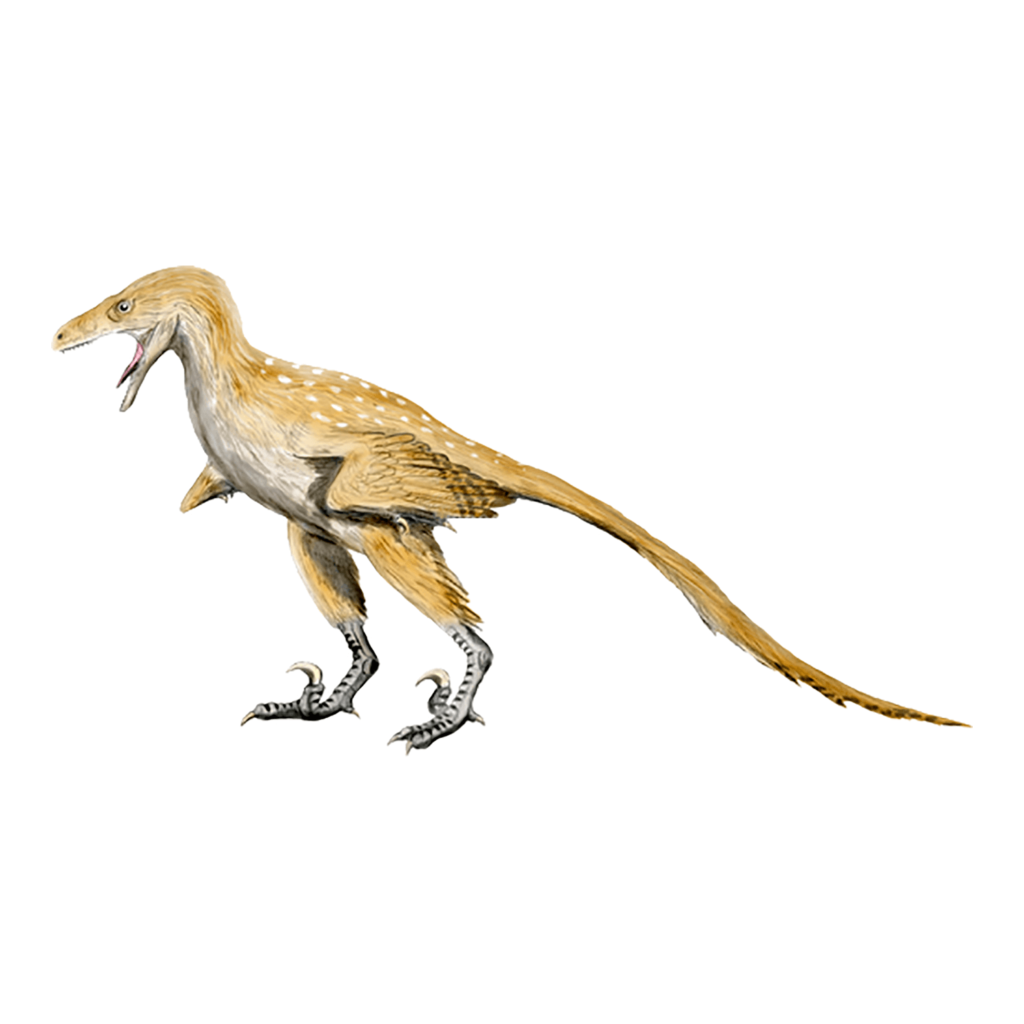
- Bambiraptor
- Classification
- Theropods
- Characteristics
- Carnivorous
- Feathered
- Era
- Cretaceous period
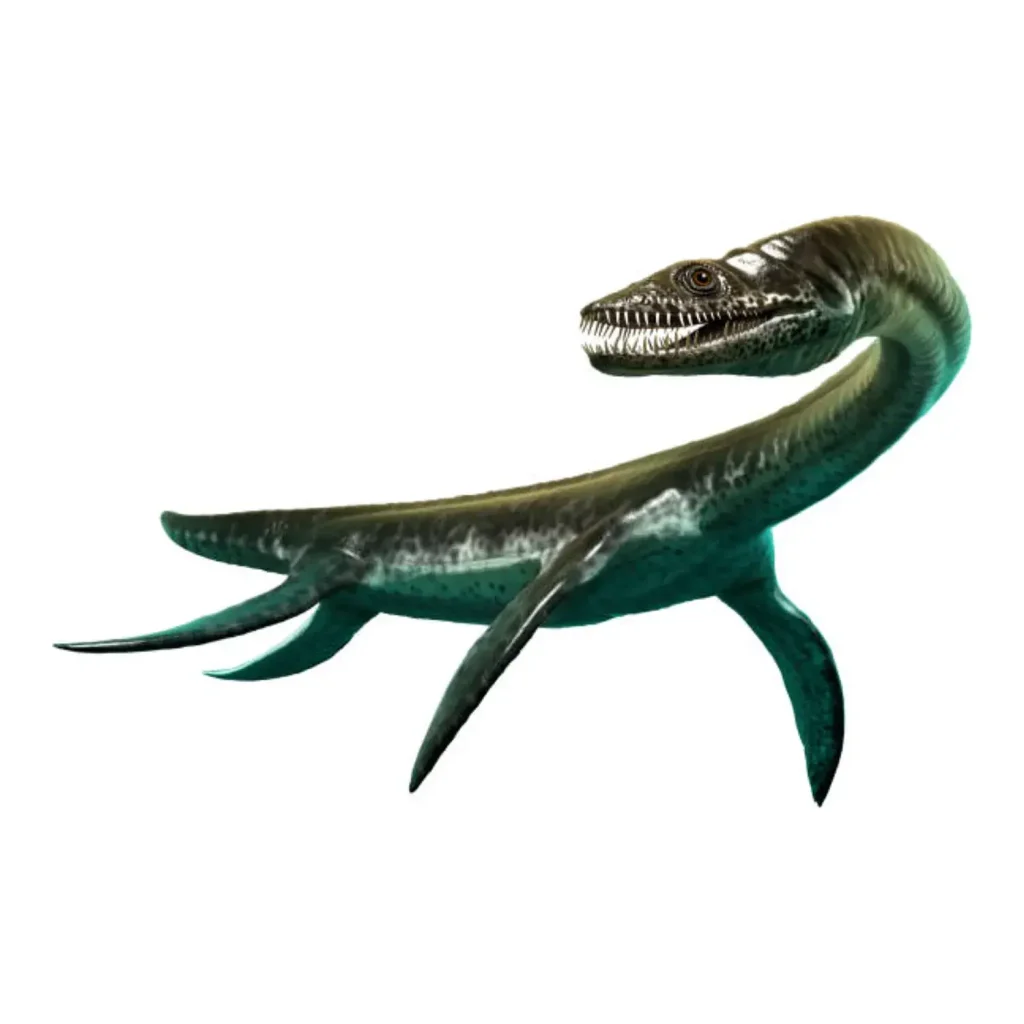
- Plesiosaurus
- Classification
- Marine reptiles
- Characteristics
- Carnivorous
- Era
- Jurassic period
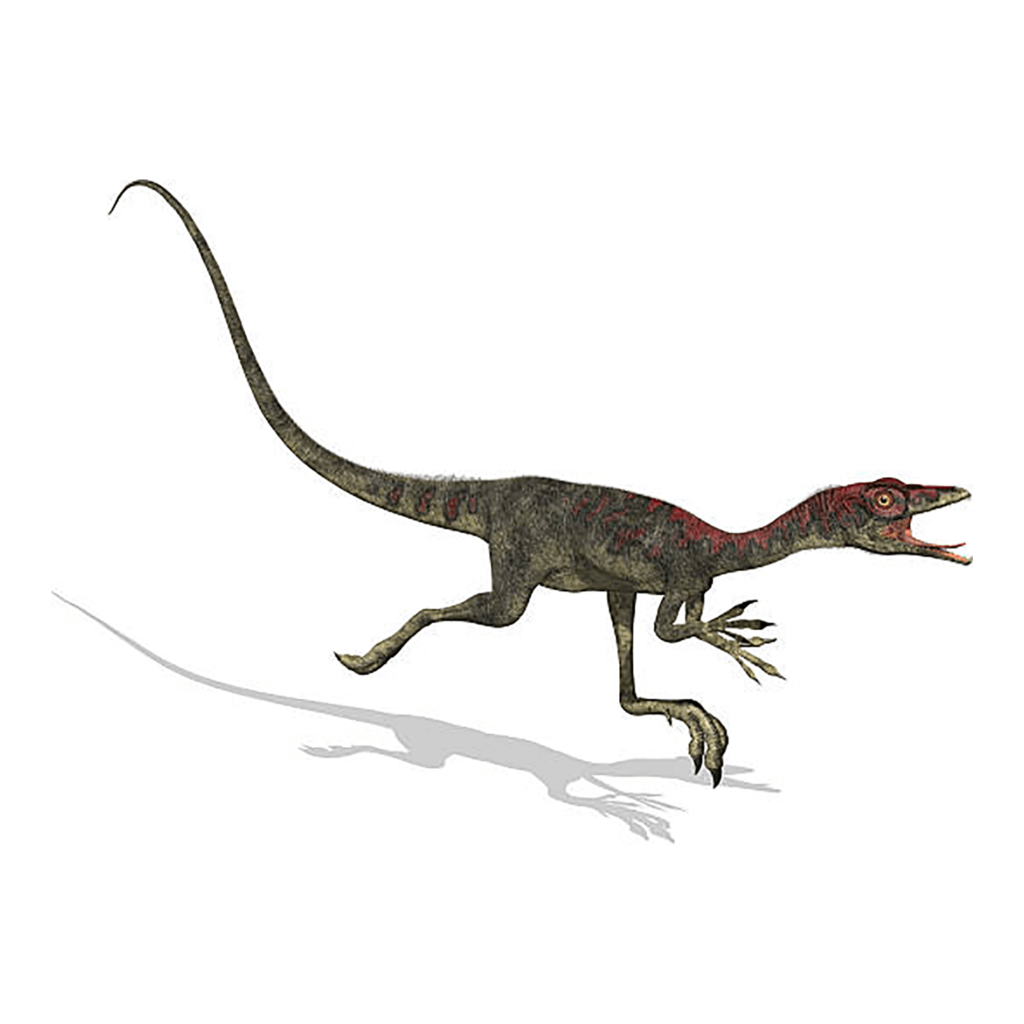
- Compsognathus
- Classification
- Theropods
- Characteristics
- Carnivorous
- Feathered
- Era
- Jurassic period
-
Sponsored Links
-
Sponsored Links









![[Latest Research] What Was the Function of Spinosaurus's Giant "Sail"? Exploring the Mysteries of Thermoregulation and Underwater Locomotion](https://dinosaurmuseum.jp/wp/wp-content/uploads/eyecatch_spinosaurus-sail-function_en-1024x512.webp)
![[Latest Discovery] A Third Type of Skin, Neither Scales Nor Feathers? Meet "Haolong dongi," a New Dinosaur Species Covered Entirely in Spikes](https://dinosaurmuseum.jp/wp/wp-content/uploads/eyecatch_dinosaur-spiky-skin-discovery_en-1024x512.webp)

Description
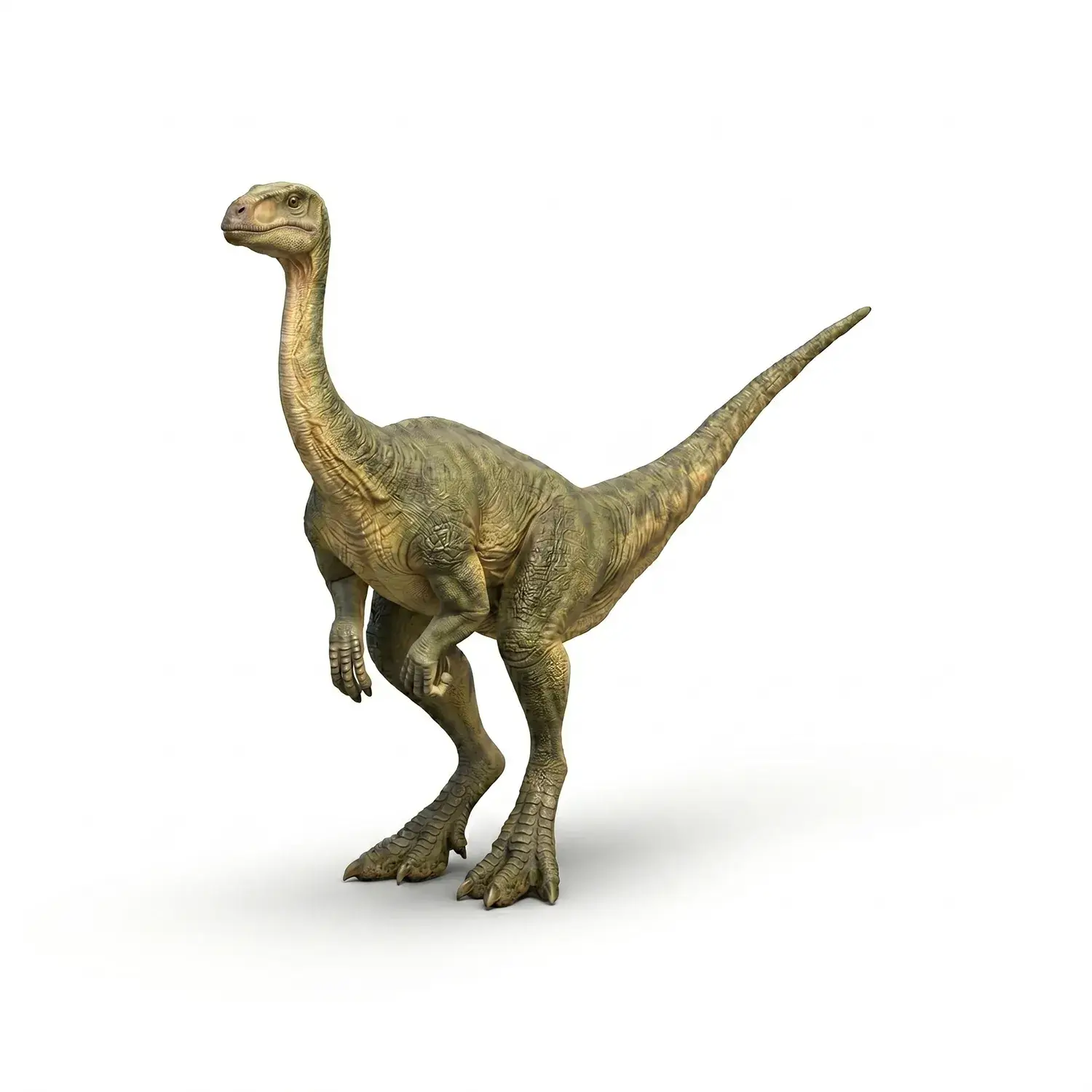
Unaysaurus is a small prosauropod weighing about 70 kg that lived in the region now known as Brazil, South America, during the Late Triassic period.
Its fossils were discovered in strata that are particularly old even for the Late Triassic, making it known as one of the “world’s oldest dinosaurs” or “oldest sauropodomorphs.”
One of the World’s Oldest Dinosaurs: An Inhabitant of an Era Older than Plateosaurus
Unaysaurus lived during a very early part of the Late Triassic.
Its fossils were discovered in geological layers that are exceptionally old for that period.
This means it lived in an era even older than the famous Plateosaurus and Anchisaurus.
Because of this age, Unaysaurus is considered an extremely important specimen for understanding the very earliest stages of dinosaur evolution.
The Best Preservation in Brazil! A Precious Specimen That Proved a New Species
The condition of the discovered fossils also speaks to the importance of this dinosaur.
Although only about half of the skeleton was found, it is actually a precious specimen with the most recovered parts among dinosaurs discovered in Brazil (boasting the best preservation state in Brazil).
Usually, finding dinosaur fossils in a complete form is extremely difficult.
However, the fossils of Unaysaurus were well-preserved for their age, possessing sufficient quality to prove it was a previously unknown new species.
Evidence of Crossing Pangea: The Relationship with European Dinosaurs
The existence of Unaysaurus also serves as an important clue for understanding the geography of the Earth at that time.
An Unexpected Connection Between Brazil and Europe
Interestingly, despite being discovered in Brazil (South America), this dinosaur is known to be phylogenetically closely related to Plateosaurus, which was found in far-off Europe.
One Massive Landmass: “Pangea”
The fact that Unaysaurus, inhabiting South America, shares similarities with dinosaurs in distant Europe is considered evidence that all continents were once connected as a single massive landmass called “Pangea.”
Because the land was connected, Unaysaurus and its relatives could walk from Brazil to Europe.
It is speculated that they evolved in these new locations, eventually changing into large dinosaurs like Plateosaurus.
Ecology: A Bipedal Herbivorous Dinosaur
Its ecology is believed to have been similar to its relative, Plateosaurus.
Walking Style
It primarily moved around using bipedal locomotion as its default.
Diet
It lived an herbivorous life, eating plants and vegetation found wherever it traveled.