
Bambiraptor
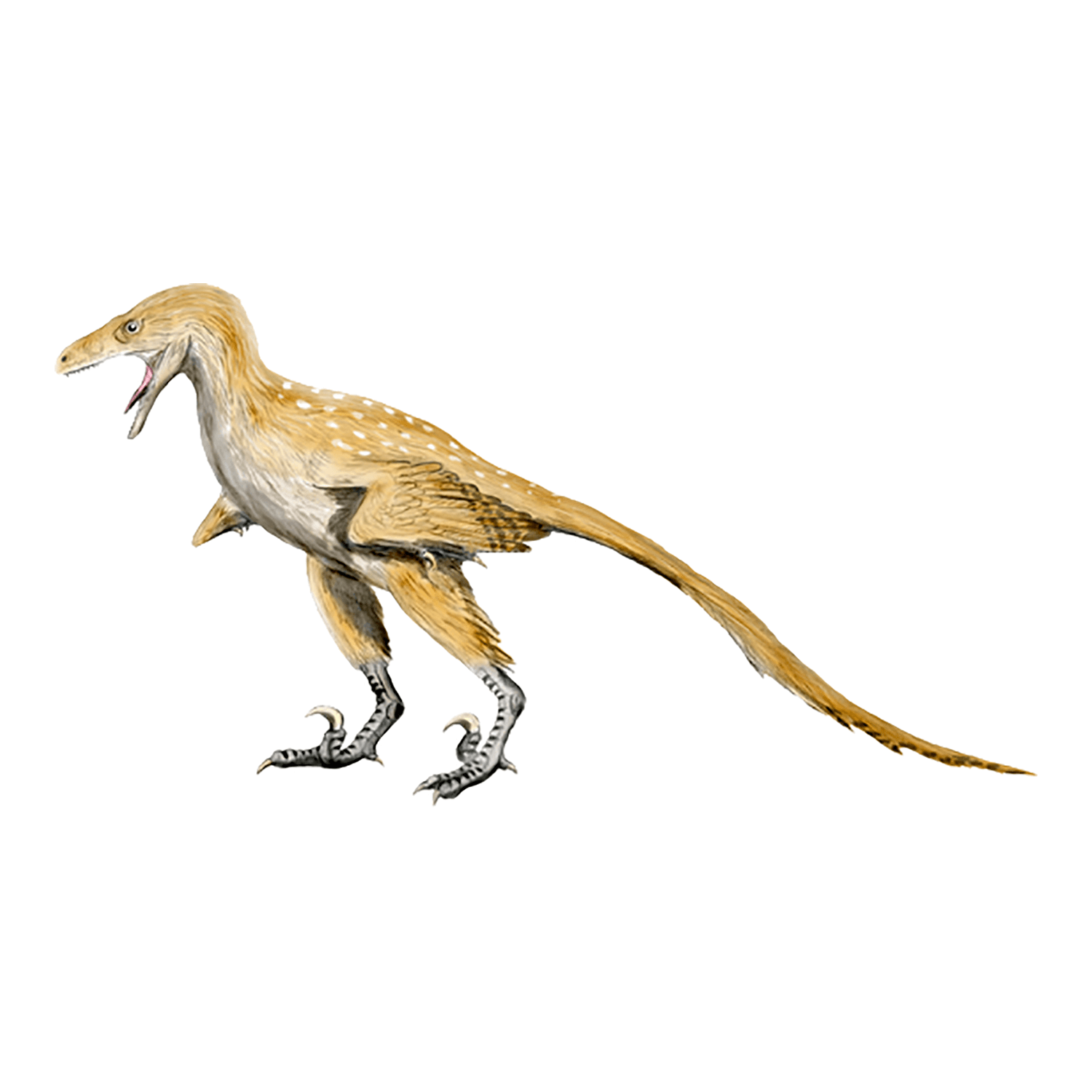
Name Origin
Bambi-like Thief
Family
Dromaeosauridae
Classification
Diapsida, Saurischia, Theropoda
Habitat (Discovery Location)
United States
Period
Approximately 83.6–72.1 million years ago (Late Cretaceous)
Length
Approximately 1.3 meters
Weight
Approximately 2–5 kg
Diet
Carnivore (Meat-eater)

You might also like... 

-
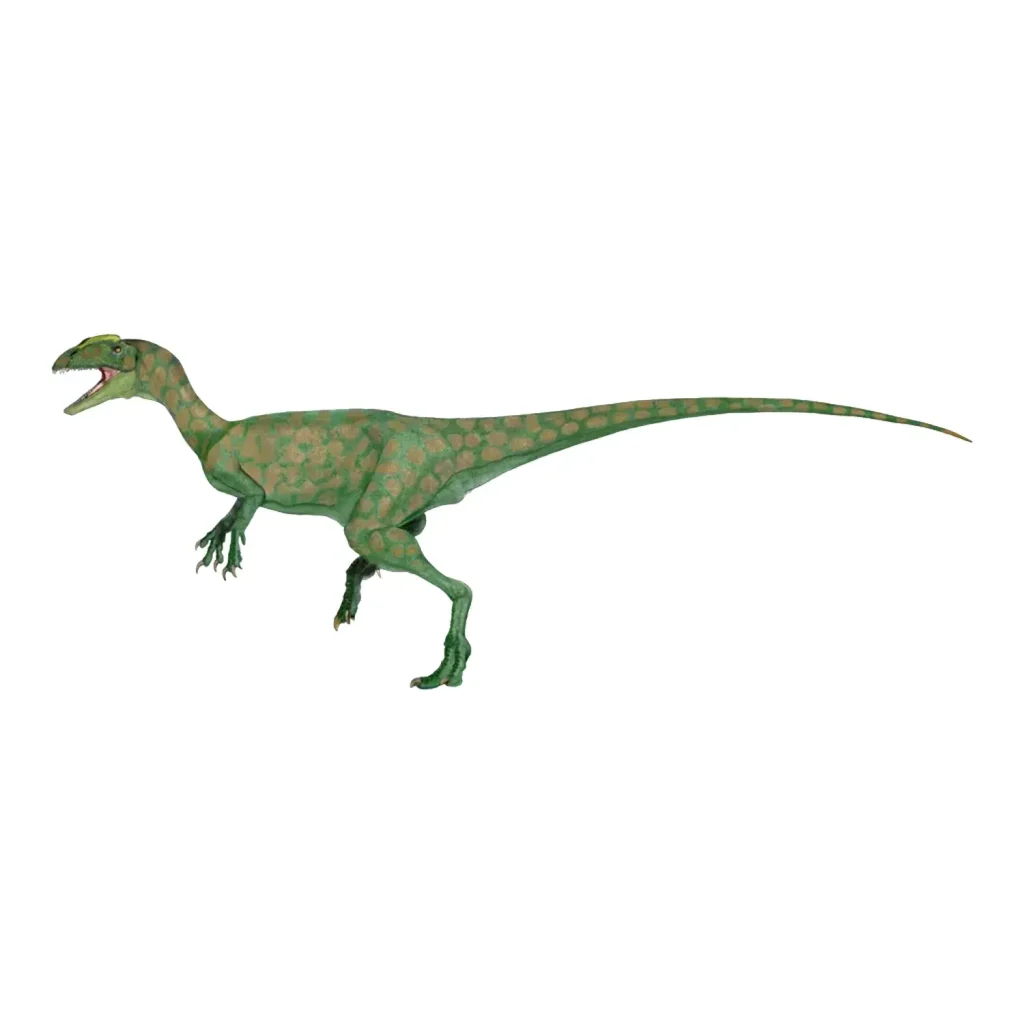
 Rugops
- Classification
- Theropods
- Characteristics
- Carnivorous
- Era
- Cretaceous period
- Liliensternus
- Classification
- Theropods
- Characteristics
- Carnivorous
- Era
- Triassic period
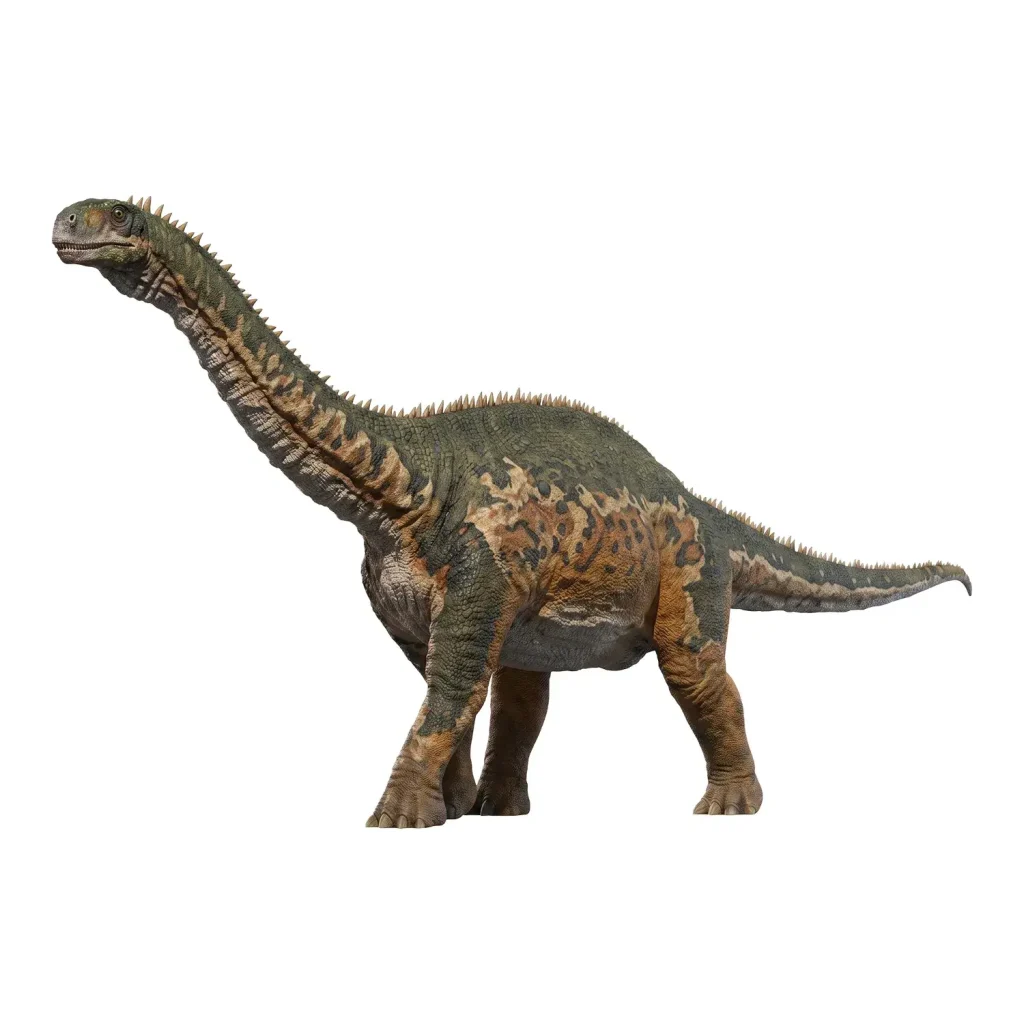
- Isanosaurus
- Classification
- Sauropods
- Characteristics
- Herbivorous
- Era
- Triassic period
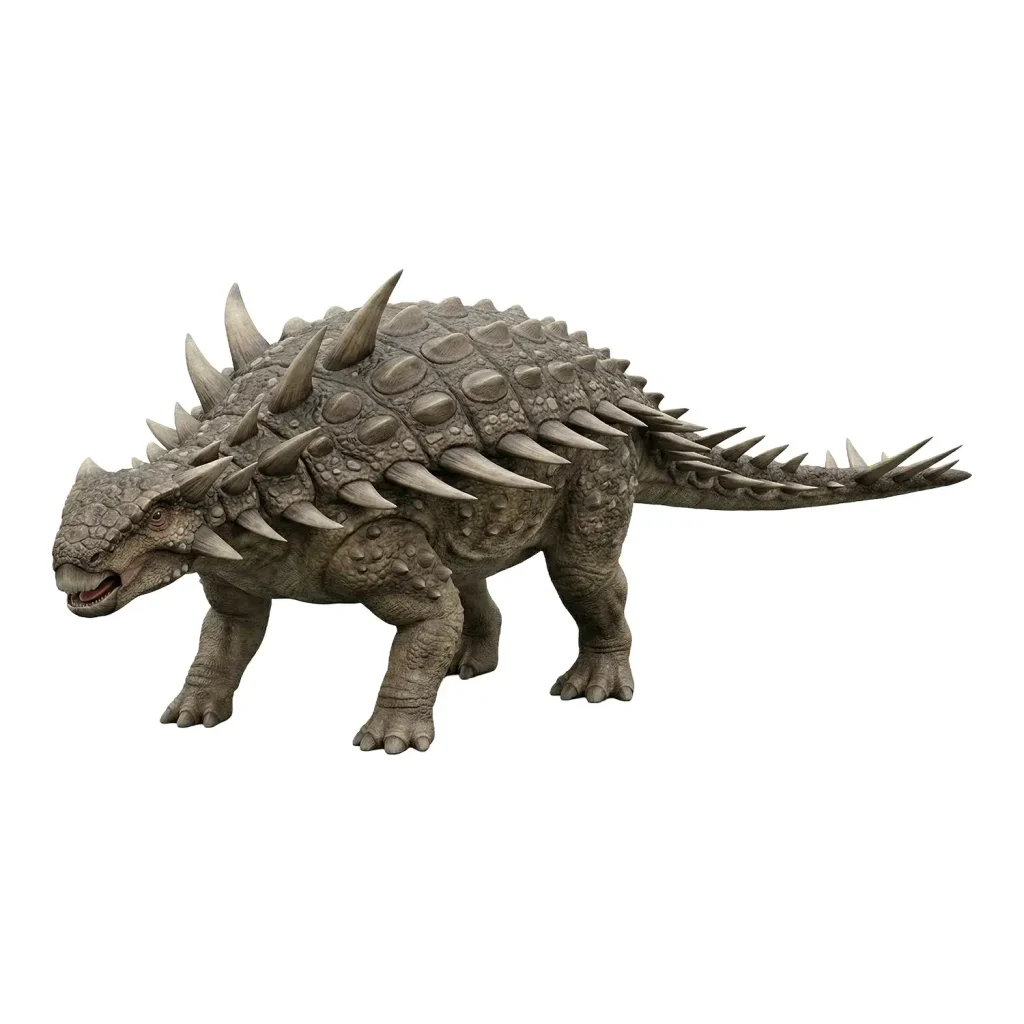
- Peloroplites
- Classification
- Thyreophora
- Characteristics
- Herbivorous
- Era
- Cretaceous period
-
Sponsored Links
-
Sponsored Links









![[Latest Research] What Was the Function of Spinosaurus's Giant "Sail"? Exploring the Mysteries of Thermoregulation and Underwater Locomotion](https://dinosaurmuseum.jp/wp/wp-content/uploads/eyecatch_spinosaurus-sail-function_en-1024x512.webp)
![[Latest Discovery] A Third Type of Skin, Neither Scales Nor Feathers? Meet "Haolong dongi," a New Dinosaur Species Covered Entirely in Spikes](https://dinosaurmuseum.jp/wp/wp-content/uploads/eyecatch_dinosaur-spiky-skin-discovery_en-1024x512.webp)


Description
Dinosaurs and birds.
While Archaeopteryx is famous as the link connecting these two groups once thought to be distinct, a fossil even more critical to unlocking the evolutionary process was discovered in the United States during the 1990s.
Its name is “Bambiraptor.”
This small dinosaur, bearing the name of a Disney movie character, was found in a miraculous state with 95% of its skeleton preserved. It shocked paleontologists enough to be hailed as the “modern Rosetta Stone.”
A 14-Year-Old Boy and a Miraculous Fossil: Discovery of the “Rosetta Stone”
A Perfect Specimen with 95% Completeness
The story of Bambiraptor began with the achievement of a young boy.
The fossil discovered by Wes Linster, who was 14 years old at the time and hunting for fossils in Montana, USA, consisted of over 95% of the entire skeleton.
While small dinosaur bones usually weather easily, this specimen was perfect.
Likened to the stone tablet that became the key to deciphering ancient scripts, it is carefully preserved at the American Museum of Natural History as the “modern Rosetta Stone.”
“Bambi-like Thief”
The genus name of “Bambiraptor feinbergi,” described in 2000, means “Bambi-like thief.”
There are various theories about its origin—that the discovered individual was a juvenile and small like the fawn in the movie Bambi, or that it came from “bambino,” meaning baby in Italian—but this adorable image is the basis for its name.
The Archaeopteryx of North America? Characteristics of the Dinosaur Closest to Birds
The main reason Bambiraptor is called the “Rosetta Stone” is that its physical structure is surprisingly similar to that of birds.
Many researchers evaluate it as the “North American version of Archaeopteryx,” and the specific similarities are as follows:
Furcula (Wishbone)
It possessed the V-shaped bone in the chest (wishbone) that acts as a spring when birds flap their wings.
Ossified Sternum
A bone supporting the muscles necessary for flight has also been confirmed.
Wing-like Arms
The arms and hands were very long, allowing the forelimbs to be folded like the wings of a bird.
Air Sacs
Inside the bones, there were traces of “air sacs” connected to the lungs, similar to birds, indicating active metabolism (warm-bloodedness).
Although no traces of feathers were found on the discovered fossil, based on these characteristics, it is considered almost certain that it was covered in fluffy feathers in life.
An Adorable Name, A Ferocious Hunter
Small Assassin
Contrary to the name “Bambi,” it was actually a ferocious hunter characteristic of Dromaeosaurs (raptors).
The discovered juvenile was 70–90 cm long (estimated adult size 1.3 m).
Although smaller than a human, it was equipped with sharp teeth and the “sickle claws” that are the symbol of raptors.
Brain Size and the Arboreal Theory
Worthy of special mention is the size of its brain.
The ratio of brain to body size was larger than that of any other dinosaur, and the cerebellum, which controls motor function, was particularly developed.
Paleontologist David A. Burnham proposed the following hypotheses regarding this high intelligence and agility.
Arboreal Theory
The brain developed to maintain balance in trees.
Active Predator Theory
It evolved to chase agile lizards and mammals.
Note: However, since the discovery was a juvenile, it is also pointed out that the brain ratio may appear larger than it would in an adult.
Remaining Mystery: Where are the Adults?
Classification Debate
Much of what is currently known is based on the juvenile fossil that was first discovered.
Since the details of the adult are unclear, there is a debate among some researchers: “Is Bambiraptor not an independent species, but rather a juvenile Saurornitholestes from the same era?”
Further research is awaited for this adorably named dinosaur to establish a solid status.