
Huaxiagnathus
Name Origin
Jaw of Huaxia (an ancient name for China)
Family
Compsognathidae
Classification
Diapsida, Saurischia, Theropoda
Habitat (Discovery Location)
China
Period
Approximately 125 million years ago (Early Cretaceous)
Length
Approximately 1.8 meters
Weight
Approximately 30 kg
Diet
Carnivore (Meat-eater)
You might also like... 

-
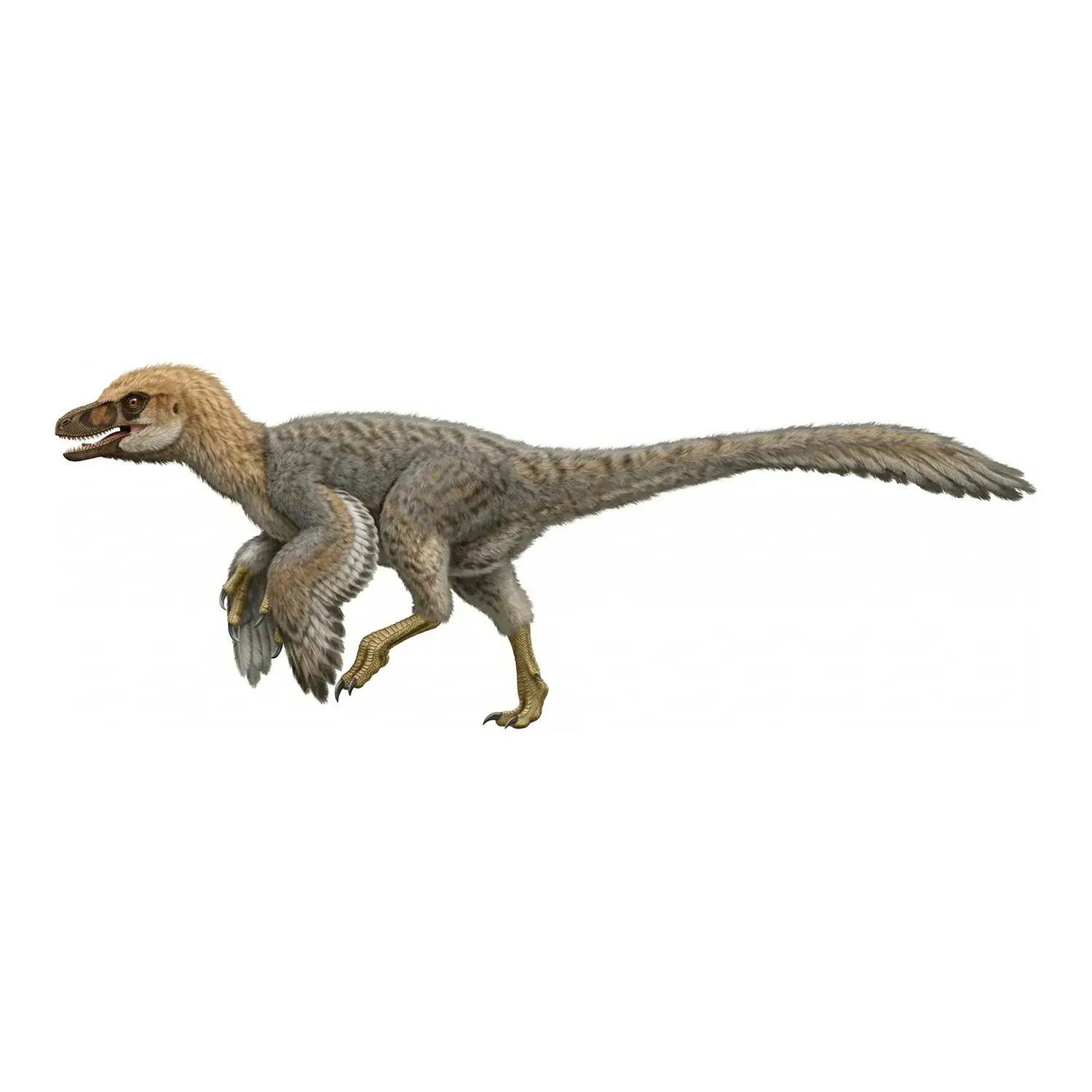
 Albertosaurus
- Classification
- Theropods
- Characteristics
- Carnivorous
- Era
- Cretaceous period
- Sinoceratops
- Classification
- Marginocephalia
- Characteristics
- Herbivorous
- Era
- Cretaceous period
- Giganotosaurus
- Classification
- Theropods
- Characteristics
- Carnivorous
- Era
- Cretaceous period
- Neovenator
- Classification
- Theropods
- Characteristics
- Carnivorous
- Era
- Cretaceous period
-
Sponsored Links
-
Sponsored Links









![[Latest Research] What Was the Function of Spinosaurus's Giant "Sail"? Exploring the Mysteries of Thermoregulation and Underwater Locomotion](https://dinosaurmuseum.jp/wp/wp-content/uploads/eyecatch_spinosaurus-sail-function_en-1024x512.webp)
![[Latest Discovery] A Third Type of Skin, Neither Scales Nor Feathers? Meet "Haolong dongi," a New Dinosaur Species Covered Entirely in Spikes](https://dinosaurmuseum.jp/wp/wp-content/uploads/eyecatch_dinosaur-spiky-skin-discovery_en-1024x512.webp)

Description
Liaoning Province, China, is world-famous as a site for the discovery of feathered dinosaur fossils.
About 125 million years ago, a certain agile small theropod lived in the “Yixian Formation” of this region.
This is “Huaxiagnathus.”
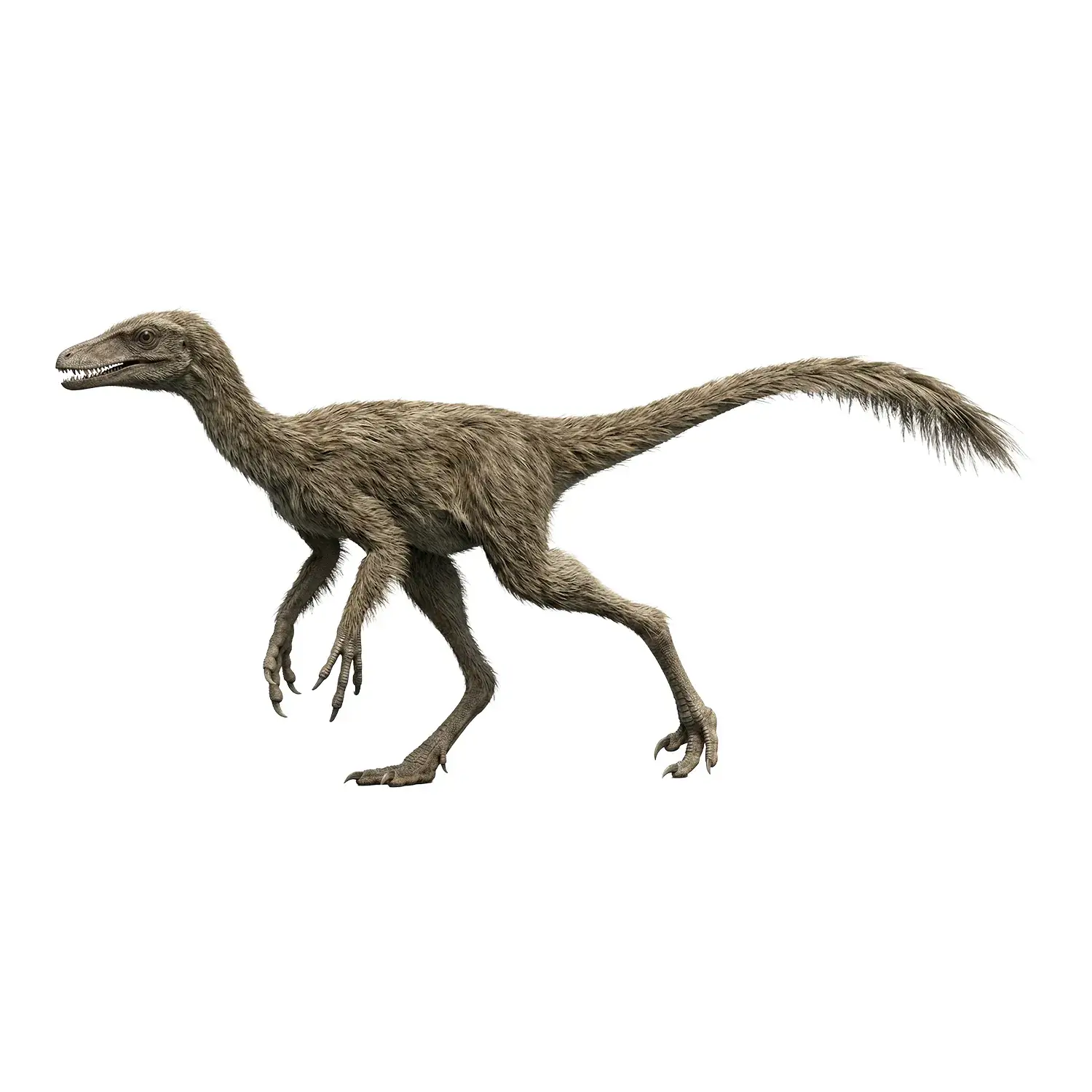
Described in 2004, this dinosaur belongs to the same “Compsognathidae” family as the famous Sinosauropteryx, but possessed a notably large body within this group.
Name Origin Meaning “Jaw of Huaxia”
The slightly unusual scientific name Huaxiagnathus was coined by combining respect for China, the place of discovery, with its physical characteristics.
Putting these together, it literally translates to “Jaw of Huaxia.”
It was named as one of the representative predators of Early Cretaceous China.
“Large” for a Compsognathid at 1.8m
The notable points of this dinosaur are its size and feathers.
Largest in the Group
Its total length is estimated to be approximately 1.8 meters, and its weight around 30 kg.
Compared to its relatives, the European Compsognathus and the Chinese Sinosauropteryx, it is a size larger, placing it in the large category among this group.
Primitive Feathers
Its greatest feature is that almost its entire body was covered in thin, fiber-like “primitive feathers.”
This is important evidence showing that small theropods of that time had widely acquired feathers for purposes such as insulation.
Agile Runner with Long “Hands”
Huaxiagnathus had a body type suited for running around on the ground to hunt.
“Hands” Longer Than Arms
Although its total length is compact, it possesses very long limbs.
The structure of the forelimbs (arms) is particularly distinctive, and fossils reveal that the “hand section was longer than the arm section.”
Prey: Small Animals
Utilizing these long limbs and lightweight body, they were “agile hunters” that dashed quickly through the forests.
Their main prey included small animals such as lizards and mammals.
It is believed they were excellent predators that used their prized “jaws” and long hands to capture prey.