
Falcarius
Name Origin
Sickle Maker
Family
Therizinosauridae
Classification
Diapsida, Saurischia, Theropoda
Habitat (Discovery Location)
United States
Period
Approximately 139 million years ago (Early Cretaceous)
Length
Approximately 4 meters
Weight
Approximately 100 kg
Diet
Herbivore
You might also like... 

-
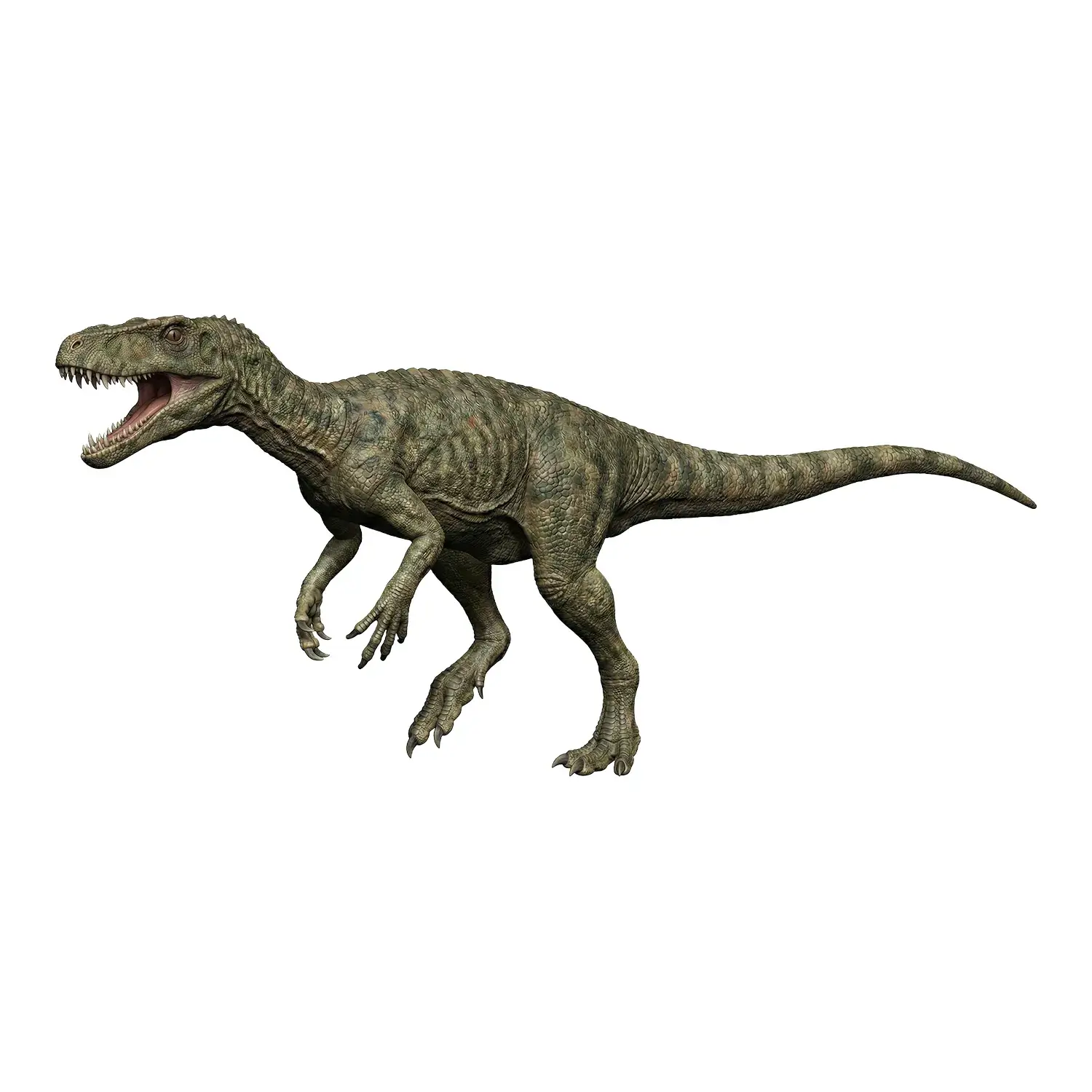
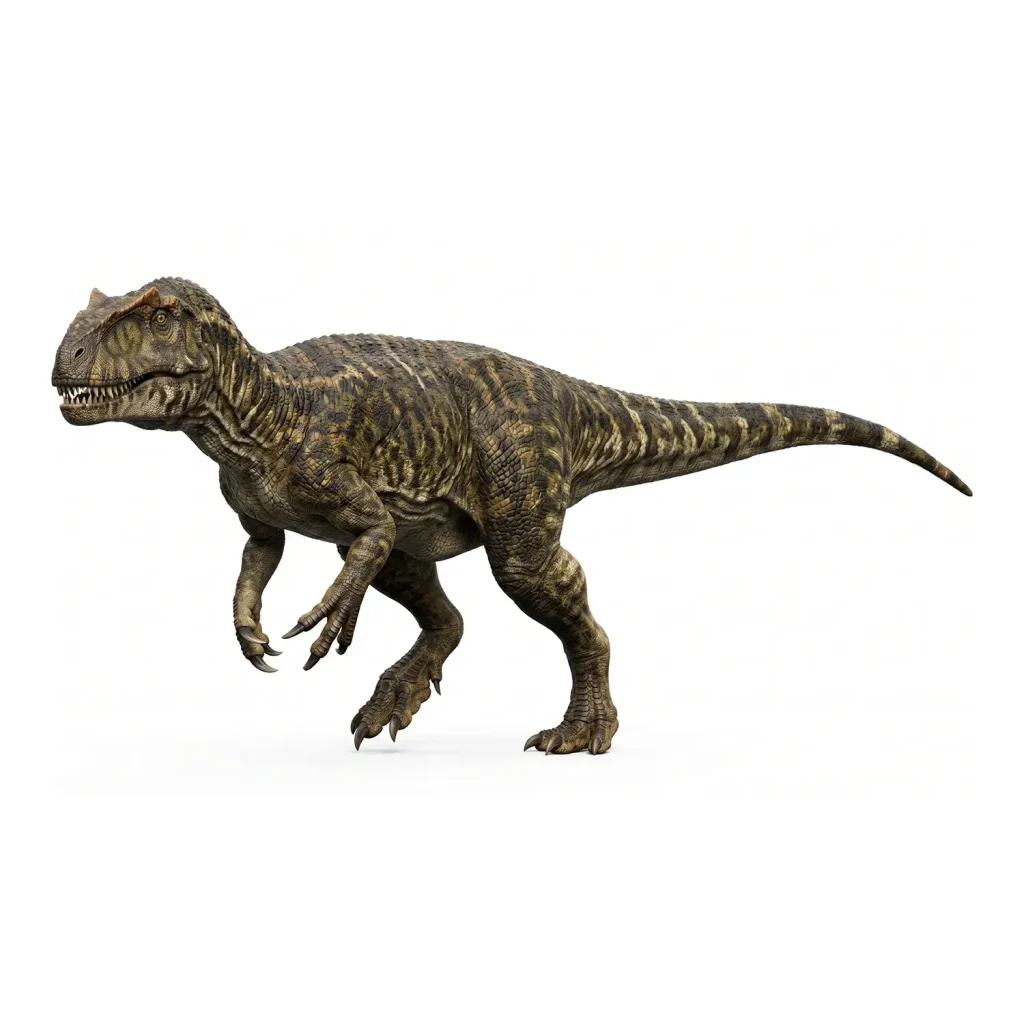
 Neovenator
- Classification
- Theropods
- Characteristics
- Carnivorous
- Era
- Cretaceous period
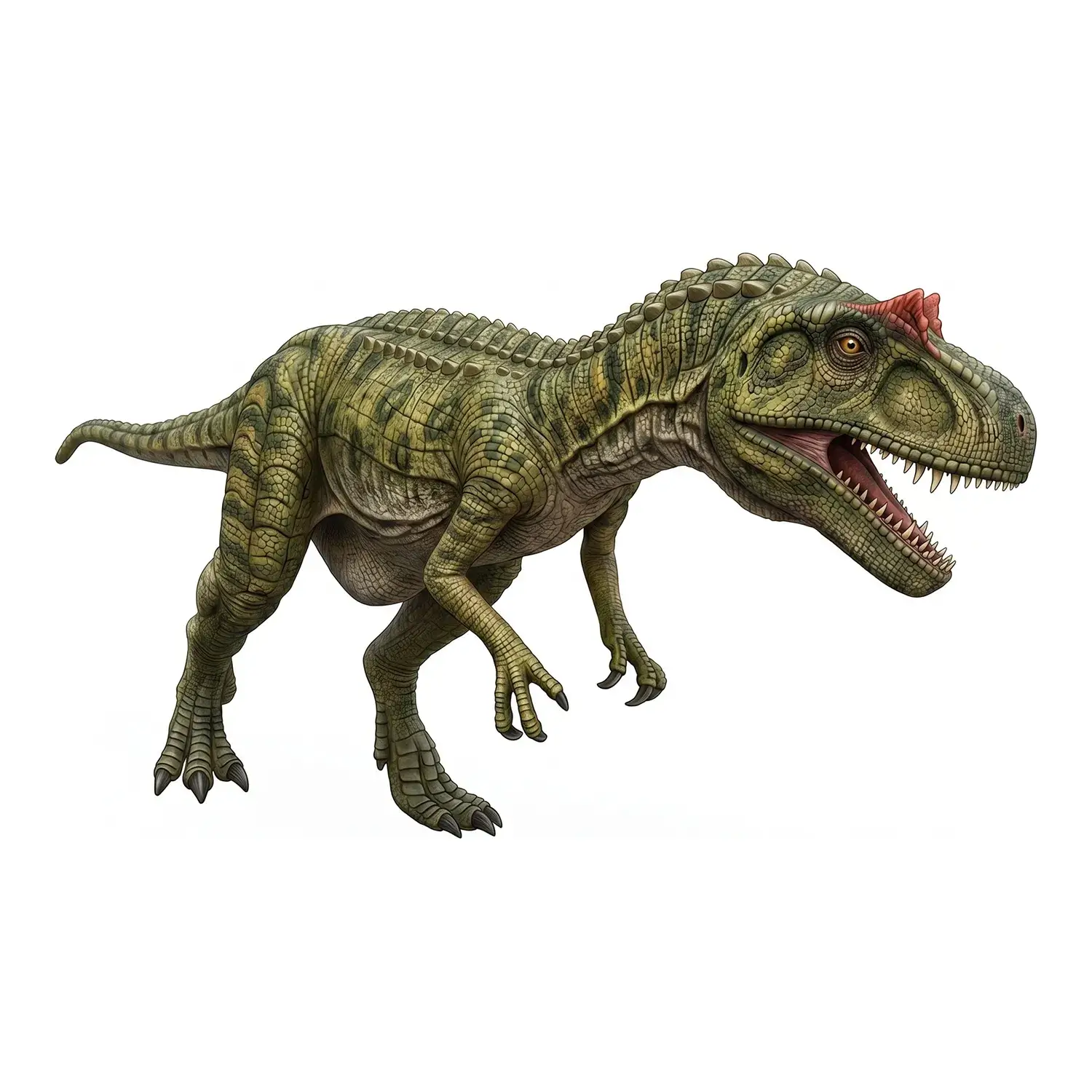
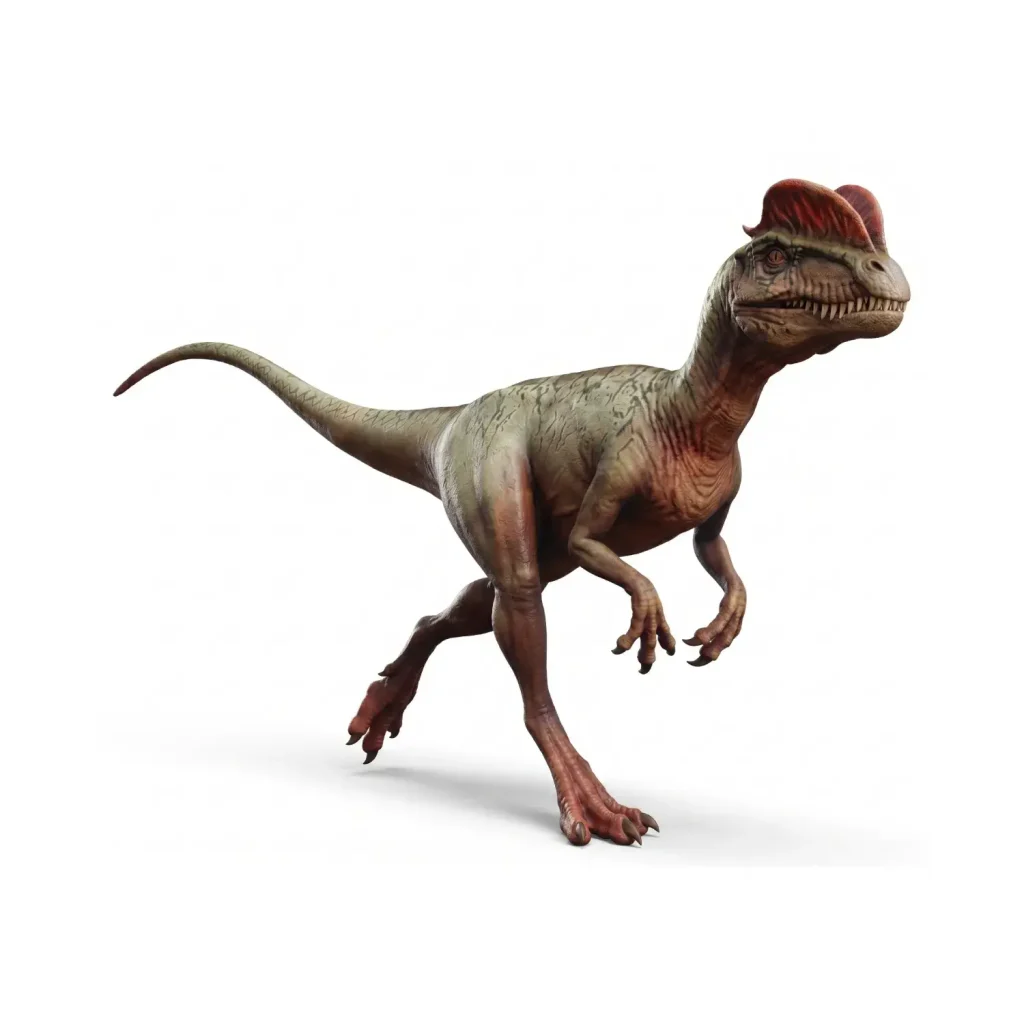
- Dracovenator
- Classification
- Theropods
- Characteristics
- Carnivorous
- Era
- Jurassic period
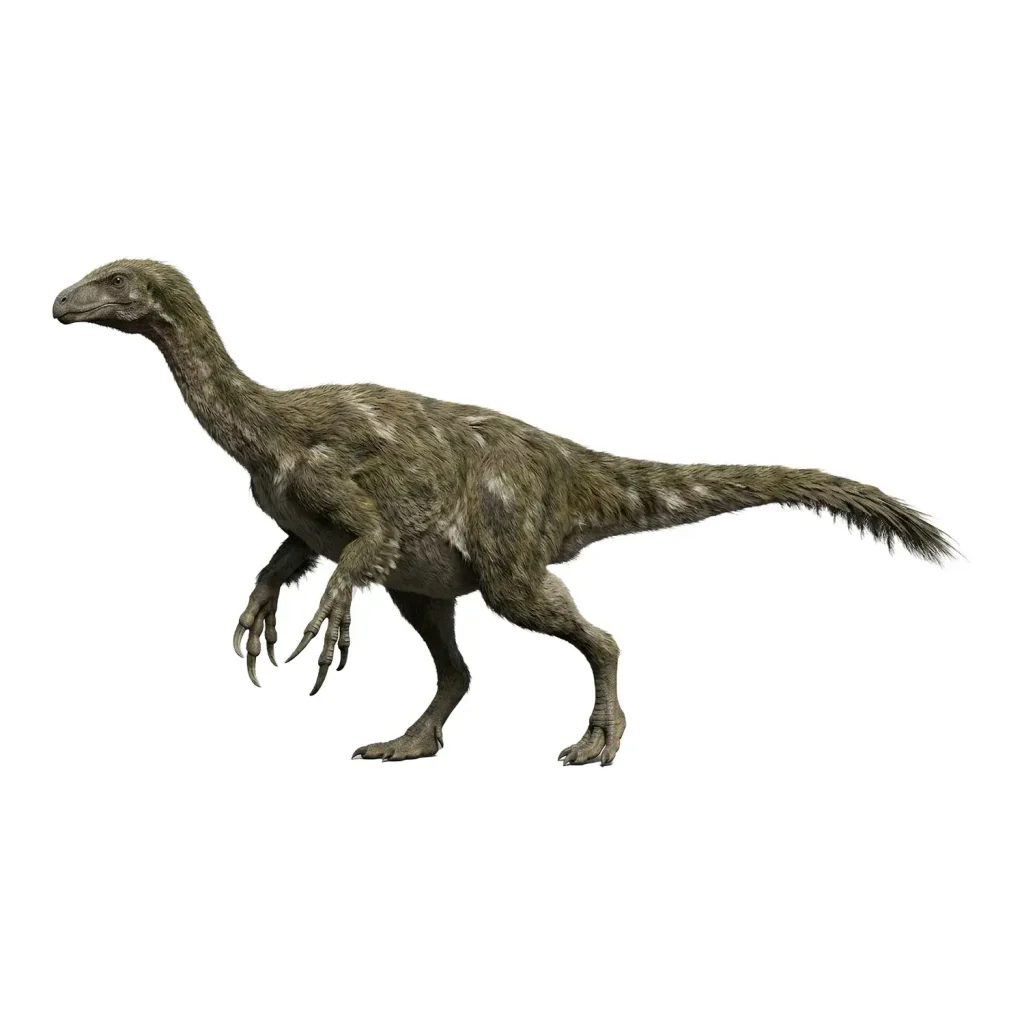
- Jianchangosaurus
- Classification
- Theropods
- Characteristics
- Herbivorous
- Feathered
- Era
- Cretaceous period
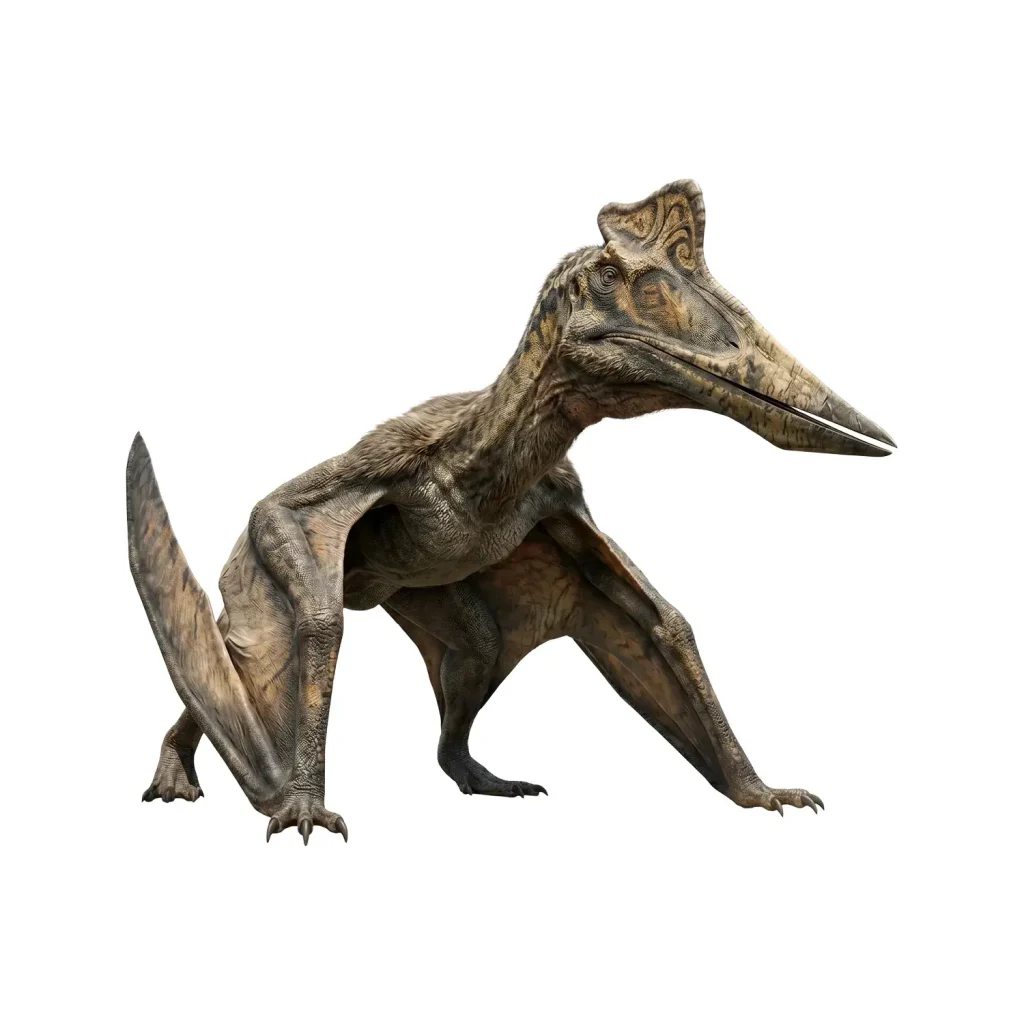
- Hatzegopteryx
- Classification
- Flying reptiles
- Era
- Cretaceous period
-
Sponsored Links
-
Sponsored Links









![[Latest Research] What Was the Function of Spinosaurus's Giant "Sail"? Exploring the Mysteries of Thermoregulation and Underwater Locomotion](https://dinosaurmuseum.jp/wp/wp-content/uploads/eyecatch_spinosaurus-sail-function_en-1024x512.webp)
![[Latest Discovery] A Third Type of Skin, Neither Scales Nor Feathers? Meet "Haolong dongi," a New Dinosaur Species Covered Entirely in Spikes](https://dinosaurmuseum.jp/wp/wp-content/uploads/eyecatch_dinosaur-spiky-skin-discovery_en-1024x512.webp)



Description
In the evolutionary history of dinosaurs, how did the dramatic “dietary shift”—that is, the change from carnivory to herbivory—occur?
A dinosaur that serves as definitive evidence of this lived in North America (Utah) during the Early Cretaceous period.
Its name is “Falcarius.”
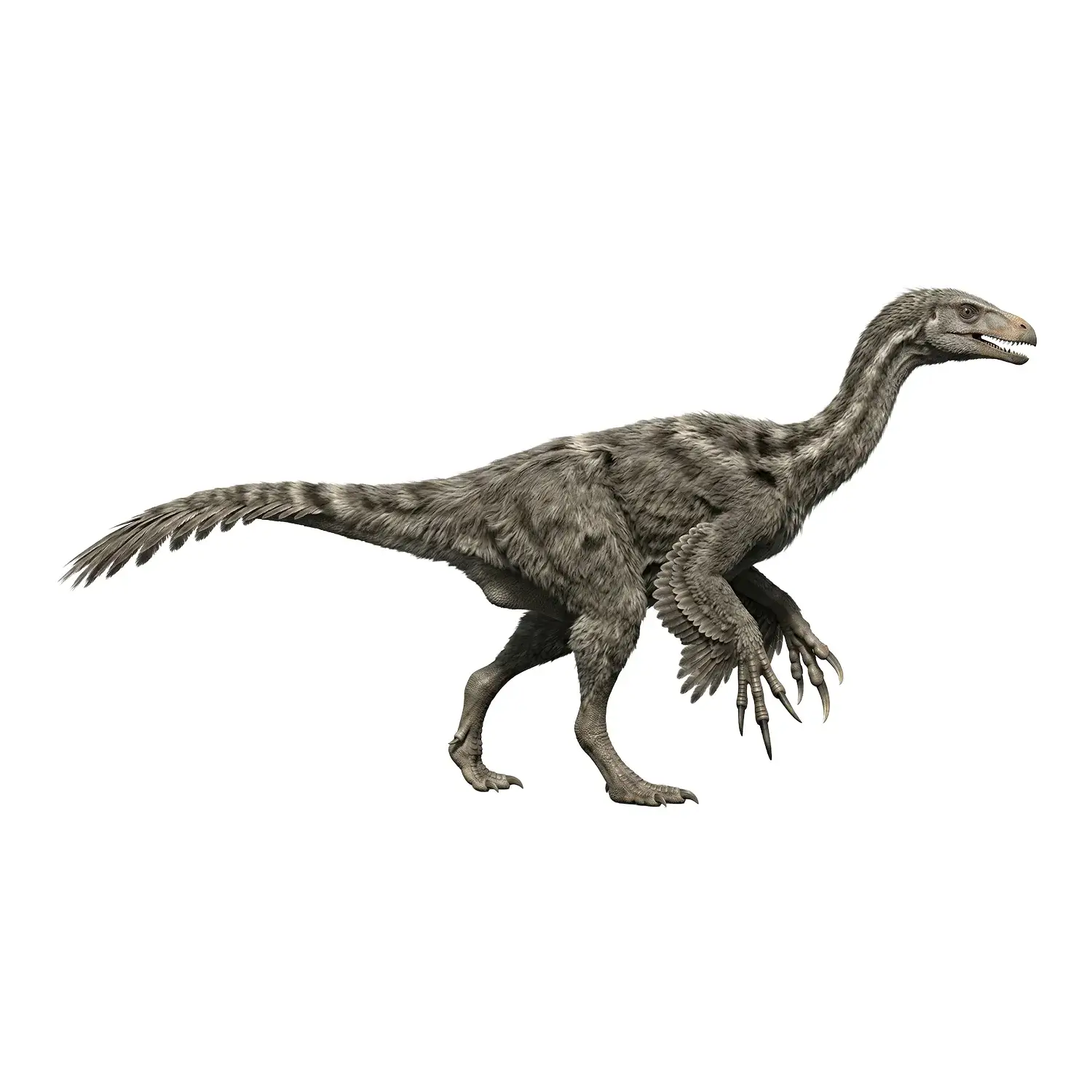
As a primitive relative of the “Therizinosaurs” famous for their long claws, they retained the vestiges of ferocious carnivorous dinosaurs while being just at the beginning of evolving bodies suited for eating plants.
Eating Plants with a Carnivore’s Body? Characteristics Indicating an “Evolutionary Transition”
The greatest characteristic of Falcarius is that “features of carnivorous dinosaurs” and “features of herbivorous dinosaurs” are mixed in a mosaic pattern.
How did theropods, which are originally carnivorous, transition to herbivory (or omnivory)?
Crucial evidence showing this process remains in its skeleton.
Adaptation to Herbivory: Wide Hips and Specialized Teeth
Wide Pelvis
The width of the pelvis is wider than that of typical carnivorous dinosaurs.
It is believed this was necessary to accommodate the “long intestines” required to decompose hard-to-digest plants.
Leaf-shaped Teeth
The mouth was lined with “small, leaf-shaped teeth” similar to those of modern iguanas, which were suited for crushing plants rather than slicing meat.
Remaining Traces of Carnivorous Dinosaurs
On the other hand, the basic body structure strongly retains remnants of its carnivorous era.
Primitive Skeleton
Unlike more evolved species, the angle of the pubis does not point backward, and the tip of the lower jaw is not curved.
Foot Structure
It had typical theropod feet where the big toe was small, and the weight was supported mainly by three toes.
Others
Features such as hand claws approximately 12 cm long and a body covered in feathers were also inherited from its ancestors.
Primitive Therizinosaurs: Differences from Later Giants
Compared to Nothronychus (North America) and Therizinosaurus (Asia) that appeared in later eras, Falcarius still had a primitive appearance.
Its total length was about 4 meters.
It is characterized by a small head and a long neck and forelimbs.
The “oversized claws” and “extremely wide hips” seen in evolved species were not yet prominent; it was in the midst of a model change from a slender carnivorous dinosaur physique to a herbivorous specification.
Tooth Shape and Comparison with Other Species
The front teeth were “spatulate” (spoon-shaped), resembling the teeth of Japan’s Fukuivenator.
On the other hand, they are considered a different species from the Therizinosaur teeth found in Hyogo Prefecture (Sasayama Group) due to differences in the coarseness of the serrations.
Hundreds Found in Utah! What the Bonebed Tells Us About the Future
Behind the advanced research on Falcarius lies an astonishing discovery context.
Hundreds of fossils have been found concentrated in the strata of Utah, USA.
Mystery of the Mass Death
It is a so-called “bonebed,” and it is uncertain whether they lived in herds or died all at once in a disaster.
However, there is a possibility that it includes individuals of various growth stages, from juveniles to adults.
This wealth of data continues to be an extremely important key to unlocking the great mystery of how dinosaurs changed their diets.