
Maiasaura


Name Origin
Good Mother Lizard
Family
Hadrosauridae
Classification
Diapsida, Ornithischia, Ornithopoda
Habitat (Discovery Location)
United States
Period
Approximately 80–74 million years ago (Late Cretaceous)
Length
Approximately 9 meters
Weight
Approximately 3 tons
Diet
Herbivore
You might also like... 

-
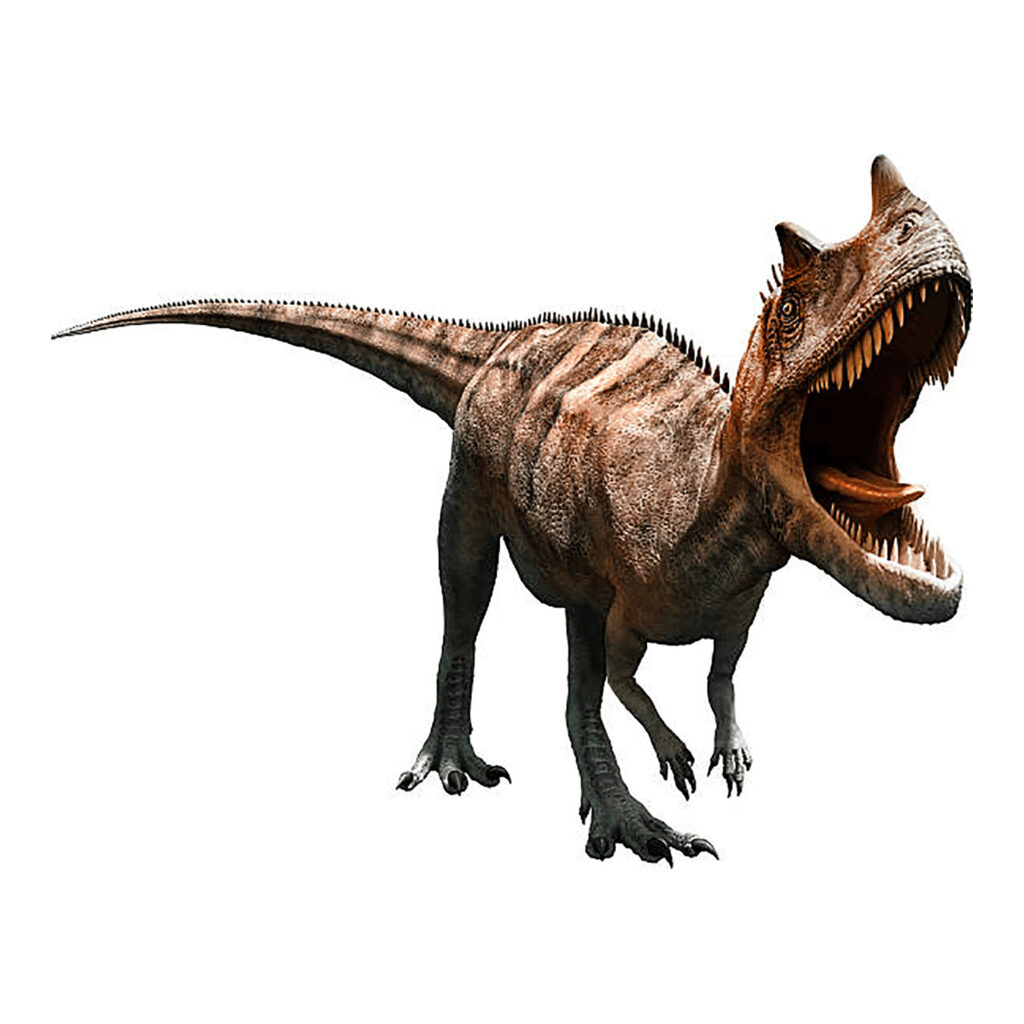
 Ceratosaurus
- Classification
- Theropods
- Characteristics
- Carnivorous
- Era
- Jurassic period
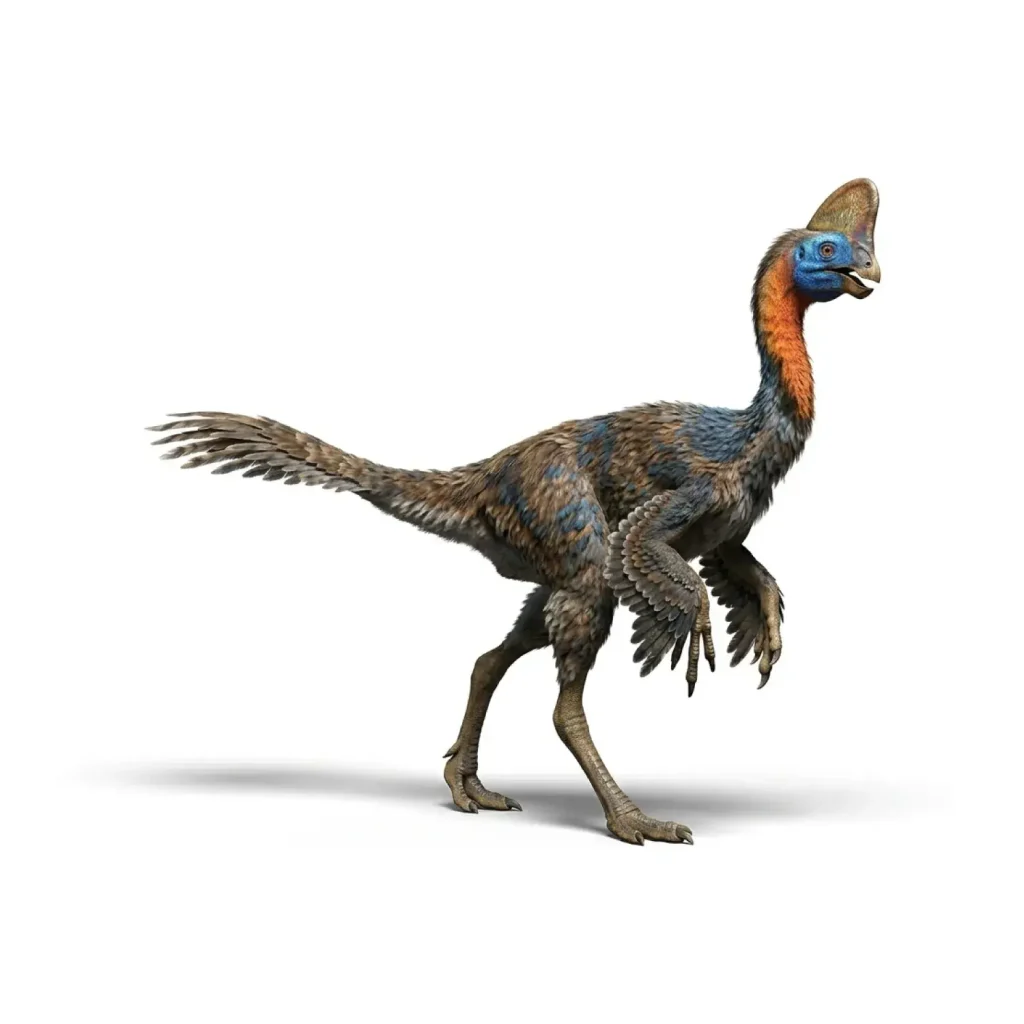
- Corythoraptor
- Classification
- Theropods
- Characteristics
- Herbivorous
- Omnivorous
- Era
- Cretaceous period
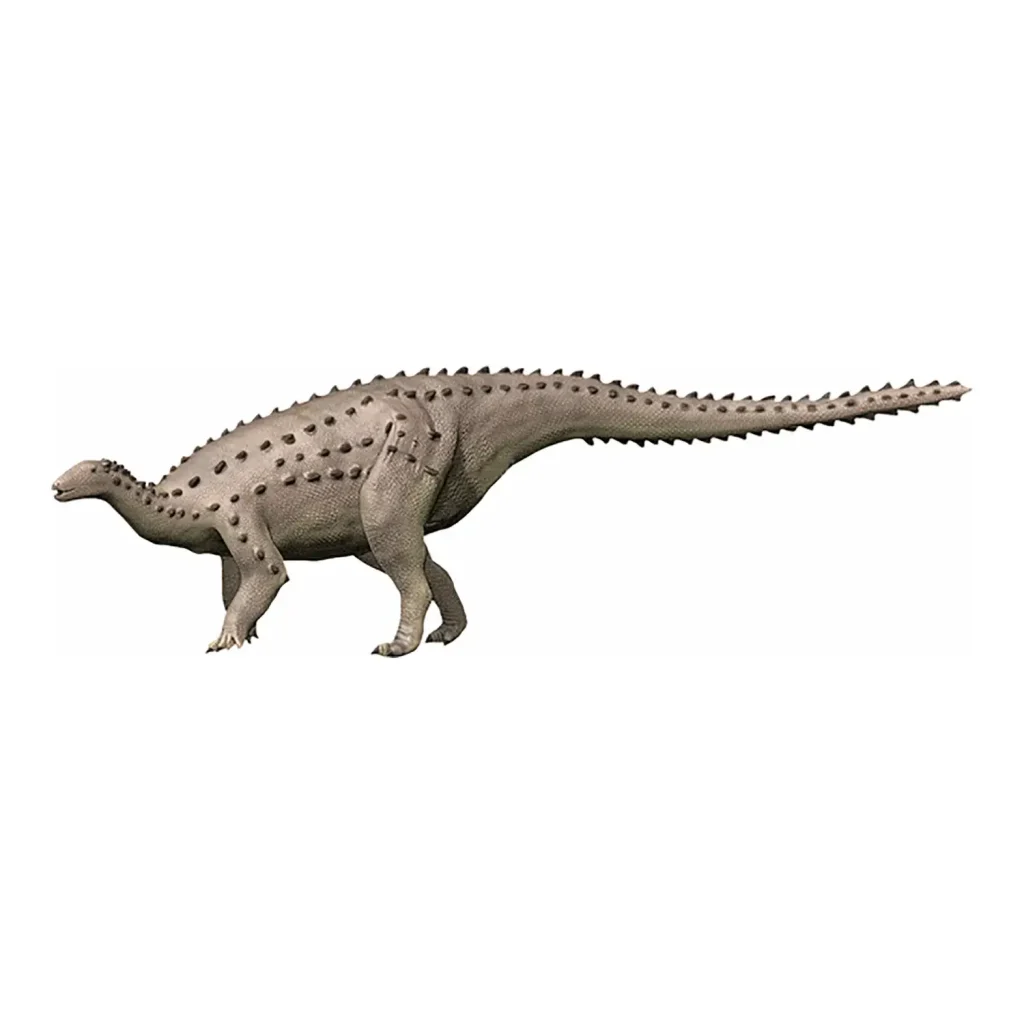
- Scelidosaurus
- Classification
- Thyreophora
- Characteristics
- Herbivorous
- Era
- Jurassic period
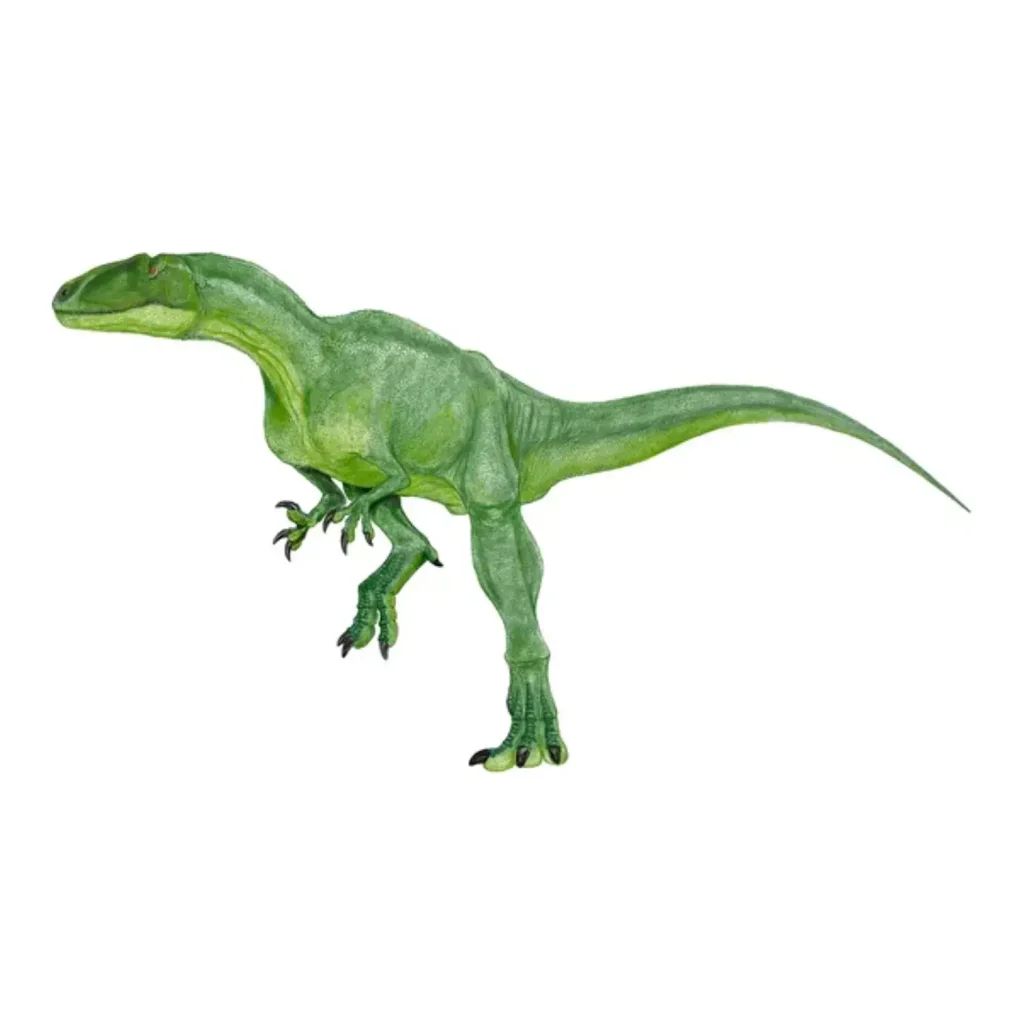
- Fukuiraptor
- Classification
- Theropods
- Characteristics
- Carnivorous
- Era
- Cretaceous period
-
Sponsored Links
-
Sponsored Links









![[Latest Research] What Was the Function of Spinosaurus's Giant "Sail"? Exploring the Mysteries of Thermoregulation and Underwater Locomotion](https://dinosaurmuseum.jp/wp/wp-content/uploads/eyecatch_spinosaurus-sail-function_en-1024x512.webp)
![[Latest Discovery] A Third Type of Skin, Neither Scales Nor Feathers? Meet "Haolong dongi," a New Dinosaur Species Covered Entirely in Spikes](https://dinosaurmuseum.jp/wp/wp-content/uploads/eyecatch_dinosaur-spiky-skin-discovery_en-1024x512.webp)

Description
John R. Horner is the paleontologist who served as the model for the doctor in the movie “Jurassic Park.”
In 1979, he made a discovery that shocked the world.
It was definitive proof that “dinosaurs raised their young.”
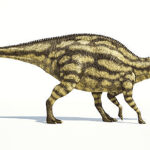
The dinosaur at the center of this discovery is “Maiasaura,” which lived in North America during the Late Cretaceous.
Its scientific name means “Good Mother Lizard,” and while it is known as a symbol of parental love, recent research has sparked new debates regarding the reality of its child-rearing practices.
The Birth of the “Merciful Mother”: The 1979 Miracle in Montana
The story begins in the Two Medicine Formation (approx. 76.7 million years ago) in Montana, USA.
Dr. Horner and his team discovered a crater-like depression about 2 meters in diameter along with fossils of a new species of duck-billed dinosaur.
Children Left in the Nest
It was undoubtedly a dinosaur “nest.” Inside were eggshells and baby bones, and fossils of juveniles at different growth stages were found nearby.
This overturned the conventional wisdom of “lay and leave (laissez-faire)” behavior, proving that “parents stayed at the nest and looked after their children.”
In honor of this discovery, the dinosaur was named “Good Mother Lizard” (Maiasaura) in Greek.
Group Life on “Egg Mountain” and Herds of 10,000
The discovery site was later named “Egg Mountain,” revealing that these dinosaurs possessed a high level of sociality.
Massive Breeding Colonies
Countless nests were arranged in an orderly fashion, spaced about 7 meters apart (the length of an adult parent).
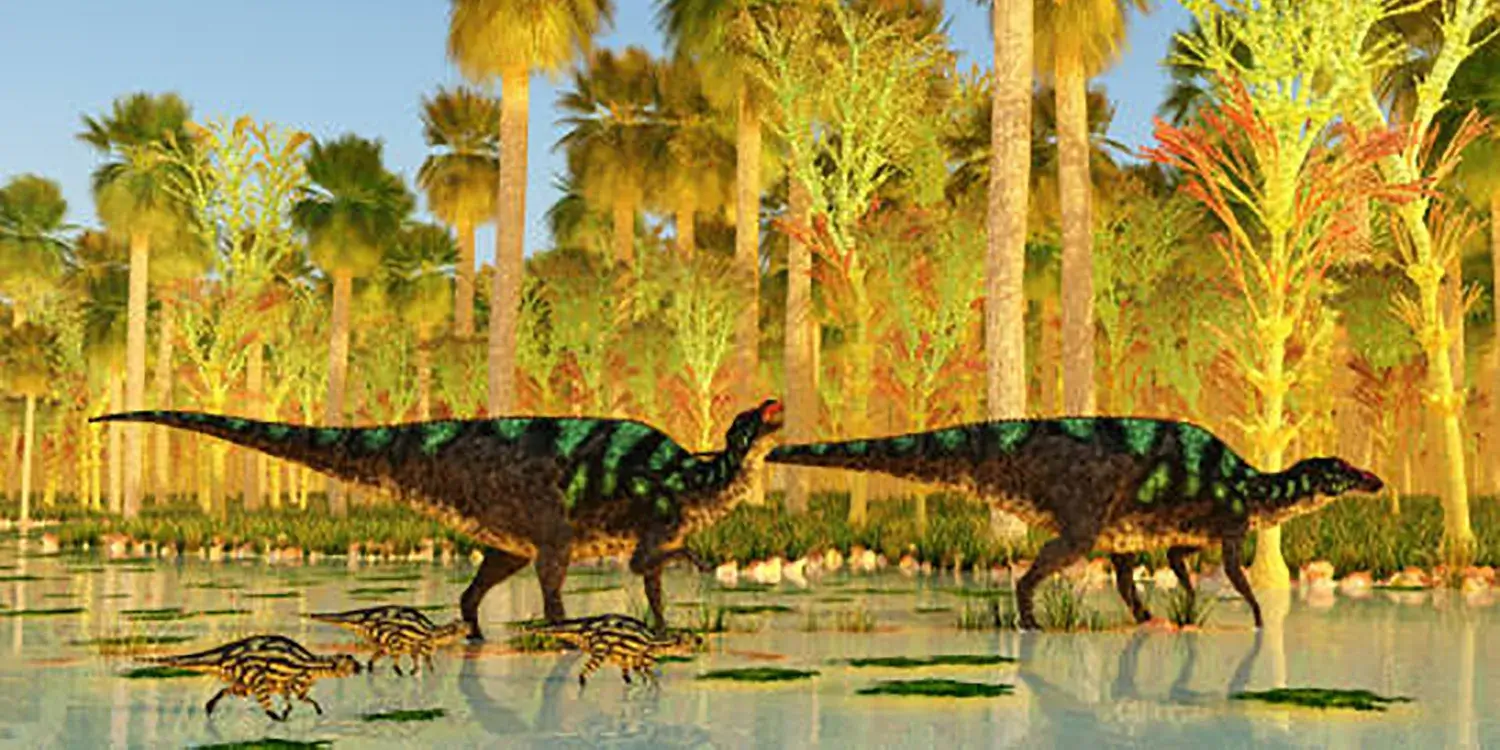
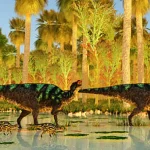
They returned to the same place every year, forming huge “nesting colonies” like penguins to breed cooperatively.
A Bonebed of 10,000 Individuals
Additionally, a “bonebed” containing an estimated 10,000 individuals that died at once was found nearby.
Believed to be traces of a herd wiped out by a disaster, this tells us that they migrated and lived in massive herds numbering in the tens of thousands, much like modern wildebeest.
They migrated and lived in massive herds
Did They Not Feed Their Young? Scientific Objections to the Parenting Theory
While “child-rearing (specifically feeding)” is the origin of the “Good Mother” name, recent years have seen a more cautious view regarding the evidence.
Basis for the Feeding Theory: Worn Teeth
Initially, because the teeth of babies in the nest—too young to walk—showed “signs of wear (abrasion),” it was speculated that “parents brought food and fed them.”
Counterarguments from Recent Research
However, recent research has raised the following questions:
Pre-hatching Abrasion
Tooth wear has been found even in embryos inside eggs, so this is not evidence of feeding (it implies possibilities like teeth grinding).
Trampled Shells
The fact that parents did not remove shells from the nest is considered unnatural for bird-like parenting.
Carcass Theory
There is a possibility that the discovered juveniles were “carcasses” that died for some reason and were eaten by scavenging insects.
While it is unclear if they fed them by mouth, circumstantial evidence makes it almost certain that they protected the nest collectively and guarded the children as a herd up to a certain point.
Astonishing Growth Speed and Characteristics of Duck-billed Dinosaurs
Fossils from all growth stages, from eggs to adults, have been found at Egg Mountain.
Explosive Growth
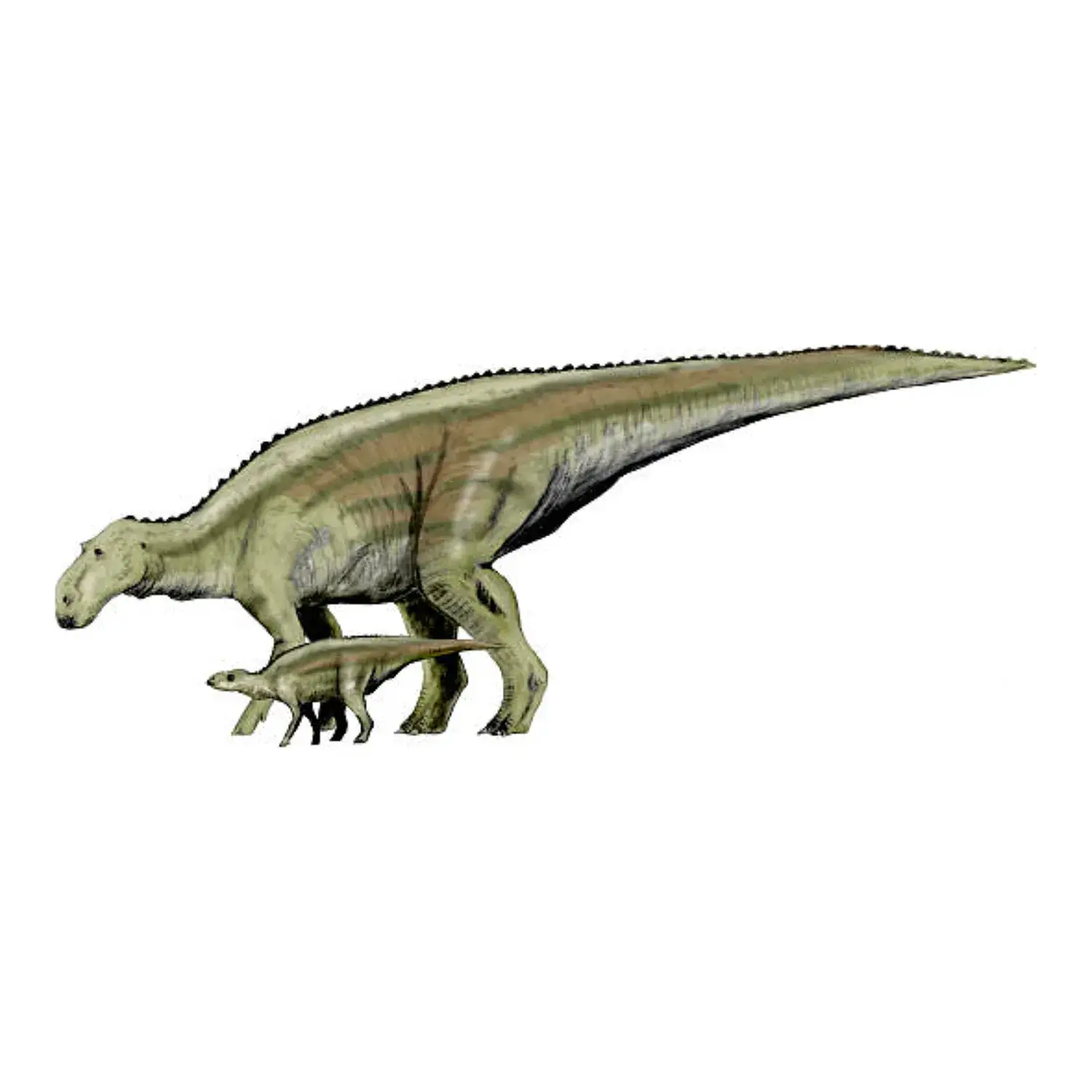
Although less than 50 cm at hatching, they exceeded 3 meters in one year and reached adult size (9 meters, 3 tons) in 7 to 8 years.
This growth rate is far faster than modern reptiles, serving as evidence that dinosaurs possessed high metabolisms like warm-blooded animals.
Plant-Eating Specialists
They possessed hundreds of teeth known as a “dental battery,” which allowed them to grind down and eat tough vegetation.