
Hypacrosaurus
Name Origin
Nearly the highest lizard
Family
Hadrosauridae
Classification
Diapsida, Ornithischia, Ornithopoda
Habitat (Discovery Location)
United States, Canada
Period
Approximately 70 million years ago (Late Cretaceous)
Length
Approximately 9 meters
Weight
Approximately 4 tons
Diet
Herbivore (Plant-eater)
You might also like... 

-
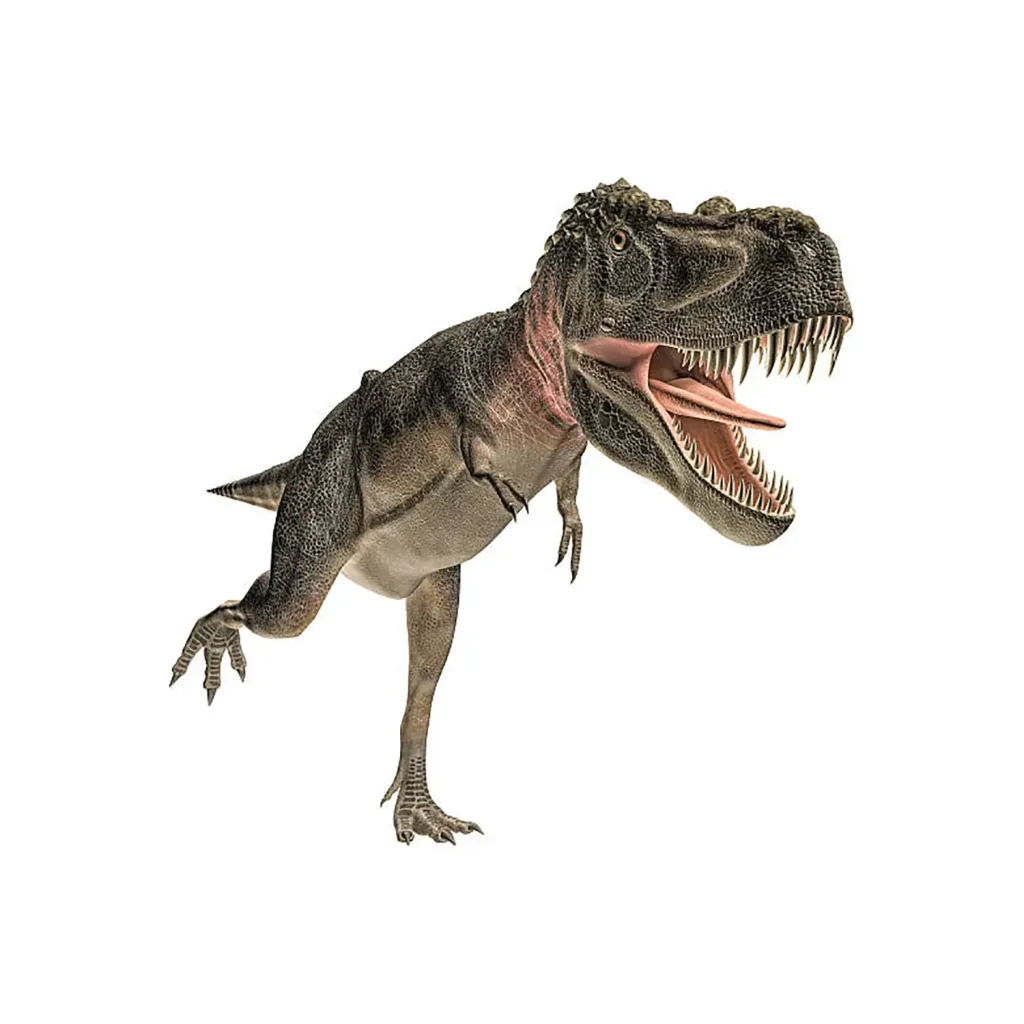
 Tarbosaurus
- Classification
- Theropods
- Characteristics
- Carnivorous
- Era
- Cretaceous period
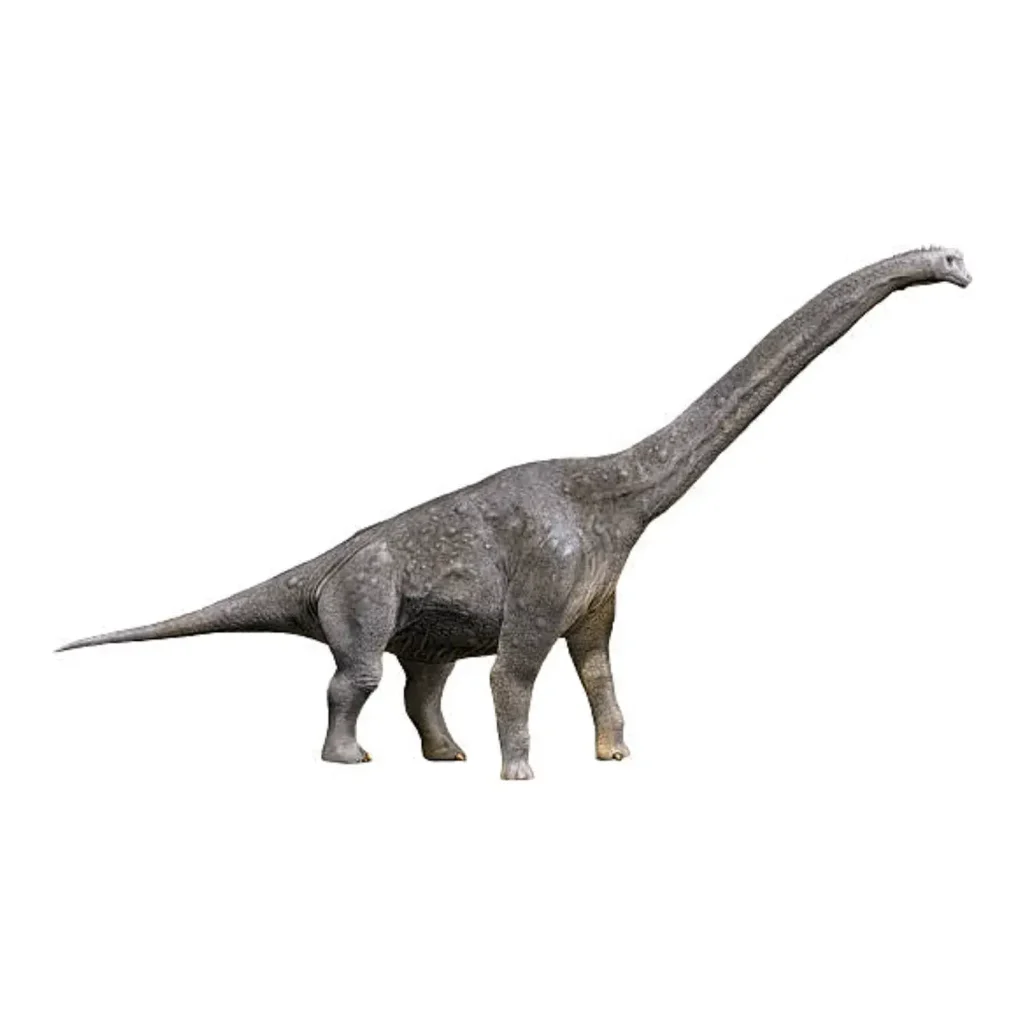
- Giraffatitan
- Classification
- Sauropods
- Characteristics
- Herbivorous
- Era
- Jurassic period
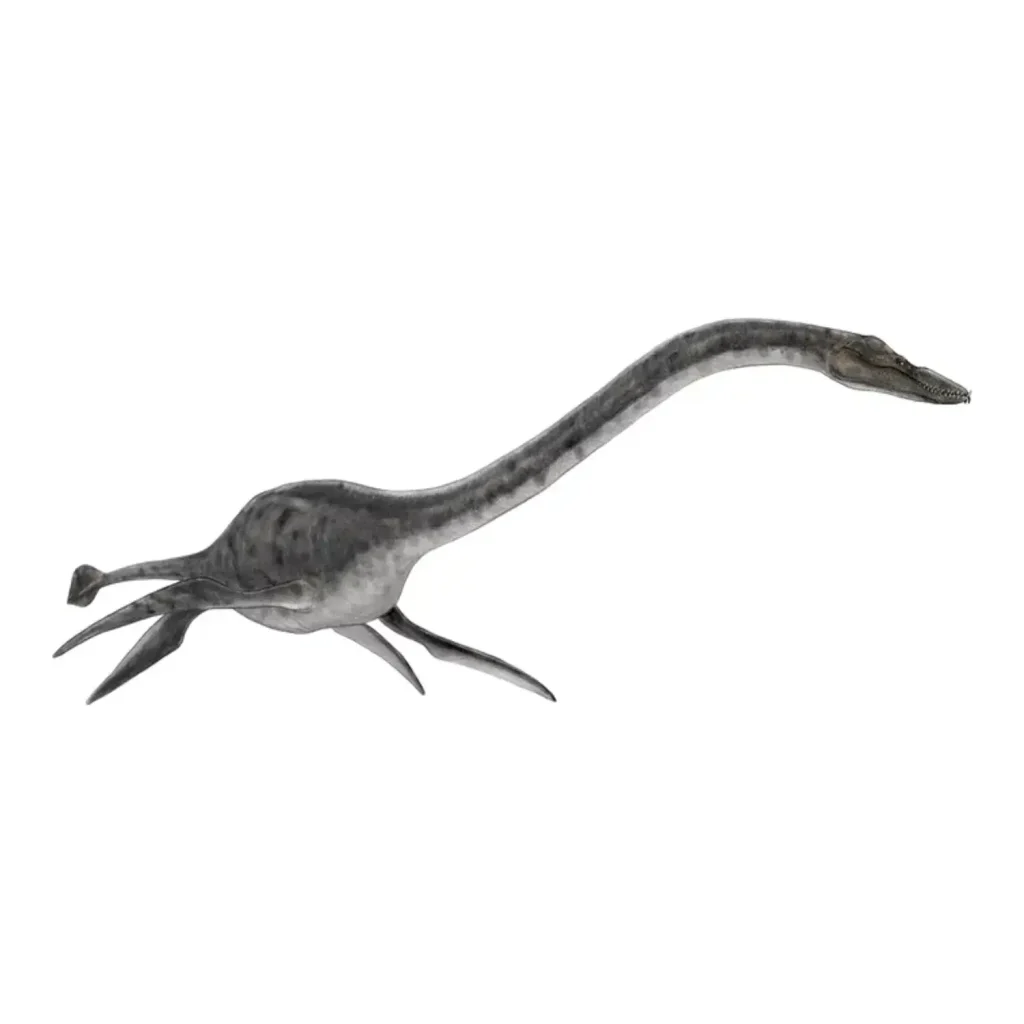
- Futabasaurus
- Classification
- Marine reptiles
- Characteristics
- Carnivorous
- Era
- Cretaceous period
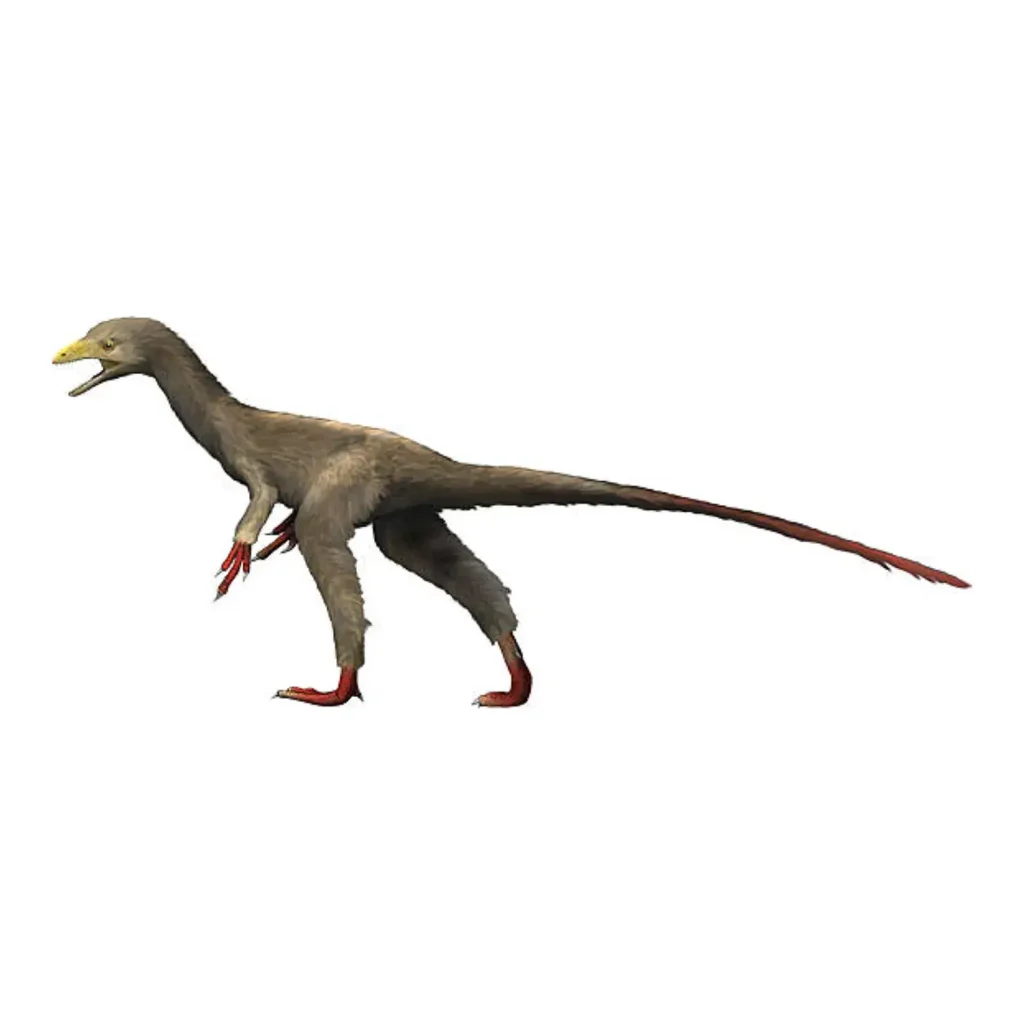
- Sinocalliopteryx
- Classification
- Theropods
- Characteristics
- Carnivorous
- Feathered
- Era
- Cretaceous period
-
Sponsored Links
-
Sponsored Links









![[Latest Research] What Was the Function of Spinosaurus's Giant "Sail"? Exploring the Mysteries of Thermoregulation and Underwater Locomotion](https://dinosaurmuseum.jp/wp/wp-content/uploads/eyecatch_spinosaurus-sail-function_en-1024x512.webp)
![[Latest Discovery] A Third Type of Skin, Neither Scales Nor Feathers? Meet "Haolong dongi," a New Dinosaur Species Covered Entirely in Spikes](https://dinosaurmuseum.jp/wp/wp-content/uploads/eyecatch_dinosaur-spiky-skin-discovery_en-1024x512.webp)



Description
About 70 million years ago, on the North American continent during the Late Cretaceous period.
In an era where mighty carnivorous dinosaurs of the Tyrannosauridae family fought for supremacy, “unarmed” herbivorous dinosaurs possessing neither weapons nor armor were thriving immensely.
These were the ornithopods of the Hadrosauridae family.
Among them, Hypacrosaurus possessed an astonishing survival strategy to counter the threat of carnivorous dinosaurs.
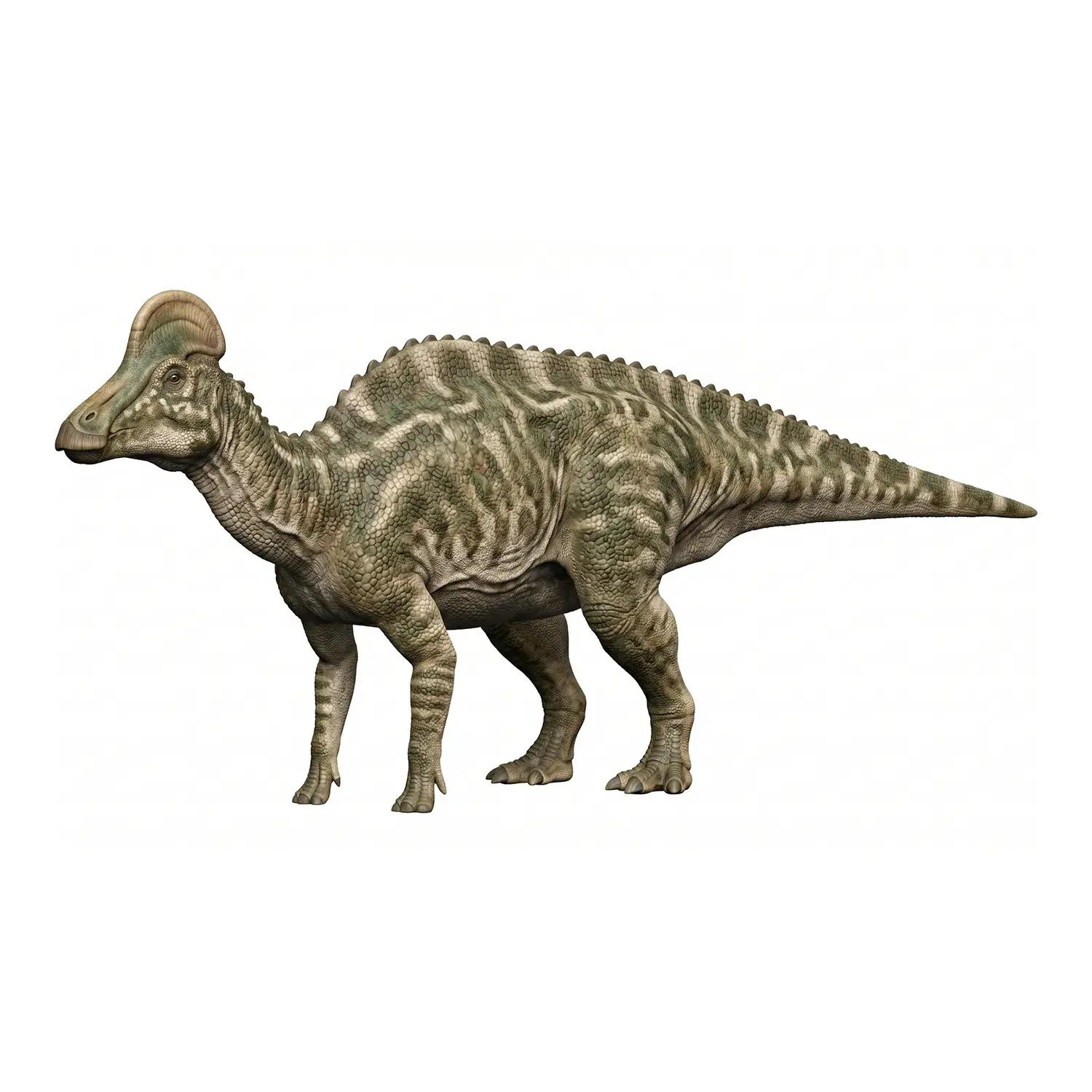
Height Rivaling Tyrannosaurus and a “Half-Moon-Shaped Crest”
Hypacrosaurus fossils were first discovered in Canada around 1910 and named in 1913.
When standing on its two hind legs, its height reached about 4 meters (13.1 feet), making it almost as tall as the king, Tyrannosaurus. This is the origin of its name, which means “nearly the highest lizard.”
Their most prominent feature was a large, half-moon-shaped crest, very similar to that of Corythosaurus.
This crest played the following roles:
A Musical Instrument for Producing Sound
The inside of the crest had a complex tubular structure and was “part of the nasal cavity.”
By pushing air through to create resonance, they could produce unique calls specific to their species.
Visual Display
It was used as an important communication tool with distant herd members and for individual identification.
It is also known that this magnificent crest was undeveloped during their juvenile stage and would grow and swell significantly as they matured.
Its Greatest Weapon: “Super-Speed Growth”
North America at the time was a dangerous world prowled by powerful carnivorous dinosaurs like Albertosaurus. In fact, a leg bone of a Hypacrosaurus has been found with a tyrannosaurid tooth embedded in it.
Without weapons or armor, their greatest means of defense for survival was their “overwhelming growth speed,” a fact revealed by the growth rings (lines of arrested growth) in their fossils.
A Growth Rate About Five Times Faster Than Tyrannosaurus
At hatching, their babies were roughly the same size as baby tyrannosaurs. However, by the time they reached five years old, while a Tyrannosaurus would only be the size of a “large dog,” Hypacrosaurus had rapidly grown to the size of a “cow.”
Defense Through Rapid Massive Growth
In just 10 to 12 years, they reached their adult size of over 9 meters (29.5 feet) in length.
By rapidly growing massive and transforming into creatures that were “too formidable to attack,” they protected themselves from predators.
“Loving Parents” Who Raised Babies in Their Nests
Hypacrosaurus is a very rare dinosaur whose fossils have been found collectively across all growth stages, from eggs to adults.
They nested in groups and raised their young with deep affection.
Evidence of Feeding Young in the Nest
They hatched in about 90 days from eggs (about 20 cm or 7.9 inches in diameter), with the hatchlings measuring about 1.7 meters (5.6 feet) in length.
Fossils of “babies with already worn teeth” have been found in fossilized nests, providing solid evidence that they remained in the nest for a while after hatching, with parents bringing them plant food.
Early Reproduction
It is speculated that these intensely fast-growing dinosaurs began reproducing at the young age of just 2 to 3 years old.
Their strategy of “rapidly growing massive, leaving many offspring at a young age, and cooperating as a group to raise them” was the greatest reason for their prosperity.
Overturning Common Sense? The Potential Discovery of “Ancient DNA”
In recent years, astonishing news has arrived that challenges the common sense of modern science.
In 2020, it was revealed that 75-million-year-old cartilage tissue was preserved in a fossilized baby Hypacrosaurus skull discovered in Montana.
Furthermore, structures resembling cell nuclei and chromosomes were identified, and special tests showed chemical reactions believed to be from “fragments of DNA.”
This claim, which overturns the absolute common sense that DNA from tens of millions of years ago could not possibly survive, is still at a stage requiring rigorous verification by scientists worldwide.
However, if true, it would be a historic discovery proving that molecular-level information of ancient organisms can be preserved in fossils.