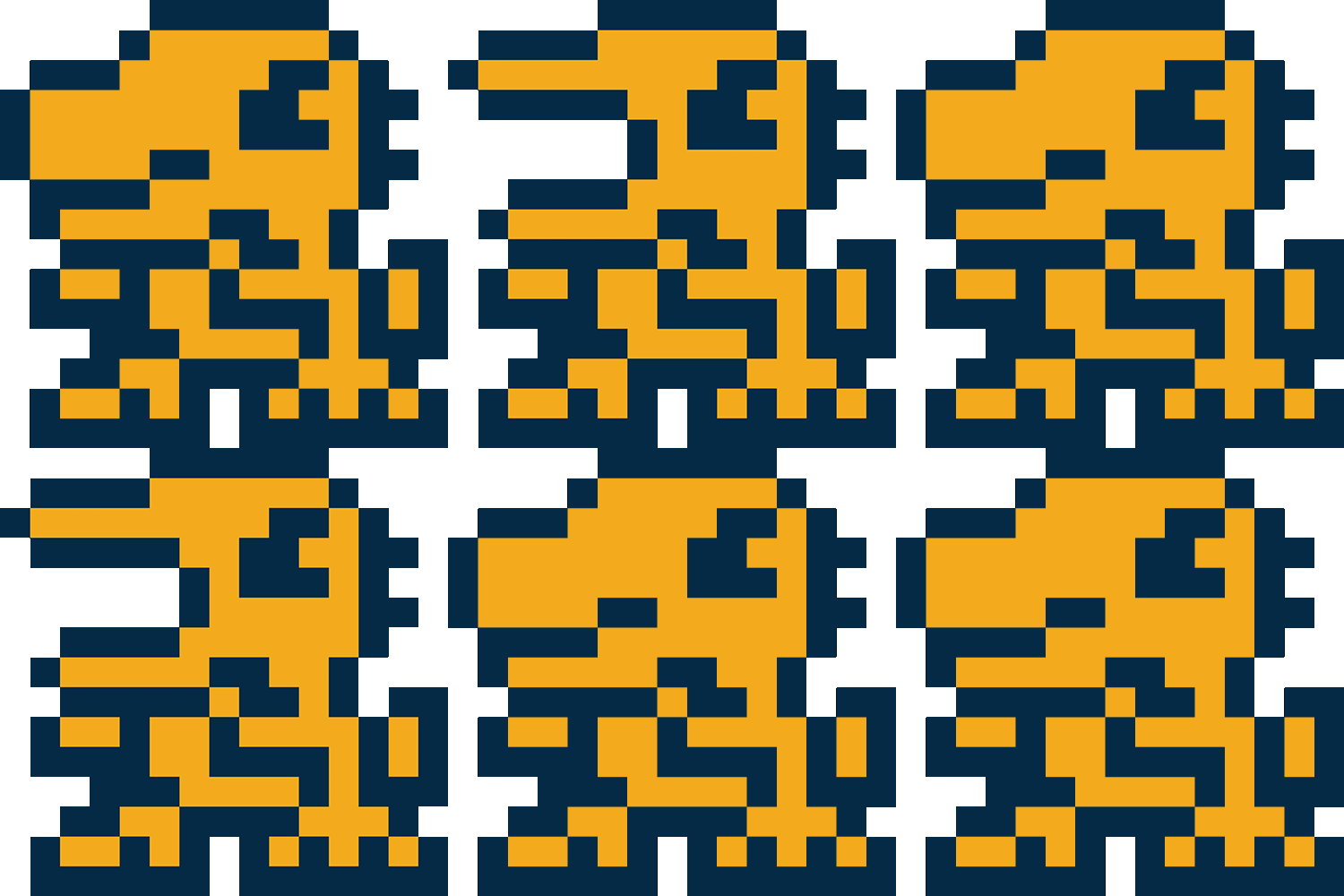
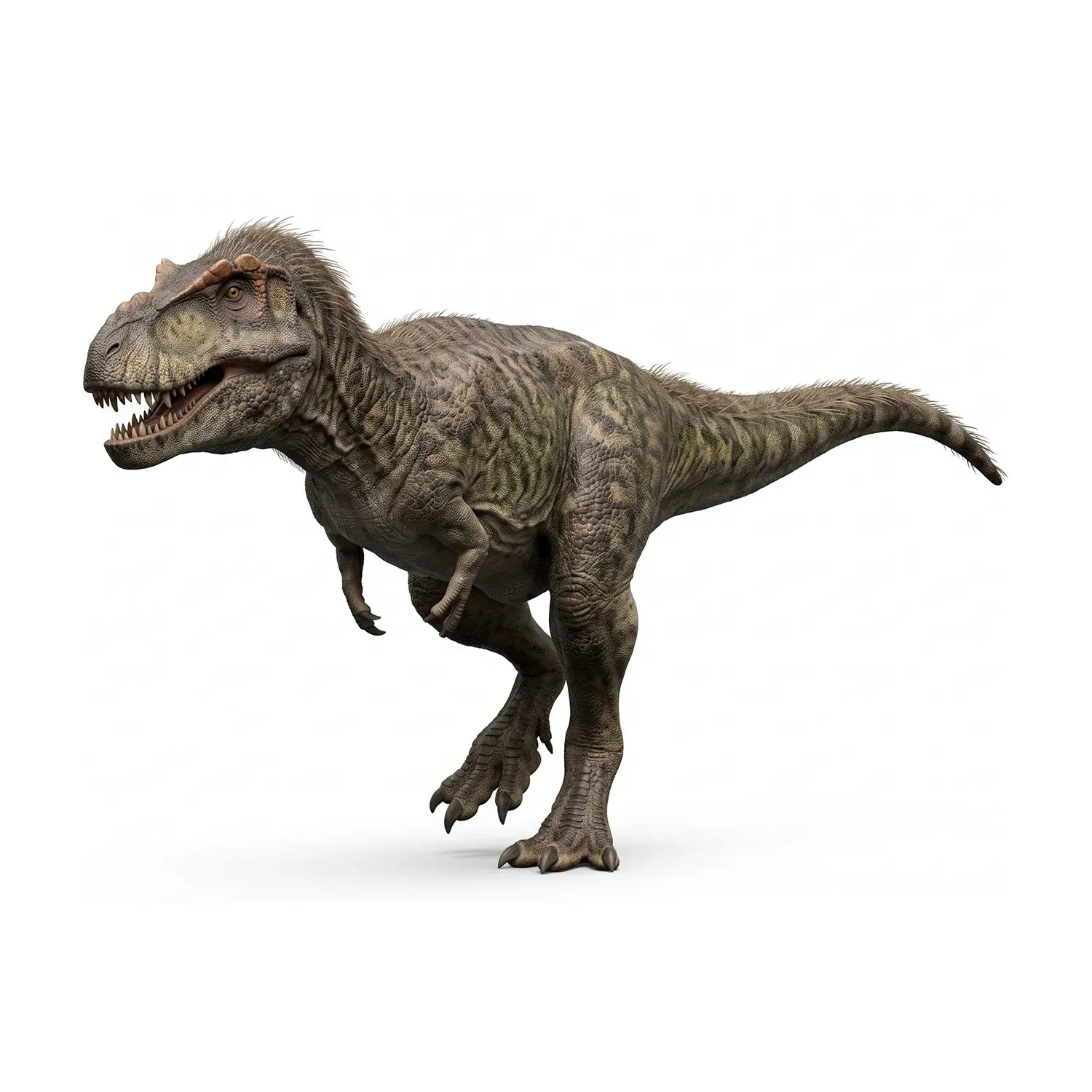
Gorgosaurus
Name Origin
Frightful lizard
Family
Tyrannosauridae
Classification
Diapsida, Saurischia, Theropoda
Habitat (Discovery Location)
United States, Canada
Period
Approximately 76.6 to 75.1 million years ago (Late Cretaceous)
Length
Approximately 8 to 8.6 meters
Weight
Approximately 2.5 metric tons
Diet
Carnivore (Meat-eater)
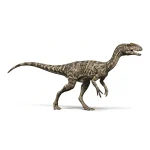
You might also like... 

-
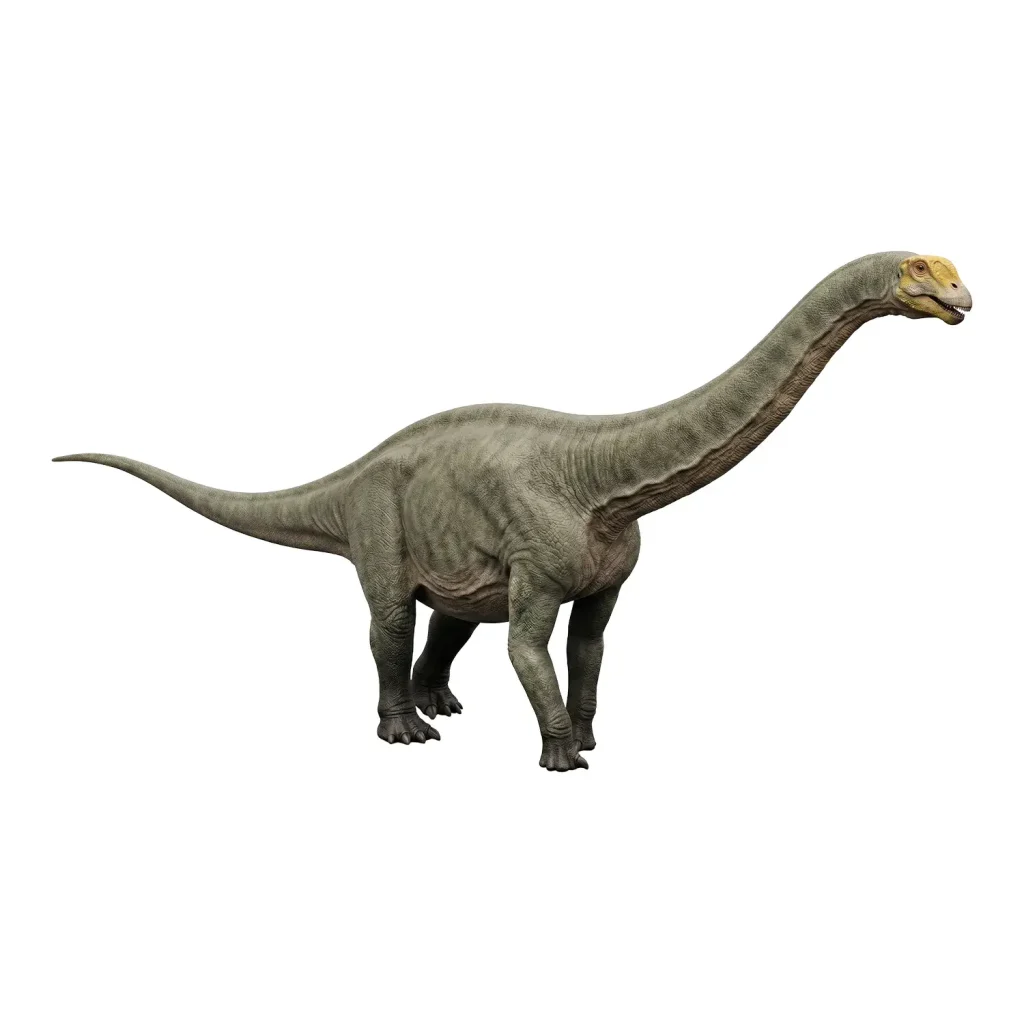
 Euhelopus
- Classification
- Sauropods
- Characteristics
- Herbivorous
- Era
- Cretaceous period
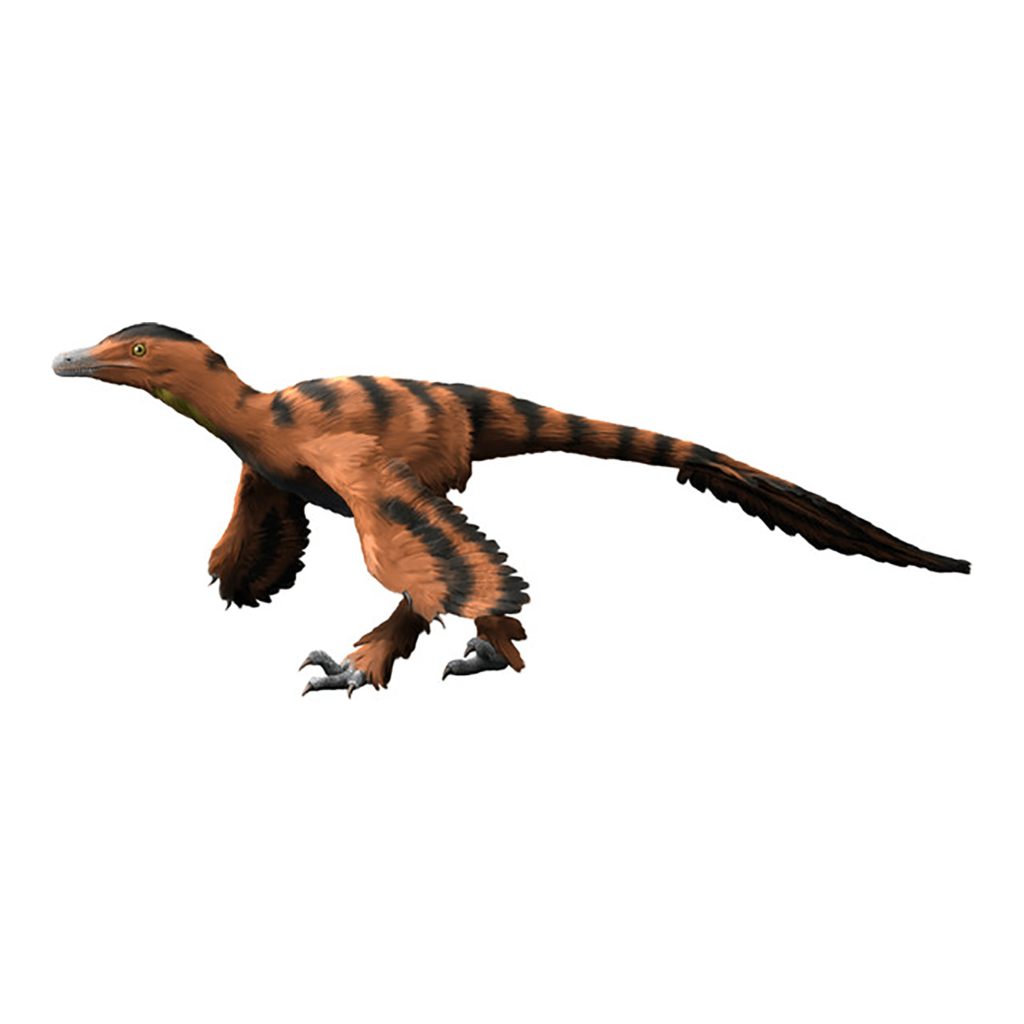
- Sinornithosaurus
- Classification
- Theropods
- Characteristics
- Carnivorous
- Feathered
- Era
- Cretaceous period
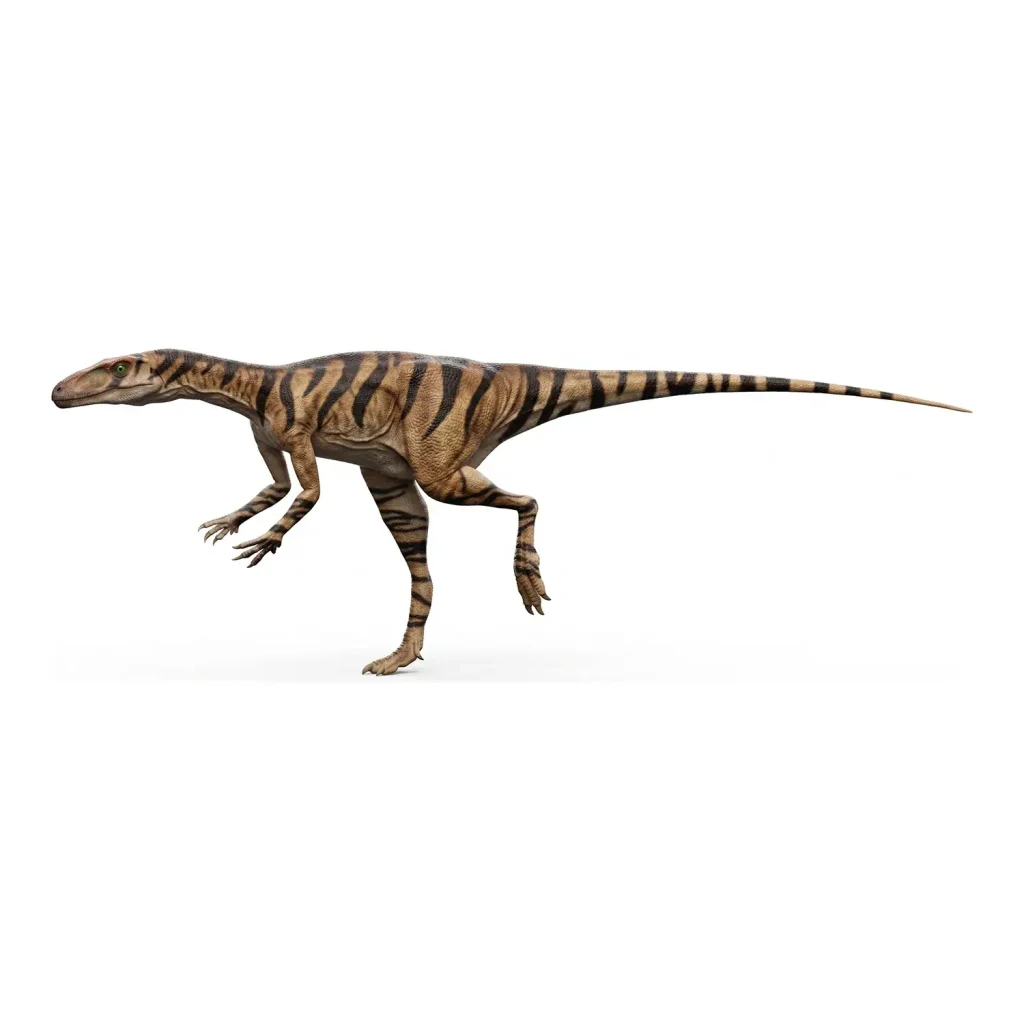
- Alwalkeria
- Classification
- Theropods
- Characteristics
- Carnivorous
- Herbivorous
- Omnivorous
- Era
- Triassic period
- Dracorex
- Classification
- Marginocephalia
- Characteristics
- Herbivorous
- Era
- Cretaceous period
-
Sponsored Links
-
Sponsored Links



![[Latest Research] What Was the Function of Spinosaurus's Giant "Sail"? Exploring the Mysteries of Thermoregulation and Underwater Locomotion](https://dinosaurmuseum.jp/wp/wp-content/uploads/eyecatch_spinosaurus-sail-function_en-1024x512.webp)
![[Latest Discovery] A Third Type of Skin, Neither Scales Nor Feathers? Meet "Haolong dongi," a New Dinosaur Species Covered Entirely in Spikes](https://dinosaurmuseum.jp/wp/wp-content/uploads/eyecatch_dinosaur-spiky-skin-discovery_en-1024x512.webp)

Description
Gorgosaurus was a carnivorous dinosaur that lived on the North American continent (around present-day Alberta, Canada, and Montana, USA) during the Campanian stage of the Late Cretaceous period, approximately 76.6 to 75.1 million years ago.
As a theropod belonging to the tyrannosaurid family, it was a dinosaur whose actions truly lived up to its name, which means “dreadful lizard.”
A History of Overcoming Confusion with Albertosaurus
The name Gorgosaurus is derived from the Greek word “gorgon,” meaning “dreadful” or “terrible.”
It was named by Canadian paleontologist Lawrence Lambe in 1914, but there was a period in its subsequent research history when it nearly lost its name.
The Synonym Problem of the 1970s
Because it was excavated from relatively close geological formations and had a very similar body type, it was thought to belong to the same genus as Albertosaurus. Consequently, it was treated as “Albertosaurus libratus” or as a subadult of that species.
Resurrected as an Independent Species in 1981
As a result of a careful re-examination of the fossils, several differences compared to Albertosaurus were successively discovered, such as “having fewer teeth,” “a broader snout,” and “eyes that faced more sideways.” Thus, its original scientific name was resurrected as an independent species once again.
*Note: Fossils once believed to be Gorgosaurus living in Alaska were reclassified as a new, independent species called Nanuqsaurus in 2014.
The Number One “Overwhelming Speed” in the Tyrannosaurid Family
Although it closely resembled Tyrannosaurus in appearance, its skeleton was slender and lightweight, giving it a very gracile build.
Long Hind Limbs Specialized for Running
Its greatest feature was its long hind limbs that supported its bipedal stance.
In smaller specimens, the tibia (shinbone) was longer than the femur (thighbone), and even in larger specimens, both bones were roughly equal in length (with the largest femur measuring 105 cm [41 inches]).
Due to this structure, it is believed to have been an exceptionally fast runner among the tyrannosaurids.
A Wide Field of Vision but Poor Stereoscopic Vision
Because its eyes faced sideways, it had a wide field of vision; however, it seems it had very little ability to view prey stereoscopically (depth perception).
The Presence of Scales
It is believed that its tail was covered with small, circular or pentagonal scales.
An Excellent Hunter That Coexisted Through “Habitat Segregation” with Rivals
The person who named it, Lambe, initially thought it was a “scavenger” that fed on carcasses based on the wear patterns on its discovered teeth.
Today, however, it is considered to have been an excellent predator that utilized its slender build and swift speed to quickly hunt down and attack hadrosaurs (duck-billed dinosaurs) like Parasaurolophus.
At the time on the North American continent, another more robust and heavily built tyrannosaur, Daspletosaurus, also existed.
In contrast to the agile Gorgosaurus, Daspletosaurus is believed to have preyed primarily on slower-moving ceratopsians (horned dinosaurs). Through this brilliant habitat segregation (niche partitioning) by targeting different prey, they were likely able to successfully coexist in the same environment.
Growth Records Told by Fossils and the Drama of Suffering from a “Brain Tumor”
An exceptionally large number of Gorgosaurus fossils have been discovered. With findings such as skulls (the largest measuring 99 cm [39 inches]) and the very first perfectly preserved forelimbs of a tyrannosaurid, its academic contribution to paleontology is immeasurable.
Speed of Growth
Its growth process has been revealed from skeletons across different life stages, showing that it gained weight at a rate of 50 kg (110 lbs) per year during its growing phase.
While this figure is similar to that of Albertosaurus, it was a slower growth rate compared to Tyrannosaurus and Daspletosaurus.
“Ruth,” the Specimen that Suffered from a Brain Tumor
A shocking fact was revealed from a specimen excavated in Montana known as “Ruth.”
Not only did its bones show numerous signs of fractures and bacterial infections, but evidence of a “brain tumor”—the very first recorded in any dinosaur—was also confirmed.
Researchers theorize that the brain tumor caused Ruth to lose its sense of balance, leading to a harsh life filled with frequent injuries from repeated falls and collisions.
Summary
Despite its name meaning “dreadful lizard,” Gorgosaurus conveys to us today the realistic realities of life—using agility as a weapon, yet sometimes suffering from debilitating illness.
Its abundant fossil record remains an incredibly important guidepost for unraveling the ecosystems of the Cretaceous period and the evolutionary history of the tyrannosaurid family.