
Microceratus
Name Origin
One with Small Horns
Family
Protoceratopsidae
Classification
Diapsida, Ornithischia, Marginocephalia
Habitat (Discovery Location)
Mongolia, China
Period
Approximately 66 million years ago (Late Cretaceous)
Length
Approximately 2 meters
Weight
Approximately 6 kg
Diet
Herbivore (Plant-eater)
 Jurassic
Park / World Featured Dinosaur
Appearance in Jurassic World
It exists only in the park's lore as one of the dinosaurs housed at the facility; it never made an appearance as a living creature.
Official CG and concept art for it do exist, and according to those materials, it was apparently intended to be an exhibit in the "Gentle Giants Petting Zoo" area—the same attraction seen in the film where children were interacting with the baby Triceratops.Appearance in Jurassic World: Dominion
In the modern-day timeline, Microceratus makes its appearance in the black market in Malta, a hub for illicit dinosaur trafficking.
Amidst the trade of numerous dinosaur species, Microceratus is shown captured and up for sale. Likely due to their small, manageable size, they can be seen confined in cages and baskets.
In stark contrast to their grim treatment in the black market, they appear in a much more peaceful state in archival footage.
They are featured in the video logs left by the late Charlotte Lockwood, a key figure in the story's mystery. The footage captures a restored individual keeping Charlotte company while she is immersed in her research.
TODAY'S QUIZ
Correct answer = 1 coin
How did Microceratus and Psittacosaurus relate to each other in terms of when they lived?
Loading…
You might also like... 

-
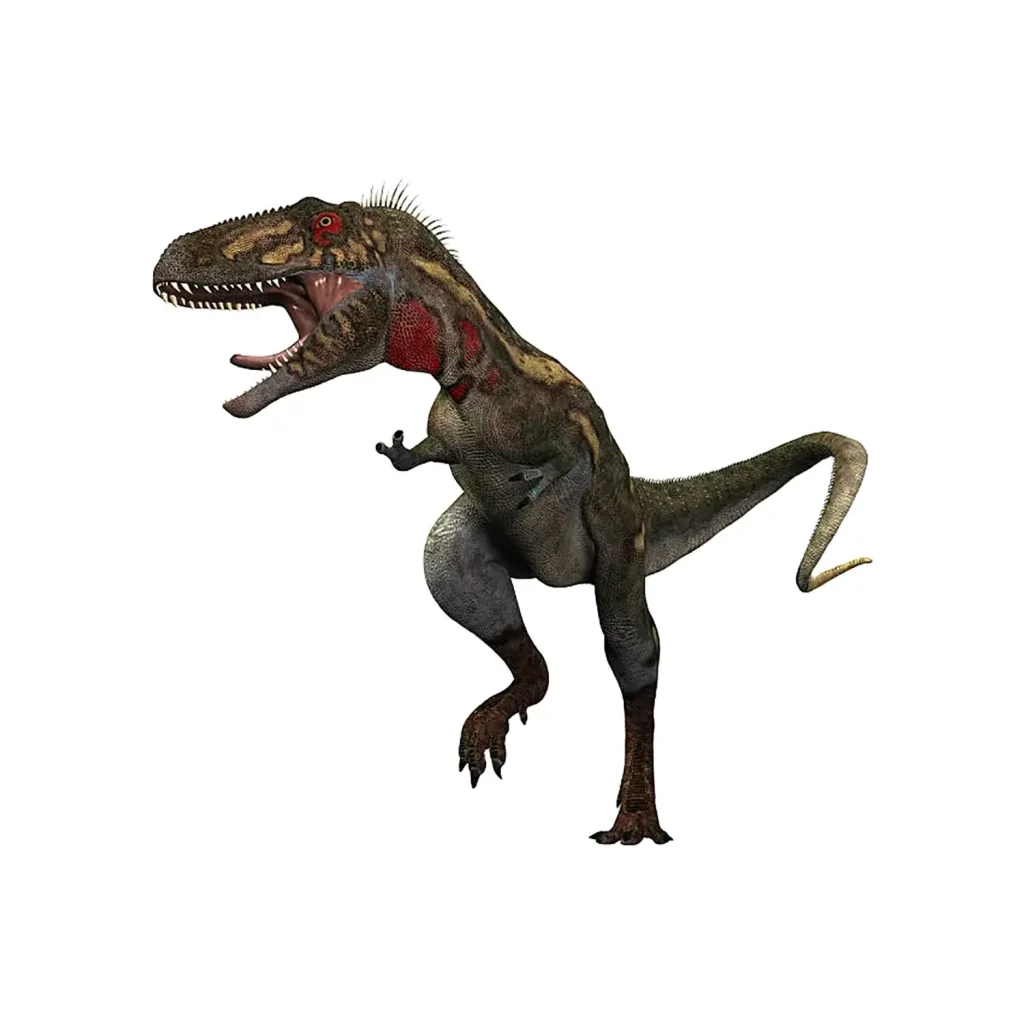
 Nanotyrannus
- Classification
- Theropods
- Characteristics
- Carnivorous
- Era
- Cretaceous period
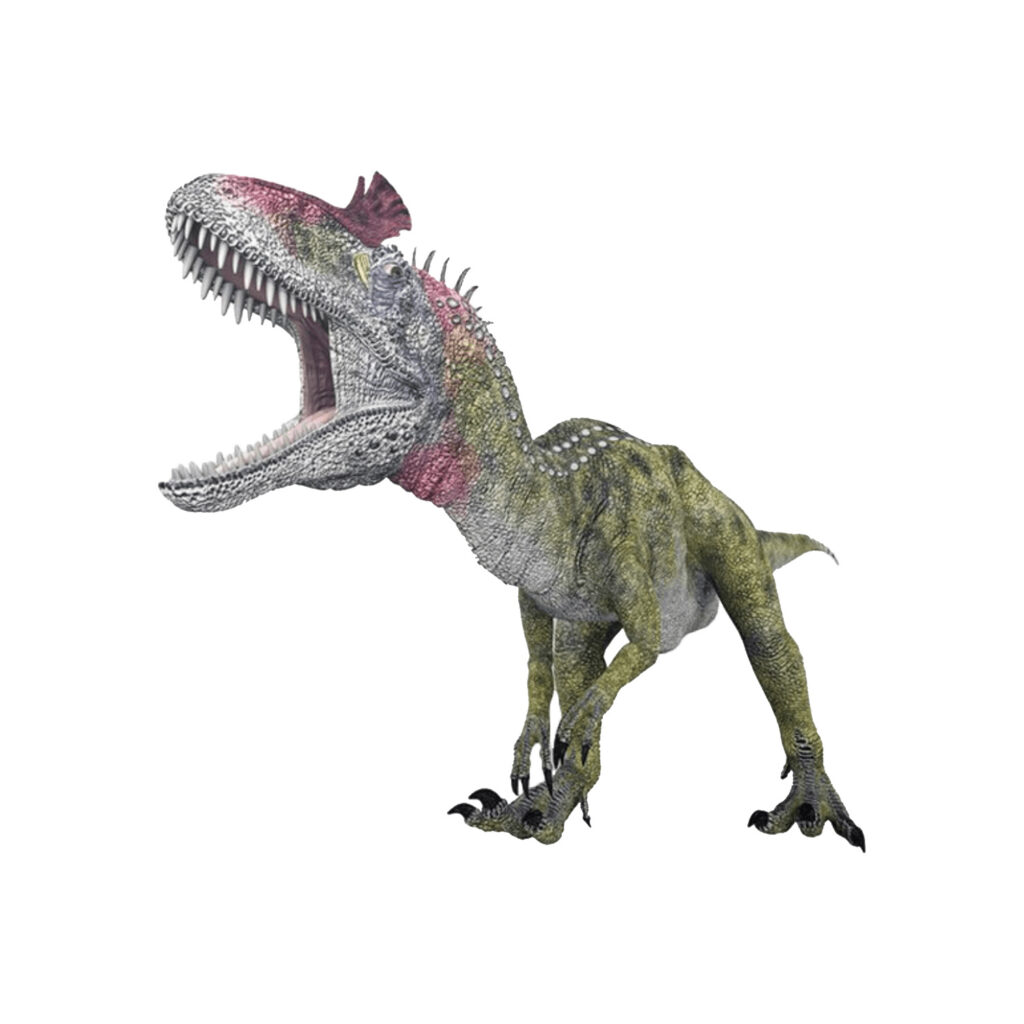
- Cryolophosaurus
- Classification
- Theropods
- Characteristics
- Carnivorous
- Feathered
- Era
- Jurassic period
- Selmasaurus
- Classification
- Marine reptiles
- Characteristics
- Carnivorous
- Era
- Cretaceous period
- Limusaurus
- Classification
- Theropods
- Characteristics
- Herbivorous
- Era
- Jurassic period
-
Sponsored Links
-
Sponsored Links









![[Latest Research] What Was the Function of Spinosaurus's Giant "Sail"? Exploring the Mysteries of Thermoregulation and Underwater Locomotion](https://dinosaurmuseum.jp/wp/wp-content/uploads/eyecatch_spinosaurus-sail-function_en-1024x512.webp)
![[Latest Discovery] A Third Type of Skin, Neither Scales Nor Feathers? Meet "Haolong dongi," a New Dinosaur Species Covered Entirely in Spikes](https://dinosaurmuseum.jp/wp/wp-content/uploads/eyecatch_dinosaur-spiky-skin-discovery_en-1024x512.webp)

Description
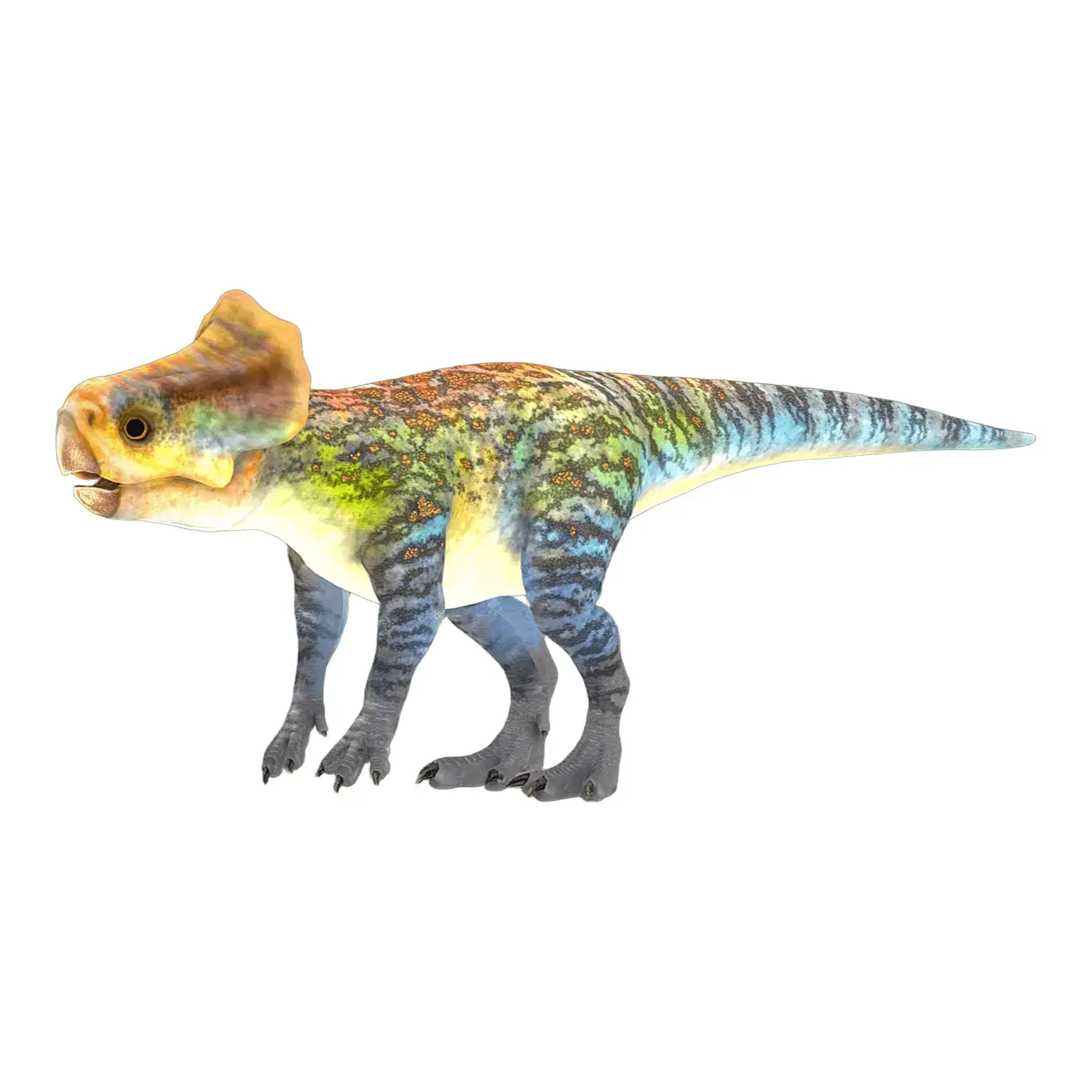
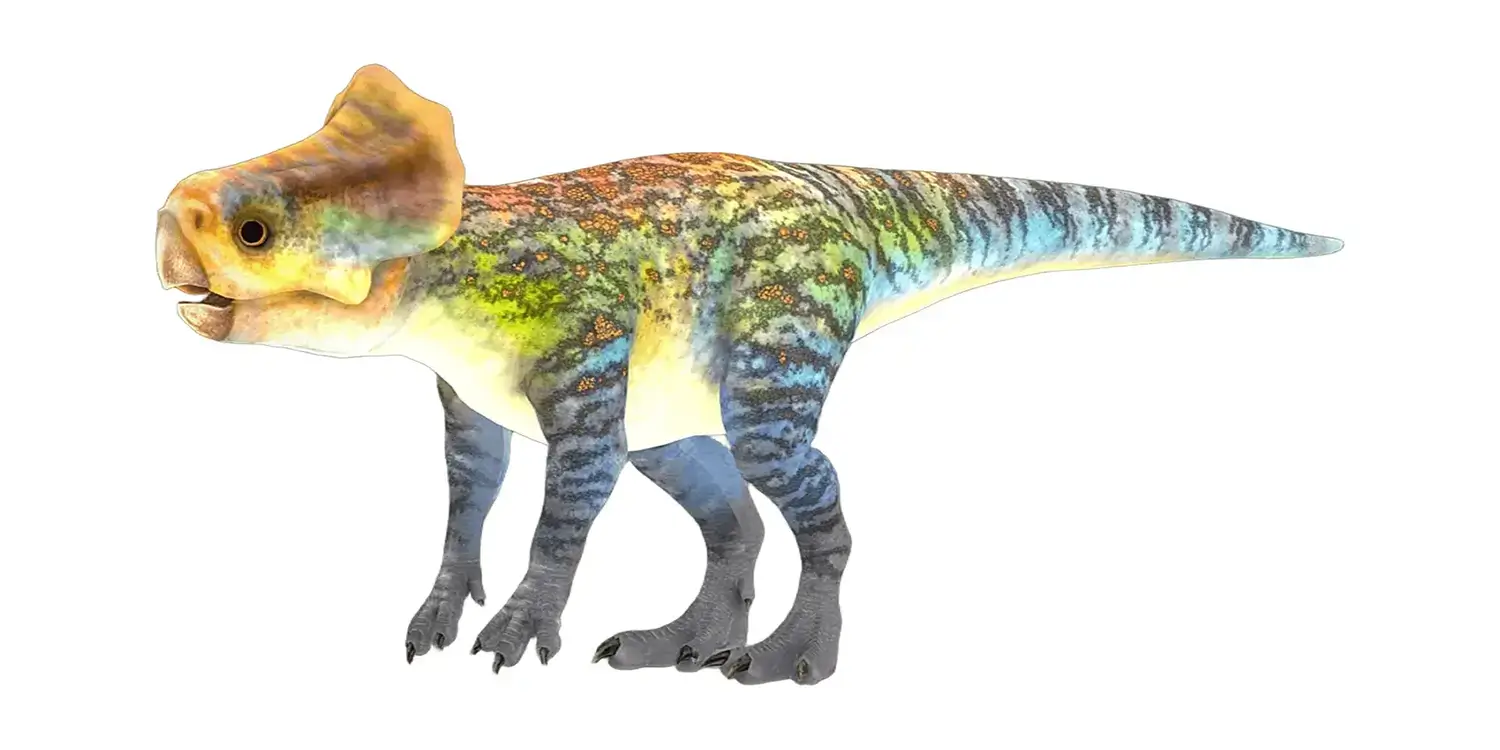
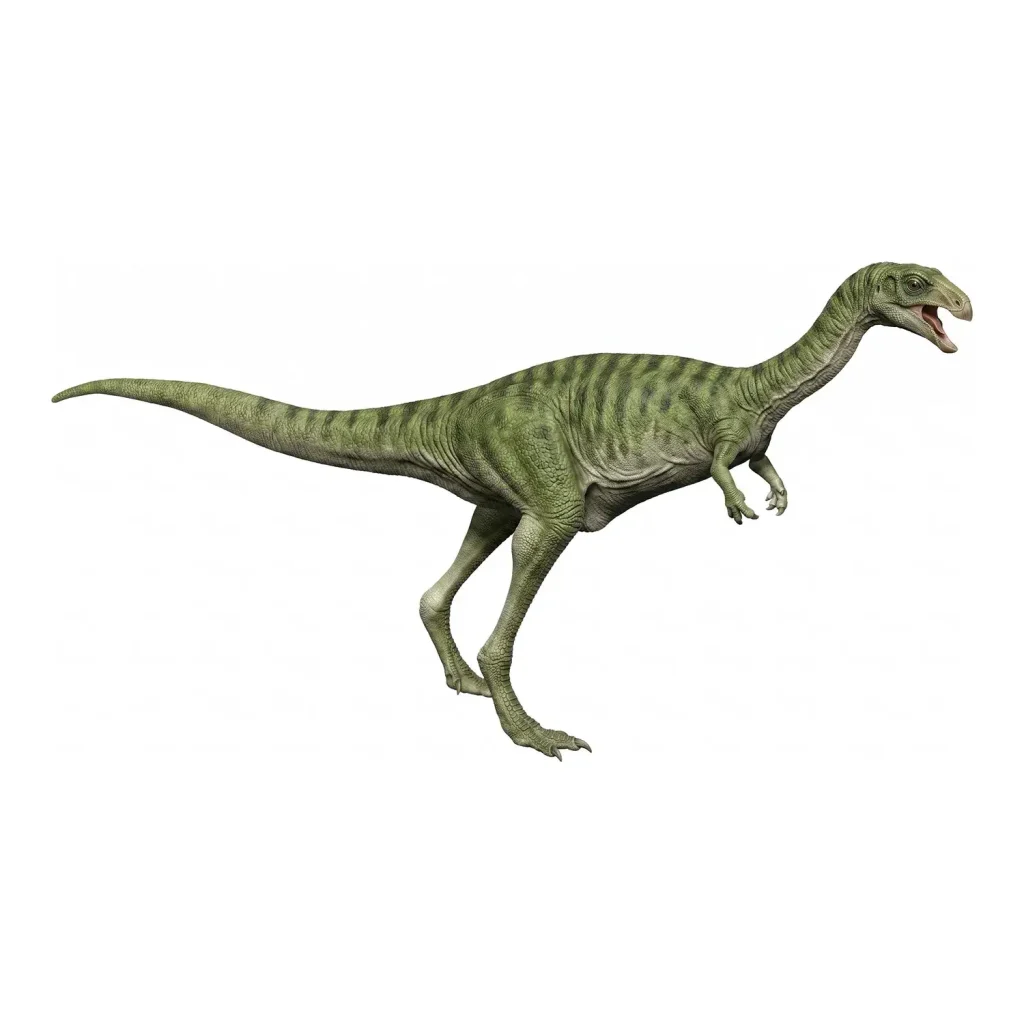
Microceratus was a small, primitive ceratopsian that lived on the Asian continent during the Late Cretaceous period.
Although it roamed Asia during the Late Cretaceous, its body was far from gigantic, measuring only about 2 meters in length.
The Name “Microceratops”—Unnoticed for 50 Years
This dinosaur was once widely known by the name Microceratops.
It was named Microceratops in 1953, but it was later discovered that this scientific name was already in use as a genus name for a wasp.
Because there is a rule that scientific names must be globally unique, this dinosaur has the very unusual story of being renamed Microceratus in 2008.
What makes this story even stranger is that this duplication went completely unnoticed by anyone for over 50 years.
Characteristics as a Primitive Ceratopsian
Microceratus was a primitive ceratopsian, possessing a robust, bird-like beak (snout) and a small neck frill.
Its appearance shares very similar characteristics with Psittacosaurus, which also inhabited the same region.
However, Microceratus lived in a much later era than Psittacosaurus, so it seems the two never met in life.