
Nanotyrannus
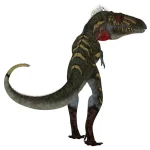
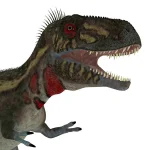
Name Origin
Small Tyrant (referring to Nanotyrannus)
Family
Tyrannosauridae
Classification
Diapsida, Saurischia, Theropoda
Habitat (Discovery Location)
United States
Period
Late Cretaceous
Length
Approximately 7 meters
Weight
Approximately 1 ton
Diet
Carnivore (Meat-eater)
You might also like... 

-
 Falcarius
- Classification
- Theropods
- Characteristics
- Herbivorous
- Feathered
- Era
- Cretaceous period
- Staurikosaurus
- Classification
- Theropods
- Characteristics
- Carnivorous
- Era
- Triassic period
- Archaeornithomimus
- Classification
- Theropods
- Characteristics
- Omnivorous
- Era
- Cretaceous period
- Patagotitan
- Classification
- Sauropods
- Characteristics
- Herbivorous
- Era
- Cretaceous period
-
Sponsored Links
-
Sponsored Links









![[Latest Research] What Was the Function of Spinosaurus's Giant "Sail"? Exploring the Mysteries of Thermoregulation and Underwater Locomotion](https://dinosaurmuseum.jp/wp/wp-content/uploads/eyecatch_spinosaurus-sail-function_en-1024x512.webp)
![[Latest Discovery] A Third Type of Skin, Neither Scales Nor Feathers? Meet "Haolong dongi," a New Dinosaur Species Covered Entirely in Spikes](https://dinosaurmuseum.jp/wp/wp-content/uploads/eyecatch_dinosaur-spiky-skin-discovery_en-1024x512.webp)



Description
North America during the Late Cretaceous.
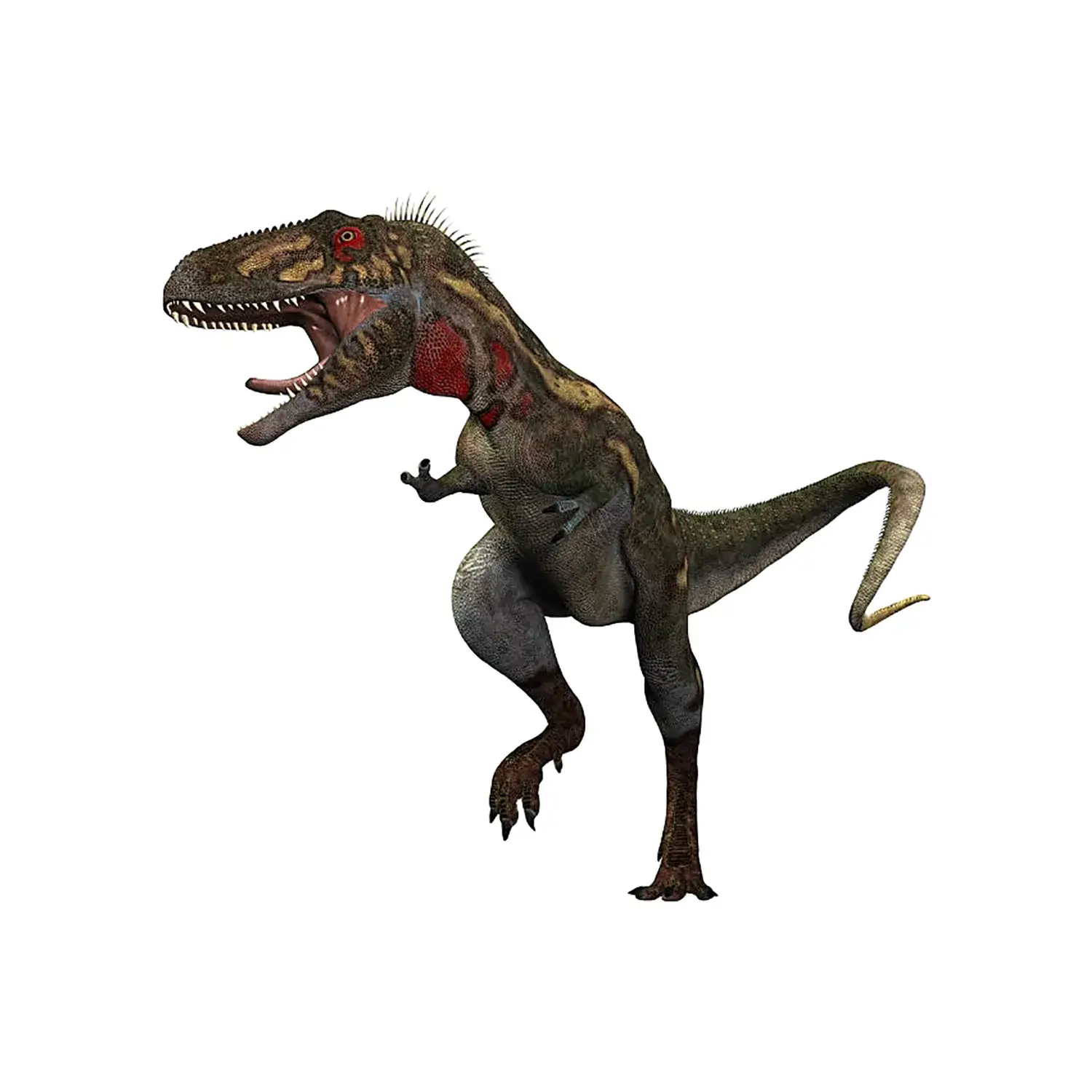
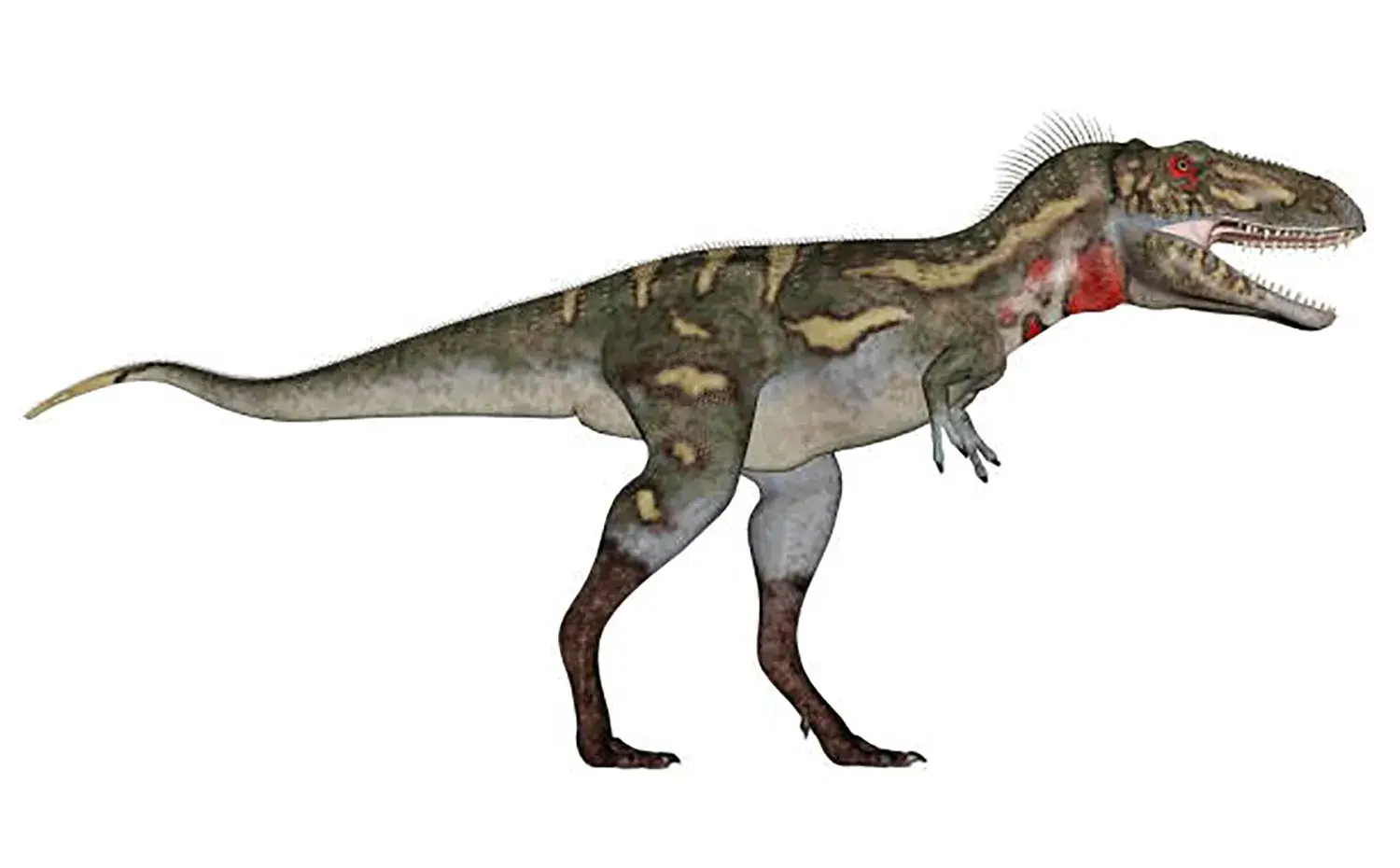
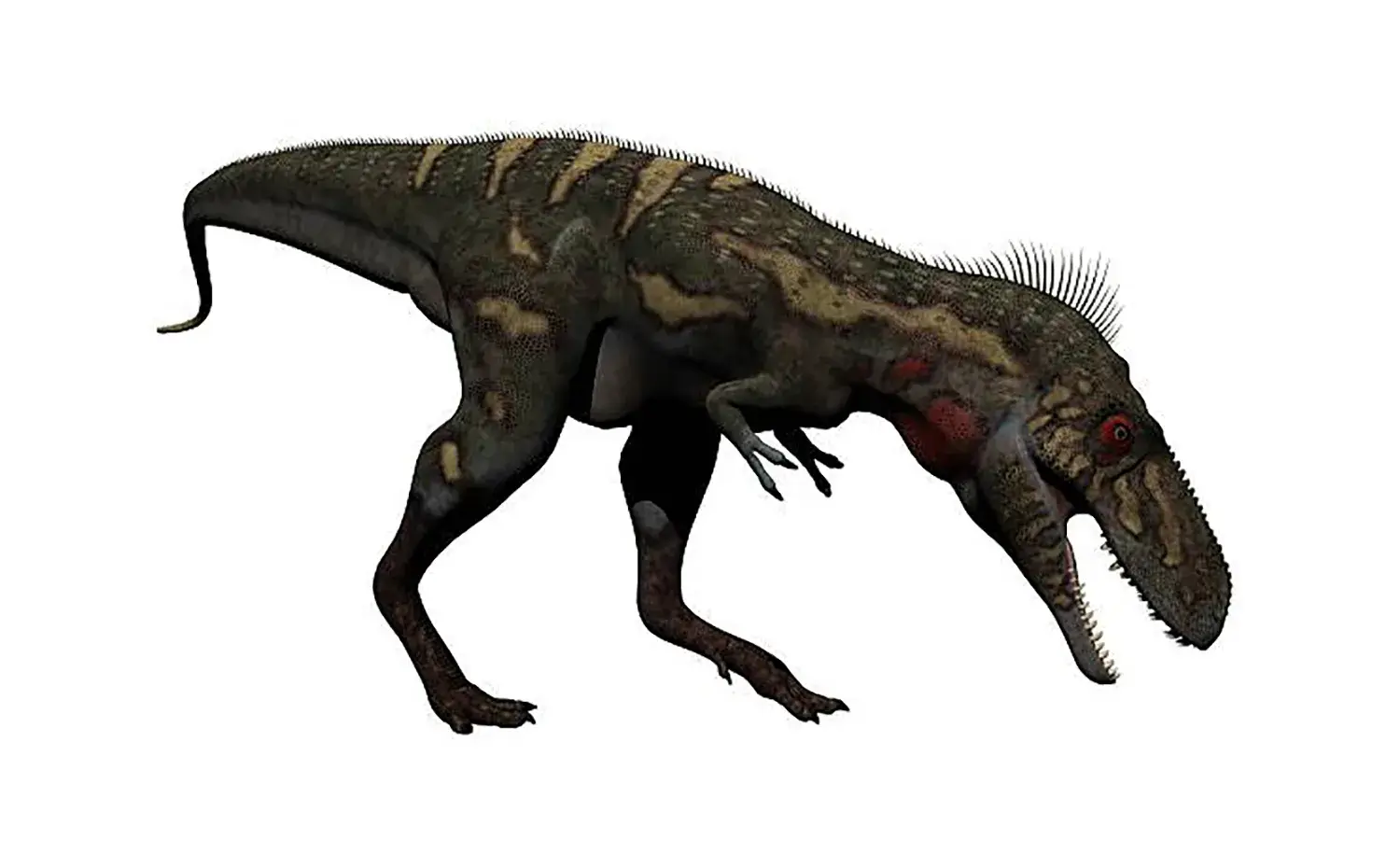
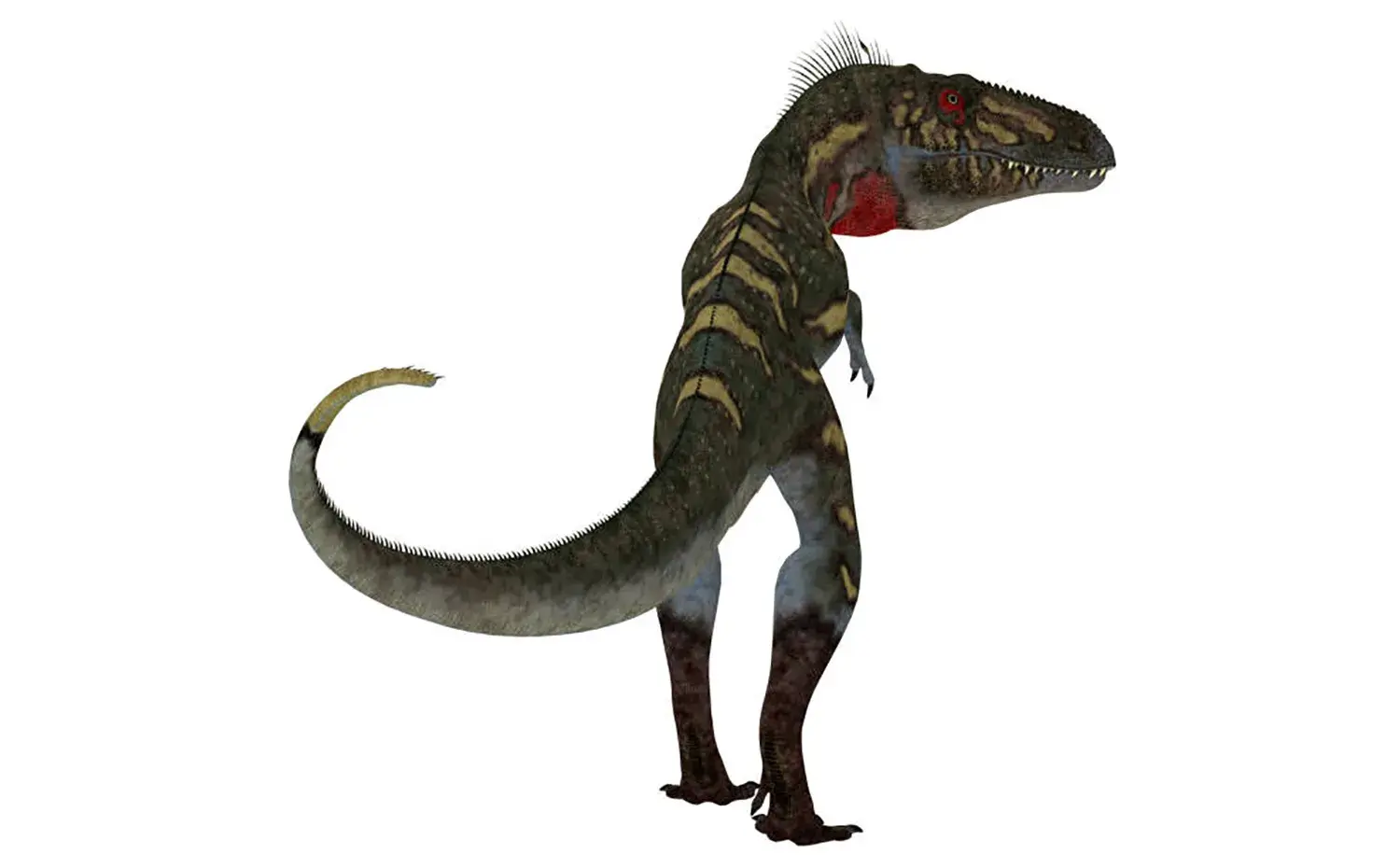
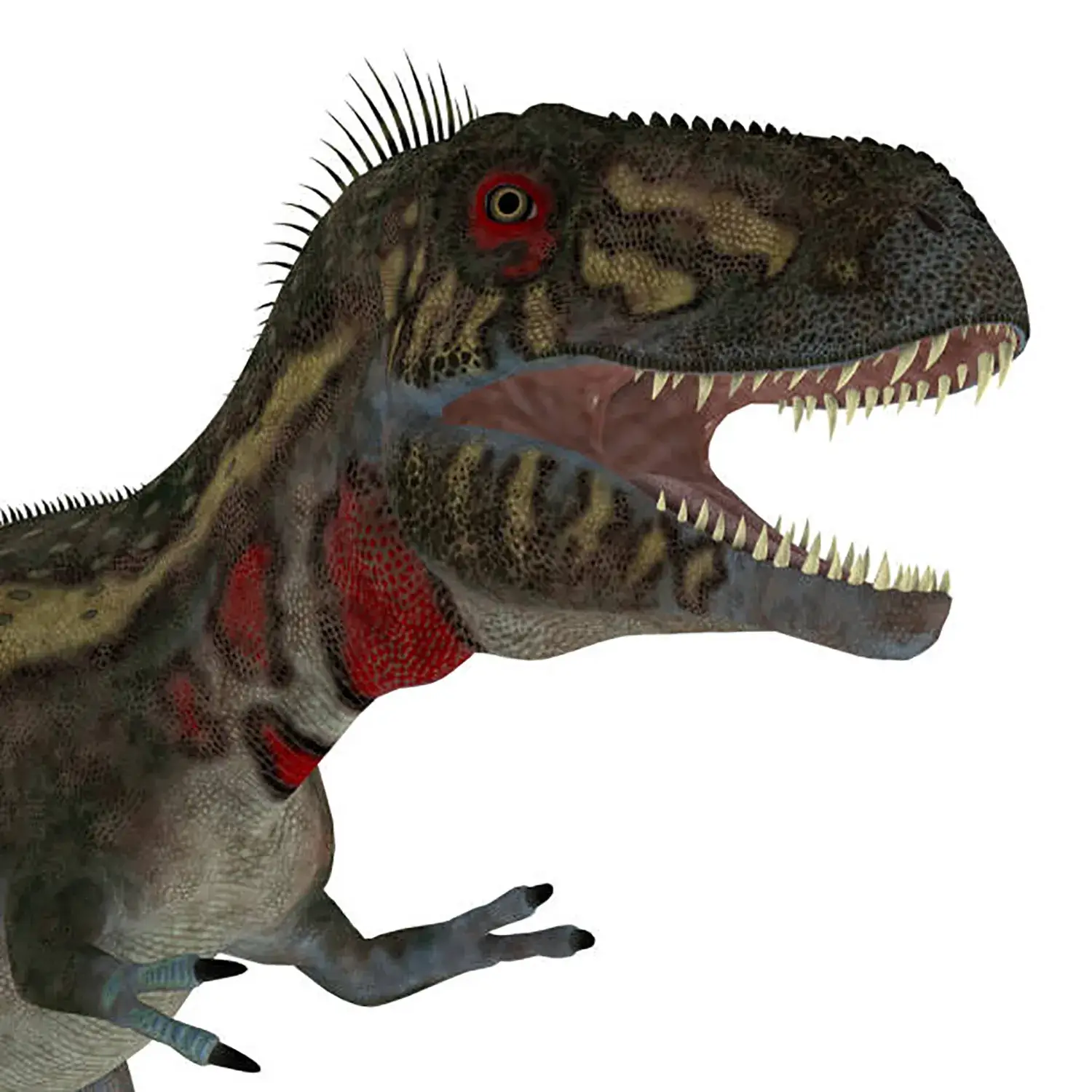
There existed a carnivorous dinosaur that looked very similar to Tyrannosaurus rex but was far smaller and more agile.
It is “Nanotyrannus.”
Meaning “Small Tyrant,” this dinosaur has been the subject of a long-standing debate: was it a “new species” or a “juvenile Tyrannosaurus“?
The debate was seemingly settled in favor of the “juvenile theory” in 2020, but in 2025, a study of a certain fossil overturned that established theory.
A 70-Year Controversy: New Species? Or Juvenile Tyrannosaurus?
The story of Nanotyrannus has followed a turbulent history, twisting and turning since its discovery.
The Birth of the “Mini-Tyrant” (1988)
The first discovery was in 1946, but it gained attention in 1988.
Robert Bakker and his team named it the new genus and species “Nanotyrannus,” describing it as an “adult individual whose growth had stopped.”
Being only half the size of a Tyrannosaurus, this dinosaur became famous as the “Mini-Tyrant.”
Rise of the Juvenile Theory and “Extinction” (2000s–2020)
However, the suspicion that “it might just be a juvenile Tyrannosaurus” always existed.
When the characteristics of “Jane,” a juvenile individual discovered in 2001, were found to closely resemble Nanotyrannus, the juvenile theory gained strength. Finally, in 2020, it was officially recognized that “Nanotyrannus = Juvenile Tyrannosaurus.”
Its name nearly disappeared from illustrated reference books.
The Turnaround of 2025! The Miraculous Fossil “Bloody Mary”
What saved Nanotyrannus from extinction was the legendary fossil “Dueling Dinosaurs (Bloody Mary),” which was discovered in 2006 but remained unstudied for a long time due to ownership disputes.
Unsealing the Dueling Fossils
This fossil preserved the scene of a theropod fighting a Triceratops.
In October 2025, the results of the analysis of this theropod were announced, sending shockwaves through the world.
Growth Stopped at Age 20
Analysis of bone growth rings revealed that Bloody Mary’s age at death was “approximately 20 years old.”
A Tyrannosaurus would be a massive adult at this age, but this individual remained medium-sized.
In other words, it was proven to be a “mature adult at this size (an independent species).”
With this, Nanotyrannus was revived not as a juvenile Tyrannosaurus, but as a distinct, legitimate species.
Different from Tyrannosaurus? The True Capabilities of Nanotyrannus
Now recognized as an independent species, Nanotyrannus was a hunter that had undergone its own unique evolution, similar to but distinct from Tyrannosaurus.
Size
Total length of about 7 meters, weighing around 1 ton (Tyrannosaurus is 13 meters, 8 tons).
Long Arms
It possessed long forelimbs, more developed than those of Tyrannosaurus, which it used for hunting.
Agile Legs
In contrast to the heavy-tank-like Tyrannosaurus, it toyed with prey using cheetah-like speed.
Toyed with prey using speed
Teeth and Face
Its long, narrow face was lined with sharp teeth designed for slicing meat (unlike the thick, bone-crushing teeth of Tyrannosaurus).
Lined with sharp, flesh-slicing teeth in a long, narrow face.
Challenging Triceratops! A Challenger to Giants
It was once thought to target small prey, but the discovery of Bloody Mary alongside a Triceratops completely changed that assessment.
They were dangerous predators that boldly challenged prey larger than themselves, engaging in battles to the death.
Currently, theories removing it from the Tyrannosauridae family and establishing a unique “Nanotyrannidae” family are gaining traction.
The “Small Tyrant,” having regained its identity after 70 years, teaches us that the ecosystem of the Cretaceous period was more diverse than we imagined.