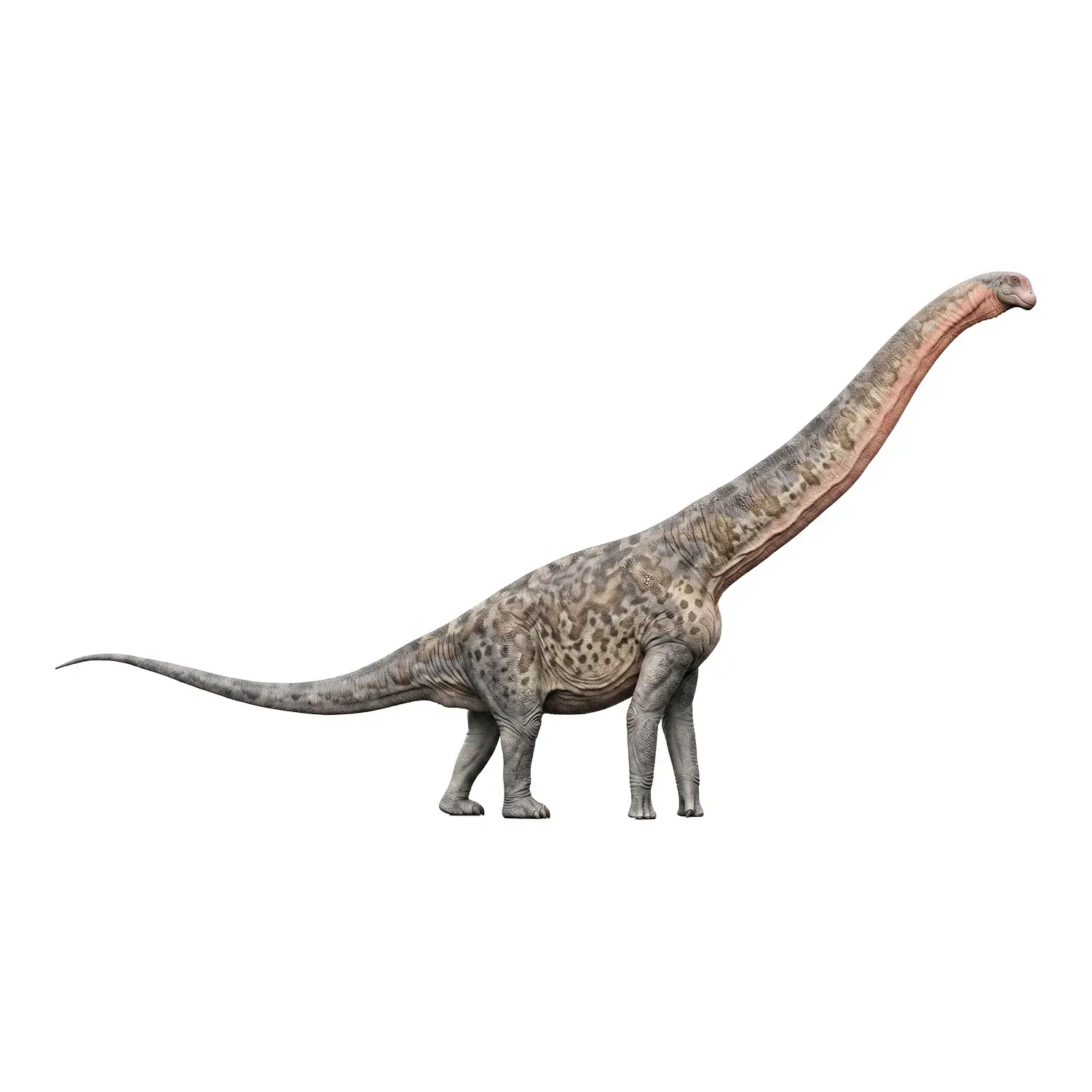
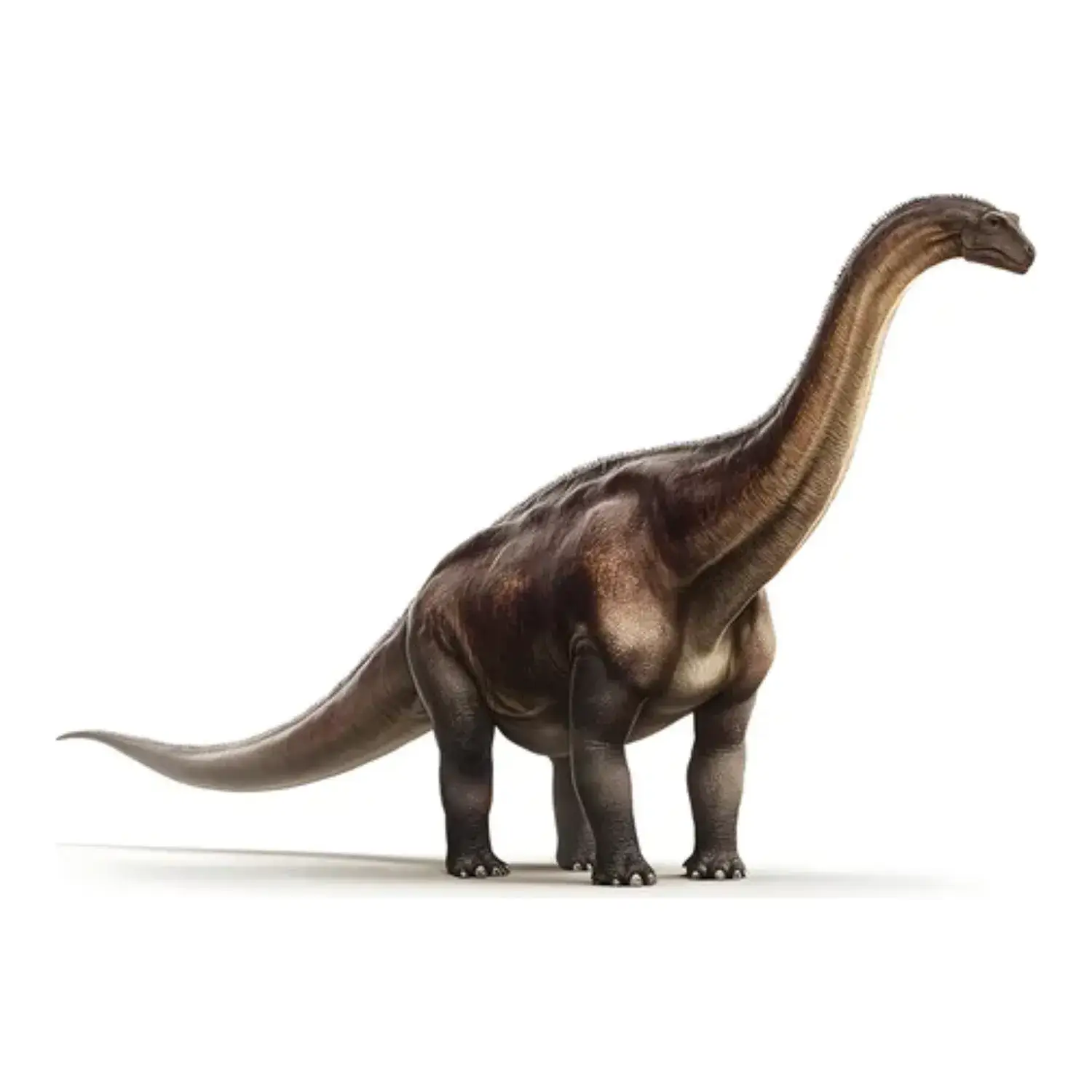
Phuwiangosaurus
Name Origin
Lizard of Phuwiang
Classification
Diapsida, Saurischia, Sauropodomorpha
Habitat (Discovery Location)
Thailand
Period
Approximately 120 to 130 million years ago (Early Cretaceous)
Length
Approximately 12 to 20 meters
Weight
Approximately 10 to 17 metric tons
Diet
Herbivore (Plant-eater)
You might also like... 

-
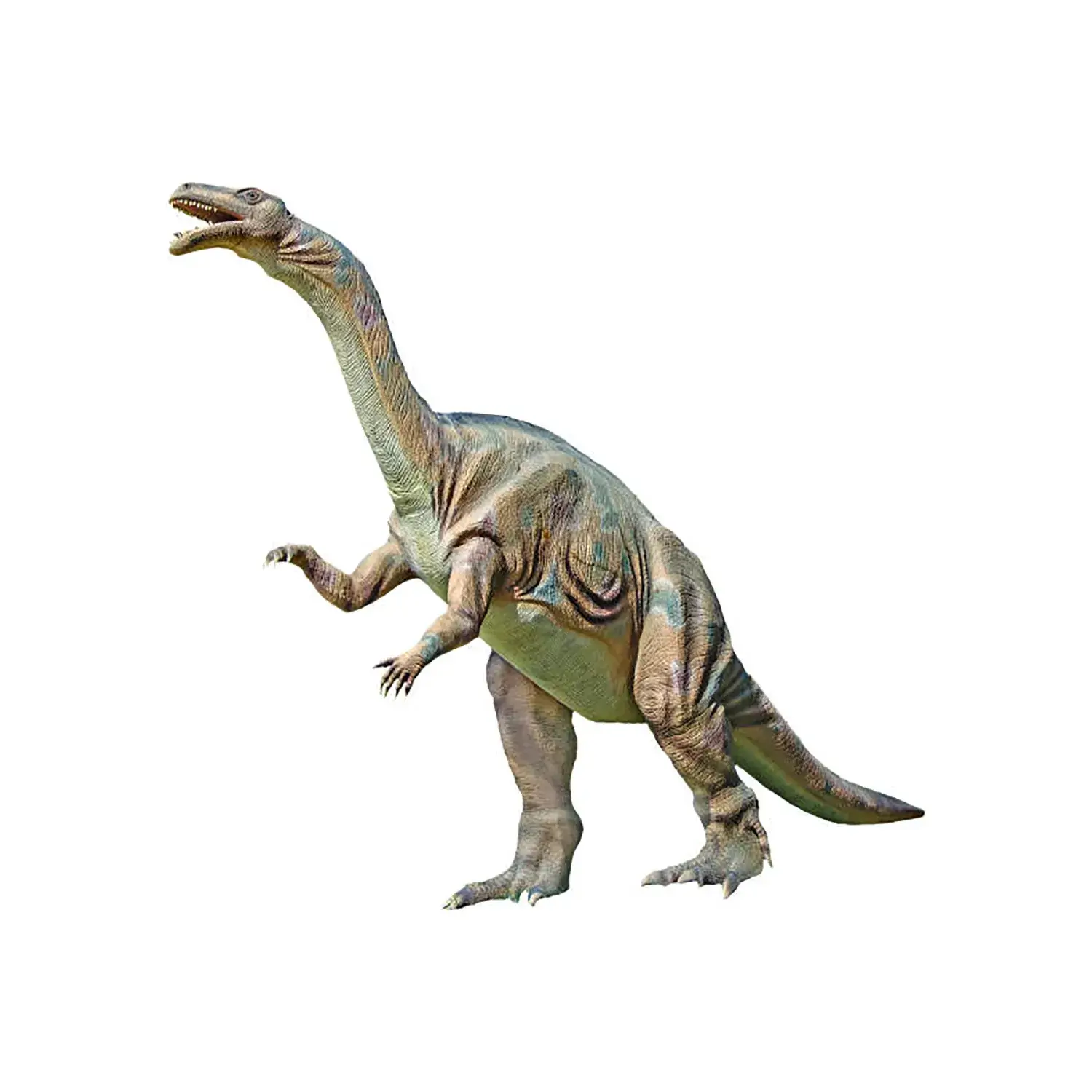
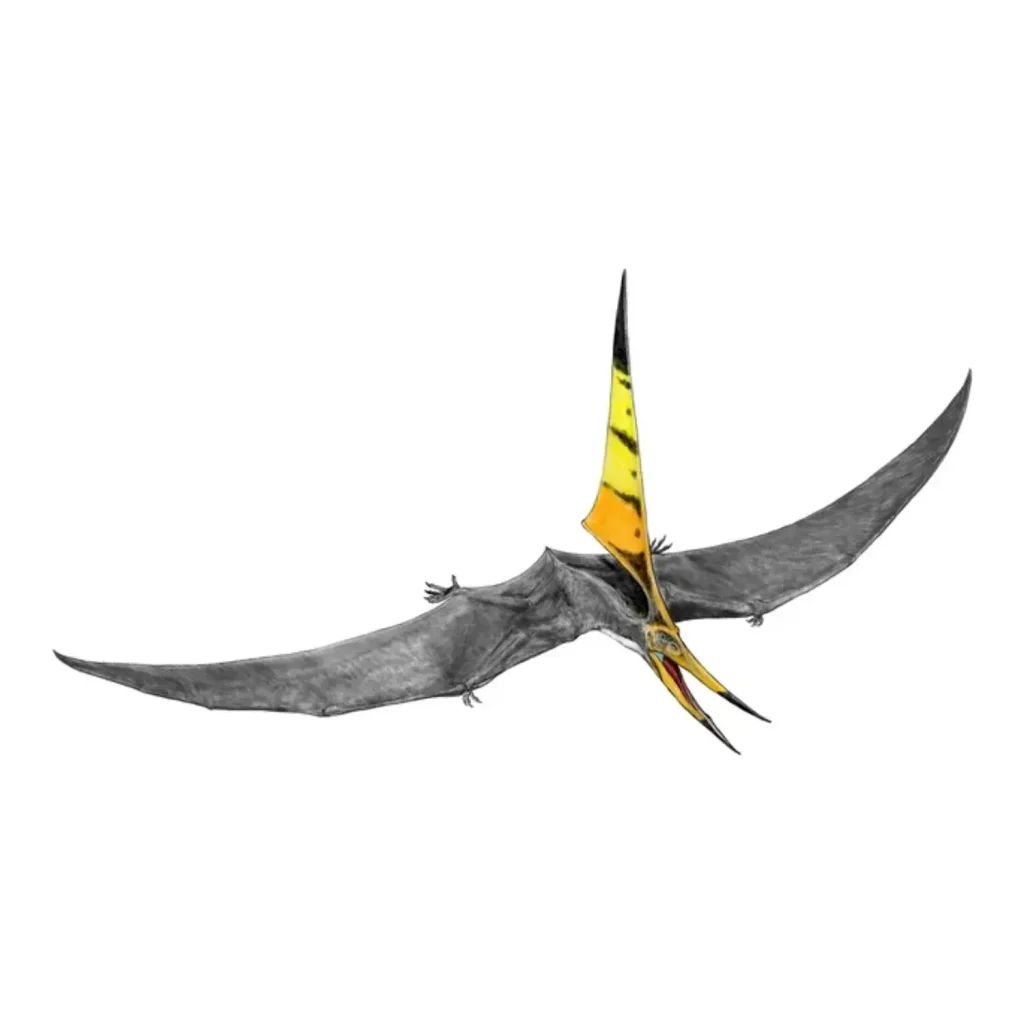
 Nyctosaurus
- Classification
- Flying reptiles
- Characteristics
- Carnivorous
- Era
- Cretaceous period
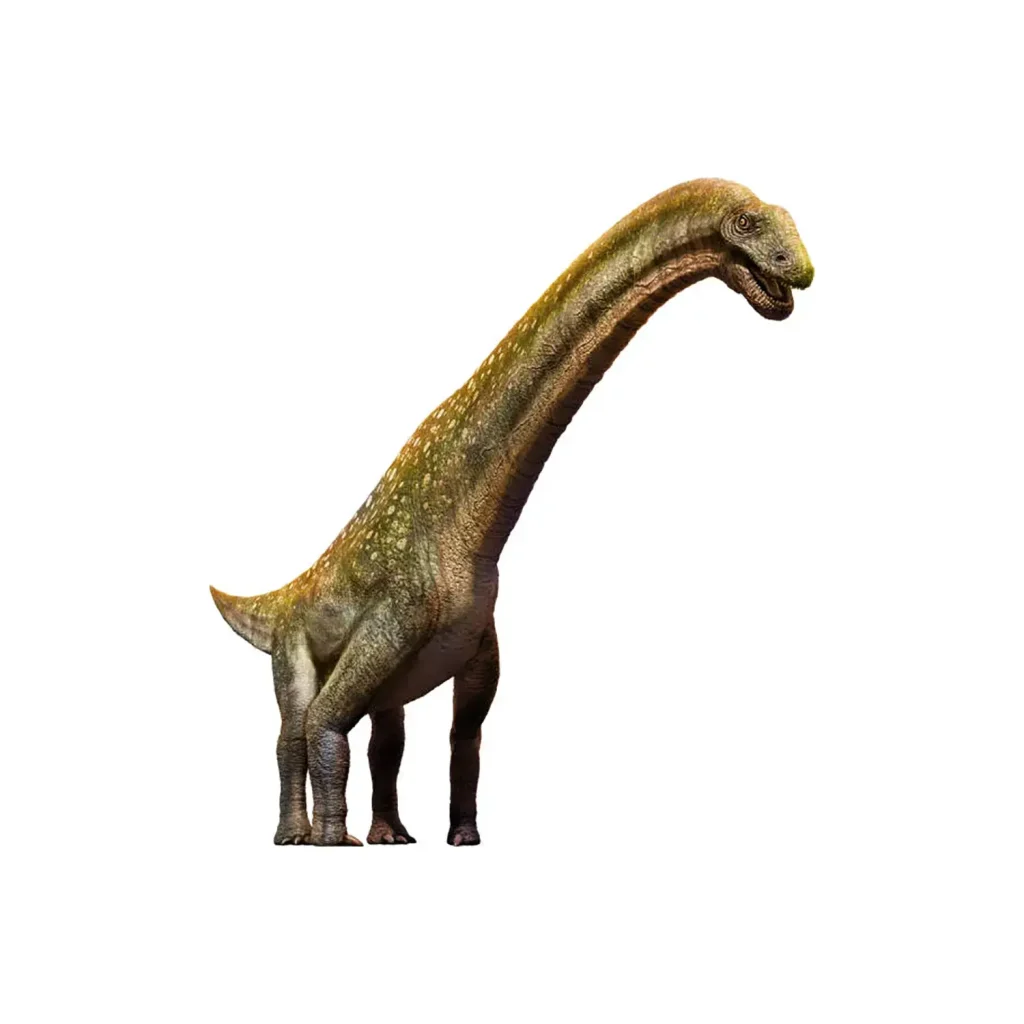
- Titanosaurus
- Classification
- Sauropods
- Characteristics
- Herbivorous
- Era
- Cretaceous period
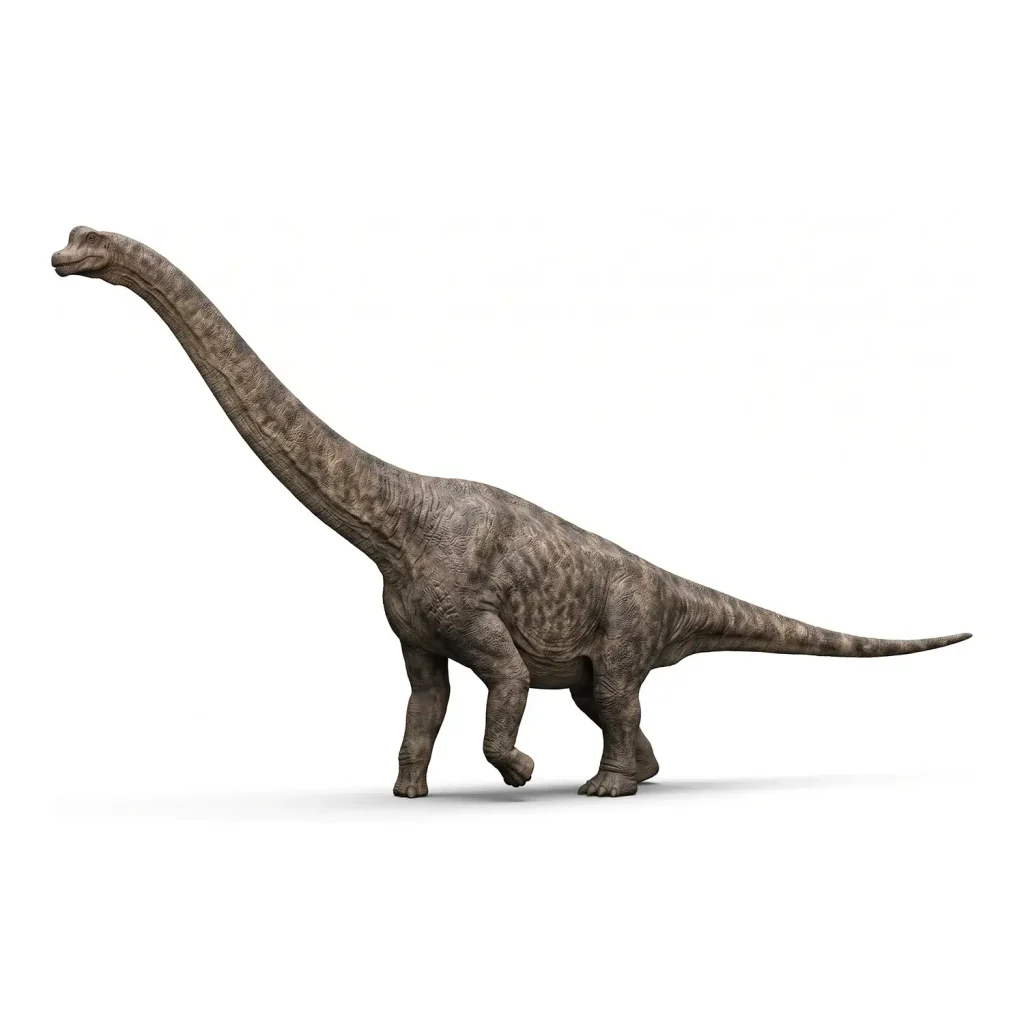
- Lusotitan
- Classification
- Sauropods
- Characteristics
- Herbivorous
- Era
- Jurassic period
- Maraapunisaurus
- Classification
- Sauropods
- Characteristics
- Herbivorous
- Era
- Jurassic period
-
Sponsored Links
-
Sponsored Links




![[Latest Research] What Was the Function of Spinosaurus's Giant "Sail"? Exploring the Mysteries of Thermoregulation and Underwater Locomotion](https://dinosaurmuseum.jp/wp/wp-content/uploads/eyecatch_spinosaurus-sail-function_en-1024x512.webp)
![[Latest Discovery] A Third Type of Skin, Neither Scales Nor Feathers? Meet "Haolong dongi," a New Dinosaur Species Covered Entirely in Spikes](https://dinosaurmuseum.jp/wp/wp-content/uploads/eyecatch_dinosaur-spiky-skin-discovery_en-1024x512.webp)

Description
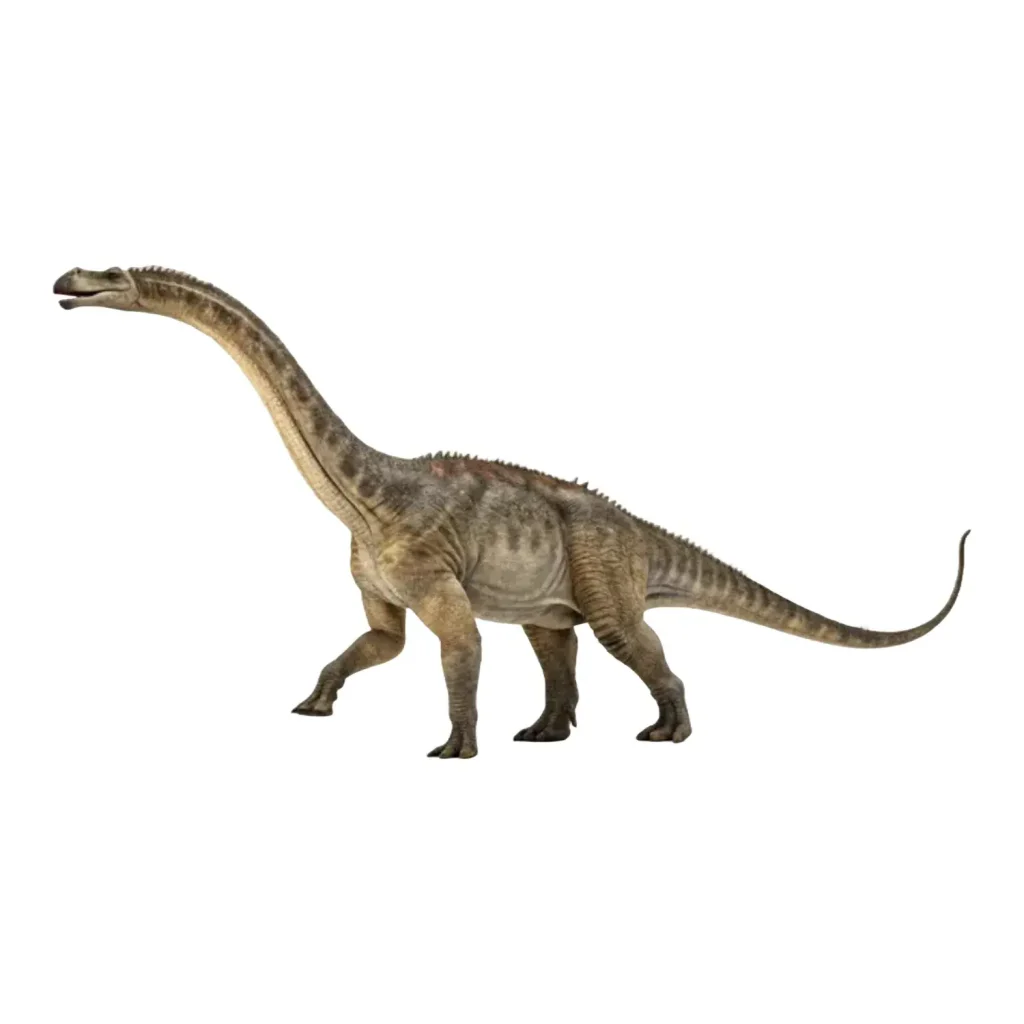
Phuwiangosaurus was a large herbivorous dinosaur that lived in what is now northeastern Thailand during the Early Cretaceous period of the Mesozoic era, approximately 120 to 130 million years ago.
Bearing a name derived from the Thai royal family, this elegant and robust sauropodomorph is not just a giant dinosaur, but a crucial key to sauropodomorph research in Southeast Asia.
Thailand’s National Dinosaur, Crowned with a Princess’s Name
In the early 1980s, large bone fragments were discovered one after another in the reddish-brown sandstone of the Sao Khua Formation in northeastern Thailand.
Later, in 1994, it was officially described as a new genus and species by a joint French-Thai research team, and its scientific name was derived as follows:
Genus Name
“Lizard of Phuwiang,” referring to the district where it was discovered.
Specific Name (sirindhornae)
Dedicated to Princess Sirindhorn of the Thai royal family, who showed a deep understanding of and support for paleontology.
Through this respectful naming, it became a beloved national dinosaur widely known throughout Thailand.
Today, the Phu Wiang Dinosaur Museum has been established in the national park where it was excavated, serving as a hub for research and education that attracts many visitors from both inside and outside the country.
A Rapidly Growing Body and a “Unique” Anatomical Structure
Classified as a titanosauriform, it was a medium to large-sized sauropodomorph with a long, flexible neck and tail, and robust limbs.
Protecting Itself Through a Phased Growth Strategy
Analysis of its bone tissue revealed that it grew rapidly on an annual basis during its juvenile stage, with growth slowing down after reaching maturity.
This is believed to be an adaptation to protect itself from predation by carnivorous dinosaurs.
Differences from Other Asian Sauropodomorphs
While many Asian sauropodomorphs of the same era had spoon-shaped teeth, this species did not possess such a shape.
Additionally, it had unique skeletal structures, such as “wide cervical vertebrae (neck bones)” and “Y-shaped spinous processes on its vertebrae.”
Shifts in Classification: From Nemegtosaurus to Euhelopus
The classification of this dinosaur has shifted as research has progressed.
When first discovered, its skull and tooth structure led researchers to believe it was closely related to the “nemegtosaurids” that lived in Mongolia.
However, recent studies now suggest that it is a titanosauriform closely related to Euhelopus from China, which also evolved in Asia.
Life in a Monsoon Climate and a Tragic End by “Flash Floods”
At the time, northeastern Thailand had a monsoon climate with periodic cycles of dry and wet seasons.
They fed on ferns and conifers on vast floodplains and traveled in herds during the dry seasons.
However, the discovered fossils exhibited a distinct characteristic: “many fossils, including juveniles, were clustered together in one place.”
Based on this state of preservation, it is theorized that their herd met a tragic end—caught in a sudden flash flood or massive inundation, and rapidly buried alive (or shortly after death) by sediment.
Connections to the Southern Hemisphere! A Bridge in Dinosaur Evolutionary History
Sauropodomorphs were originally thought to have diversified in the Southern Hemisphere (the supercontinent of Gondwana).
However, the bone features of Phuwiangosaurus (such as the hollow structures of its vertebrae and the articular surfaces of its limb bones) share commonalities with dinosaurs like Saltasaurus from South America.
This fact suggests the possibility that Southeast Asia had biological exchanges with Gondwana during the Early Cretaceous period.
The existence of Phuwiangosaurus provides strong evidence for positioning Thailand as one of the “ancestral homelands of Asian sauropodomorphs,” making it an indispensable puzzle piece in reconstructing the evolutionary lineage and history of giant herbivorous dinosaurs on the Asian continent.