
Fukuivenator
Name Origin
Fukui Hunter
Classification
Diapsida, Saurischia, Theropoda
Habitat (Discovery Location)
Japan
Period
Approximately 127–115 million years ago (Early Cretaceous)
Length
Approximately 2.45 meters
Weight
Approximately 25 kilograms
TODAY'S QUIZ
Correct answer = 1 coin
Which sense may have been particularly well developed in Fukuivenator, based on the structure of its brain?
Loading…

You might also like... 

-
 Chasmosaurus
- Classification
- Marginocephalia
- Characteristics
- Herbivorous
- Era
- Cretaceous period
- Jianchangosaurus
- Classification
- Theropods
- Characteristics
- Herbivorous
- Feathered
- Era
- Cretaceous period
- Talenkauen
- Classification
- Ornithopoda
- Characteristics
- Herbivorous
- Era
- Cretaceous period
- Moros
- Classification
- Theropods
- Characteristics
- Carnivorous
- Era
- Cretaceous period
-
Sponsored Links
-
Sponsored Links




















Description
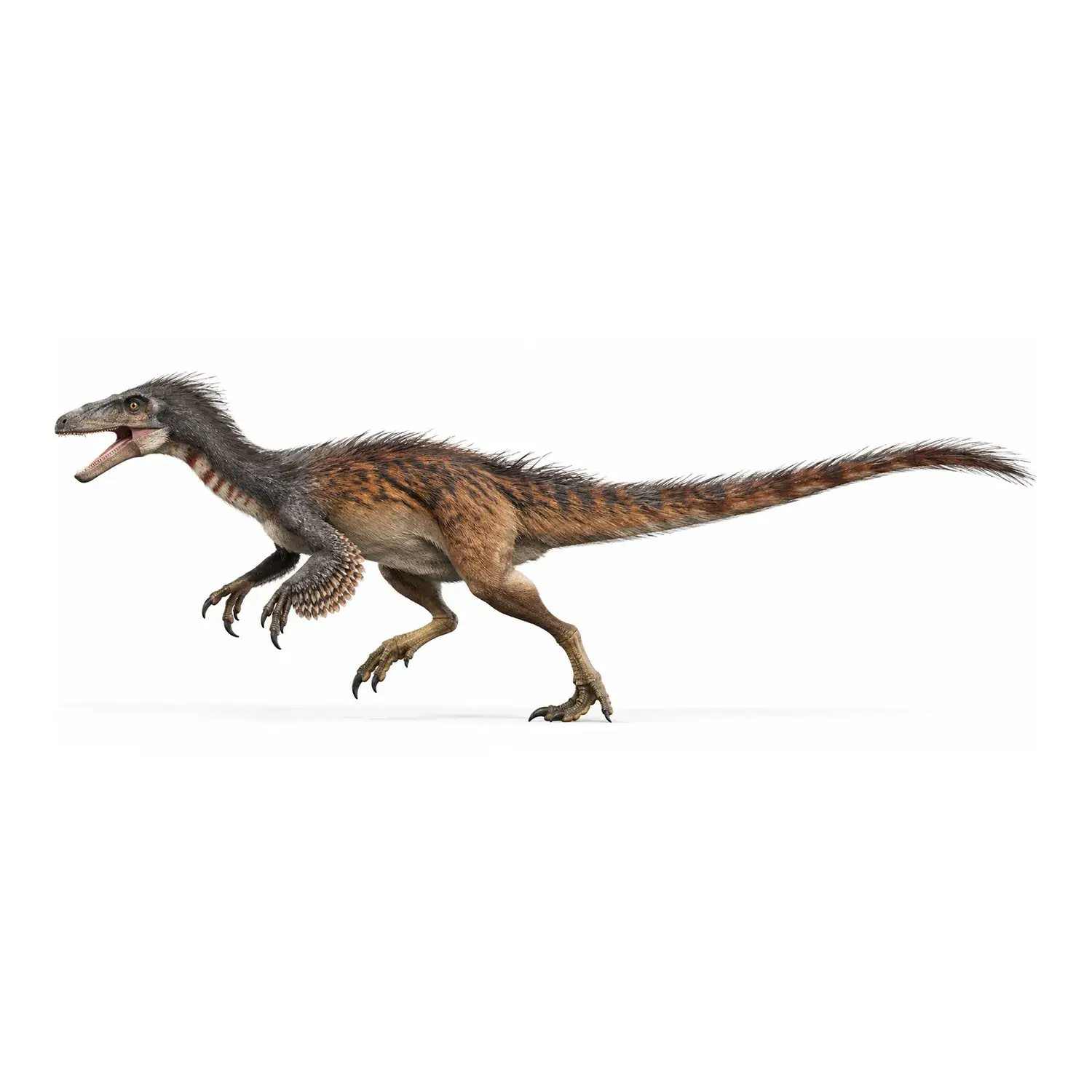
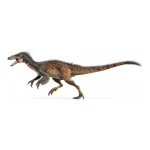
Fukuivenator was a small theropod dinosaur that lived in Japan during the Early Cretaceous.
Its fossils were discovered in Katsuyama, Fukui Prefecture, and it was officially described as a new species in 2016.
Although this relatively small dinosaur is estimated to have measured approximately 2.45 m (8 ft) in length and weighed around 25 kg (55 lbs), its skeleton displays a combination of features shared by several different dinosaur groups.
Furthermore, the shape of its teeth has led researchers to suggest that it may have been omnivorous. Studies of its brain and inner ear have also raised the possibility that it possessed a well-developed sense of smell and hearing.
Researchers also disagree about its precise taxonomic position, making Fukuivenator an intriguing dinosaur for understanding dinosaur evolution.
Basic Facts About Fukuivenator
Fukuivenator lived during the Early Cretaceous, approximately 127–115 million years ago.
Its fossils were discovered in the Kitadani Formation, located in the Kitadani area of Katsuyama, Fukui Prefecture, Japan.
Its scientific name is Fukuivenator paradoxus.
The genus name, Fukuivenator, combines “Fukui,” referring to Fukui Prefecture, with the Latin word “venator,” meaning “hunter.” The name therefore means “hunter of Fukui.”
The species name, paradoxus, means “paradoxical” or “unexpected.”
It refers to the unusual combination of primitive and more advanced characteristics found in the same skeleton.
The Discovery and Scientific Description of Fukuivenator
Fukuivenator fossils were discovered during an excavation conducted by the Fukui Prefectural Dinosaur Museum in 2007.
The fossils were carefully prepared over approximately two years, revealing bones representing about 70% of the skeleton, including the skull.
The Fukuivenator specimen is a valuable resource for studying theropod dinosaurs discovered in Japan because it preserves enough of the skeleton to allow detailed anatomical research.
In February 2016, the dinosaur was officially described as a new species.
The Size and Physical Characteristics of Fukuivenator
Fukuivenator is estimated to have measured approximately 2.45 m (8 ft) in length and weighed around 25 kg (55 lbs).
Although it was small compared with large carnivorous dinosaurs, its skeleton displays numerous intriguing features.
A Relatively Small Head and a Long Neck
One of Fukuivenator’s distinctive features was its relatively small head and long neck.
Its cervical vertebrae were elongated, giving it a slender appearance from the head through to the torso.
Sharp Claws and Distinctive Teeth
Fukuivenator had sharp claws on its hands and feet.
These features may suggest a predatory lifestyle, but some of its teeth differed from those typically seen in carnivorous dinosaurs.
The premaxilla, located at the front of the upper jaw, bore spatula-shaped teeth.
Meanwhile, the teeth in the maxilla were sharply curved but lacked the well-developed serrated edges commonly found in the teeth of carnivorous dinosaurs.
The presence of differently shaped teeth in the same mouth provides important clues for understanding Fukuivenator’s diet.
Was Fukuivenator a Carnivore? The Possibility of an Omnivorous Diet
Some aspects of Fukuivenator’s diet remain uncertain.
Its sharp claws and curved teeth might suggest that it ate meat. However, it also had features potentially associated with plant-eating or omnivorous diets, including spatula-shaped teeth and teeth without well-developed serrations.
These characteristics have led researchers to suggest that Fukuivenator may not have been exclusively carnivorous but instead may have been an omnivore that ate a variety of foods, including plants and small animals.
However, exactly what it ate and how much it consumed of each food type remain unclear.
The mystery surrounding its diet is also closely connected to questions about Fukuivenator’s place in dinosaur evolution.
Its Relationship with Therizinosaurs
A 2022 study used CT scans to examine the fossil skeleton in detail and suggested that Fukuivenator likely belonged to a relatively primitive lineage of therizinosaurs.
Therizinosaurs are a group of dinosaurs known for their evolutionary adaptations toward a plant-based diet.
If Fukuivenator belonged to an early branch of this group, it could provide clues about the evolutionary transition from carnivory to herbivory.
Its Relationship with Migmanychion and Taxonomic Uncertainty
Research on Migmanychion, described in 2023, also suggested a close evolutionary relationship with Fukuivenator.
However, uncertainty remains about its precise position within Maniraptora.
Thus, the classification of Fukuivenator has not yet been conclusively settled.
Future research may reveal new insights into its diet and evolutionary history.
What CT Scans Have Revealed About Its Sensory Organs
Research on Fukuivenator has focused not only on its teeth and skeleton but also on the structure of its brain and inner ear.
By scanning fossil bones with CT technology and reconstructing their internal structures in three dimensions, researchers have been able to examine the shape of the braincase, which housed the brain, as well as the inner ear.
These analyses have made it possible to investigate sensory features that cannot be observed from the outside of the fossils.
What Its Well-Developed Olfactory Bulbs Suggest About Its Sense of Smell
One notable feature of its brain was the well-developed olfactory bulbs, which process information related to the sense of smell.
This characteristic suggests that Fukuivenator may have had a keen sense of smell.
It may have used its sense of smell to explore its surroundings or locate food.
Spatial Awareness and Hearing Inferred from the Inner Ear
The structure of the inner ear has also been studied to learn more about Fukuivenator’s spatial awareness and hearing.
Based on CT image analysis, the Fukui Prefectural Dinosaur Museum has suggested that Fukuivenator may have possessed relatively well-developed spatial awareness and hearing compared with other dinosaurs.
However, the shape of the brain and inner ear alone cannot provide precise measurements of actual olfactory or auditory performance.
These studies infer sensory abilities from features preserved in the fossils.
Even so, the fact that Fukuivenator fossils provide information about its sensory organs is significant for understanding the dinosaur’s biology and ecology.