
Siats
Name Origin
The name Siats comes from a man-eating monster in the traditional stories of the Ute people, an Indigenous people of Utah.
Classification
Diapsida, Saurischia, Theropoda
Habitat (Discovery Location)
United States
Period
Approximately 98 million years ago (Late Cretaceous)
Length
Juvenile estimate: Approximately 9 to 12 meters
Weight
Juvenile estimate: Approximately 4 tons
Diet
Carnivore (Meat-eater)
TODAY'S QUIZ
Correct answer = 1 coin
What was the dinosaur Siats named after?
Loading…
You might also like... 

-
 Kamuysaurus
- Classification
- Ornithopoda
- Characteristics
- Herbivorous
- Era
- Cretaceous period
- Frenguellisaurus
- Classification
- Theropods
- Characteristics
- Carnivorous
- Era
- Triassic period
- Utahraptor
- Classification
- Theropods
- Characteristics
- Carnivorous
- Era
- Cretaceous period
- Huanansaurus
- Classification
- Theropods
- Era
- Cretaceous period
-
Sponsored Links
-
Sponsored Links
















Description
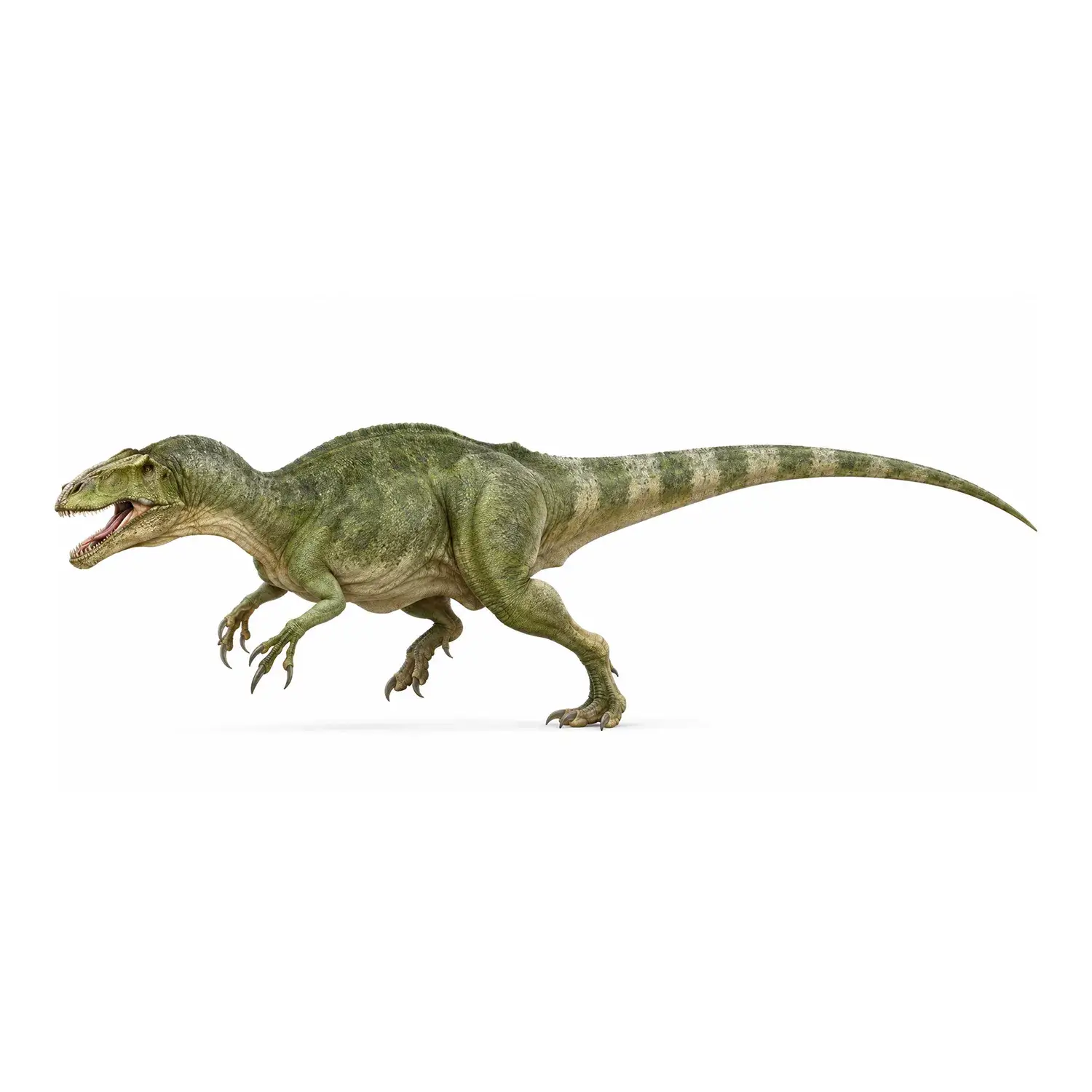
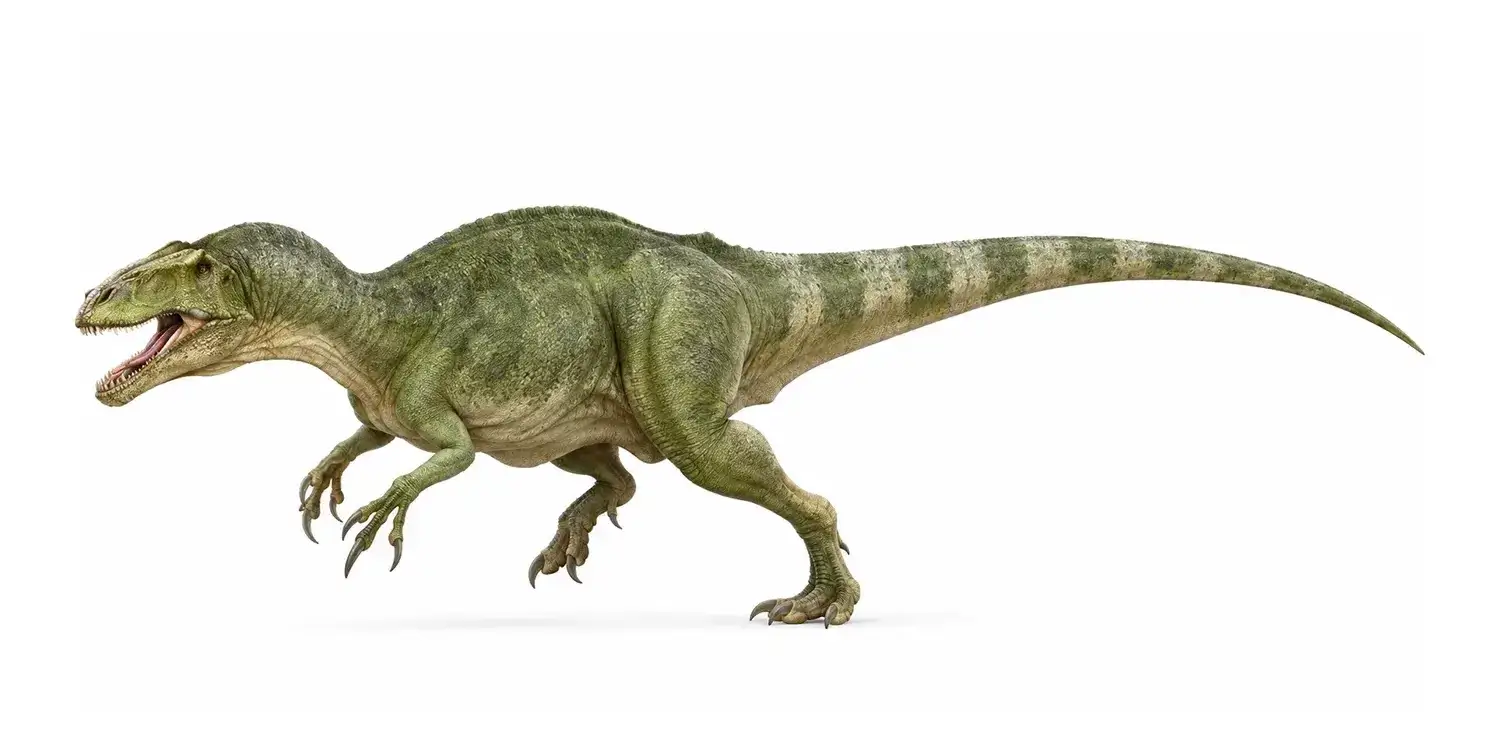
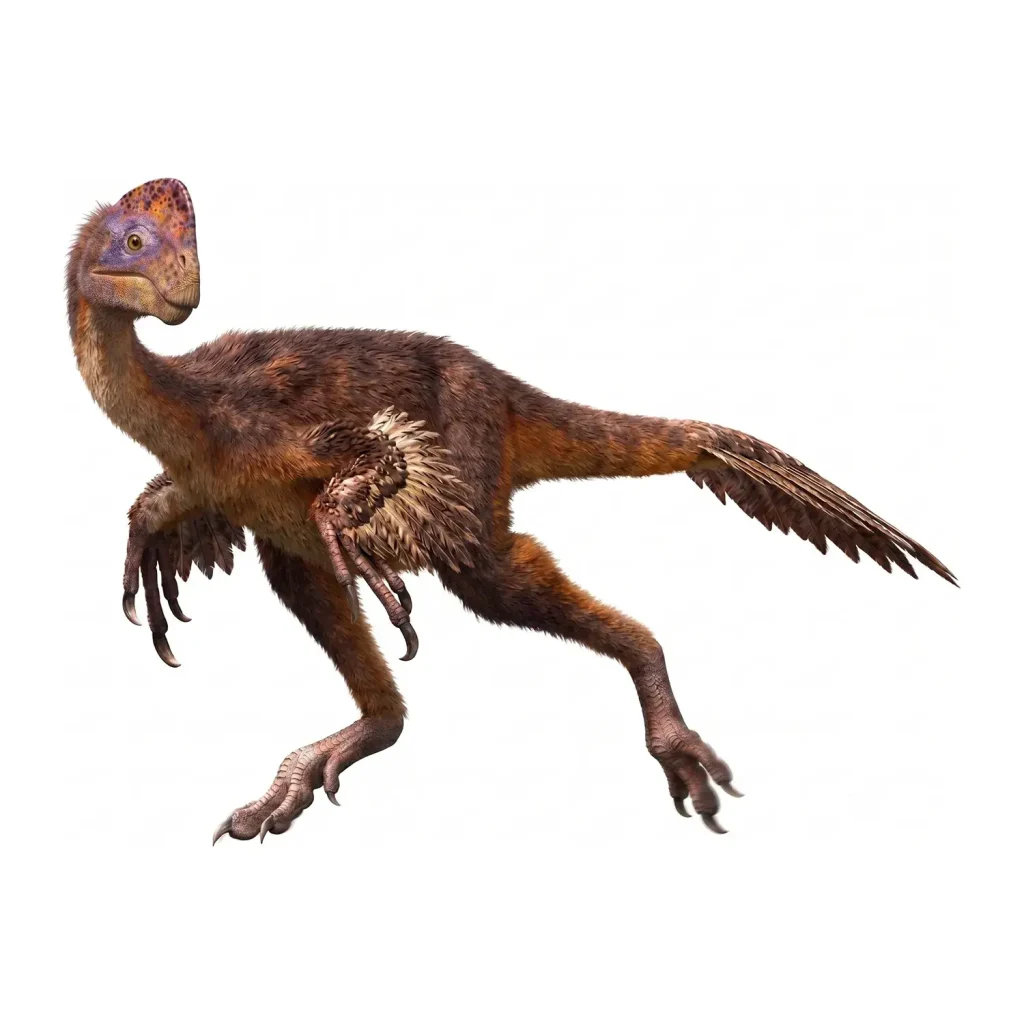
Siats was a giant carnivorous dinosaur that lived in North America during the Late Cretaceous, approximately 98 million years ago.
It was named after Siats, a man-eating monster from the legends of the Ute people, the Indigenous inhabitants of Utah.
The discovery of this dinosaur was groundbreaking, filling a long-standing gap in our understanding of who occupied the top of North America’s food chain before the rise of the fully developed Tyrannosaurus rex.
Remarkable Size and Taxonomic Debate
Siats fossils were accidentally discovered by Lindsay Zanno, then a student at the University of Texas, in the Cedar Mountain Formation of eastern Utah.
Up to 12 Meters Long Despite Being Immature: Potentially One of the Largest Carnivorous Dinosaurs in the World
The excavated fossils belonged to an immature juvenile whose vertebrae had not yet fully fused, yet its size was already astonishing.
Length and Weight
Even as a juvenile, Siats was estimated to have been approximately 9–12 m (30–39 ft) long and to have weighed around 4 tonnes (4.4 US tons).
This made it one of the three largest carnivorous dinosaurs discovered in North America at the time, comparable in size to other known giants such as Saurophaganax and Acrocanthosaurus.
Physical Characteristics
Siats had a relatively slender, pointed skull compared with that of Tyrannosaurus rex.
Unlike the familiar short, two-fingered forelimbs of Tyrannosaurus rex, Siats had relatively long forelimbs with three fingers, which are thought to have helped it grasp prey.
In keeping with its name, inspired by a man-eating monster from Ute legend, Siats is believed to have been a formidable predator.
Future Possibilities
The research team suggested that fully grown individuals may have been even larger, stating that future discoveries could reveal that adult Siats was among the largest carnivorous dinosaurs known to science.
Taxonomic Debate: An Allosauroid or Something Else?
Siats was initially considered a member of Neovenatoridae, a family within Allosauroidea. However, subsequent studies have suggested that it may instead have been a megaraptoran. Its classification remains a subject of active debate in paleontology.
The Monster That Dominated North America During Tyrannosaurus rex’s Dark Age
The discovery of Siats is particularly important because of when it lived and the position it occupied in its ecosystem.
It helped fill the evolutionary gap immediately before Tyrannosaurus rex rose to become North America’s dominant apex predator.
Dominance at the Top of the Food Chain and the Early Tyrannosaurs’ Struggle
Status as an Apex Predator
Approximately 98 million years ago, when Siats lived, it occupied the position of an apex predator.
The Early Tyrannosaurs’ Dark Age
Ancestors of the dinosaur that would later become the king of the dinosaurs, including Moros, have also been found in geological deposits from the same period. However, these animals were small genera measuring around 2 m (6.6 ft) in length. Evidence suggests that they occupied a lower position in the food chain, hiding from or avoiding large dinosaurs such as Siats.
Evolutionary History
The discovery of Siats suggests that the allosauroid lineage continued to dominate as apex predators for at least another 10 million years. It also helped clarify an important part of dinosaur evolutionary history: tyrannosaurs did not rise to the top of the food chain until after dinosaurs such as Siats had disappeared.
What Remains Unknown and What Future Discoveries May Reveal
The known skeleton of Siats is incomplete and belongs to an immature individual, so its exact size at adulthood remains uncertain.
Future discoveries of adult fossils and further research will be key to revealing the full picture of this enormous dinosaur.