Minmi
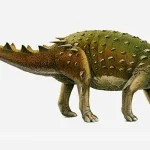
Name Origin
Derived from Minmi Crossing (A landmark near the discovery site)
Family
Ankylosauridae
Classification
Diapsida, Ornithischia, Thyreophora
Habitat (Discovery Location)
Australia
Period
Approximately 119–113 million years ago (Early Cretaceous)
Length
Approximately 2–3 meters
Weight
Approximately 300 kg
Diet
Herbivore
You might also like... 

-
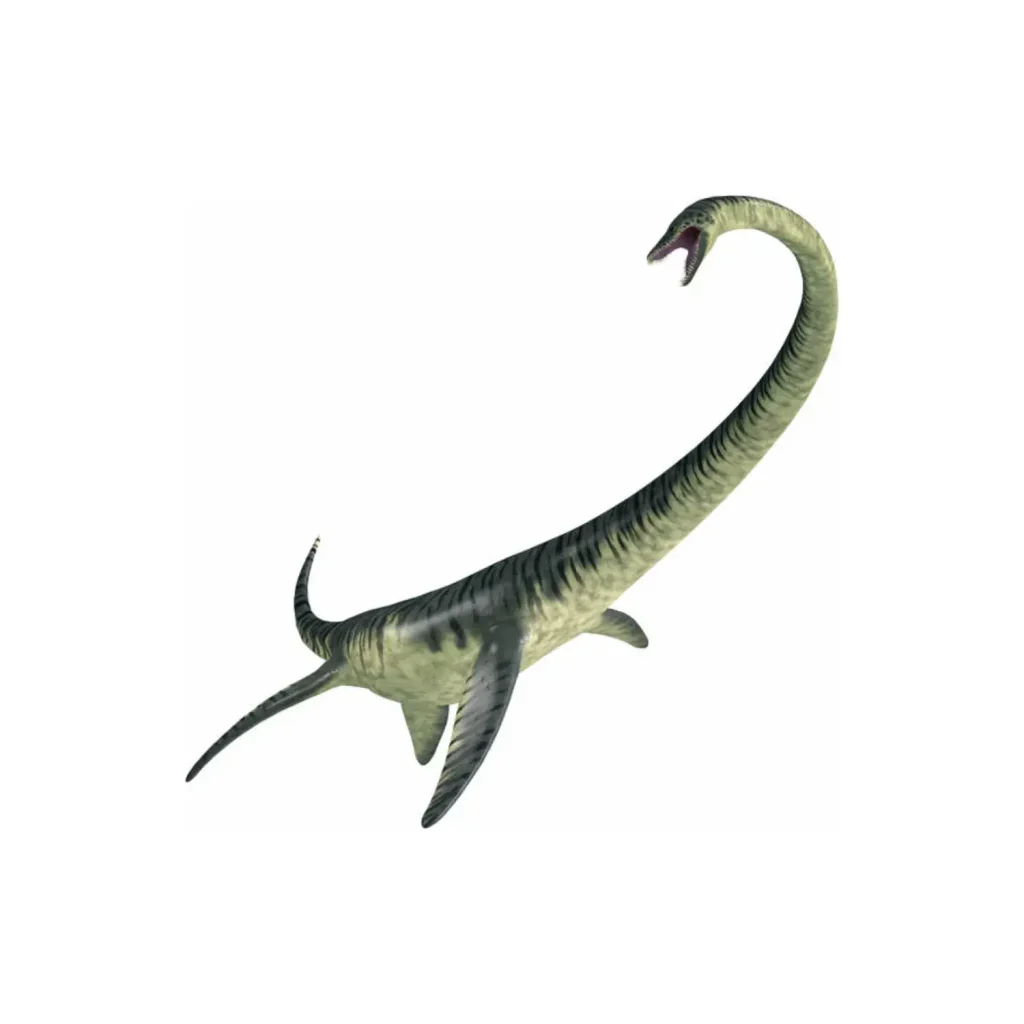
 Elasmosaurus
- Classification
- Marine reptiles
- Characteristics
- Carnivorous
- Era
- Cretaceous period
- Ornitholestes
- Classification
- Theropods
- Characteristics
- Carnivorous
- Era
- Jurassic period
- Yangchuanosaurus
- Classification
- Theropods
- Characteristics
- Carnivorous
- Era
- Jurassic period
- Liliensternus
- Classification
- Theropods
- Characteristics
- Carnivorous
- Era
- Triassic period
-
Sponsored Links
-
Sponsored Links




![[Latest Research] What Was the Function of Spinosaurus's Giant "Sail"? Exploring the Mysteries of Thermoregulation and Underwater Locomotion](https://dinosaurmuseum.jp/wp/wp-content/uploads/eyecatch_spinosaurus-sail-function_en-1024x512.webp)
![[Latest Discovery] A Third Type of Skin, Neither Scales Nor Feathers? Meet "Haolong dongi," a New Dinosaur Species Covered Entirely in Spikes](https://dinosaurmuseum.jp/wp/wp-content/uploads/eyecatch_dinosaur-spiky-skin-discovery_en-1024x512.webp)

Description
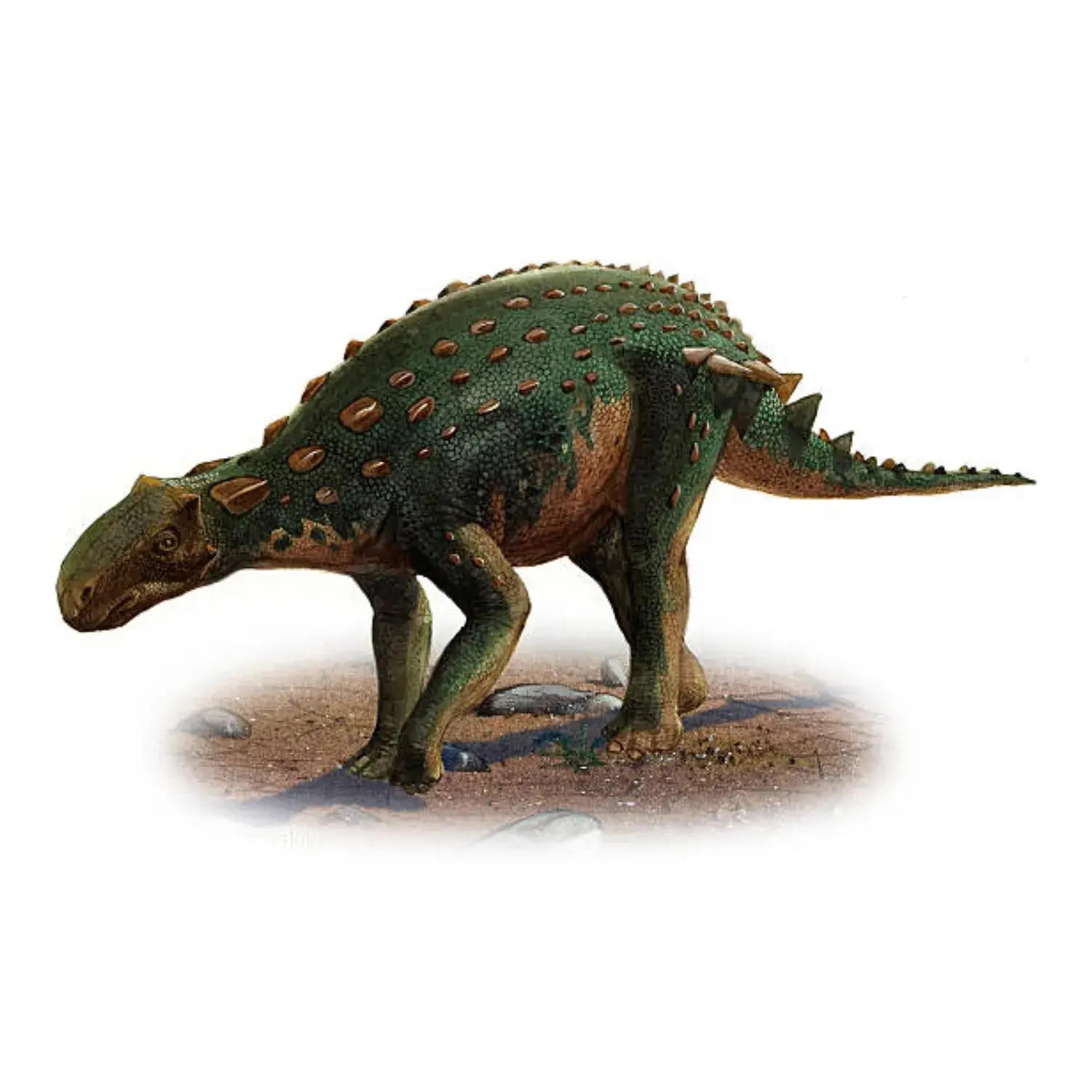
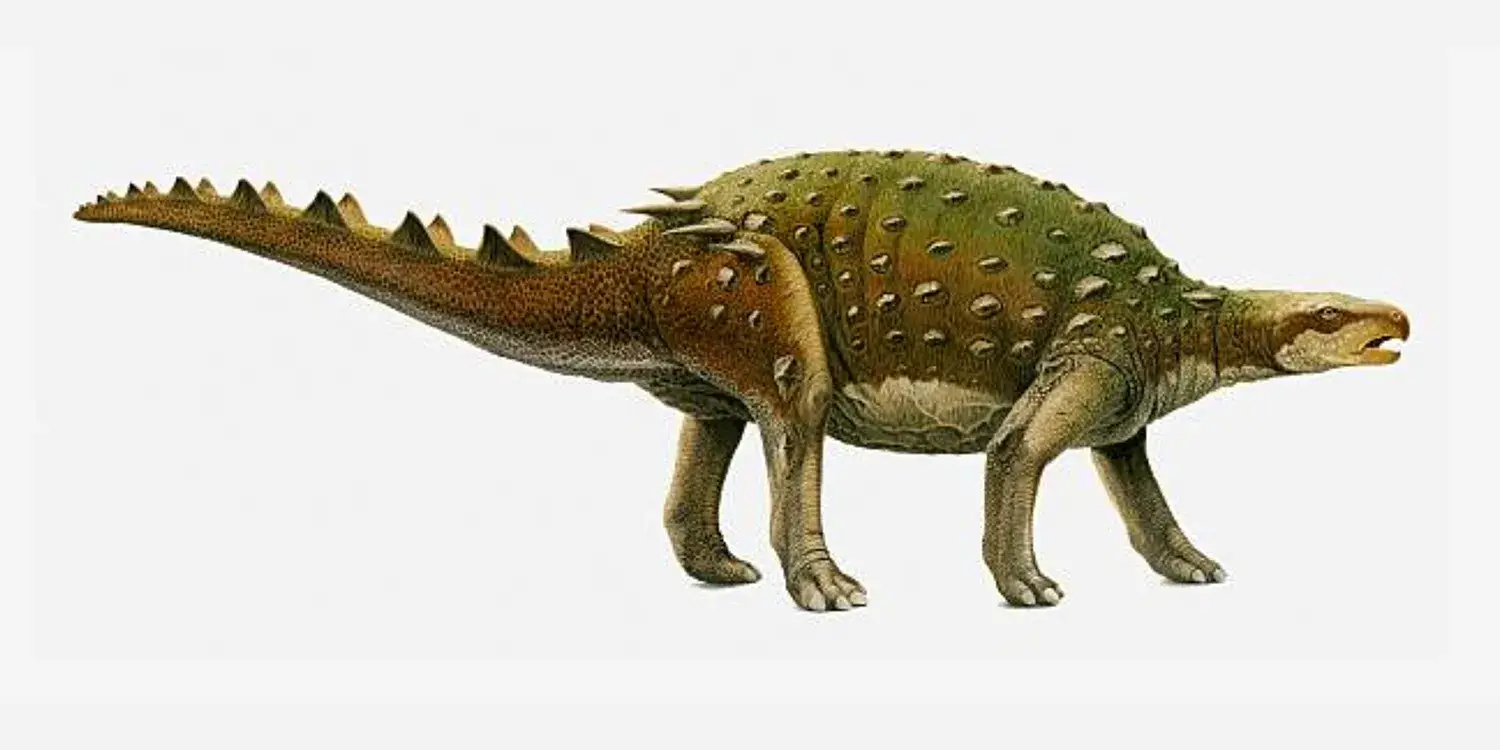
During the Early Cretaceous, the Australian continent was home to “living tanks” that had evolved uniquely, differing from the Ankylosaurus of the Northern Hemisphere.
For many years, “Minmi” has been familiarly known as the prime example of this group.
While Minmi is known for its “full armor” appearance, with plating covering even its belly, recent research has revealed that the fossil long thought to be the “perfect Minmi” was actually a “different dinosaur” altogether.
Features of the “Full Armor” Protecting Even the Belly
The greatest characteristic of the dinosaur once introduced as “Minmi” (now primarily considered Kunbarasaurus) is its thorough defense system.
While the abdomen is usually a weak point for armored dinosaurs, they overturned this norm.
Abdominal Armor
Not only on the back, but hexagonal bony armor (small bone ossicles) was also densely embedded in the skin of the belly.
Bony Eyelids
In addition to bones protecting the throat, they even possessed “eyelids (palpebral bones)” made of bone.
Agility
Small at about 2 to 3 meters in length, it is believed that despite their heavily armored equipment, they could move quite nimbly due to the structure of their legs.
It was truly “full armor with no weak points,” but the perfect fossil possessing these features actually did not belong to Minmi.
Shocking Truth: The Minmi in Picture Books Was “Kunbarasaurus”
For many years, Minmi was famous as a “dinosaur with a well-preserved full skeleton.”
However, a re-examination in 2015 revealed that two different dinosaurs had been confused.
The Real “Minmi” (Described in 1964)
The fossil originally described as Minmi was actually very fragmentary, consisting only of parts of the backbone and ribs.
All we really know about the true Minmi is that it had reinforcing bony plates called “paravertebrae” alongside its spine; details such as the face and the arrangement of its body armor are actually not well understood.
New Species “Kunbarasaurus” (Described in 2015)
On the other hand, the model for the “perfect Minmi with remaining full-body armor” we have seen in illustrated reference books was a different specimen discovered in 1989.
Because the skeletal features differed, this specimen was given the new scientific name “Kunbarasaurus,” meaning “shield” in an Australian Aboriginal language.
In other words, the “complete form with armor down to the belly” was accurately a characteristic of Kunbarasaurus.
Time Capsule! Kunbarasaurus With Stomach Contents Preserved
Kunbarasaurus, the “former complete Minmi,” is an astonishing fossil that can be called a time capsule locking in ancient information.
The Last Supper
Fossils of chewed ferns, seeds, and fruits have been found where the stomach used to be, revealing its specific diet.
Brain Structure
Since the skull remained perfect, CT scans have revealed the structure of the brain, inner ear, and even the complex nasal cavity.
Origin of the Name and Unique Evolution on Gondwana
Origin of “Minmi”
The cute-sounding name is derived from “Minmi Crossing” near the discovery site.
The name also remains in the geological formation name “Minmi Member,” and it is a monumental armored dinosaur as the first reported in the Southern Hemisphere.
A Group Unique to Gondwana
Minmi and Kunbarasaurus possess unique characteristics (primitive points such as slender shoulder bones and retained pubic bones) that differ from both Ankylosauridae and Nodosauridae.
In recent years, unique armored dinosaurs have been discovered one after another in the Southern Hemisphere (Gondwana), such as Antarctopelta in Antarctica and Stegouros in Chile. They are considered members of a group that underwent unique evolution on isolated continents.