
Stenonychosaurus
Name Origin
Narrow-Clawed Lizard
Family
Troodontidae
Classification
Diapsida, Saurischia, Theropoda
Habitat (Discovery Location)
Canada
Period
Late Cretaceous
Length
Approximately 2.4–2.5 meters
Weight
Approximately 35 kilograms
Diet
Carnivore (Meat-eater)
TODAY'S QUIZ
Correct answer = 1 coin
What did a 2025 study propose regarding the classification of Stenonychosaurus and Troodon?
Loading…
You might also like... 

-
 Amargasaurus
- Classification
- Sauropods
- Characteristics
- Herbivorous
- Era
- Cretaceous period
- Iguanodon
- Classification
- Ornithopoda
- Characteristics
- Herbivorous
- Era
- Jurassic period
- Cretaceous period
- Caihong
- Classification
- Theropods
- Characteristics
- Carnivorous
- Feathered
- Era
- Jurassic period
- Phuwiangosaurus
- Classification
- Sauropods
- Characteristics
- Herbivorous
- Era
- Cretaceous period
-
Sponsored Links
-
Sponsored Links














Description
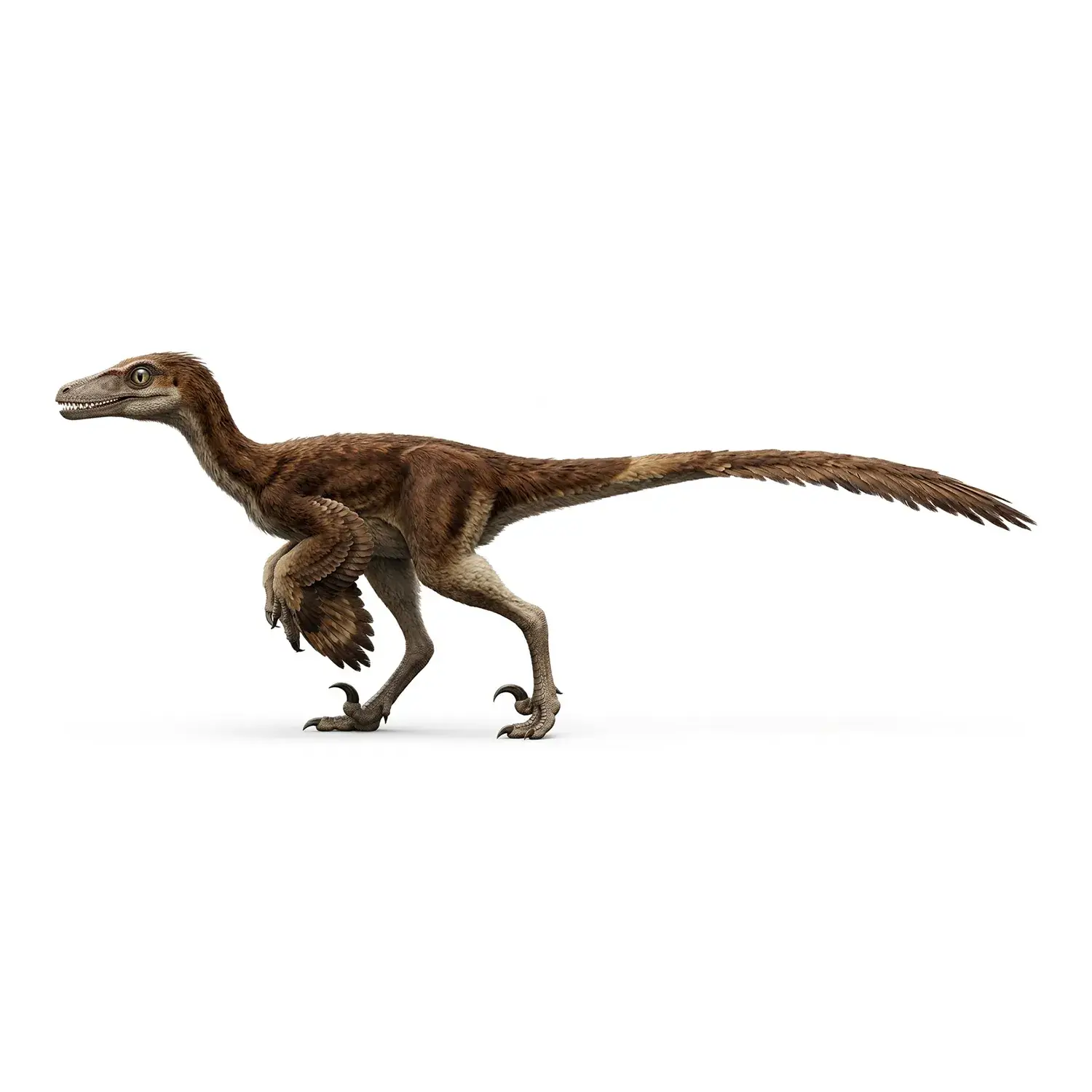
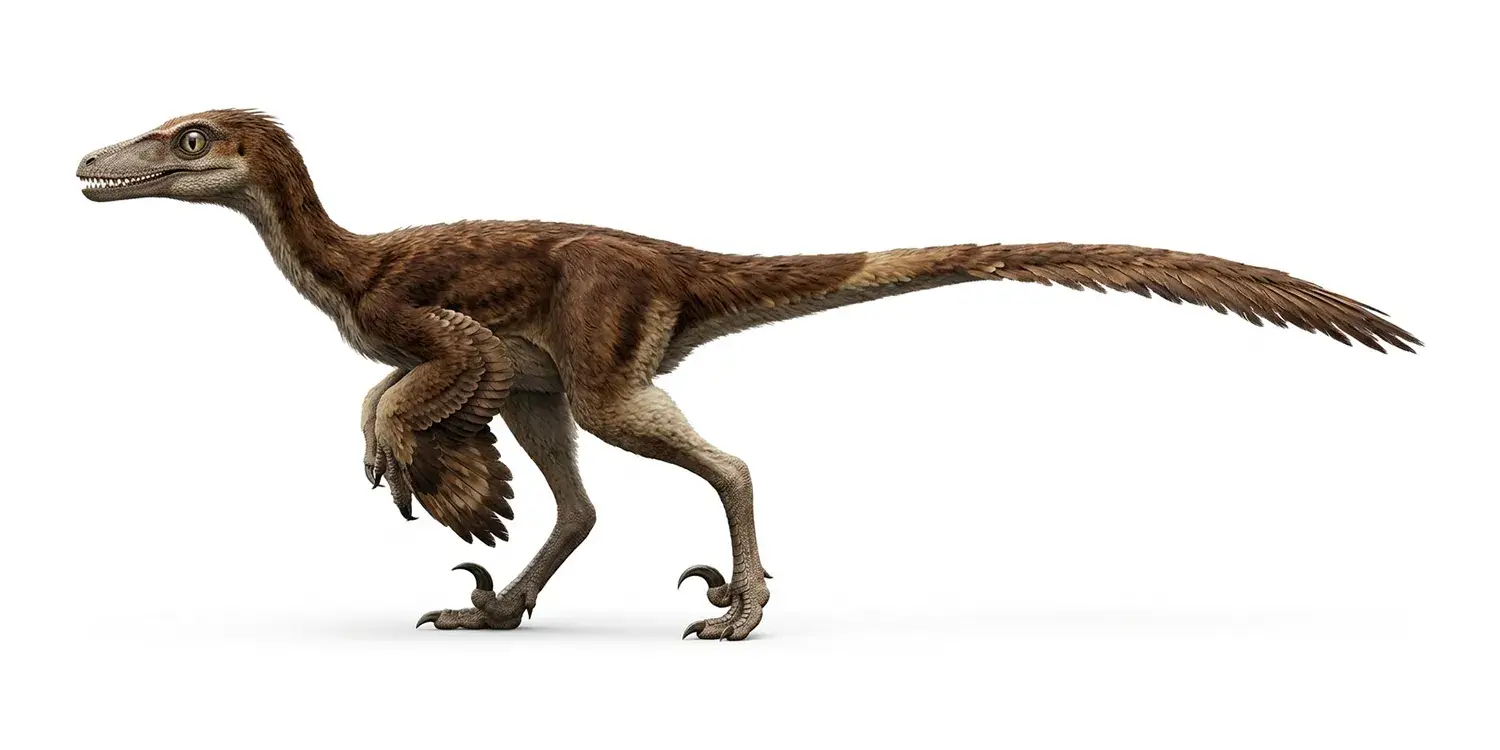
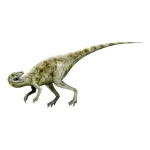
Stenonychosaurus was a small theropod dinosaur belonging to the troodontid family that lived in North America during the Late Cretaceous.
It is estimated to have measured approximately 2.5 m (8.2 ft) in length and weighed around 35 kg (77 lbs). Its distinctive features included long hind limbs, large eyes, and a relatively large brain.
Its jaws contained numerous small teeth, and their shape has led researchers to suggest that it may have been omnivorous.
It also had a sickle-shaped claw on the second toe of each foot and is thought to have been capable of moving quickly.
Stenonychosaurus is also a dinosaur whose classification has been revised repeatedly as new fossils have been discovered and research has advanced.
For many years, it was considered to belong to the same genus as another dinosaur, Troodon, but in 2017 it was once again recognized as a distinct genus.
However, a study published in 2025 supported retaining the name Troodon, and debate over its classification continues.
Basic Facts About Stenonychosaurus
Stenonychosaurus was a theropod that lived in North America during the Late Cretaceous.
Its fossils have been found primarily in the Dinosaur Park Formation in Alberta, Canada. One of the best-known species is Stenonychosaurus inequalis.
Its scientific name means “narrow-clawed lizard.”
It was formally described in 1932 by paleontologist Charles Hazelius Sternberg.
The first specimens discovered were fragmentary, consisting of parts of the hind limbs and forelimbs, along with some trunk vertebrae.
As research progressed, more details about its skeleton, including its skull and braincase, gradually became clear.
Stenonychosaurus is estimated to have measured approximately 2.4–2.5 m (7.9–8.2 ft) in length and weighed around 35 kg (77 lbs).
It was relatively large for a troodontid and was a bipedal dinosaur with long, slender hind limbs.
Physical Characteristics of Stenonychosaurus
Long Hind Limbs and Sharp Sickle-Shaped Claws
One of the physical characteristics of Stenonychosaurus was its well-developed hind limbs.
Its leg bones were long and slender, suggesting that its body was adapted for running quickly.
Its lightweight body and long hind limbs may have given it greater agility when chasing prey or escaping from danger.
It also had a curved, sickle-shaped claw on the second toe of each foot.
This toe is thought to have been adapted so that the claw could be raised off the ground while walking.
Large Eyes and Well-Developed Vision
Stenonychosaurus had large eyes, with relatively large, well-developed eye sockets.
Because its eyes faced slightly forward, it is thought to have had some degree of binocular vision, allowing overlapping fields of view to help it judge distances.
Its large eyes and visual characteristics provide important clues about its lifestyle and activity patterns.
Some researchers have suggested that it may have been active at night, although eye size alone cannot establish that it was nocturnal.
Did Stenonychosaurus Have a Large Brain? Its Intelligence and Brain Size
One reason Stenonychosaurus has attracted particular attention is that its brain was relatively large compared with its body size.
Studies of the shape of its braincase suggest that Stenonychosaurus had a relatively well-developed brain compared with many other non-avian dinosaurs.
What Did Stenonychosaurus Eat? The Possibility of an Omnivorous Diet
Researchers have suggested that Stenonychosaurus may have been an omnivore that ate plants as well as meat.
One reason for this hypothesis is the shape of its teeth.
Stenonychosaurus had numerous small teeth, with well-developed serrations along their edges, a feature commonly associated with the teeth of carnivorous dinosaurs.
However, its serrations had some characteristics that differed from those of typical carnivorous dinosaurs.
This tooth structure may also have been suitable for processing tough plant material, making it an important clue when estimating the dinosaur’s diet.
Stenonychosaurus may have used its keen vision and claws to catch small animals while also feeding on plants.
However, the exact types and quantities of food it consumed remain uncertain.
The Taxonomic History of Stenonychosaurus and Troodon
Stenonychosaurus is a notable example of how the classification of dinosaurs can change substantially as scientific research advances.
Inclusion in the Genus Troodon in 1987
Stenonychosaurus was first described as a new genus in 1932. In 1987, paleontologist Philip Currie included it in the genus Troodon.
Under this interpretation, Stenonychosaurus was treated as a synonym of Troodon, meaning that the two names referred to the same taxonomic group.
This interpretation was widely accepted for many years.
However, Troodon was originally described based only on fossilized teeth.
As a result, researchers began to point out the difficulties involved in distinguishing different troodontid dinosaurs based on teeth alone.
Recognition as a Distinct Genus in 2017
In 2017, a study that reassessed the classification of troodontid dinosaurs reinstated Stenonychosaurus as a valid genus.
The same study assigned some specimens previously identified as Stenonychosaurus to a new genus called Latenivenatrix.
A New Proposal for Reassessment in a 2025 Study
In 2025, a paper was published that reexamined troodontid specimens from Canada and the United States.
The study proposed retaining the name Troodon formosus as the preferred name over Stenonychosaurus inequalis.
To stabilize the classification, the researchers also proposed designating a specimen discovered in the Two Medicine Formation of Montana as the neotype, or new type specimen, of Troodon.
In other words, the name Stenonychosaurus, which had been reinstated in 2017, was once again subject to reassessment in the 2025 study.
However, taxonomic issues involving the designation of a neotype and related questions are still in the process of being resolved through further research and formal procedures.
The history of the name and classification of Stenonychosaurus is therefore about more than simply changing a name.
It illustrates a major challenge in paleontology: how to identify and classify dinosaur species based on fragmentary fossil evidence.