
Alioramus
Name Origin
Different branch
Family
Tyrannosauridae
Classification
Diapsida, Saurischia, Theropoda
Habitat (Discovery Location)
Mongolia
Period
Approximately 73 to 68 million years ago (Late Cretaceous)
Length
Approximately 5 to 6 meters
Weight
Approximately 1 to 1.5 tons
Diet
Carnivore (Meat-eater)
You might also like... 

-
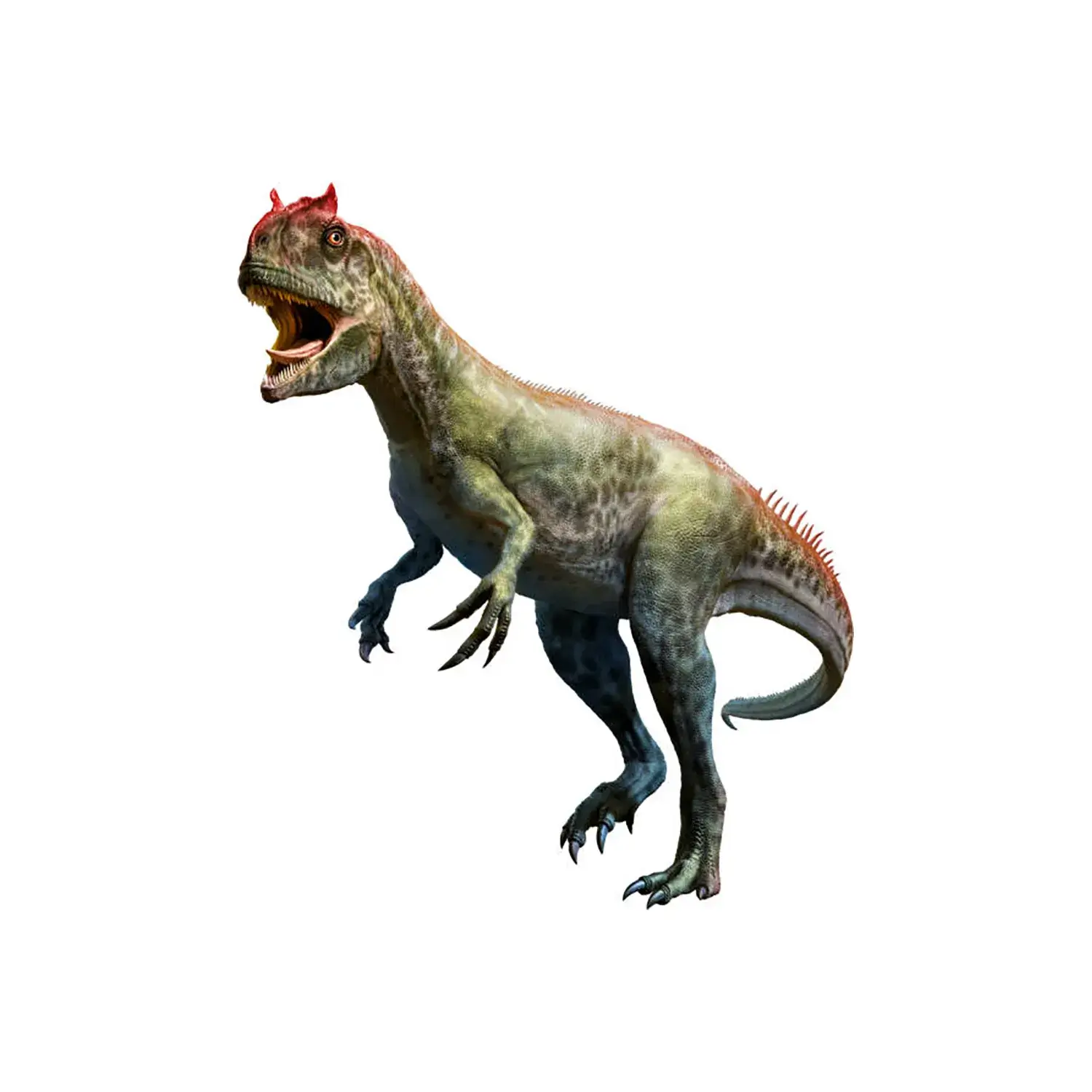
 Stygimoloch
- Classification
- Marginocephalia
- Characteristics
- Herbivorous
- Era
- Cretaceous period
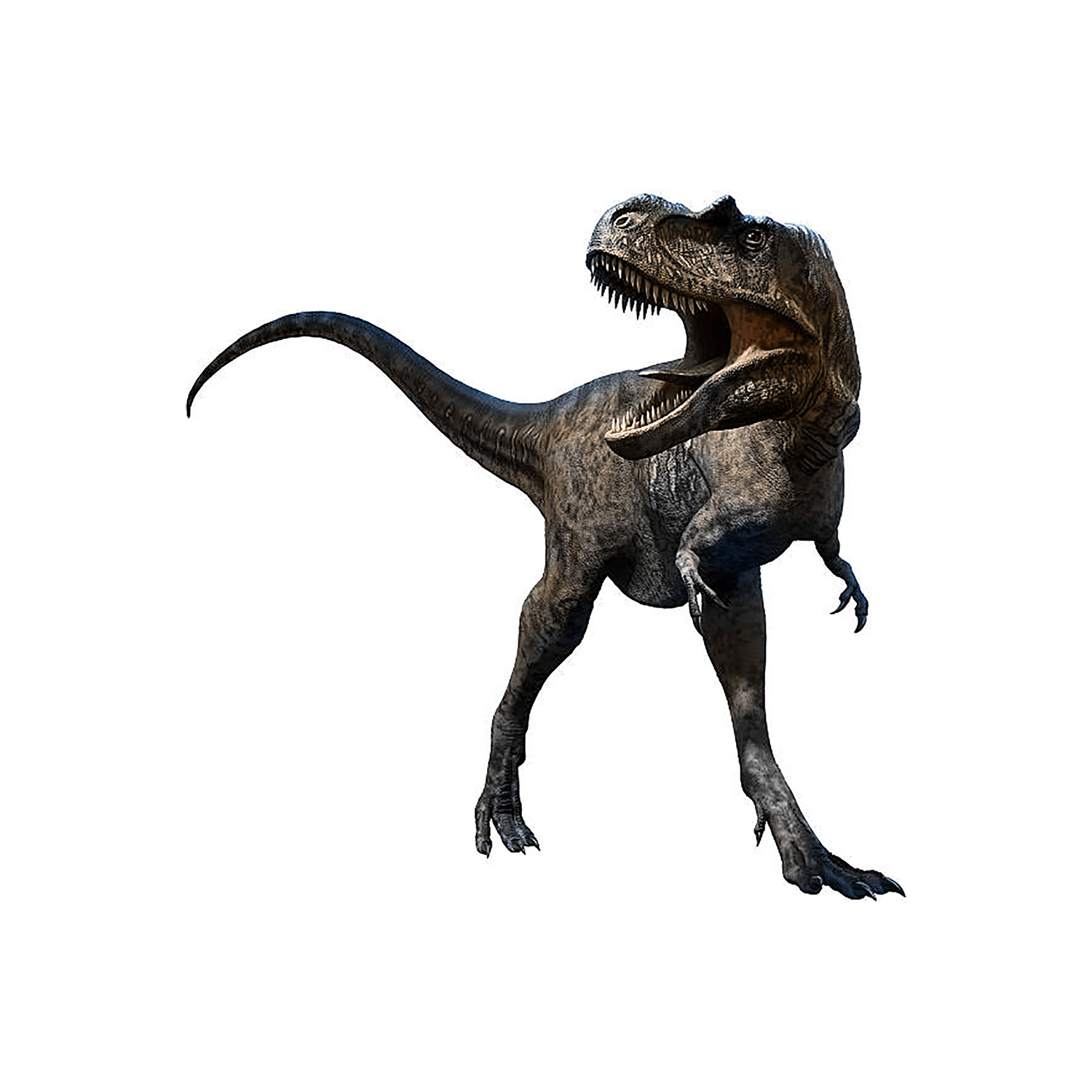
- Zhuchengtyrannus
- Classification
- Theropods
- Characteristics
- Carnivorous
- Era
- Cretaceous period
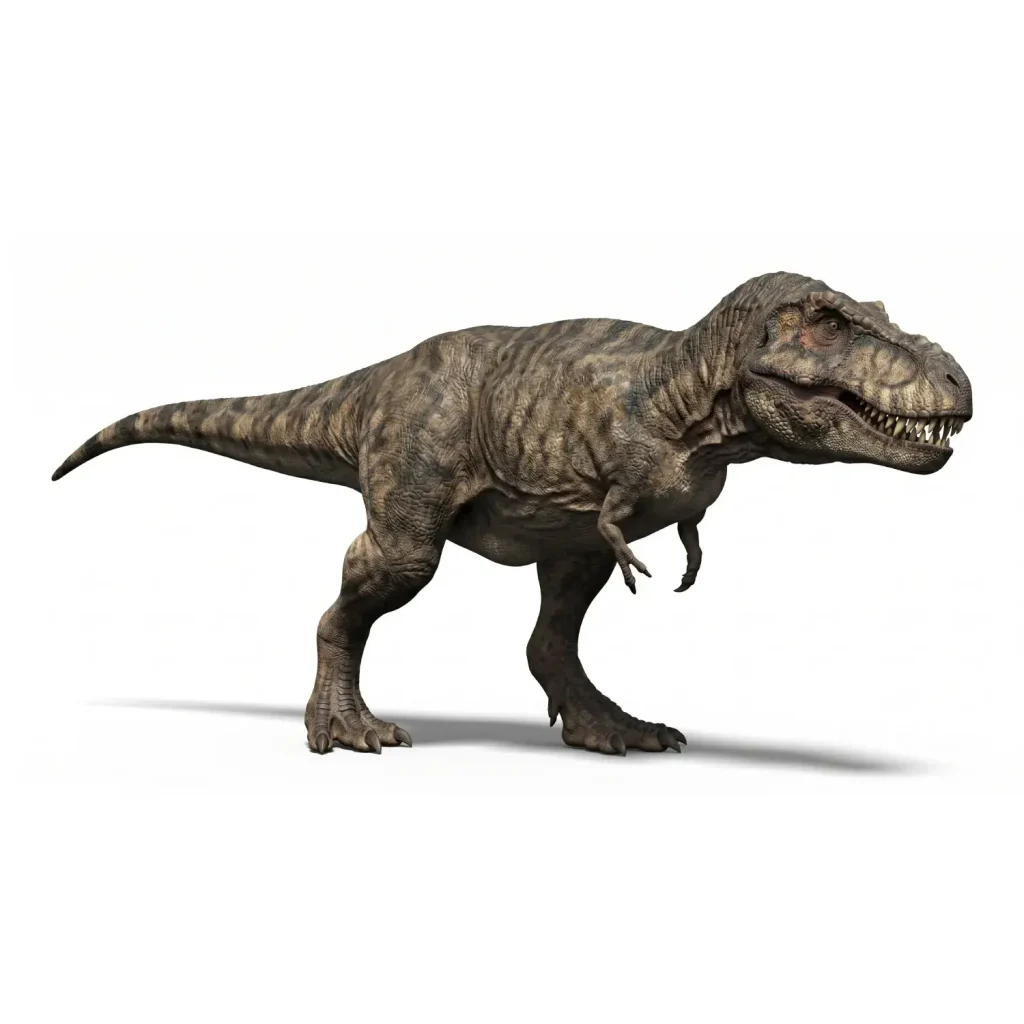
- Pyroraptor
- Classification
- Theropods
- Characteristics
- Carnivorous
- Era
- Cretaceous period
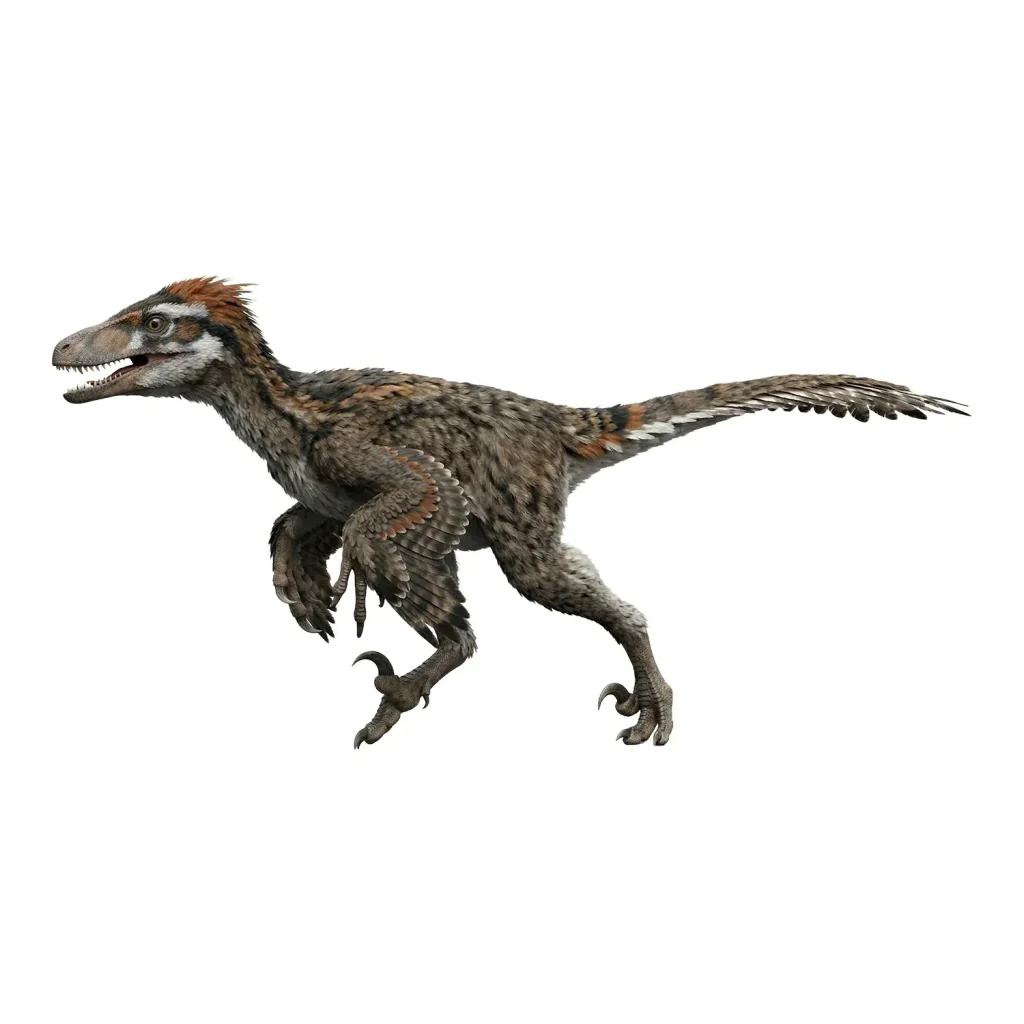
- Dubreuillosaurus
- Classification
- Theropods
- Characteristics
- Carnivorous
- Era
- Jurassic period
-
Sponsored Links
-
Sponsored Links








![[Latest Research] What Was the Function of Spinosaurus's Giant "Sail"? Exploring the Mysteries of Thermoregulation and Underwater Locomotion](https://dinosaurmuseum.jp/wp/wp-content/uploads/eyecatch_spinosaurus-sail-function_en-1024x512.webp)
![[Latest Discovery] A Third Type of Skin, Neither Scales Nor Feathers? Meet "Haolong dongi," a New Dinosaur Species Covered Entirely in Spikes](https://dinosaurmuseum.jp/wp/wp-content/uploads/eyecatch_dinosaur-spiky-skin-discovery_en-1024x512.webp)

Description
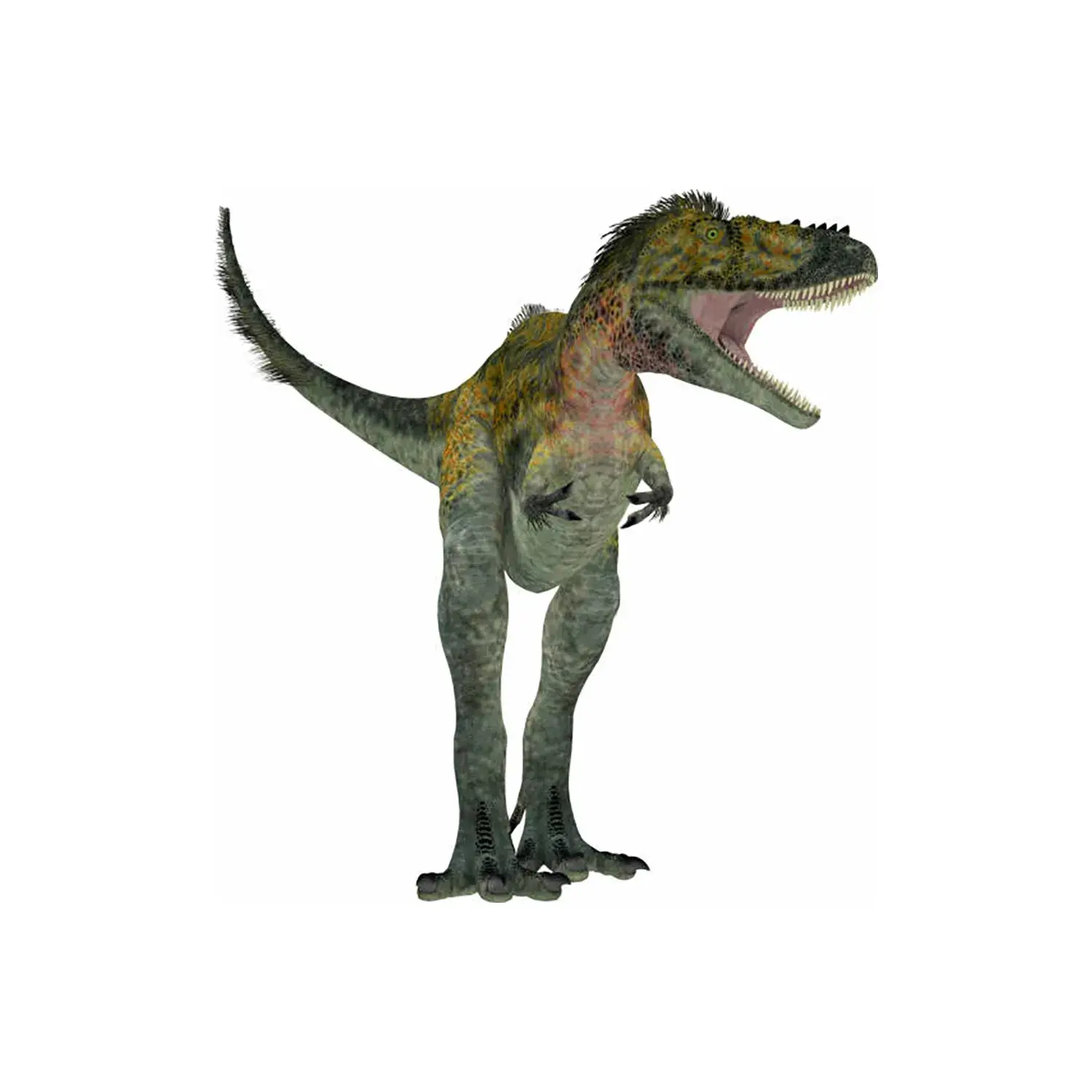
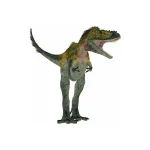
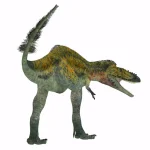
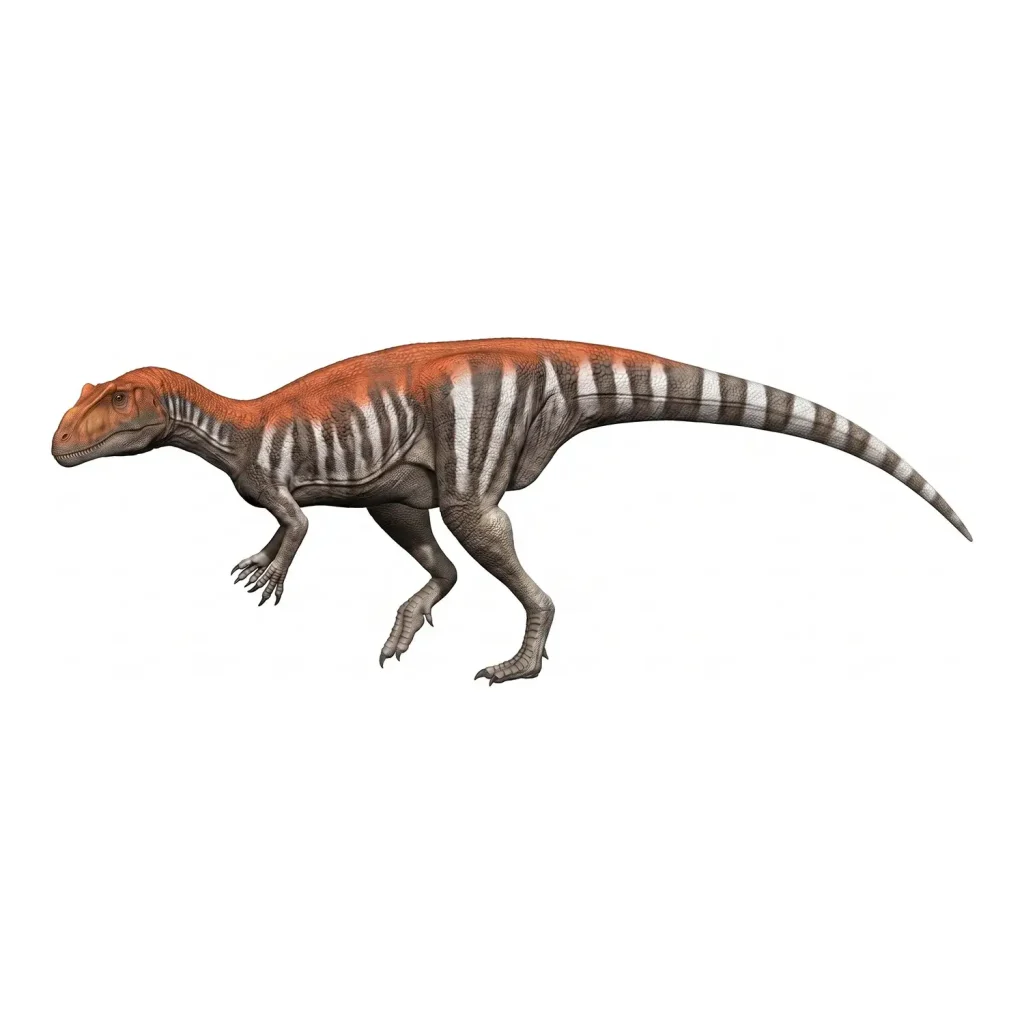
Alioramus was a carnivorous dinosaur that lived in Mongolia during the Late Cretaceous period.
Although it belongs to the Tyrannosauridae family, it possesses highly unique characteristics that differ greatly from its famous relatives.
Its genus name means “different branch,” derived from the fact that it followed a distinct evolutionary path.
An Elongated Snout and Six Horns Symbolizing Its “Outlier” Status
Although a complete full-body skeleton of Alioramus has not yet been found, the discovered skulls and other remains reveal that it had an extremely peculiar appearance.
An Exceptionally Slender Snout for a Carnivorous Dinosaur
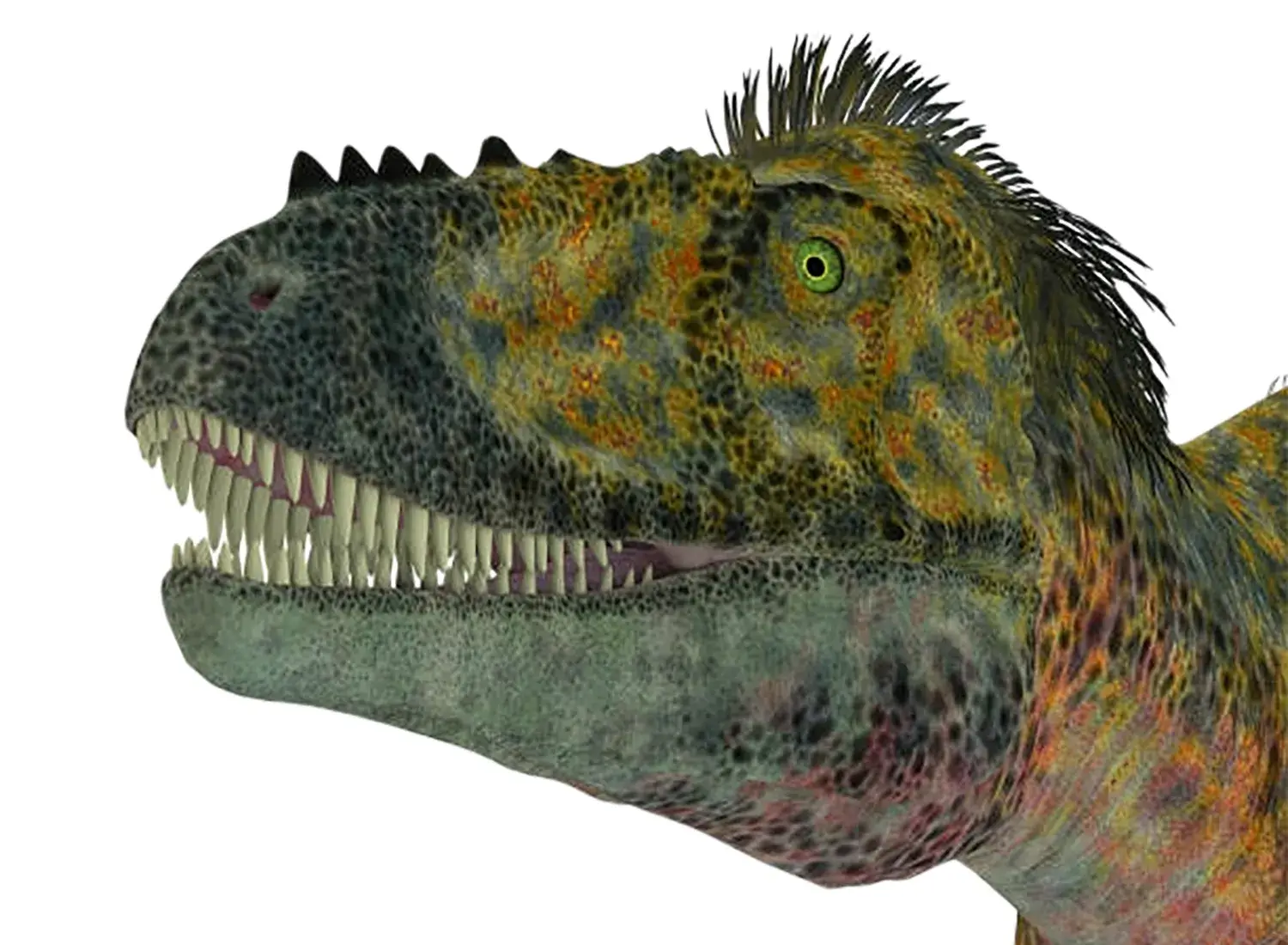
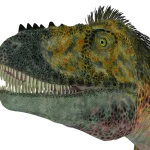
While the Tyrannosauridae family is characterized by massive, thick skulls, the skull of Alioramus (about 70 cm or 27.6 inches long) was narrow vertically and elongated horizontally, giving it a highly “slender” profile.
Small Horns Lined Up Along Its Snout
A row of six (or five, depending on the species) small bony projections (horns) lined the top of its snout.
A row of small bony projections lined the top of its snout
These lacked the strength to be used as weapons and are thought to have functioned as visual signals for individual recognition among herd members or as display ornaments during the mating season.
“High-Speed, Precision Hunting” Enabled by a Lightweight Body
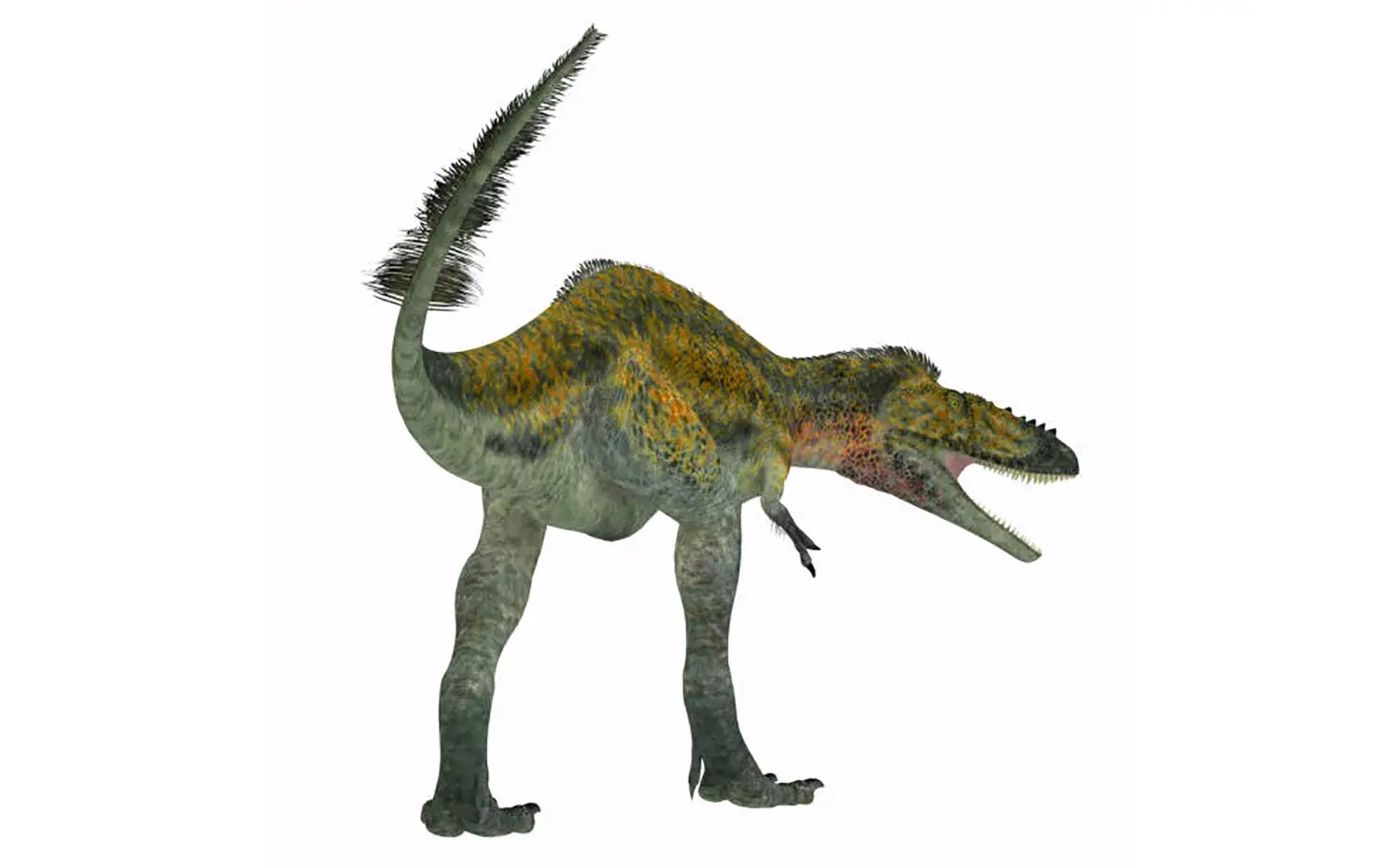
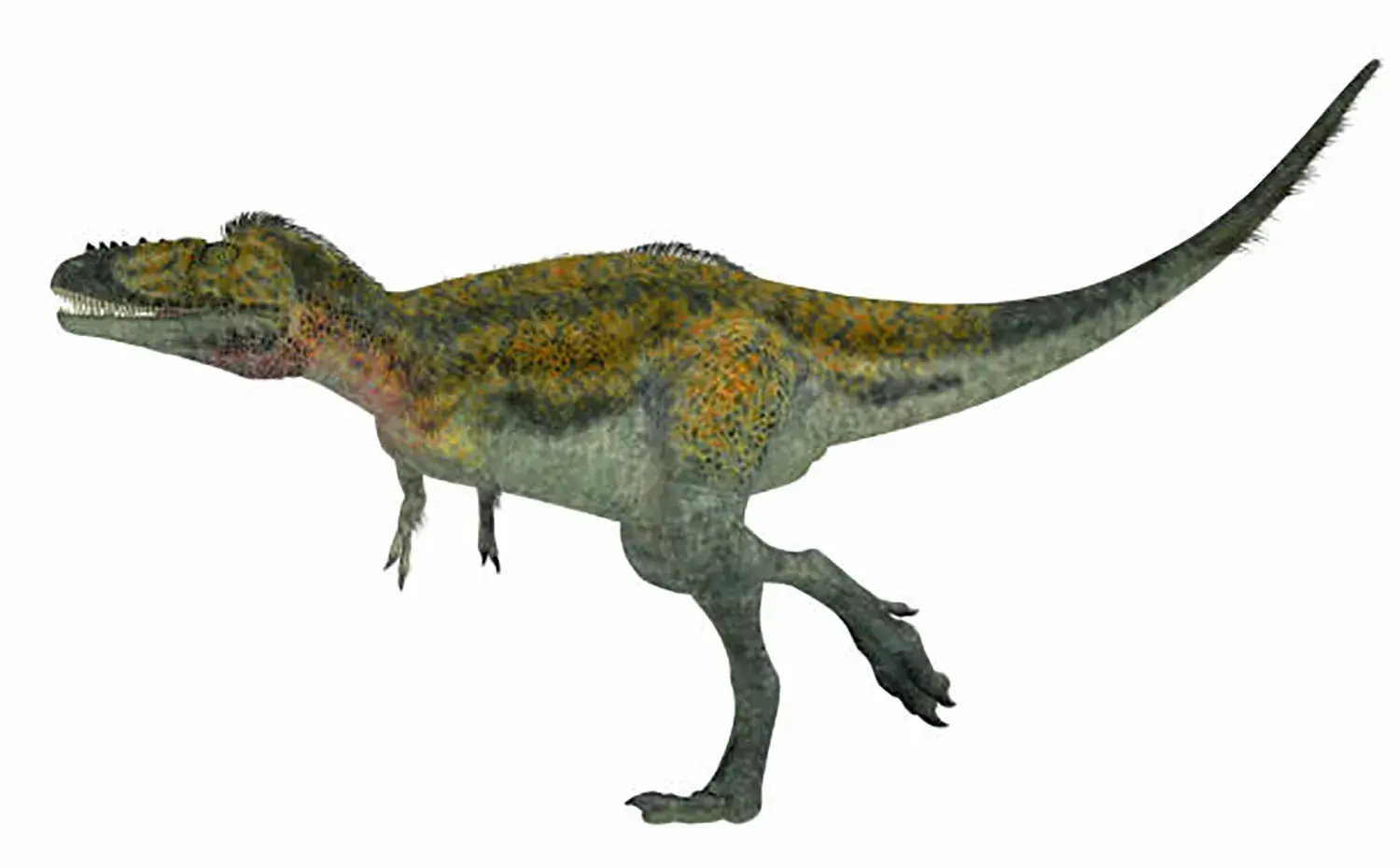
Compared to giant carnivorous dinosaurs, Alioramus was a relatively small, slenderly built, medium-sized predator.
This physique was an adaptation that allowed it to specialize as a “high-speed, precision hunter of small prey.”
76 to 78 Sharp Teeth
Its jaws were slender and lacked bone-crushing power, but it efficiently sliced through flesh using about 76 to 78 blade-like teeth—more than any other tyrannosaur species.
Hind Limbs Specialized for Agility
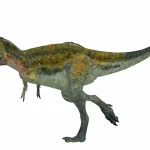
In contrast to the giant species, its hind limbs were long, specializing in agility and speed.
Its hind limbs were long, specializing in agility and speed.
Coexistence Strategy with Its Rival, Tarbosaurus
Why did it undergo such a unique evolution?
The answer lies in the habitat of the time.
In Mongolia during the same period and region, a larger, more robust tyrannosaur named “Tarbosaurus” reigned as the apex predator.
Alioramus chose a path of coexistence by avoiding head-on competition for prey. By targeting “small, fast-moving animals” that Tarbosaurus rarely bothered with, it secured a completely different ecological niche.
“Advanced Hunting Capabilities” Revealed Through Classification and Brain Analysis
For a long time, its classification was unclear, and some theorized it was merely a “fossil of a juvenile Tarbosaurus.” However, with the discovery of the well-preserved Alioramus altai species, it was confirmed as an independent genus belonging to the Tyrannosaurinae subfamily.
Together with Qianzhousaurus from China, it forms the tribe “Alioramini.”
The Diversity of the Tyrannosauridae Family
This discovery showed that the evolution of the Tyrannosauridae family was not a single, straight path toward becoming “bigger and stronger.” Instead, in Asia, they branched into two distinct morphotypes: “robust giant predators” and “slender medium-sized predators.”
It has also been pointed out that the Alioramini tribe possessed paedomorphic qualities, meaning their facial shape did not change significantly as they grew, retaining juvenile features.
Capabilities Revealed by a Digitized Brain
A digital 3D model of its brain was created using CT scans of the holotype specimen.
The analysis revealed that the space for the “flocculus” (a part of the cerebellum responsible for balance, agility, and coordinating eye and head movements) was notably large.
This provided strong neurological evidence that it possessed “advanced motor control” and an “acute sense of balance”—essential for tracking down and catching fast-moving prey without losing visual focus.
The Greatest Mystery: Its Unseen “Adult Form”
While many facts about Alioramus have been uncovered, the greatest mystery actually remains.
That is: “all the fossils discovered so far are believed to be from young individuals (juveniles to subadults).”
No one knows what a fully grown, true “adult Alioramus” actually looked like.
We eagerly await the day when an undiscovered fossil finally reveals the “complete form” of this evolutionary outlier.