
Tambatitanis
Name Origin
Giantess of the Tamba region
Classification
Diapsida, Saurischia, Sauropodomorpha
Habitat (Discovery Location)
Japan
Period
Approximately 140 to 120 million years ago (Early Cretaceous)
Length
Approximately 12 to 15 meters
Diet
Herbivore (Plant-eater)
You might also like... 

-
 Torvosaurus
- Classification
- Theropods
- Characteristics
- Carnivorous
- Era
- Jurassic period
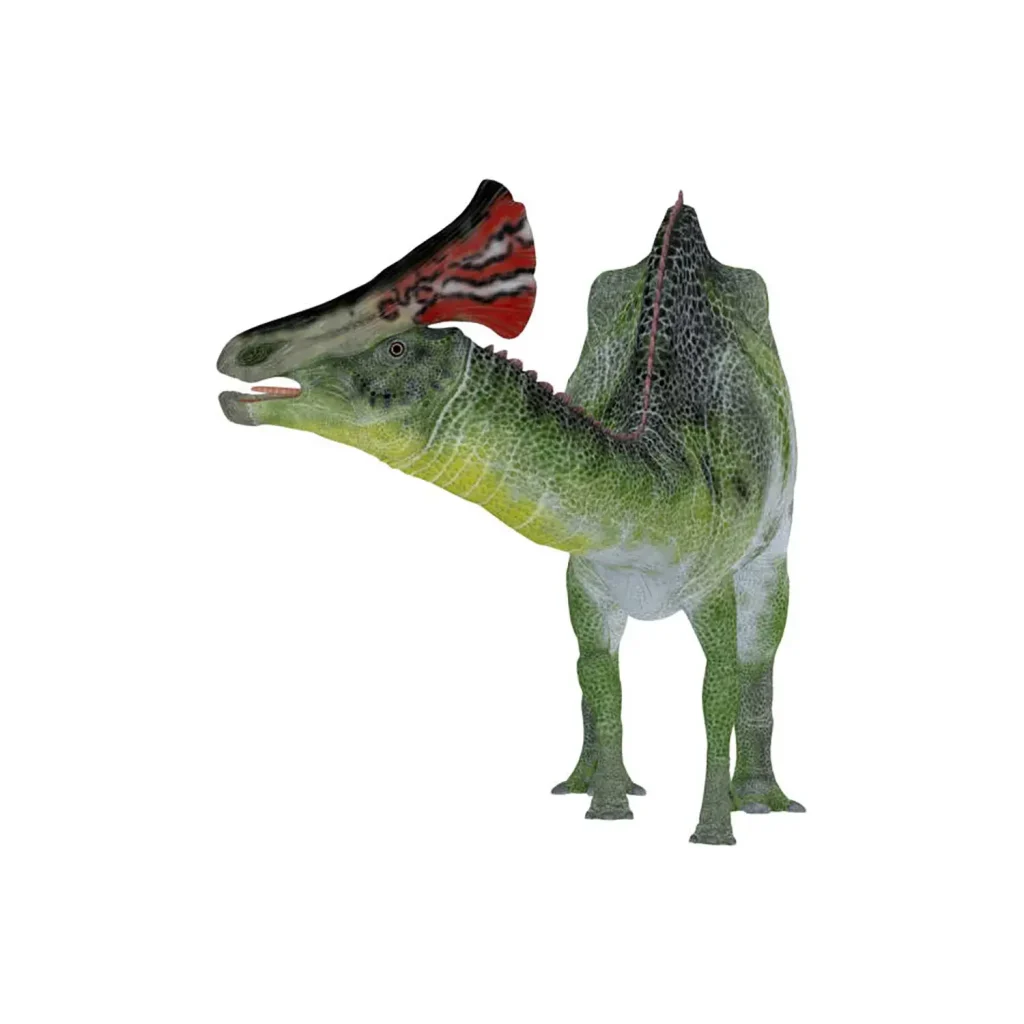
- Olorotitan
- Classification
- Ornithopoda
- Characteristics
- Herbivorous
- Era
- Cretaceous period
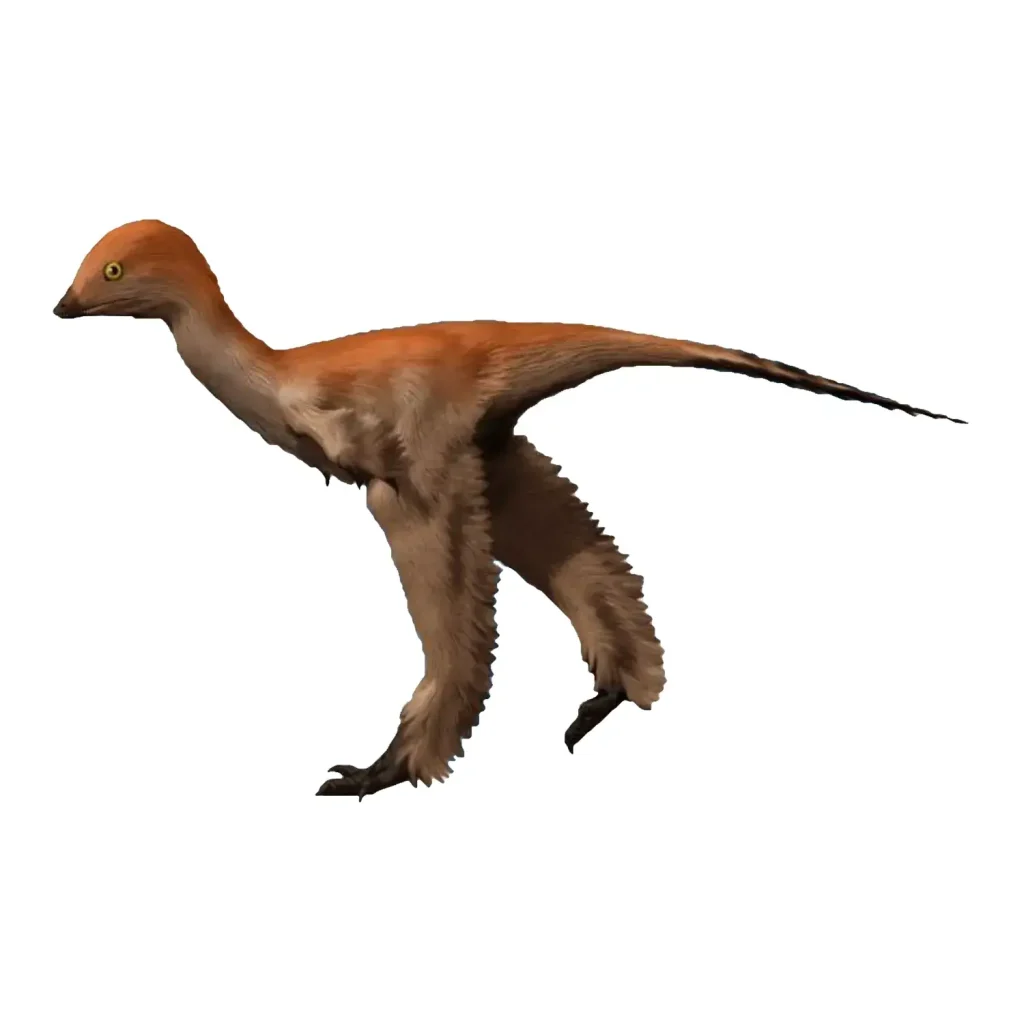
- Mei
- Classification
- Theropods
- Characteristics
- Carnivorous
- Era
- Cretaceous period
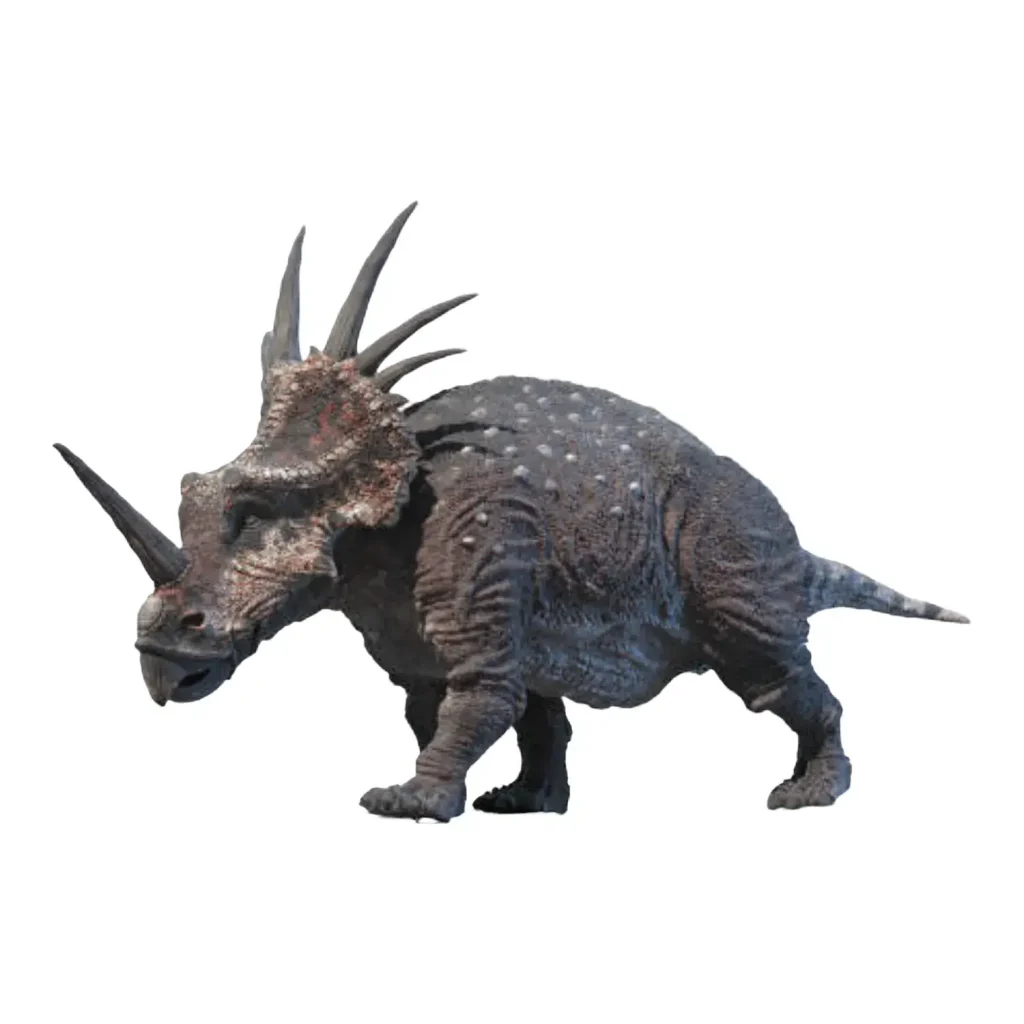
- Styracosaurus
- Classification
- Marginocephalia
- Characteristics
- Herbivorous
- Era
- Cretaceous period
-
Sponsored Links
-
Sponsored Links










![[Latest Research] What Was the Function of Spinosaurus's Giant "Sail"? Exploring the Mysteries of Thermoregulation and Underwater Locomotion](https://dinosaurmuseum.jp/wp/wp-content/uploads/eyecatch_spinosaurus-sail-function_en-1024x512.webp)
![[Latest Discovery] A Third Type of Skin, Neither Scales Nor Feathers? Meet "Haolong dongi," a New Dinosaur Species Covered Entirely in Spikes](https://dinosaurmuseum.jp/wp/wp-content/uploads/eyecatch_dinosaur-spiky-skin-discovery_en-1024x512.webp)



Description
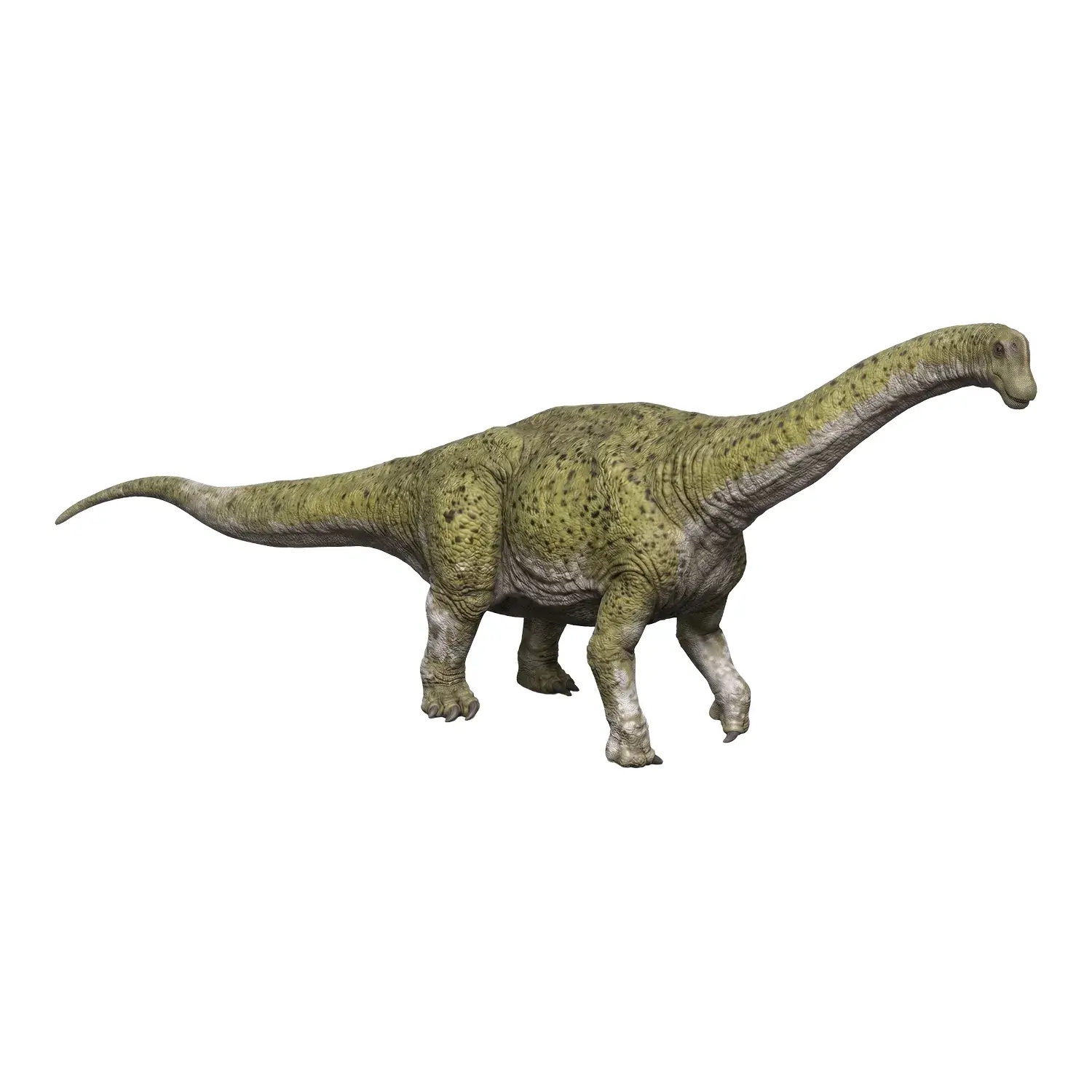
Tambatitanis lived on the Japanese archipelago during the Early Cretaceous period, approximately 140 to 120 million years ago.
Discovered in the Sasayama Group in Hyogo Prefecture and affectionately known for a long time by the nickname “Tamba-ryu” (Tamba Dragon), this dinosaur boasts one of the largest sizes among all dinosaurs discovered in Japan.
Bones Protruding from an Outcrop and a Scientific Name Symbolizing “Friendship”
The first Tambatitanis fossils were discovered in August 2006 when a rib bone was found protruding from a surface outcrop.
Through continuous excavation efforts that followed, articulated sections of the tail and pelvis, dorsal vertebrae, and even a partial skull have been unearthed.
The Heartwarming Meaning Behind Its Scientific Name
It was officially named as a new genus and species of dinosaur in 2014.
The genus name “Tambatitanis” is derived from the discovery site, Tamba, and its classification as a titanosauriform.
The specific name “amicitiae” holds a wonderful meaning, commemorating the “friendship” between the two individuals who first discovered its fossils.
Japan’s Largest Giant and a Unique Skeleton that Unlocks Evolutionary Mysteries
Its estimated length is 12 to 15 meters (39 to 49 feet).
While this is considered medium-sized among sauropodomorphs worldwide, it is exceptionally huge among known Japanese dinosaurs.
Although positioned as a “titanosauriform” closely related to species like China’s “Euhelopus,” it also possesses 8 confirmed unique physical characteristics (autapomorphies) of its own.
A Characteristic “Deep Tail”
The chevron bones located on the underside of the tail were highly developed, forming a “deep” (vertically wide) tail.
Additionally, the spinous processes of its caudal vertebrae curve forward.
A Long-Snouted Head
In contrast to its close relative Euhelopus, evidence suggests its head featured a long snout, similar to those of diplodocoids.
A Braincase Revealing an Evolutionary Gap
Overall, it is considered a “basal” (primitive) member of the titanosauriforms. However, an examination of its braincase—the bone enclosing the brain—revealed a structure closer to more advanced titanosaurs.
This is regarded as a highly significant discovery for understanding their evolutionary process.
“Cretaceous Hyogo”: Teeming with a Diverse Array of Life
The area of Hyogo Prefecture where Tambatitanis lived is thought to have had a relatively dry environment with distinct dry and rainy seasons.
Fossils of a wide variety of creatures have been found in the strata of the Sasayama Group alongside it, showing that they built a rich ecosystem.
Coexisting Dinosaurs
These included the small ceratopsian Sasayamagnomus, the troodontid Hypnovenator, therizinosaurs, tyrannosauroids, ornithopods, armored dinosaurs, and more.
Ancient Mammals
Primitive mammals such as Sasayamamylos kawaii.
Summary
Tambatitanis thrilled all of Japan as the “Tamba Dragon.”
Named after the friendship of its discoverers, this giant dinosaur not only proved the richness of the Japanese archipelago’s dinosaur fauna but also continues to make massive contributions to the paleontological community globally as a crucial piece for solving the evolutionary mysteries of the titanosauriforms.