
Venenosaurus
Name Origin
Poisonous Lizard
Family
Brachiosauridae
Classification
Diapsida, Saurischia, Sauropodomorpha
Habitat (Discovery Location)
United States
Period
Approximately 125 - 100 million years ago (Early Cretaceous)
Length
Approximately 10 meters
Diet
Herbivore (Plant-eater)
TODAY'S QUIZ
Correct answer = 1 coin
The genus name Venenosaurus means “poison lizard.” What was the name actually based on?
Loading…
You might also like... 

-
 Zhuchengosaurus
- Classification
- Ornithopoda
- Characteristics
- Herbivorous
- Era
- Cretaceous period
- Suchomimus
- Classification
- Theropods
- Characteristics
- Carnivorous
- Era
- Cretaceous period
- Atrociraptor
- Classification
- Theropods
- Characteristics
- Carnivorous
- Era
- Cretaceous period
- Dacentrurus
- Classification
- Thyreophora
- Characteristics
- Herbivorous
- Era
- Jurassic period
-
Sponsored Links
-
Sponsored Links















Description
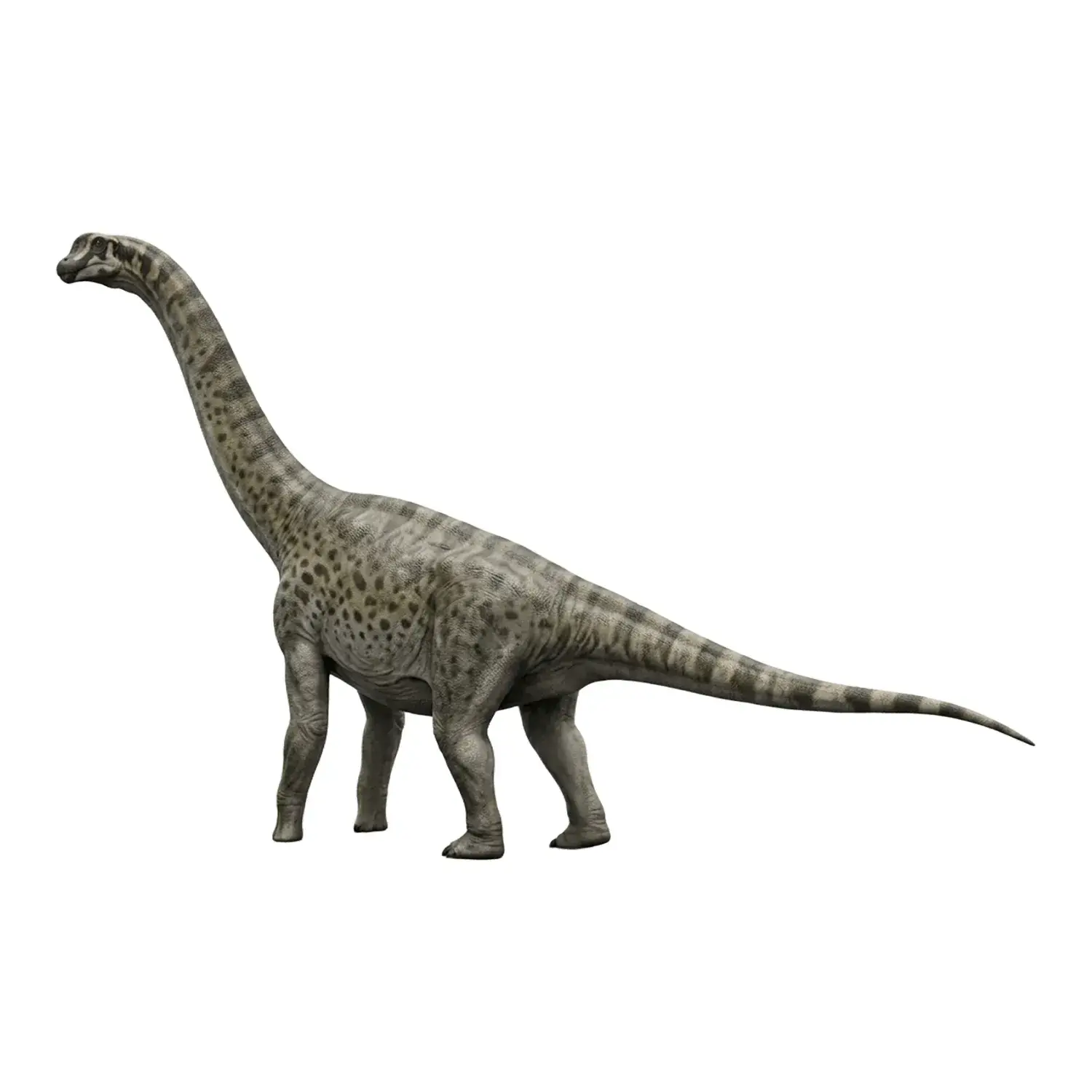
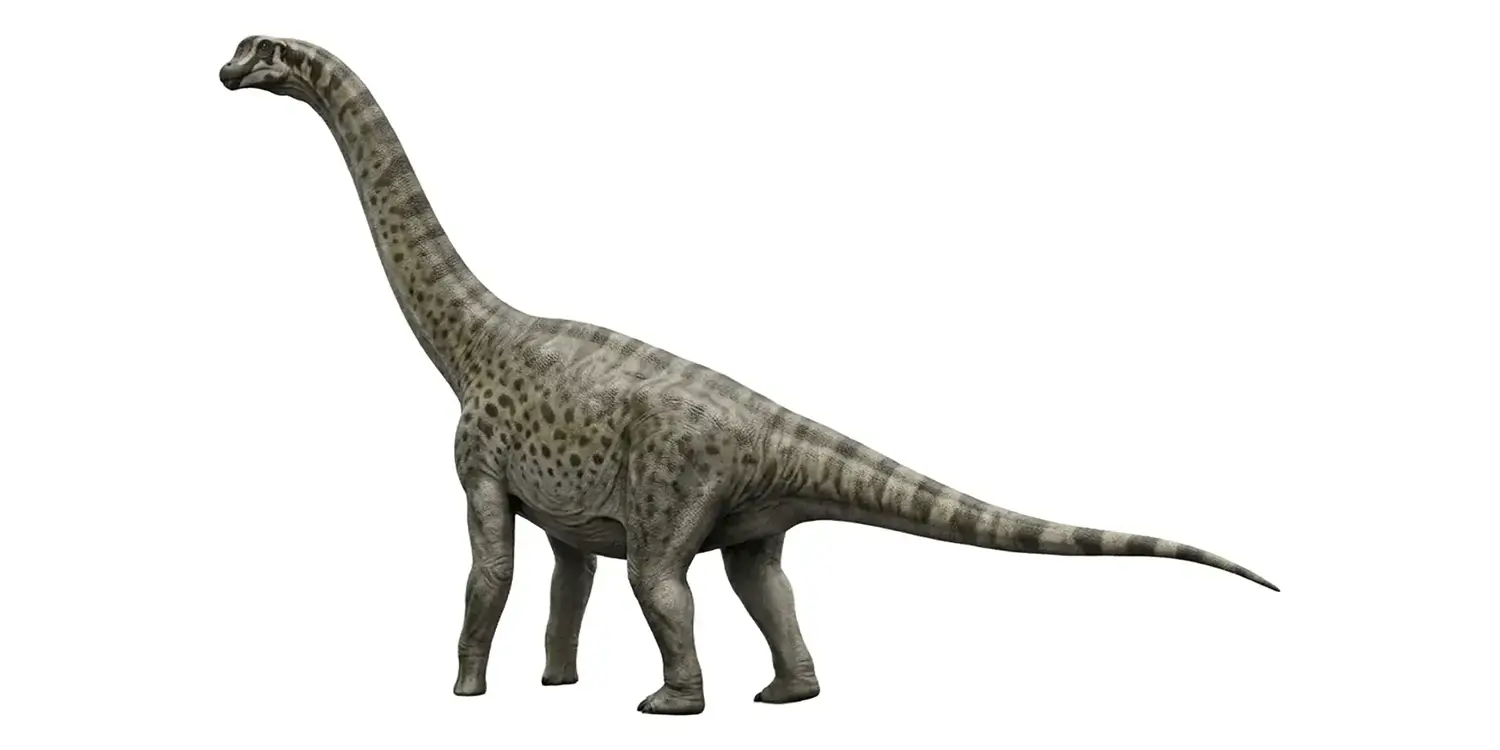
Venenosaurus was a sauropodomorph dinosaur that lived in North America during the Early Cretaceous.
It inhabited what is now Utah, United States, approximately 125 – 100 million years ago, and is estimated to have reached approximately 10 meters in length.
Its genus name means “Poisonous Lizard,” but this does not mean that the dinosaur was actually venomous or poisonous.
The name comes from the geological formation where its fossils were discovered.
Venenosaurus belonged to the Titanosauriformes, a group that includes species measuring more than 30 meters in length. Compared with these giants, Venenosaurus was relatively small.
It also shared similarities with Cedarosaurus, another dinosaur that lived in North America during the Early Cretaceous. However, the original description classified it as a distinct species.
The Origin of the Name “Poisonous Lizard”
The genus name Venenosaurus combines the Latin word “venenum,” meaning “poison,” with the Ancient Greek word “sauros,” meaning “lizard.”
However, the name does not indicate that Venenosaurus was poisonous or venomous.
It was named after the Poison Strip Member of the Cedar Mountain Formation in Utah, where its fossils were discovered.
Fossils Discovered in a Geological Formation in Utah
The type specimen of Venenosaurus was discovered in the Poison Strip Member of the Cedar Mountain Formation, which is exposed in Grand County, Utah, United States.
This geological layer dates to the Aptian and Albian ages of the Early Cretaceous.