
Timurlengia
Name Origin
Named after Timur, the founder of the Timurid Empire, which ruled Central Asia in the 14th century
Classification
Diapsida, Saurischia, Theropoda
Habitat (Discovery Location)
Uzbekistan
Period
Approximately 90 million years ago (Late Cretaceous)
Length
Approximately 3 - 4 meters
Weight
Approximately 170 - 270 kilograms
Diet
Carnivore (Meat-eater)
TODAY'S QUIZ
Correct answer = 1 coin
What ability is thought to have been associated with the unusually long and well-developed cochlear duct in Timurlengia’s inner ear?
Loading…
You might also like... 

-
 Troodon
- Classification
- Theropods
- Characteristics
- Carnivorous
- Era
- Cretaceous period
- Concavenator
- Classification
- Theropods
- Characteristics
- Carnivorous
- Era
- Cretaceous period
- Euskelosaurus
- Classification
- Sauropods
- Characteristics
- Herbivorous
- Era
- Triassic period
- Alvarezsaurus
- Classification
- Theropods
- Characteristics
- Carnivorous
- Era
- Cretaceous period
-
Sponsored Links
-
Sponsored Links

















Description
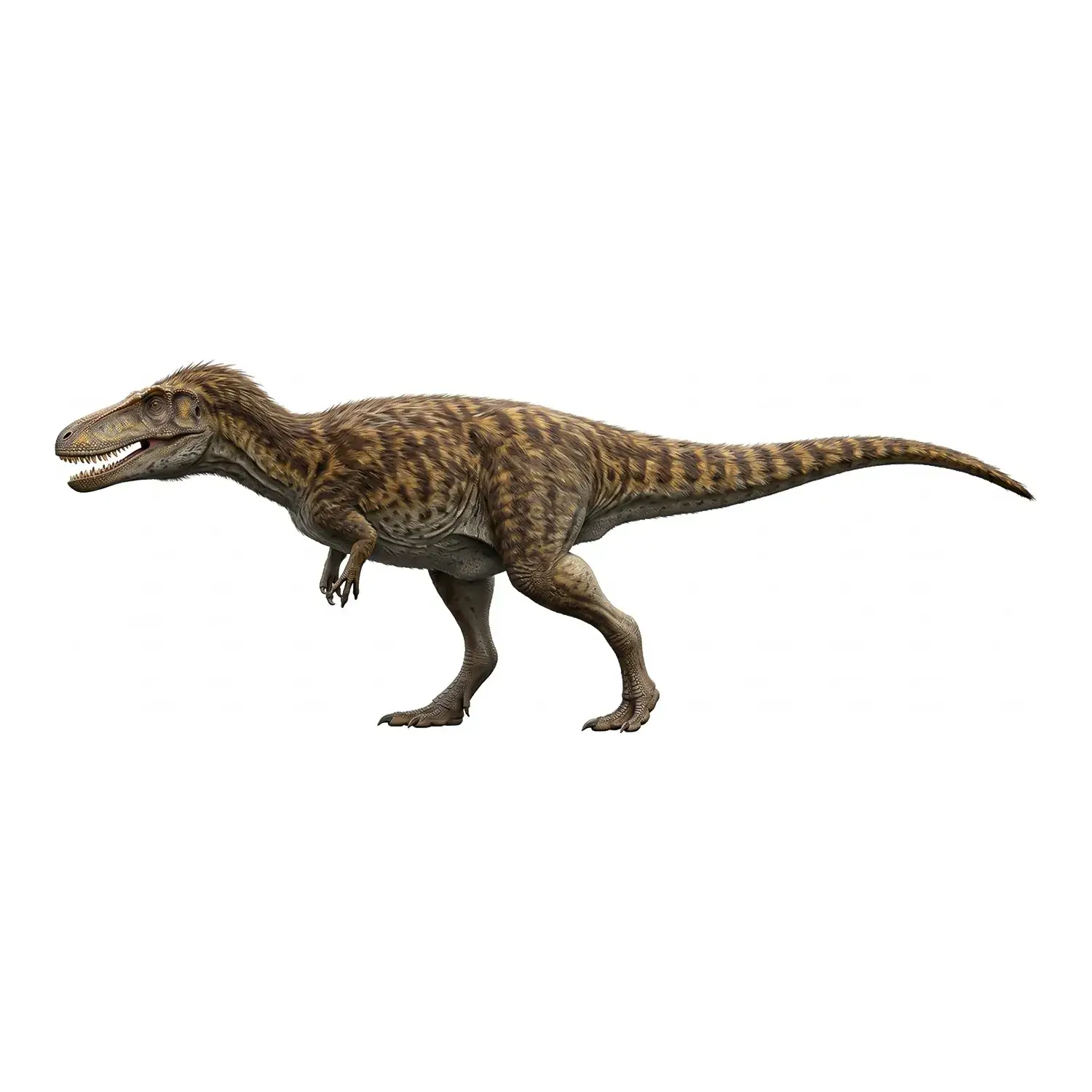
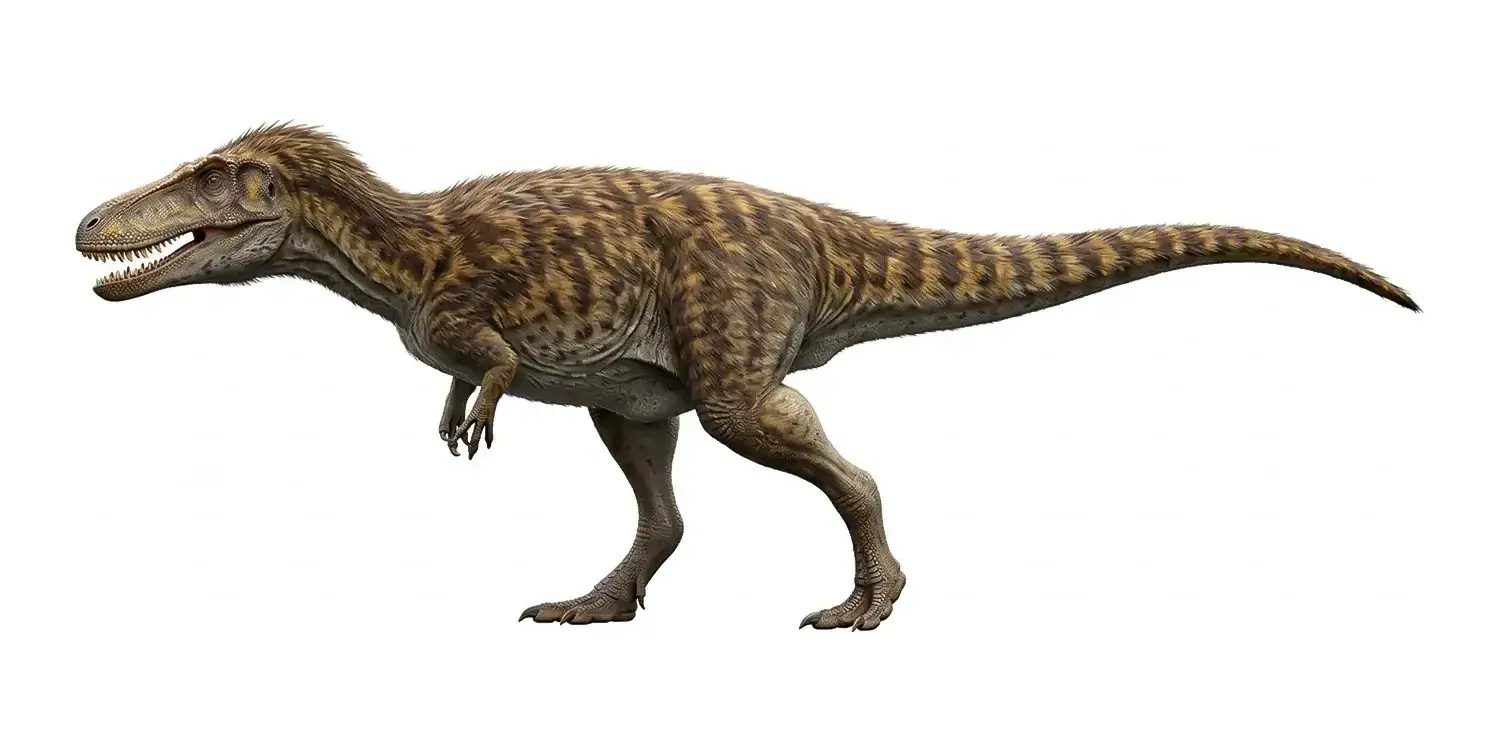
Timurlengia was a carnivorous tyrannosauroid dinosaur that lived in Central Asia during the early part of the Late Cretaceous.
Its fossils were discovered in what is now Uzbekistan, and it was formally described as a new genus and species in 2016.
It is estimated to have reached approximately 3 – 4 meters in length and weighed approximately 170 – 270 kilograms.
Although it was not as enormous as later tyrannosaurs such as Tyrannosaurus, its brain and inner ear showed advanced features also found in large tyrannosaurs.
One particularly notable feature was its long, well-developed cochlear duct, which is thought to have been related to its ability to hear low-frequency sounds.
Despite its relatively small body size, Timurlengia had well-developed sensory organs, providing important clues for understanding how tyrannosaurs evolved into giant predators.
Fossil Discovery in Uzbekistan and the Origin of Its Name
Fossils of Timurlengia were discovered in the Bissekty Formation, which extends across the Kyzylkum Desert in Uzbekistan.
Although the region is now covered by arid desert, it is thought to have had an environment with rivers and lakes during the Late Cretaceous.
In 2016, an international research team including paleontologists Stephen Brusatte and Alexander Averianov formally described Timurlengia as a new genus and species.
Its scientific name is “Timurlengia euotica.”
The genus name “Timurlengia” is derived from Timur, the founder of the Timurid Empire, which ruled Central Asia in the 14th century.
The species name “euotica,” on the other hand, means “well-eared” in Greek.
It refers to the well-developed structure of the inner ear, which was identified through studies of its skull and is associated with hearing.
A Medium-Sized Carnivorous Dinosaur Approximately 3 – 4 Meters Long
Timurlengia is estimated to have reached approximately 3 – 4 meters in length and weighed approximately 170 – 270 kilograms.
These estimates are based mainly on specimens thought to represent subadults.
This means that fully grown individuals may have been larger.
In fact, fossil bones believed to have come from larger individuals have also been discovered.
Although Timurlengia belonged to Tyrannosauroidea, it did not have the enormous body size of Tyrannosaurus rex.
It had a relatively lightweight, streamlined build and is thought to have been capable of moving quickly on its long hind limbs.
Rather than attacking fully grown giant herbivorous dinosaurs head-on, it may have hunted smaller dinosaurs and young herbivores within its ecosystem.
A Long Cochlear Duct Suggests Well-Developed Hearing
One of the most remarkable features of Timurlengia lies in the structure of its braincase and inner ear.
A detailed examination of part of its discovered skull revealed that the cochlear duct, which is associated with hearing, was long and well-developed.
The cochlear duct is part of the inner ear and is involved in detecting sound vibrations.
A long cochlear duct is thought to be associated with the ability to hear low-frequency sounds.
This suggests that Timurlengia may have been particularly sensitive to low-pitched sounds.
Development of the Inner Ear Related to Balance
Studies of the internal structure of its braincase have also provided insights into the shape of its brain and the organs involved in balance.
Its inner ear had well-developed semicircular canals, suggesting that it may also have been good at sensing head movements and maintaining its balance.
Similar inner ear features are also found in later tyrannosaurids.
However, it is not possible to directly measure its actual hearing ability or intelligence.
These abilities can only be estimated based on the structure of its fossilized bones.
An Important Link in the Evolution of Giant Tyrannosaurs
Tyrannosaurs evolved from relatively small carnivorous dinosaurs that appeared during the Jurassic Period, eventually developing into enormous predators such as Tyrannosaurus by the Late Cretaceous.
However, fossils from the Middle Cretaceous, representing an intermediate stage in this evolutionary history, are scarce. For many years, it remained a mystery when and how the early, small-bodied tyrannosaurs evolved into larger forms.
The discovery of Timurlengia provided an important clue for filling this gap in the fossil record.
One particularly interesting finding is that tyrannosaurs had already developed advanced features related to the brain and hearing before they evolved enormous body sizes.
In other words, tyrannosaurs may not have become gigantic first. Instead, they may have developed advanced sensory abilities before evolving into much larger predators.
This suggests that in the evolution of tyrannosaurs, sensory abilities that helped them detect and capture prey may have been just as important as increasing body size.