
Dryptosaurus
Name Origin
Tear Lizard
Classification
Diapsida, Saurischia, Theropoda
Habitat (Discovery Location)
United States
Period
Late Cretaceous
Length
Approximately 7 - 7.5 meters
Diet
Carnivore (Meat-eater)
TODAY'S QUIZ
Correct answer = 1 coin
Dryptosaurus was originally named Laelaps when it was discovered, but the name was later changed. Why?
Loading…
You might also like... 

-
 Supersaurus
- Classification
- Sauropods
- Characteristics
- Herbivorous
- Era
- Jurassic period
- Lambeosaurus
- Classification
- Ornithopoda
- Characteristics
- Herbivorous
- Era
- Cretaceous period
- Dreadnoughtus
- Classification
- Sauropods
- Characteristics
- Herbivorous
- Era
- Cretaceous period
- Gallimimus
- Classification
- Theropods
- Characteristics
- Omnivorous
- Era
- Cretaceous period
-
Sponsored Links
-
Sponsored Links
















Description
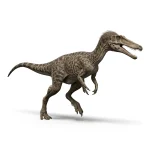
Dryptosaurus was a carnivorous tyrannosauroid dinosaur that lived in eastern North America during the Late Cretaceous.
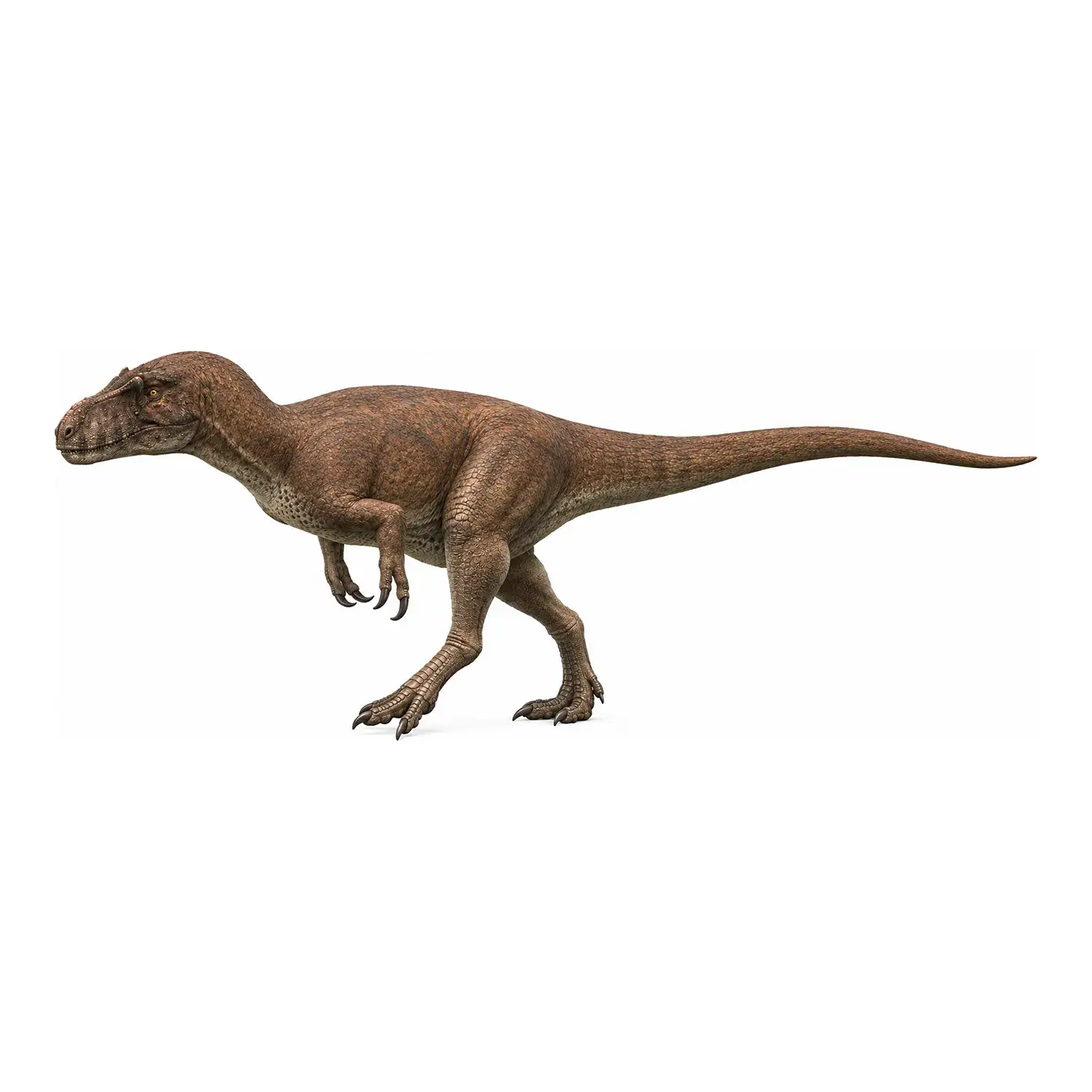
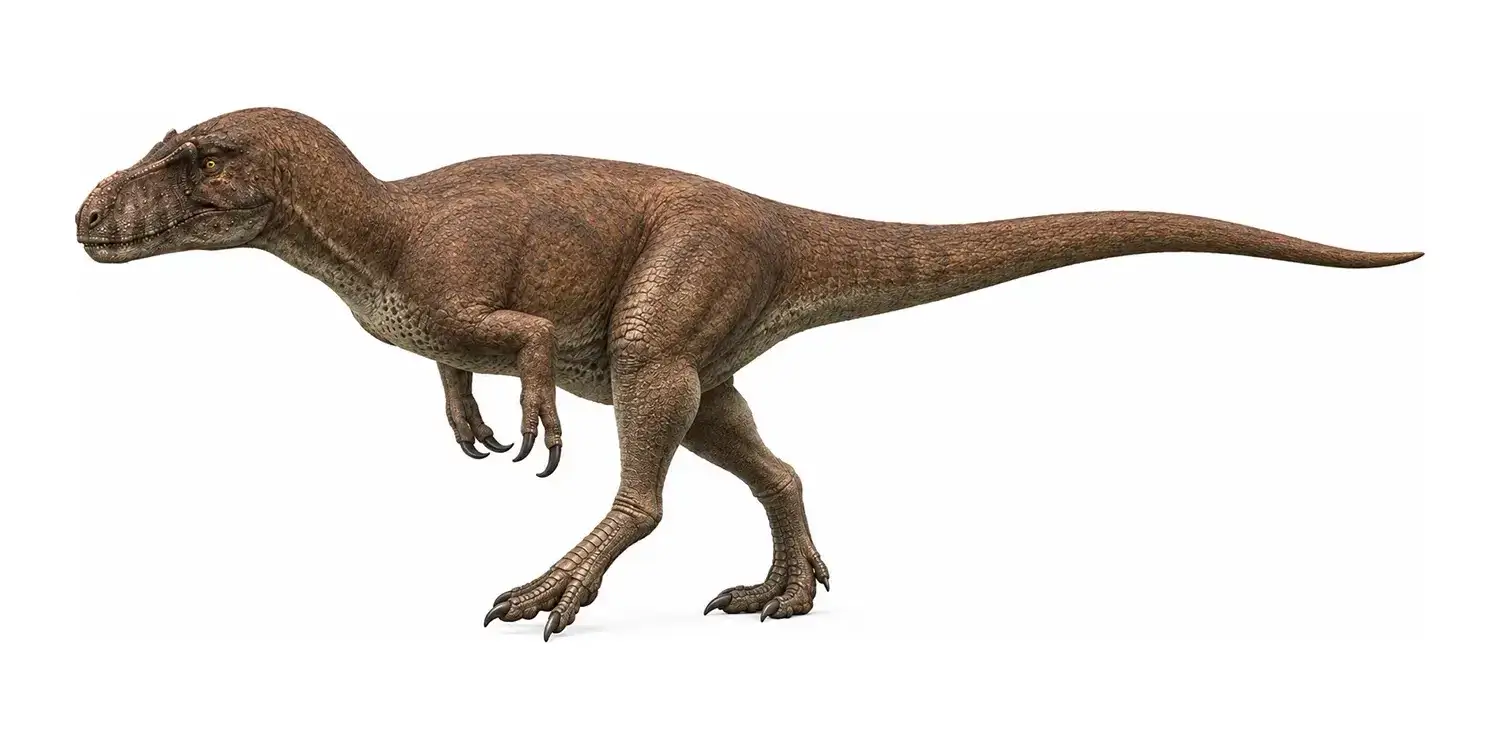
It is estimated to have reached approximately 7 – 7.5 meters in length, and its forelimbs were equipped with sharp claws measuring up to approximately 17.6 centimeters long.
First discovered in 1866, Dryptosaurus has long been a well-known dinosaur in the history of American paleontology.
It was initially named “Laelaps,” but was later renamed and became known by its current name, Dryptosaurus.
Although it belonged to a more primitive lineage than Tyrannosauridae, Dryptosaurus was notable for having relatively large, well-developed forelimbs.
It is also one of the few known carnivorous dinosaurs that lived on the landmass of Appalachia in eastern North America, making it important for understanding the ecosystems of that time.
Fossil Discovery in 1866 and the Origin of Its Name
Fossils of Dryptosaurus have been discovered in Late Cretaceous rock formations in New Jersey, USA, including the New Egypt Formation.
In 1866, paleontologist Edward Drinker Cope discovered the fossils and named the dinosaur “Laelaps” after a swift hunting dog from Greek mythology.
However, it was later discovered that the genus name “Laelaps” had already been used for another animal, a type of mite.
As a result, in 1877, Othniel Charles Marsh, Cope’s scientific rival, gave the dinosaur a new name: “Dryptosaurus.”
Its scientific name means “Tearing Lizard,” referring to the characteristics of this carnivorous dinosaur, which had sharp claws.
This renaming is also connected to a period in the history of paleontology known as the “Bone Wars,” during which paleontologists fiercely competed with one another.
A Body Approximately 7 – 7.5 Meters Long and Well-Developed Forelimbs
Dryptosaurus is estimated to have reached approximately 7 – 7.5 meters in length.
Although it was not as enormous as Tyrannosaurus, it is thought to have been a large carnivorous dinosaur in eastern North America at the time.
One particularly notable feature was the claws on its forelimbs, which could reach approximately 17.6 centimeters in length.
Dinosaurs belonging to Tyrannosauridae are known for their extremely short forelimbs.
In contrast, although Dryptosaurus had a shortened humerus, its hands were relatively large, with well-developed fingers and claws.
These features have led to suggestions that Dryptosaurus may have used its forelimbs, as well as its jaws, to capture prey and tear flesh.
Reconstruction of Its Forelimbs Changed from Three Fingers to Two
Reconstructions of Dryptosaurus have changed over time regarding the number of fingers on its forelimbs.
It was once depicted with three fingers, but today it is also reconstructed with two fingers, similar to Tyrannosaurus and other members of Tyrannosauridae.
Its Evolutionary Position Among Tyrannosauroids
Dryptosaurus was a tyrannosauroid dinosaur that belonged to a more primitive lineage than Tyrannosauridae, the family that includes Tyrannosaurus and Albertosaurus.
A detailed study of its skeleton published in 2011 confirmed that Dryptosaurus belonged to Tyrannosauroidea.
It is also thought to have occupied an evolutionary position connecting more primitive tyrannosauroids with the large tyrannosaurids that appeared later.
The fact that its forelimb bones were shortened while its hands remained relatively large and well-developed is also an important feature for understanding the evolution of forelimbs among tyrannosauroids.
A Carnivorous Dinosaur That Lived on the Landmass of Appalachia
During the Late Cretaceous, when Dryptosaurus lived, the North American continent was at times divided into eastern and western landmasses by a shallow sea that extended across its interior.
The western landmass was called Laramidia, while the eastern landmass was known as Appalachia.
Many famous dinosaurs, including Tyrannosaurus, lived on the western landmass of Laramidia.
In contrast, Dryptosaurus lived on the eastern landmass of Appalachia.
Compared with western North America, eastern North America has fewer geological formations that preserve Late Cretaceous fossils. As a result, much remains unknown about the diversity and ecology of the dinosaurs that inhabited Appalachia.
For this reason, Dryptosaurus is an important dinosaur for understanding the ecosystems of Appalachia during that time.