
Aerosteon
Name Origin
Air Bone
Family
Megaraptoridae
Classification
Diapsida, Saurischia, Theropoda
Habitat (Discovery Location)
Argentina
Period
Approximately 84 million years ago (Late Cretaceous)
Length
Approximately 9 - 10 meters
Weight
Approximately 2 tons
Diet
Carnivore (Meat-eater)
TODAY'S QUIZ
Correct answer = 1 coin
What evidence suggests that Aerosteon may have had a respiratory system involving air sacs, similar to that of modern birds?
Loading…
You might also like... 

-
 Supersaurus
- Classification
- Sauropods
- Characteristics
- Herbivorous
- Era
- Jurassic period
- Chasmosaurus
- Classification
- Marginocephalia
- Characteristics
- Herbivorous
- Era
- Cretaceous period
- Scelidosaurus
- Classification
- Thyreophora
- Characteristics
- Herbivorous
- Era
- Jurassic period
- Dromaeosaurus
- Classification
- Theropods
- Characteristics
- Carnivorous
- Era
- Cretaceous period
-
Sponsored Links
-
Sponsored Links

















Description
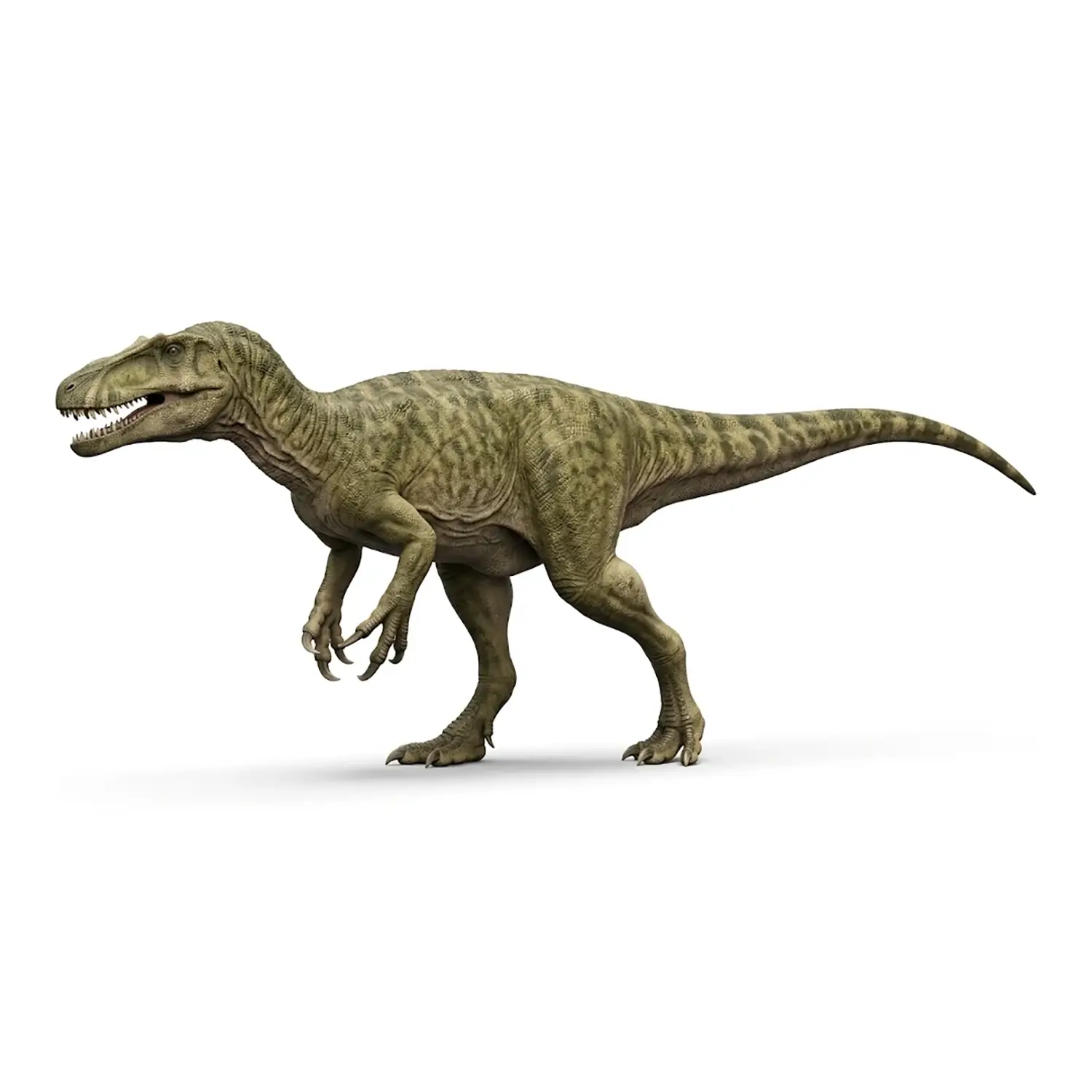
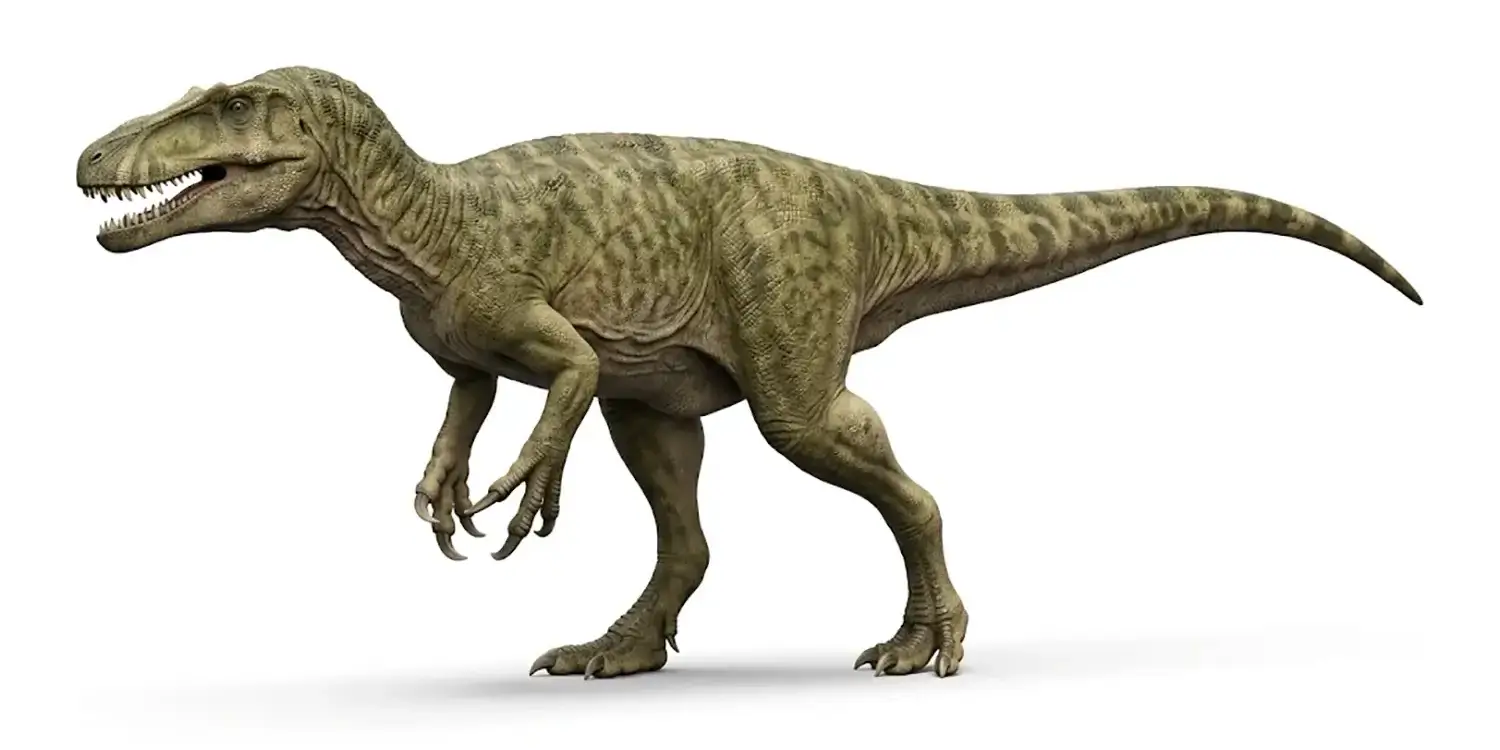
Aerosteon was a large carnivorous dinosaur that lived in South America during the Late Cretaceous.
It was a theropod belonging to the megaraptor group, and is estimated to have reached approximately 9 – 10 meters in length and weighed approximately 2 tons.
Its most distinctive feature was a specialized skeletal structure in which air-filled spaces extended into the bones.
Its scientific name means “air bone,” referring to this unusual characteristic.
Studies of its skeleton have also suggested that it may have had a respiratory system using air sacs, similar to those of modern birds.
Aerosteon is an important dinosaur for understanding how the respiratory systems of dinosaurs and birds evolved.
Fossils Discovered in Argentina and the Origin of Its Name
Aerosteon fossils were discovered in 1996 in Mendoza Province, western Argentina.
The fossils came from the Anacleto Formation, located north of the Colorado River, in rock layers dating back approximately 84 million years.
The discovered specimen included parts of the skull, teeth, cervical and dorsal vertebrae, ribs, and pelvis.
The furcula, equivalent to the wishbone in modern birds, and gastralia were also preserved, making the fossils valuable material for studying dinosaur respiratory systems.
In 2008, a research team led by paleontologist Paul Sereno formally described the fossils and recognized them as a new genus and species.
Its scientific name is Aerosteon riocoloradensis.
The genus name “Aerosteon” combines the Ancient Greek words “aer,” meaning “air,” and “osteon,” meaning “bone.” Together, the name means “air bone.”
The species name “riocoloradensis” refers to the region around the Colorado River, where the fossils were discovered.
A Large Carnivorous Dinosaur Reaching Approximately 9 – 10 Meters in Length
Aerosteon is estimated to have been approximately 9 – 10 meters long and weighed approximately 2 tons.
It was a bipedal theropod with well-developed hindlimbs and a robust body.
However, the discovered skeleton did not belong to a fully mature adult.
Some of its vertebrae had not yet fused, suggesting that the individual was still growing at the time of death.
For this reason, it may have grown even larger than the estimated size upon reaching adulthood.
A Large Predator Belonging to the Megaraptor Group
Aerosteon is classified as a member of the megaraptor group.
This group also includes dinosaurs such as Megaraptor and Fukuiraptor.
Many megaraptorans had long forelimbs and large claws, and it has been suggested that they may have captured their prey in a distinctive manner.
Aerosteon was also a carnivorous dinosaur and is thought to have preyed on large herbivorous dinosaurs that lived in South America at the time.
However, its specific prey and hunting methods are still not well understood.
A Feature Known as Pneumaticity: Air-Filled Spaces Inside the Bones
One of Aerosteon’s defining features was the presence of numerous cavities inside its bones.
Fossils show evidence of air-filled spaces within bones such as the furcula, ilium, and gastralia.
The formation of air-filled spaces inside bones is known as “pneumaticity.”
What makes this particularly noteworthy is that these cavities were not limited to the vertebrae. They also extended into bones around the shoulders, the pelvis, and the abdomen.
Researchers used techniques such as CT scanning to examine the internal structure of the bones in detail and analyze the shapes of the air passages and openings.
These findings led to the suggestion that Aerosteon may have had structures resembling the air sacs found in modern birds.
A Respiratory System Using Air Sacs Similar to Those of Modern Birds
Modern birds have an efficient respiratory system that differs from that of mammals.
Mammals breathe by expanding and contracting their lungs, whereas birds use a combination of lungs and multiple air sacs to move air through their respiratory system.
Air sacs act like pumps that move air through the lungs.
They are important organs that help maintain the efficient circulation of air during breathing.
Aerosteon fossils provide evidence of air passages associated with bird-like air sacs extending into bones such as the furcula and ilium.
This suggests that Aerosteon may also have breathed using air sacs similar to those of modern birds.
Did It Have the Same Respiratory Mechanism as Modern Birds?
However, the bone structure alone cannot establish that Aerosteon had exactly the same unidirectional airflow found in modern birds.
Further research is needed to determine precisely how air was moved through its lungs.
Air sacs may also have served purposes beyond assisting respiration, such as reducing skeletal weight and helping dissipate heat generated inside the body.
Efficient breathing and temperature regulation are thought to have been important for a large dinosaur weighing approximately 2 tons.
Was Aerosteon Related to Allosaurus? Debates Over Its Classification
Aerosteon also has an interesting research history regarding its taxonomic position.
In the 2008 description, it was classified within Allosauroidea, a group closely related to Allosaurus, which flourished during the Jurassic.
It attracted attention as a large theropod belonging to a rare lineage that survived into the Late Cretaceous. However, various hypotheses have since been proposed regarding the evolutionary position of the megaraptor group.
The Hypothesis That They Were Allosauroids
One hypothesis places megaraptorans among the allosauroids, closely related to groups such as the Carcharodontosaurus family.
Under this interpretation, Aerosteon is also placed within a lineage closely related to Allosaurus.
The Hypothesis That They Were Closely Related to Tyrannosauroids
On the other hand, another hypothesis places megaraptorans among coelurosaurs, a group closely related to Tyrannosaurus and other tyrannosauroids.
Some recent phylogenetic analyses have also classified megaraptorans within Coelurosauria and placed them as the sister group to Tyrannosauroidea.
However, their classification has not been fully resolved, partly because of the preservation condition of the fossils and the limited number of skeletal features available for comparison.
Aerosteon remains an important dinosaur for research into the evolution and classification of the megaraptor group.