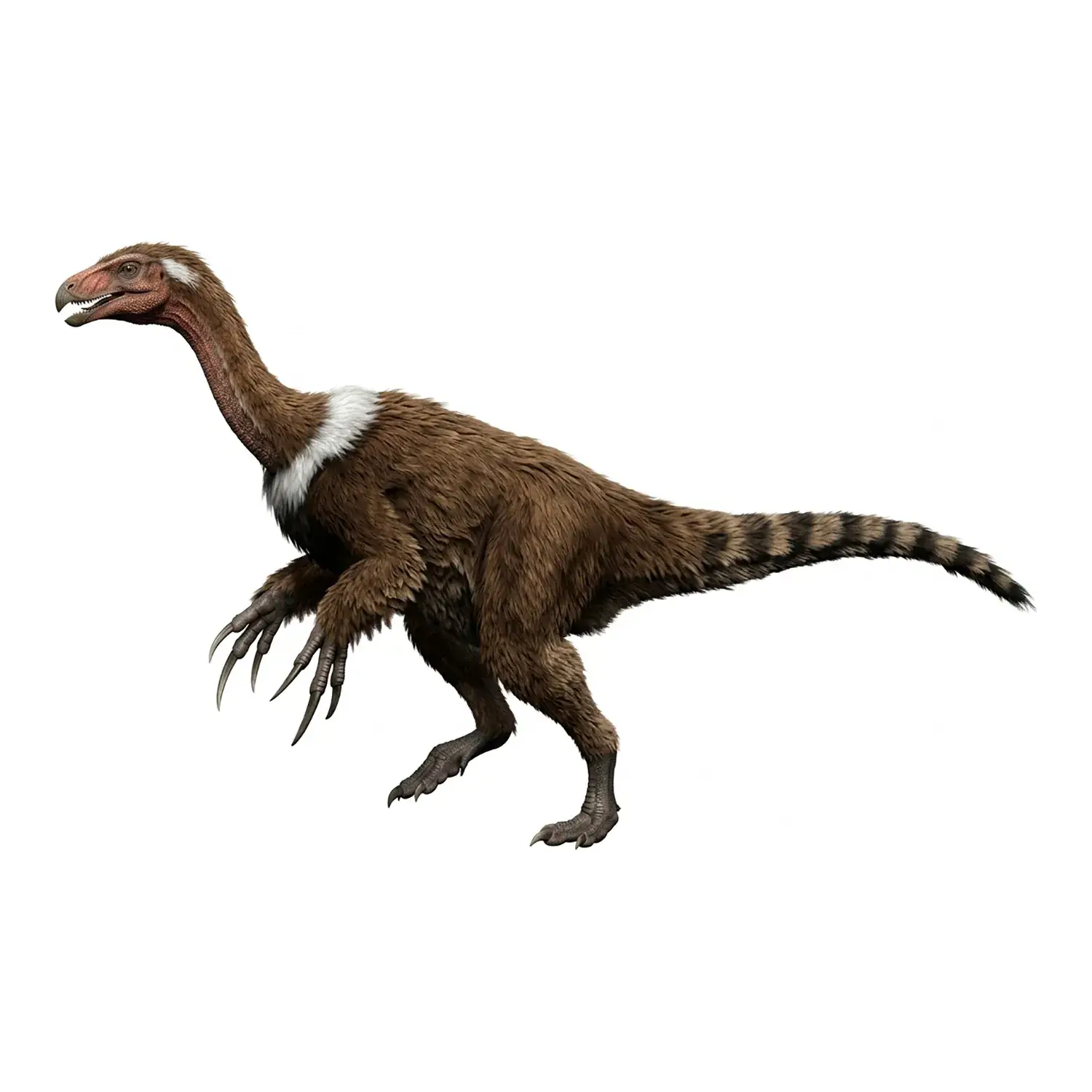
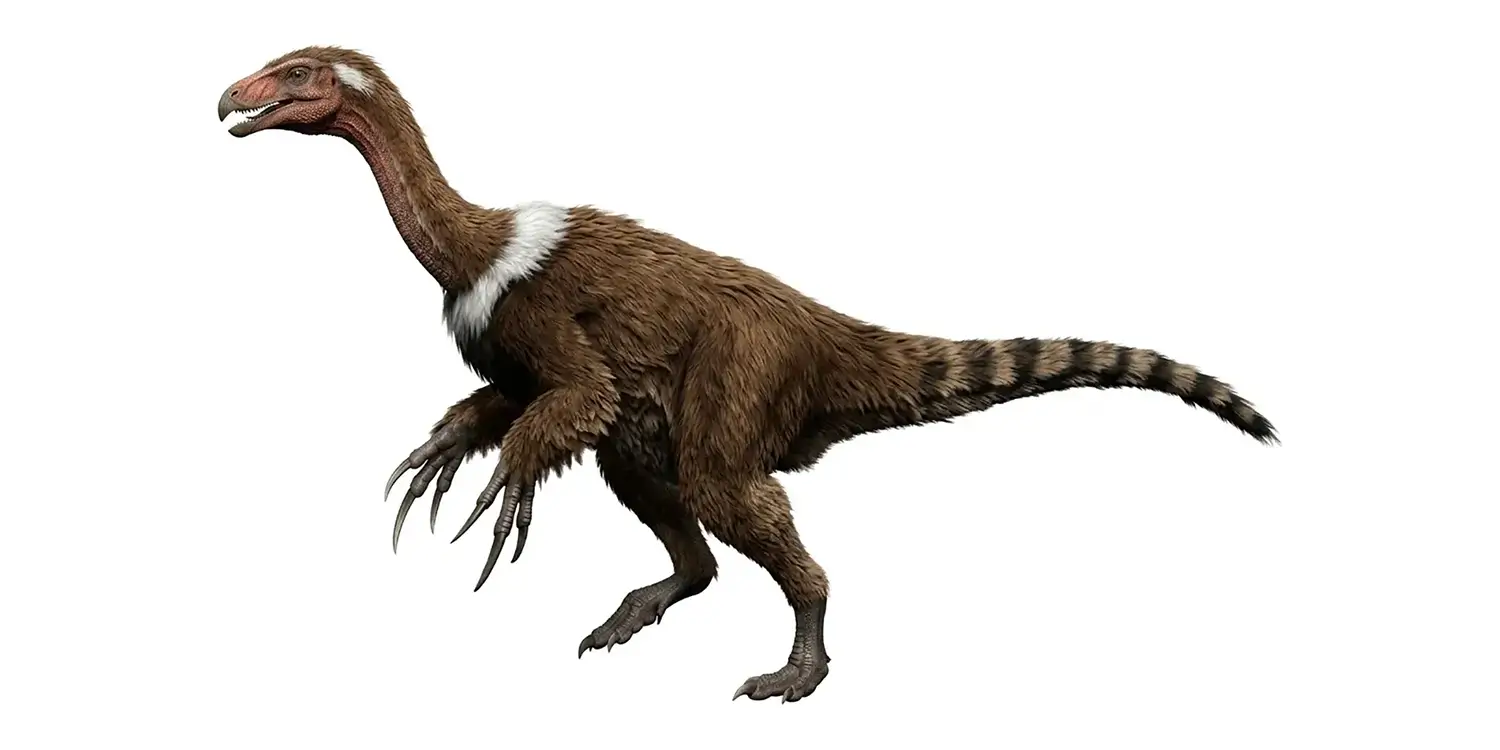
Suzhousaurus
Name Origin
Lizard of Suzhou
Classification
Diapsida, Saurischia, Theropoda
Habitat (Discovery Location)
China
Period
Early Cretaceous
Length
Approximately 6 meters
Weight
Approximately 3.1 tons
Diet
Herbivore (Plant-eater)
TODAY'S QUIZ
Correct answer = 1 coin
Which feature of Suzhousaurus’s skeleton represents a derived characteristic of therizinosaurs?
Loading…
You might also like... 

-
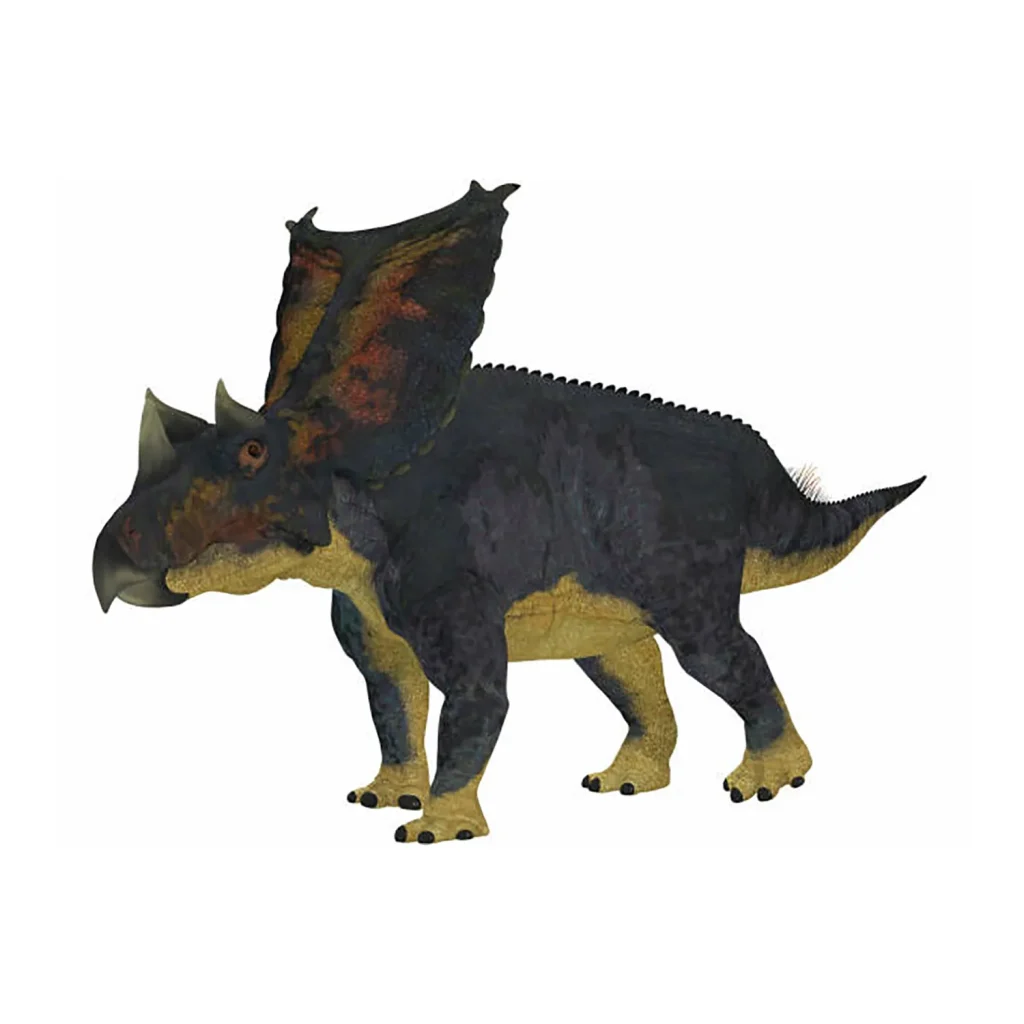
 Chasmosaurus
- Classification
- Marginocephalia
- Characteristics
- Herbivorous
- Era
- Cretaceous period
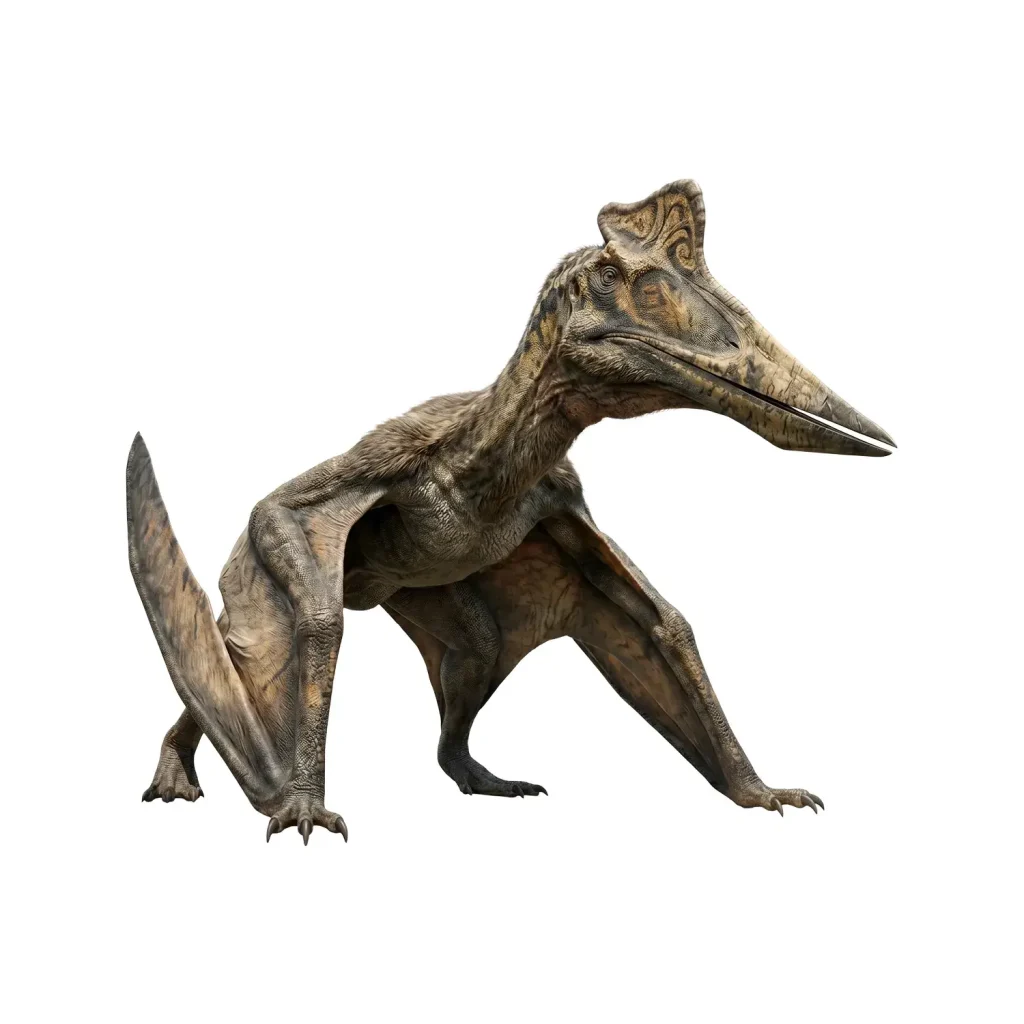
- Hatzegopteryx
- Classification
- Flying reptiles
- Era
- Cretaceous period
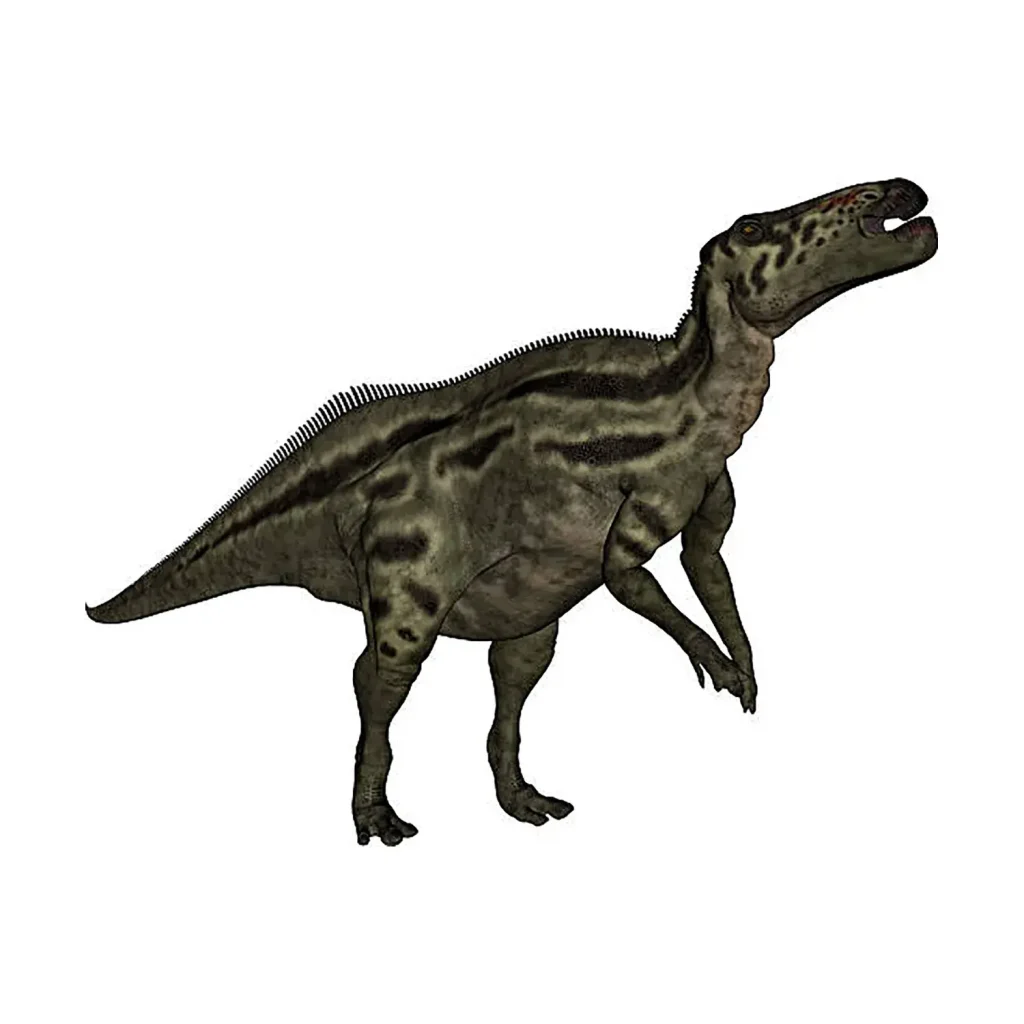
- Shantungosaurus
- Classification
- Ornithopoda
- Characteristics
- Herbivorous
- Era
- Cretaceous period
- Concavenator
- Classification
- Theropods
- Characteristics
- Carnivorous
- Era
- Cretaceous period
-
Sponsored Links
-
Sponsored Links








Description
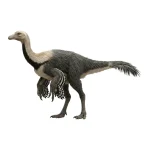
Suzhousaurus was a large herbivorous dinosaur that lived in China during the Early Cretaceous.
It belonged to the therizinosaur group, a subgroup of theropods, and is estimated to have reached approximately 6 meters in length and weighed approximately 3.1 tons.
Therizinosaurs were characterized by their distinctive body shape, with long necks, large bellies, and enormous claws.
Suzhousaurus shared these features, but its arms and pelvis also retained some primitive anatomical characteristics.
With a combination of primitive and more derived features, Suzhousaurus is an important dinosaur for understanding the evolution of therizinosaurs.
Fossils Discovered in China’s Xinminpu Group
Suzhousaurus fossils were discovered in the Xinminpu Group in Gansu Province, China.
The first specimen was found during an excavation in 1999, and additional skeletal remains belonging to another individual were excavated in 2004.
In 2007, a Chinese-American research team led by Li Daqing formally described the fossils and recognized them as a new genus and species.
Its scientific name is Suzhousaurus megatherioides.
The genus name “Suzhou” comes from the former name of the region where the fossils were discovered, Suzhou (now around Jiuquan).
The species name “megatherioides” means “resembling Megatherium,” a giant ground sloth.
Although almost no skull fossils have been found, various parts of the skeleton have been preserved, including the humerus, scapula, vertebrae, pelvis, and hindlimbs.
For a therizinosaur, the available skeletal material is relatively well preserved and has made a significant contribution to subsequent research.
A Robust Body Approximately 6 Meters Long and Weighing 3.1 Tons
Suzhousaurus is estimated to have been approximately 6 meters long and weighed approximately 3.1 tons.
It was exceptionally large for an Early Cretaceous therizinosaur, with sturdy hindlimbs and a large torso.
It is thought to have had a long neck and large claws on its forelimbs.
Other distinctive features included a large abdomen and a relatively short tail.
Possibly Covered in Feathers
Feather impressions have been discovered in Beipiaosaurus, a close relative of therizinosaurs.
This suggests that parts of Suzhousaurus’s body may also have been covered in feathers.
However, no feather impressions have been confirmed in Suzhousaurus fossils themselves.
A Dinosaur Combining Primitive Skeletal Features with More Derived Characteristics
The skeleton of Suzhousaurus retains primitive features compared with those of other therizinosaurs.
In particular, the shape of its humerus differs from that of later therizinosaurs such as Segnosaurus and Therizinosaurus, and more closely resembles that of Alxasaurus and Beipiaosaurus.
On the other hand, its pelvis shows a feature characteristic of therizinosaurs: a pubis that extends backward.
The presence of both primitive and more derived features in a single skeleton makes Suzhousaurus an important source of evidence for understanding how therizinosaurs evolved.
Questions About Its Relationship with Nanshiungosaurus
One hypothesis concerning Suzhousaurus is that it may be the same dinosaur as “Nanshiungosaurus bohlini,” which was discovered in the same region.
However, the fossils of the two dinosaurs do not include any overlapping anatomical parts that can be directly compared, and the type specimen of Nanshiungosaurus has also been lost.
As a result, it remains difficult to determine directly whether they represent the same dinosaur.