
Archaeoceratops
Name Origin
Ancient Horned Face
Family
Archaeoceratopsidae
Classification
Diapsida, Ornithischia, Marginocephalia
Habitat (Discovery Location)
China
Period
Early Cretaceous
Length
Approximately 0.9 - 1.3 meters
Weight
Approximately 10 kilograms
Diet
Herbivore (Plant-eater)
TODAY'S QUIZ
Correct answer = 1 coin
What distinctive combination of dental features was found in Archaeoceratops?
Loading…
You might also like... 

-
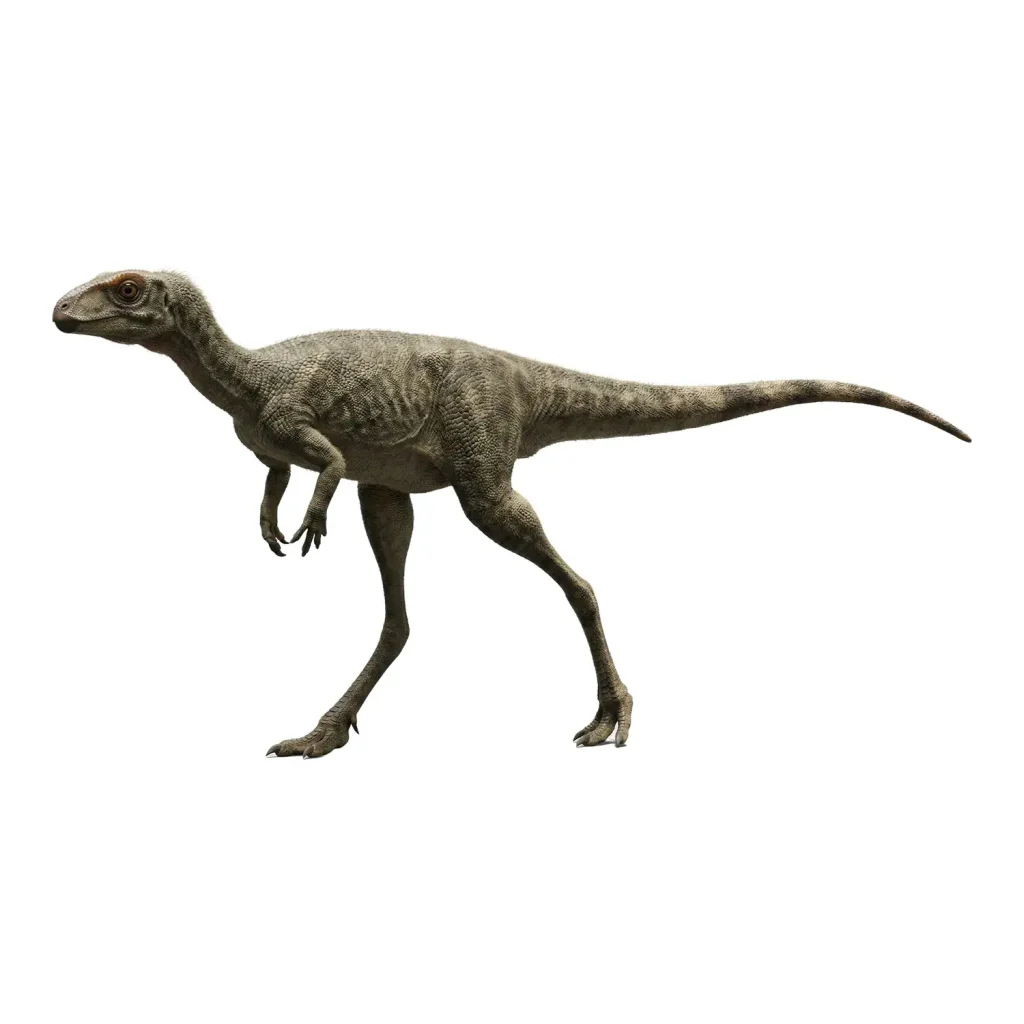
 Eocursor
- Classification
- Ornithopoda
- Characteristics
- Herbivorous
- Era
- Triassic period
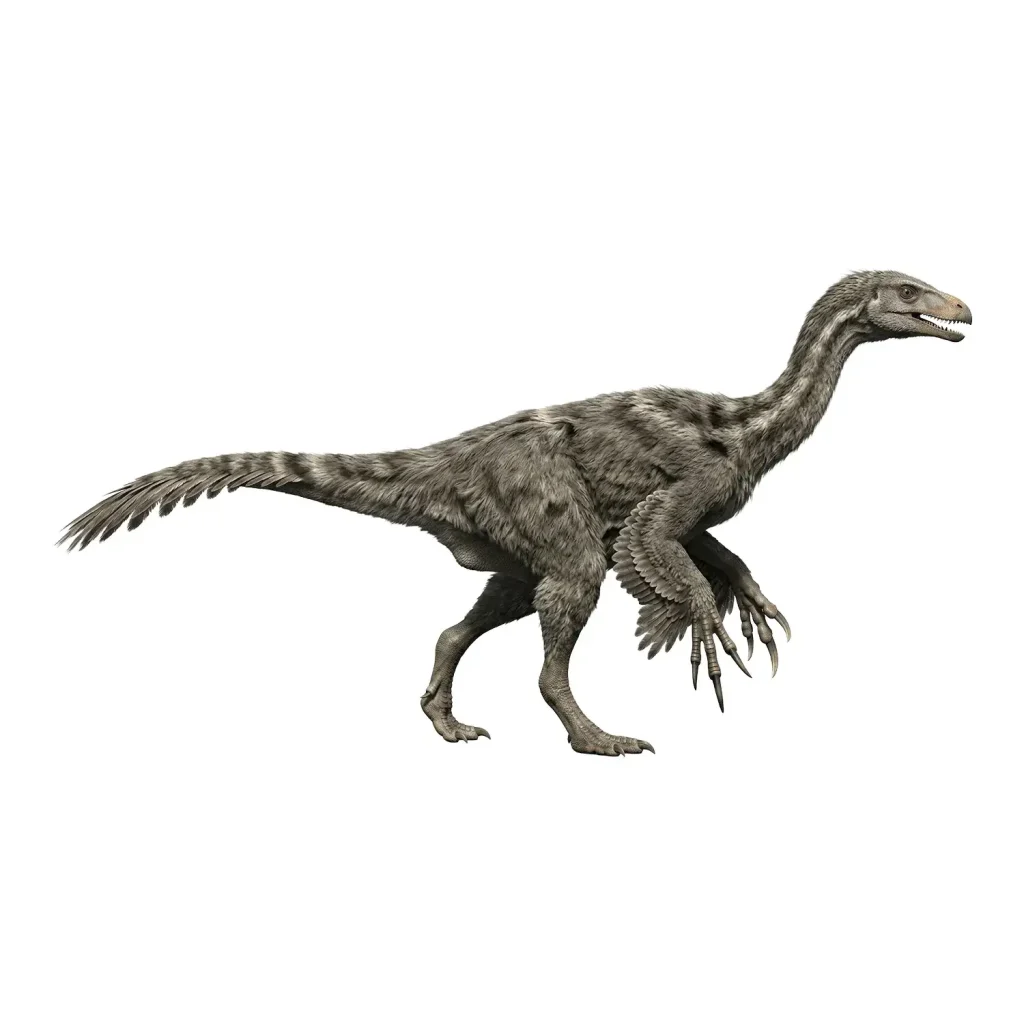
- Falcarius
- Classification
- Theropods
- Characteristics
- Herbivorous
- Feathered
- Era
- Cretaceous period
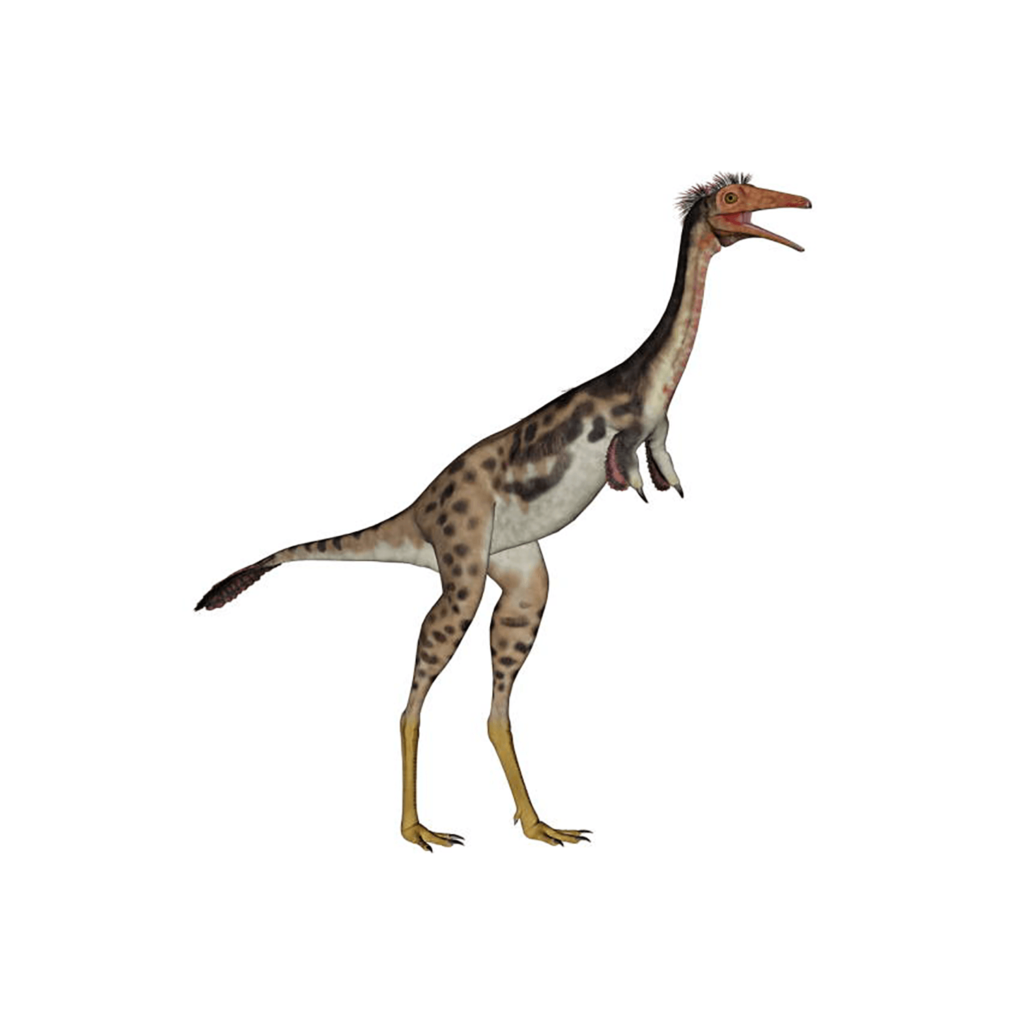
- Mononykus
- Classification
- Theropods
- Characteristics
- Carnivorous
- Feathered
- Era
- Cretaceous period
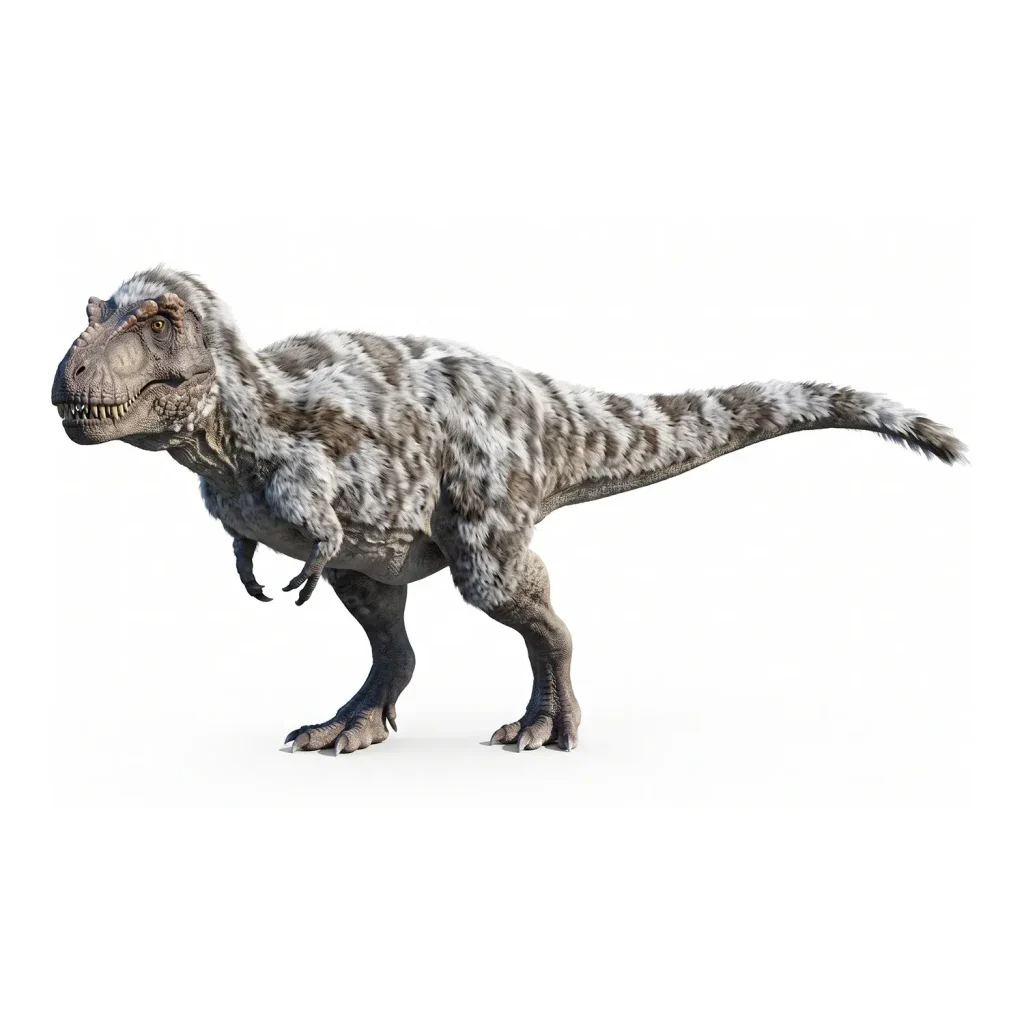
- Nanuqsaurus
- Classification
- Theropods
- Characteristics
- Carnivorous
- Era
- Cretaceous period
-
Sponsored Links
-
Sponsored Links















Description
Archaeoceratops was a small herbivorous dinosaur that lived in China during the Early Cretaceous.
It was a neoceratopsian that retained primitive features, making it an important dinosaur for understanding the evolutionary history leading to large ceratopsians such as Triceratops.
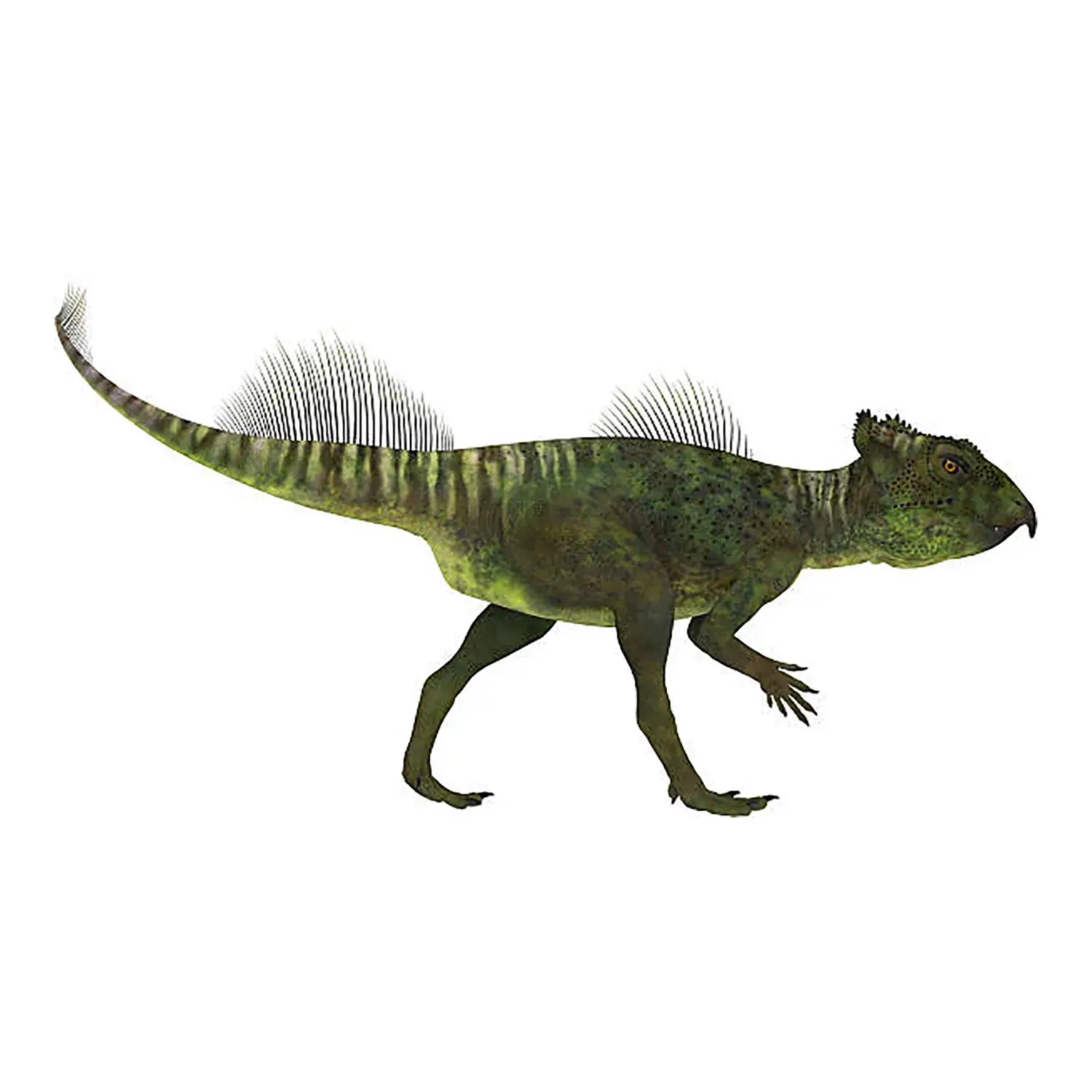
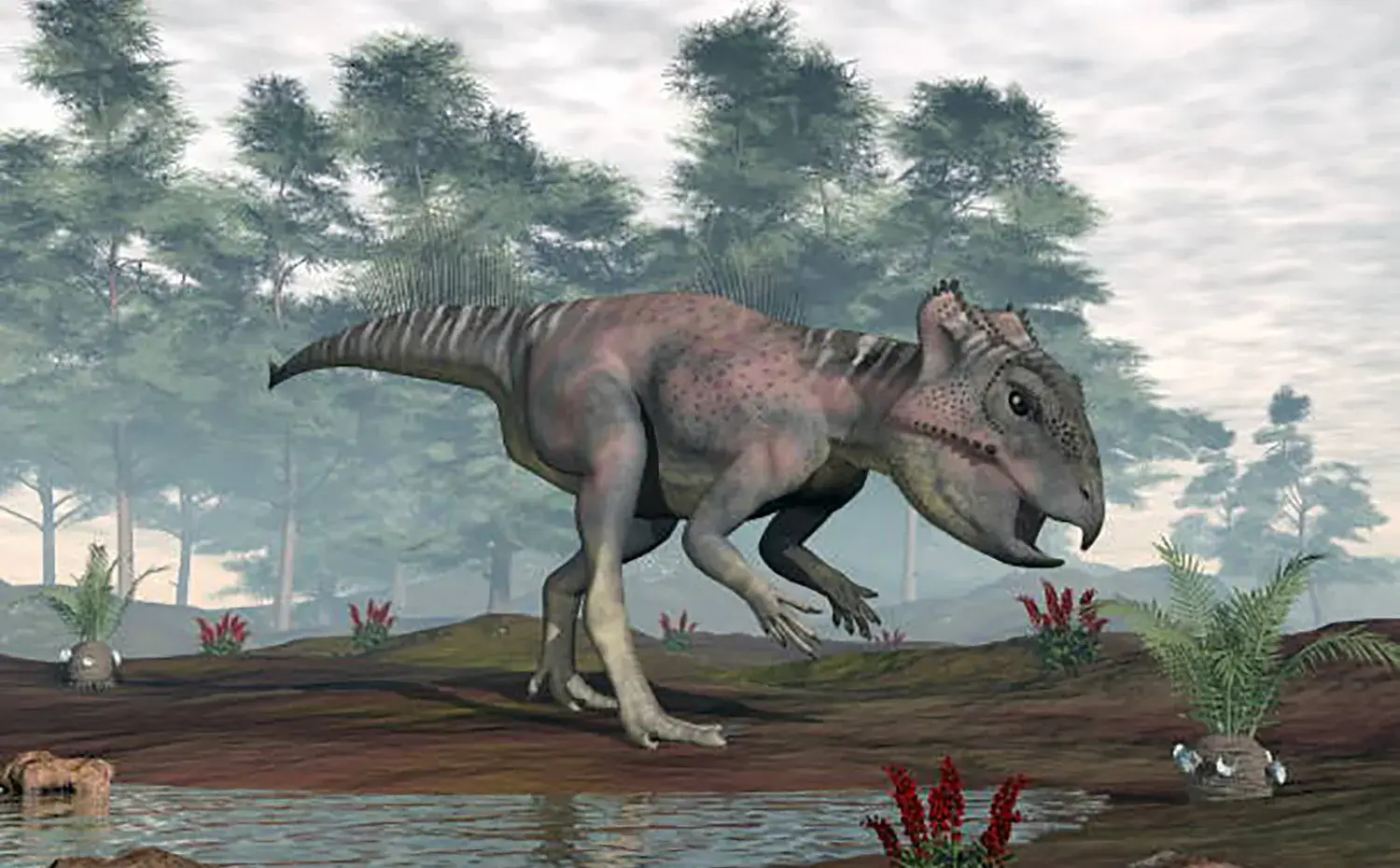
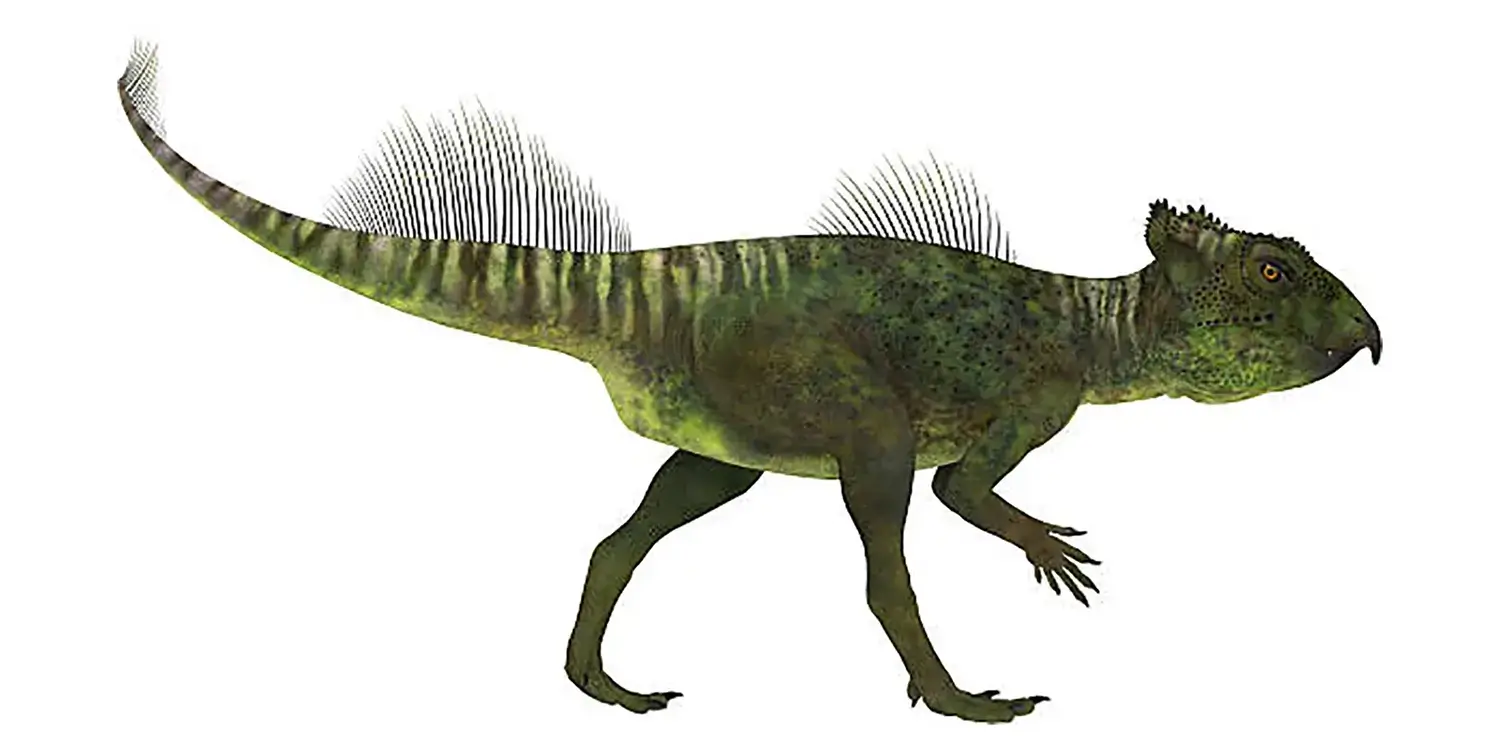
It is estimated to have been approximately 0.9 – 1.3 meters long and weighed approximately 10 kilograms, with a small, slender body.
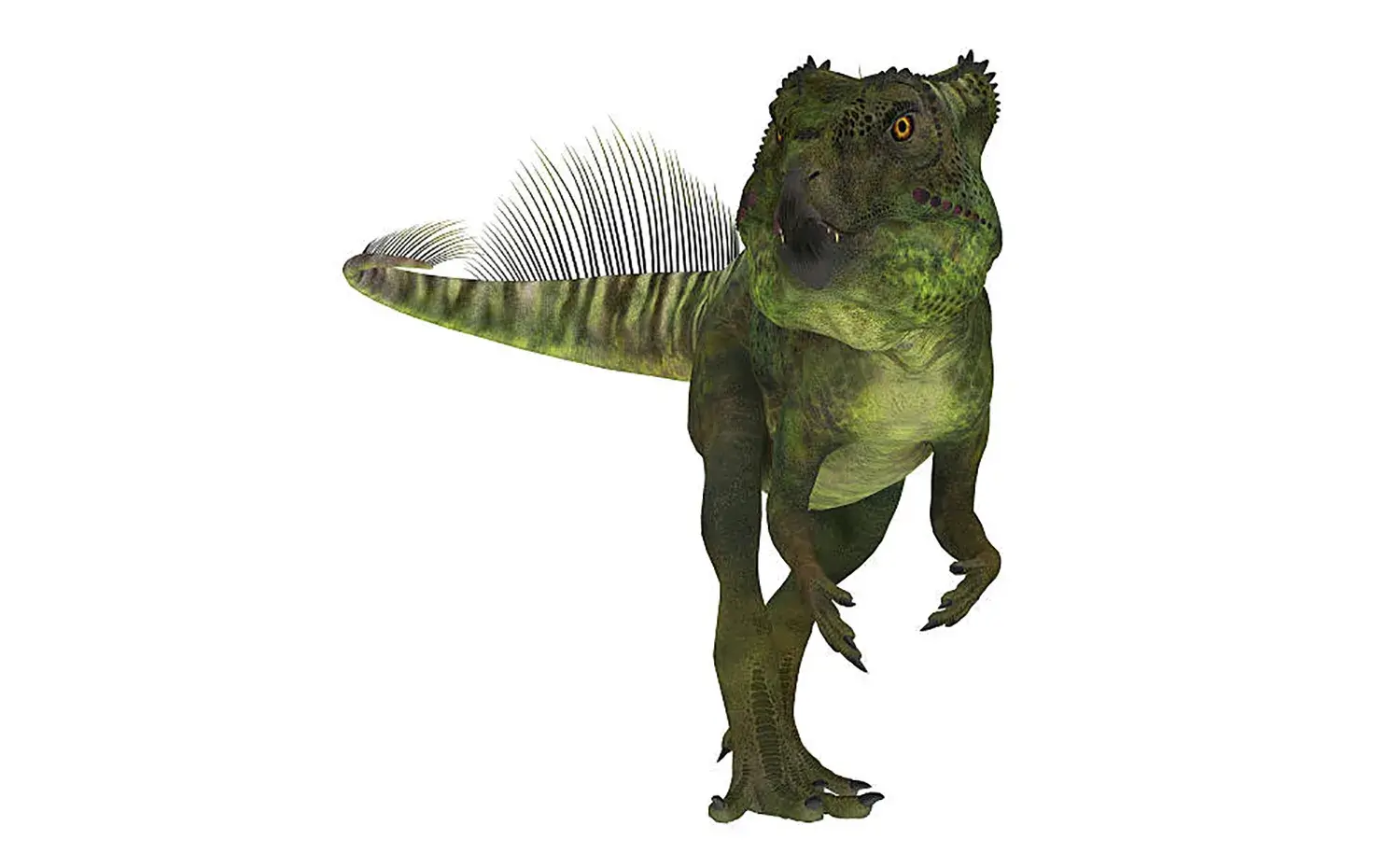
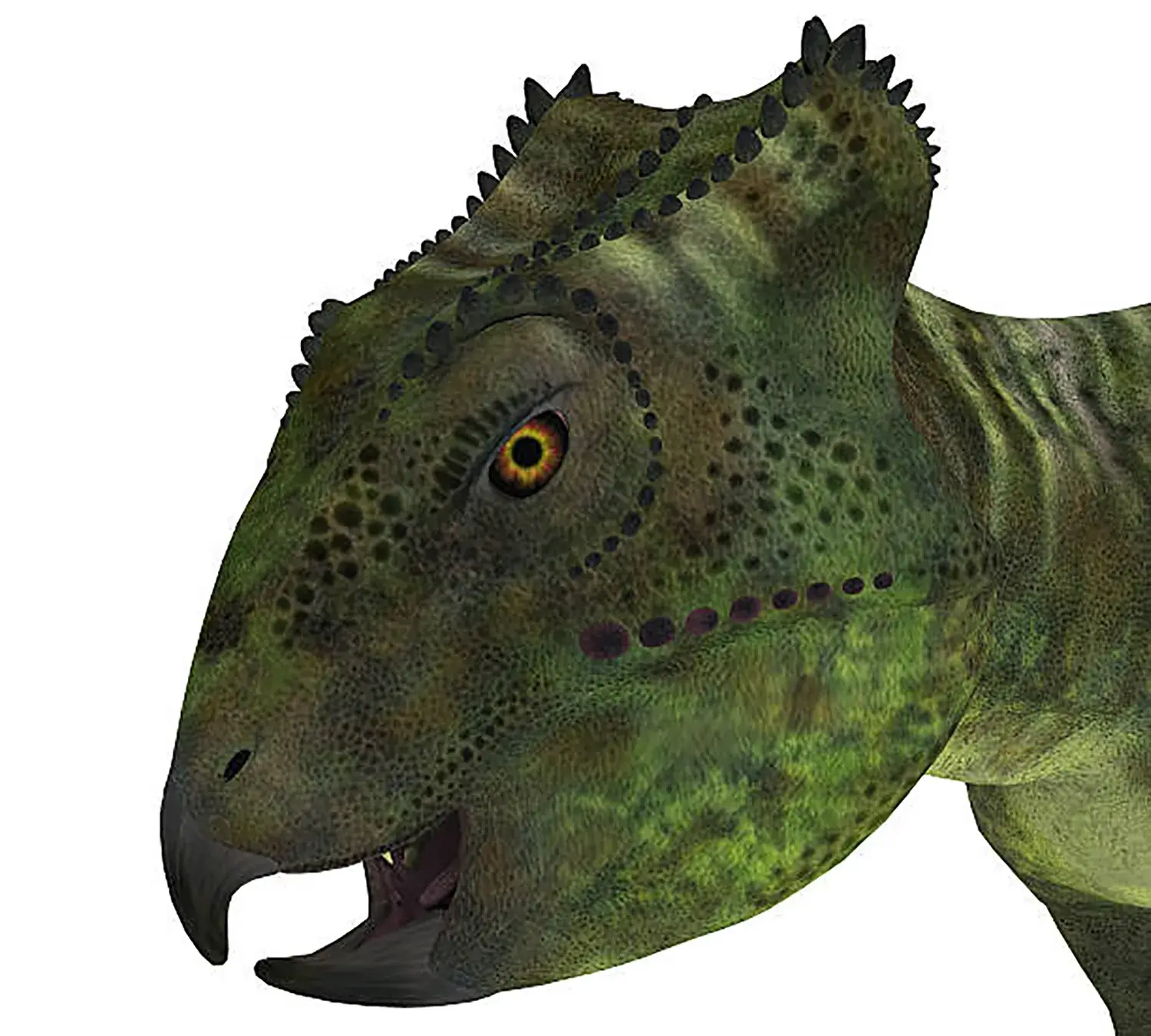
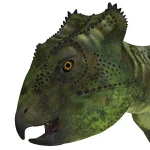
Although it lacked large horns on its head, it had a bird-like beak and a small frill.
Fossils Discovered in China and the Origin of Its Name
Archaeoceratops fossils were discovered in Gansu Province in northwestern China during the “Silk Road Dinosaur Expedition,” a joint Chinese-Japanese excavation project conducted in 1992.
In 1997, paleontologists Dong Zhiming and Yoichi Azuma formally described the fossils and recognized them as a new species.
Its scientific name is Archaeoceratops oshimai.
The genus name combines the Greek word “Archaeo,” meaning “ancient,” with “Ceratops,” meaning “horned face.” Together, the name means “ancient horned face.”
The species name “oshimai” was given in honor of Hirohiko Oshima of the Chunichi Shimbun newspaper, who supported the excavation project.
Distinctive Features: A Small Frill and a Bird-Like Beak
Although Archaeoceratops had a face typical of ceratopsians, its overall body structure retained primitive features.
It had a small bony frill at the back of its head, but lacked the large frill and horns seen in Triceratops.
Its snout also had a pointed structure resembling a bird’s beak, which is thought to have been well suited for cropping plants.
Its snout had a pointed structure resembling a bird’s beak
Dental Features Resembling Those of Primitive Ceratopsians
One interesting feature is that the premaxilla at the front of the snout retained approximately 3 – 4 teeth.
In addition, its upper teeth reportedly had features resembling those of Protoceratops, while its lower teeth resembled those of Psittacosaurus.
The combination of dental features shared with different primitive ceratopsians is another aspect of Archaeoceratops that has attracted attention in research.
A Lightweight Body Adapted for Bipedal Movement
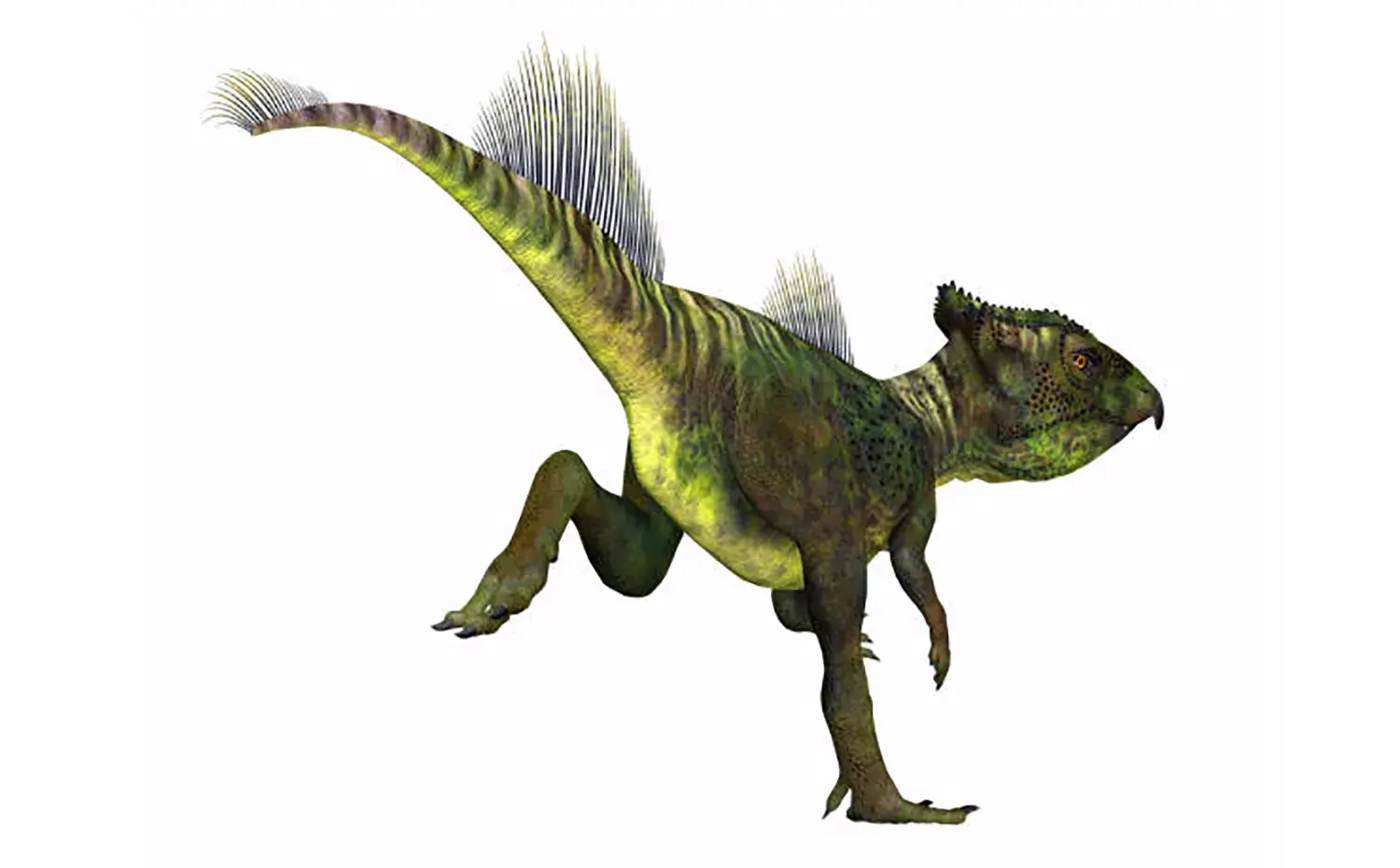
Archaeoceratops had a slender body and well-developed hindlimbs.
Its leg bones were also long and slender, suggesting that its body was adapted for agile movement.
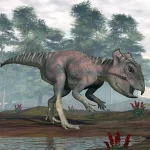
It is generally thought to have walked primarily on its two hindlimbs, although some researchers suggest that its body structure may also have allowed it to walk on all fours.
It primarily walked on two legs
With an estimated weight of approximately 10 kilograms, Archaeoceratops was a small, lightweight dinosaur.
When threatened by predators such as carnivorous dinosaurs, it may have used its well-developed hindlimbs to escape quickly.
Clues to the Evolution of Large Ceratopsians
Archaeoceratops is an important dinosaur for understanding the evolution of the large ceratopsians that flourished in later periods.
As ceratopsians evolved, they developed features such as horns, frills, and beaks.
Archaeoceratops combines primitive dental structures with cranial features that would later become characteristic of ceratopsians.
For this reason, it provides valuable evidence for studying how ceratopsians changed in appearance and evolved into a diverse range of species.
However, Archaeoceratops has not been established as a direct ancestor of Triceratops or other large ceratopsians.
It is considered a closely related dinosaur that occupied a relatively basal position in ceratopsian evolution.