Beishanlong
Name Origin
Northern Mountain Dragon
Family
Deinocheiridae
Classification
Diapsida, Saurischia, Theropoda
Habitat (Discovery Location)
China
Period
Approximately 120 million years ago (Early Cretaceous)
Length
Approximately 7 - 8 meters
Weight
Approximately 550 - 626 kilograms
TODAY'S QUIZ
Correct answer = 1 coin
Why do researchers believe that the main Beishanlong fossil specimen may have belonged to an individual that had not yet reached adulthood?
Loading…
You might also like... 
-
 Chindesaurus
- Classification
- Theropods
- Characteristics
- Carnivorous
- Era
- Triassic period
- Kryptops
- Classification
- Theropods
- Characteristics
- Carnivorous
- Era
- Cretaceous period
- Aquilops
- Classification
- Marginocephalia
- Characteristics
- Herbivorous
- Era
- Cretaceous period
- Venenosaurus
- Classification
- Sauropods
- Characteristics
- Herbivorous
- Era
- Cretaceous period
-
Sponsored Links
-
Sponsored Links






Description
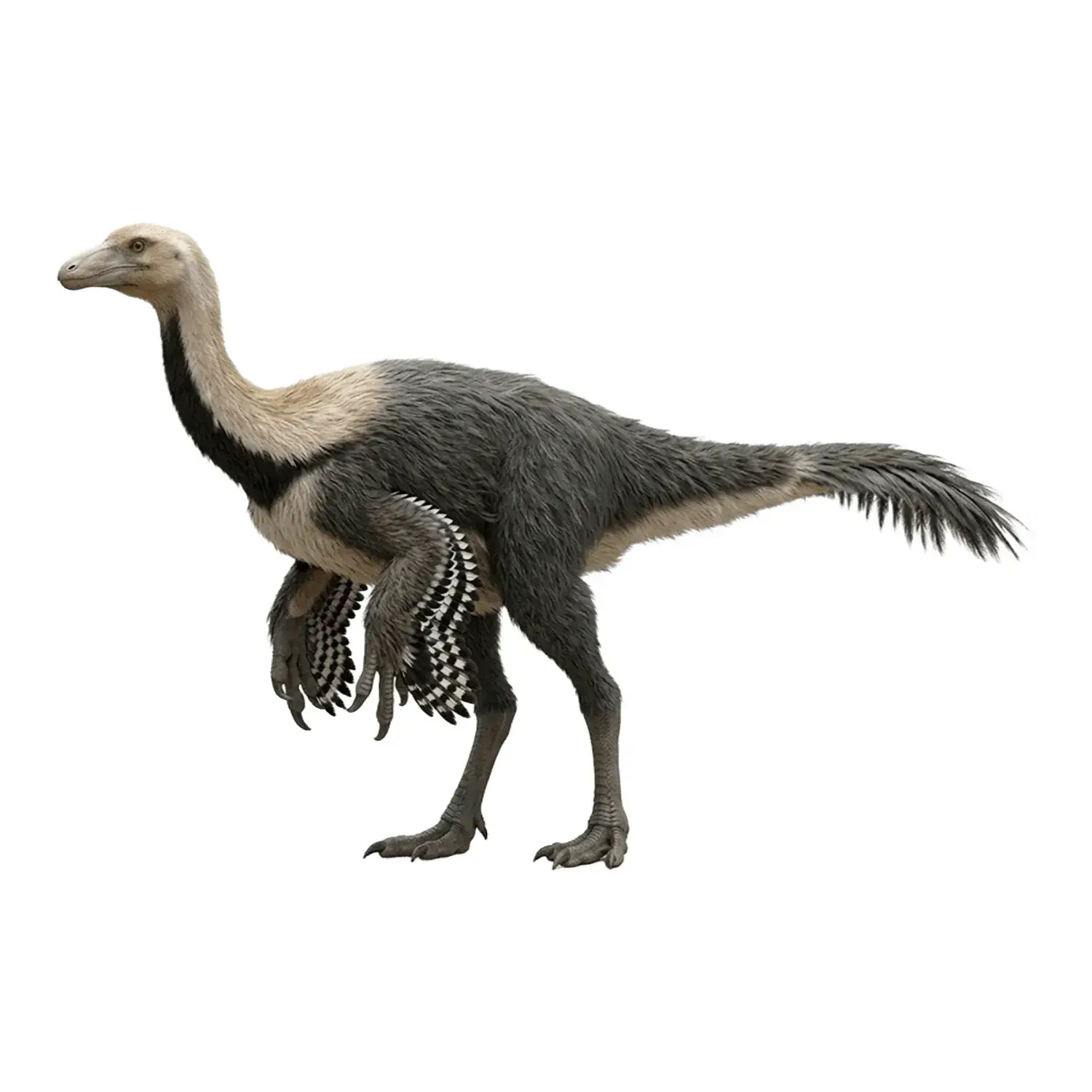
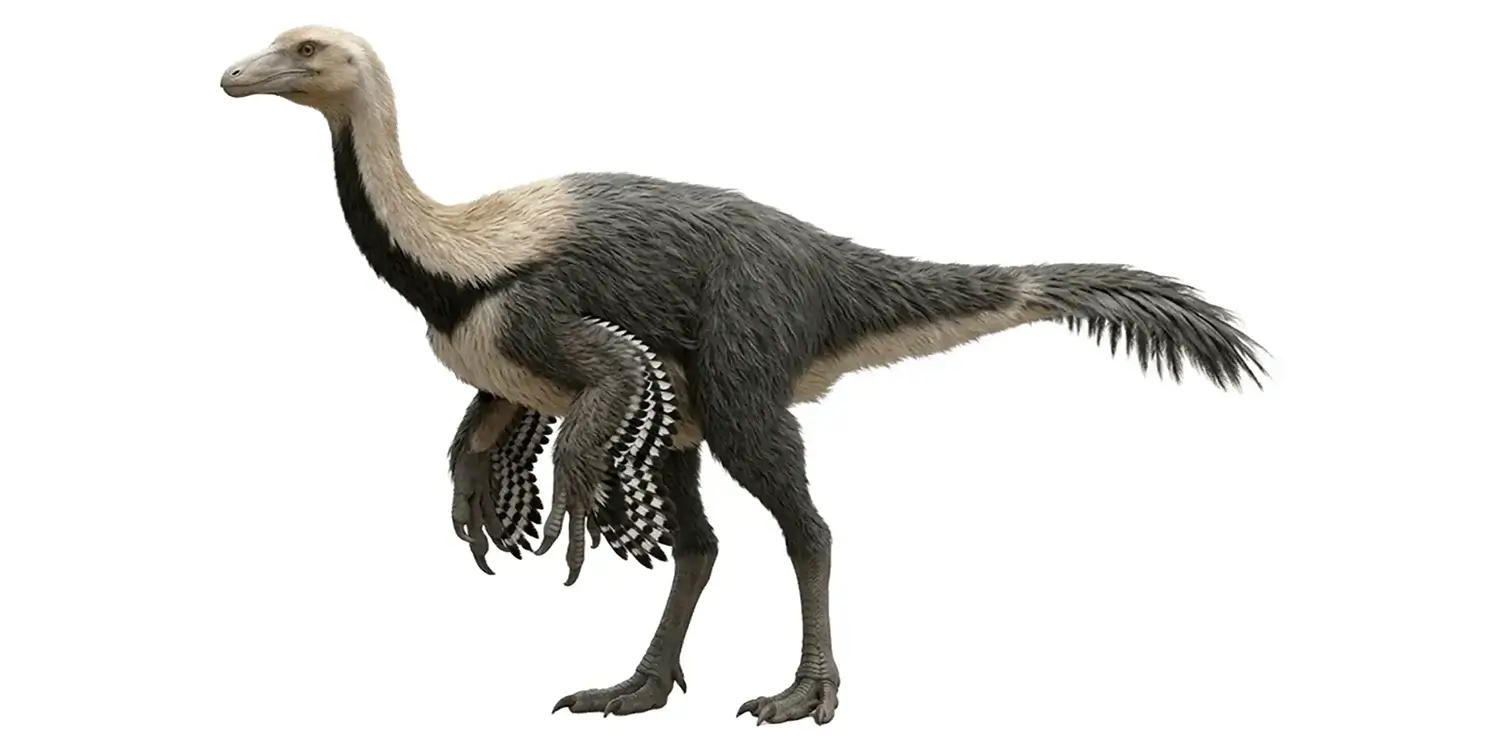
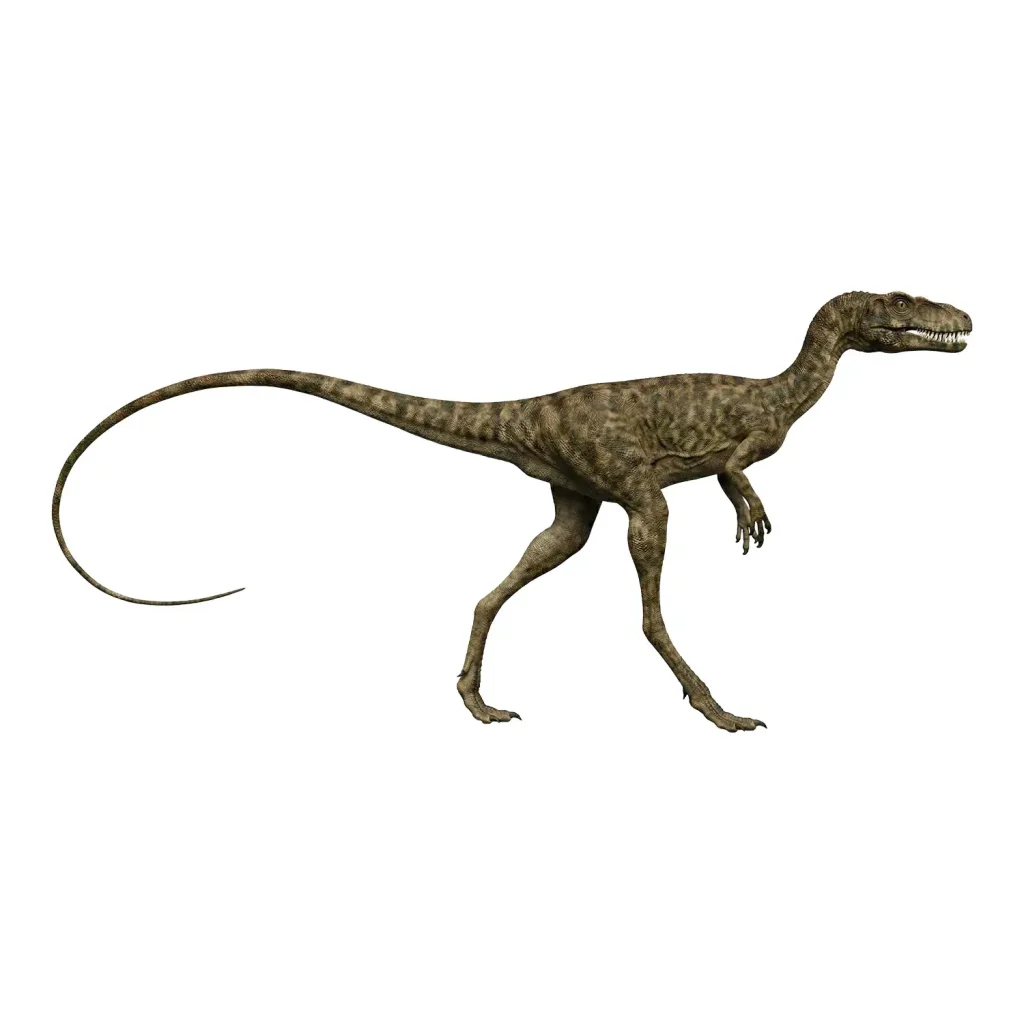
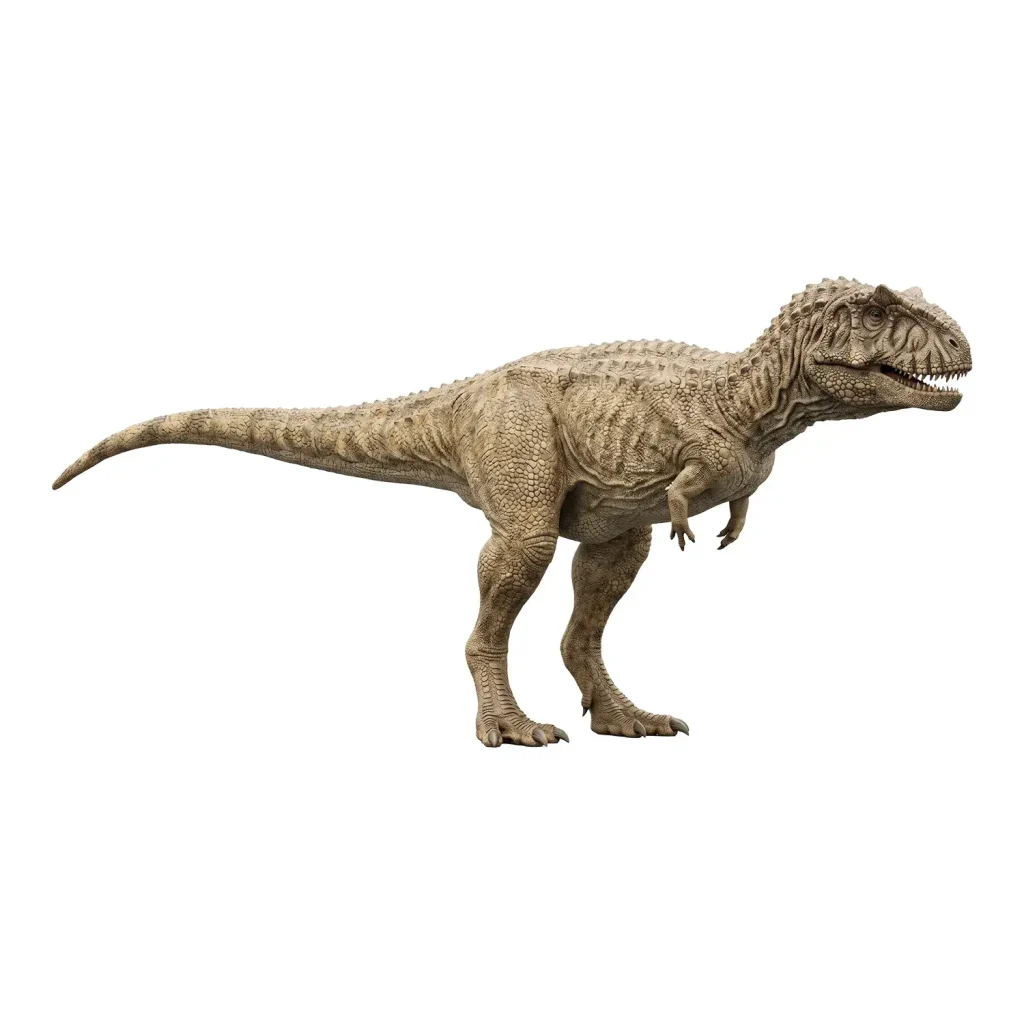
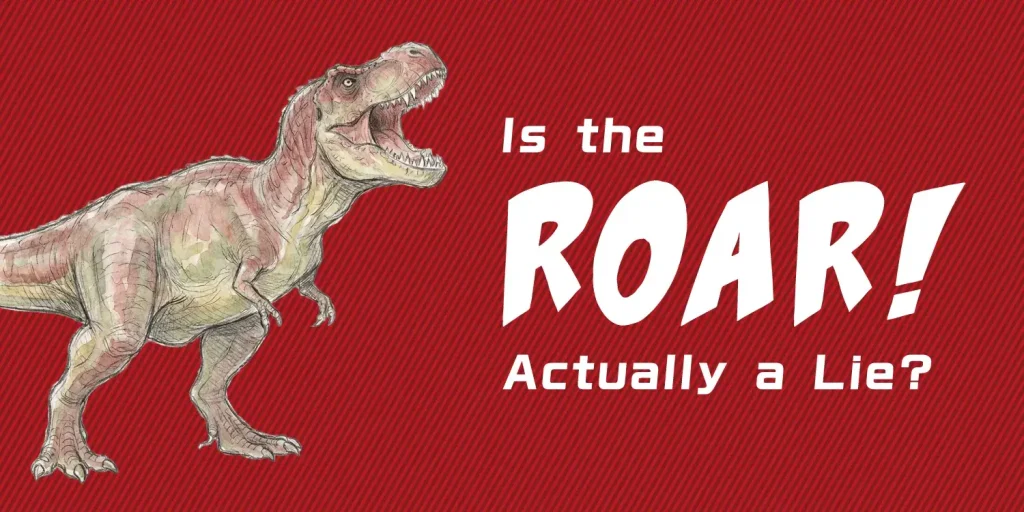
Beishanlong was a large theropod dinosaur that lived in China during the Early Cretaceous.
It belonged to Ornithomimosauria, a group of ostrich-like dinosaurs, and is estimated to have reached approximately 7 – 8 meters in length and weighed approximately 550 – 626 kilograms.
It was one of the largest members of Ornithomimosauria and is known as a dinosaur that evolved distinctive characteristics, along with close relatives such as Deinocheirus.
Fossil Discovery in Northwestern China and the Origin of Its Name
Beishanlong fossils were discovered near Baimocheng in Gansu Province, northwestern China.
Excavations in 2006 uncovered a partial skeleton, although the skull was missing. Additional fossils, including hind limb bones and a pubis, were recovered in subsequent excavations.
It was first described online as a new genus and species in 2009, followed by the publication of a formal scientific paper in 2010.
The scientific name “Beishanlong” combines the Chinese words “Beishan,” meaning “Northern Mountain,” and “Long,” meaning “Dragon.” Together, the name means “Northern Mountain Dragon.”
The species name “grandis” means “large” in Latin.
As its name suggests, Beishanlong had an exceptionally large body for an ornithomimosaur.
A Robust Body Measuring 7 – 8 Meters in Length
Beishanlong is estimated to have reached approximately 7 – 8 meters in length and weighed approximately 550 – 626 kilograms.
Although it belonged to the ostrich-like dinosaurs, it had a relatively robust build.
The femur identified from its fossils reached approximately 66 centimeters in length, indicating that it had an exceptionally sturdy skeleton for an ornithomimosaur.
Its relatively well-developed forelimbs were another distinctive feature.
The Discovered Specimen Was Still Growing
Interestingly, research has revealed that the main specimen used to estimate its body size was still growing when it died.
A study of bone cross-sections identified 13 – 14 growth lines, suggesting that the individual had not yet reached full adulthood.
Therefore, it is possible that fully grown individuals became even larger than the estimated size.
Was Beishanlong an Omnivore or a Herbivore?
Ornithomimosaurs, the group to which Beishanlong belonged, are also known as “ostrich dinosaurs.”
Many members of this group had slender legs and lightweight bodies, and some are thought to have been omnivores that ate plants, small animals, and insects.
Direct evidence revealing the specific diet of Beishanlong is limited.
Therefore, it is difficult to conclude that it was a carnivore, and it may instead have been an omnivore or herbivore.
It has also been suggested that its relatively powerful forelimbs and large claws may have been used for digging in the ground or gathering plants and other food.
A Large Ornithomimosaur Closely Related to Deinocheirus
Beishanlong belonged to a group of ornithomimosaurs that evolved large body sizes.
In current classifications, it is placed in the family Deinocheiridae and is considered closely related to Late Cretaceous dinosaurs such as Deinocheirus.
Other dinosaur groups in China also included species that evolved large body sizes during the same period.
Examples include Suzhousaurus, a therizinosaur, and Gigantoraptor, an oviraptorosaur.
The fact that dinosaurs from different groups independently evolved large body sizes in Central Asia during the same period is an interesting aspect of dinosaur evolution.