
Rapator
Classification
Diapsida, Saurischia, Theropoda
Habitat (Discovery Location)
Australia
Period
Early Cretaceous
Length
Approximately 4 - 6 meters
Diet
Carnivore (Meat-eater)
TODAY'S QUIZ
Correct answer = 1 coin
Why have earlier estimates suggesting that Rapator was around 9 meters long been reconsidered?
Loading…
You might also like... 

-
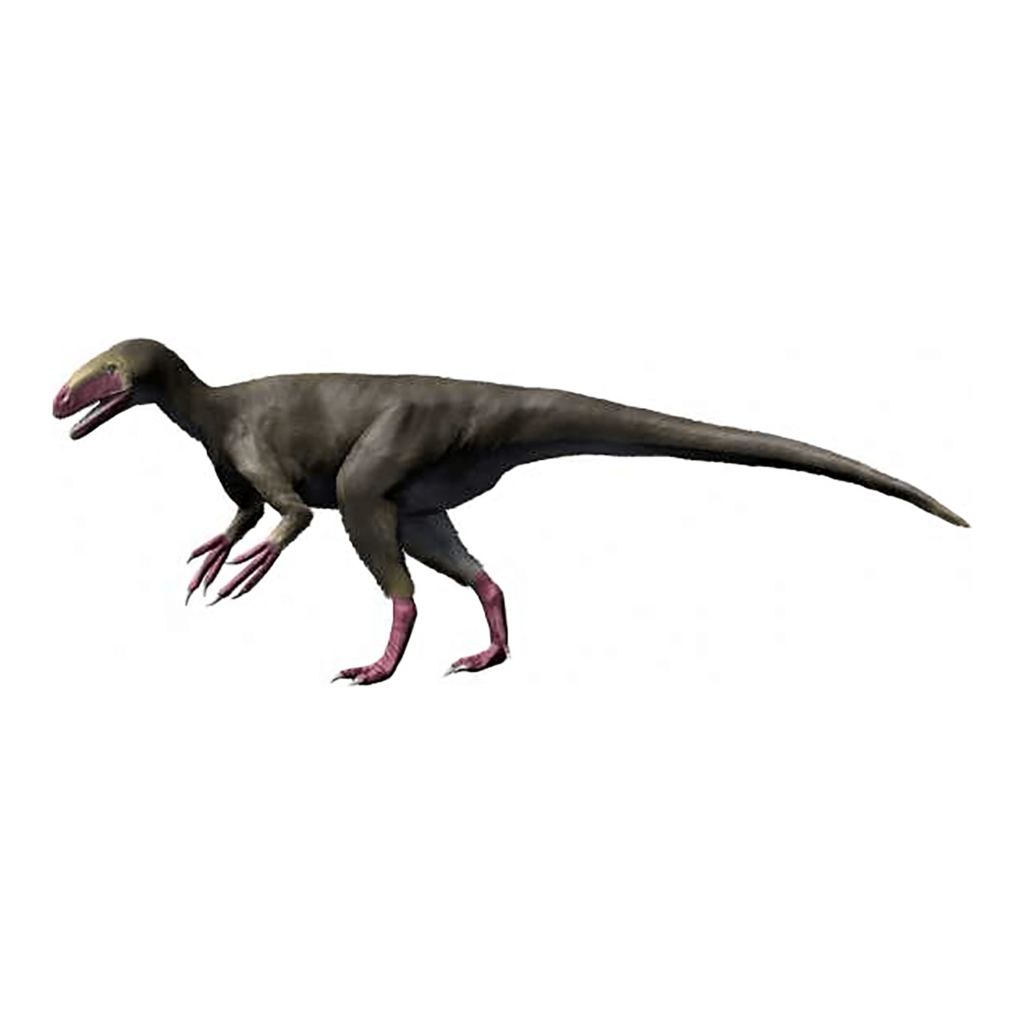
 Eotyrannus
- Classification
- Theropods
- Characteristics
- Carnivorous
- Era
- Cretaceous period
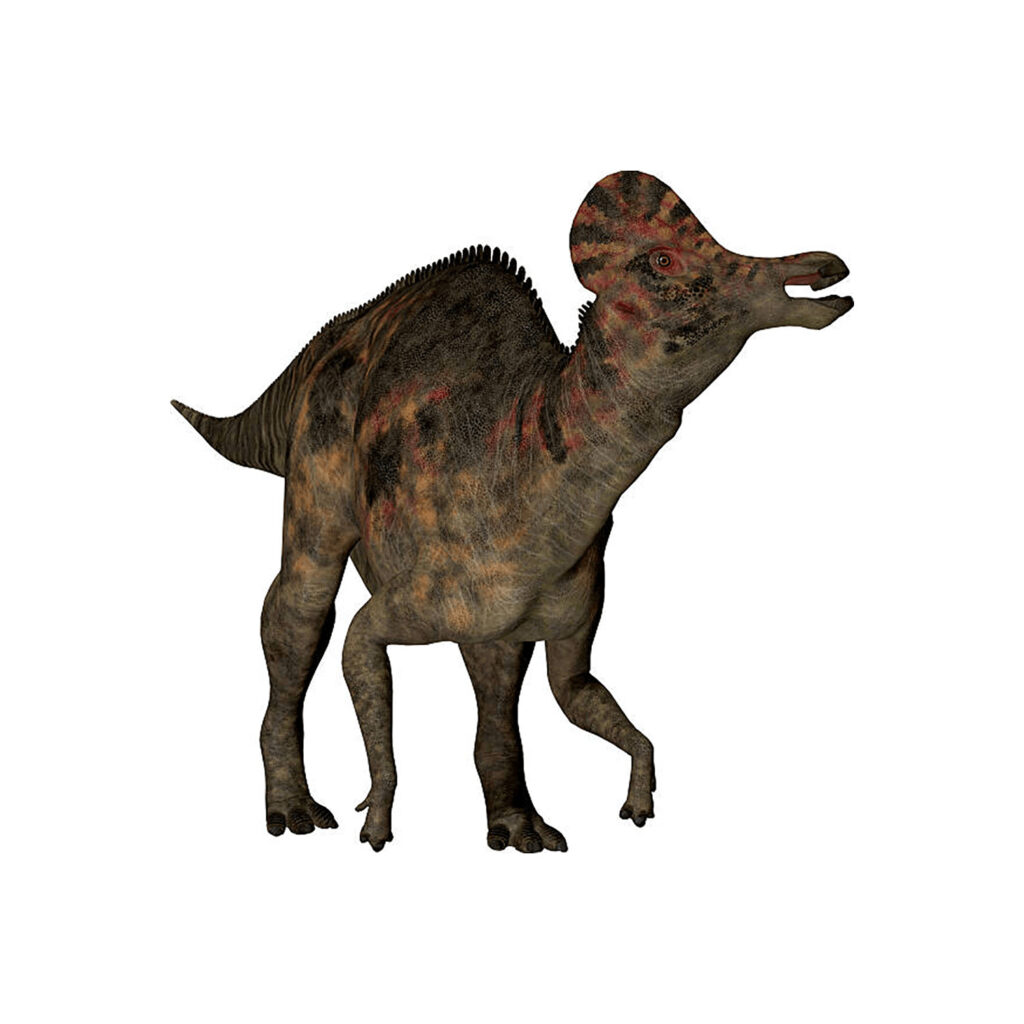
- Corythosaurus
- Classification
- Ornithopoda
- Characteristics
- Herbivorous
- Era
- Cretaceous period
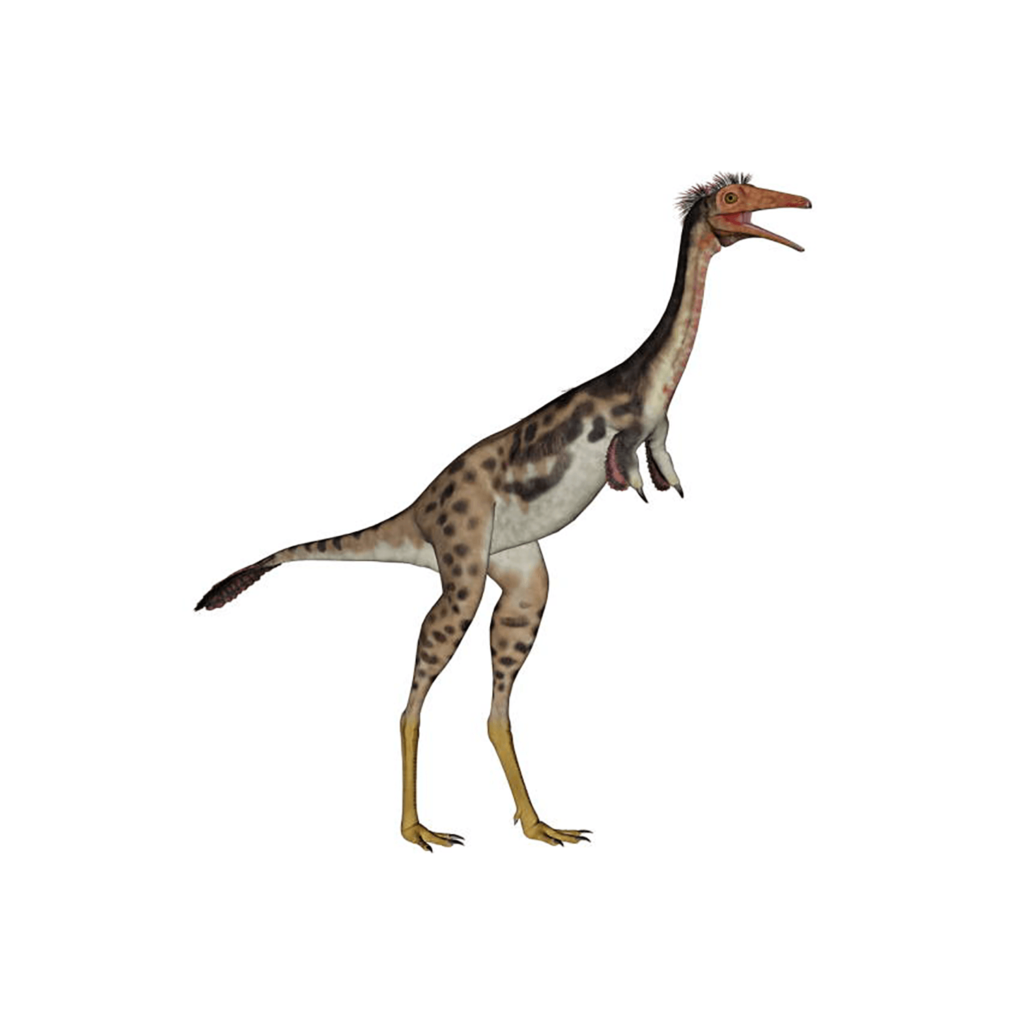
- Mononykus
- Classification
- Theropods
- Characteristics
- Carnivorous
- Feathered
- Era
- Cretaceous period
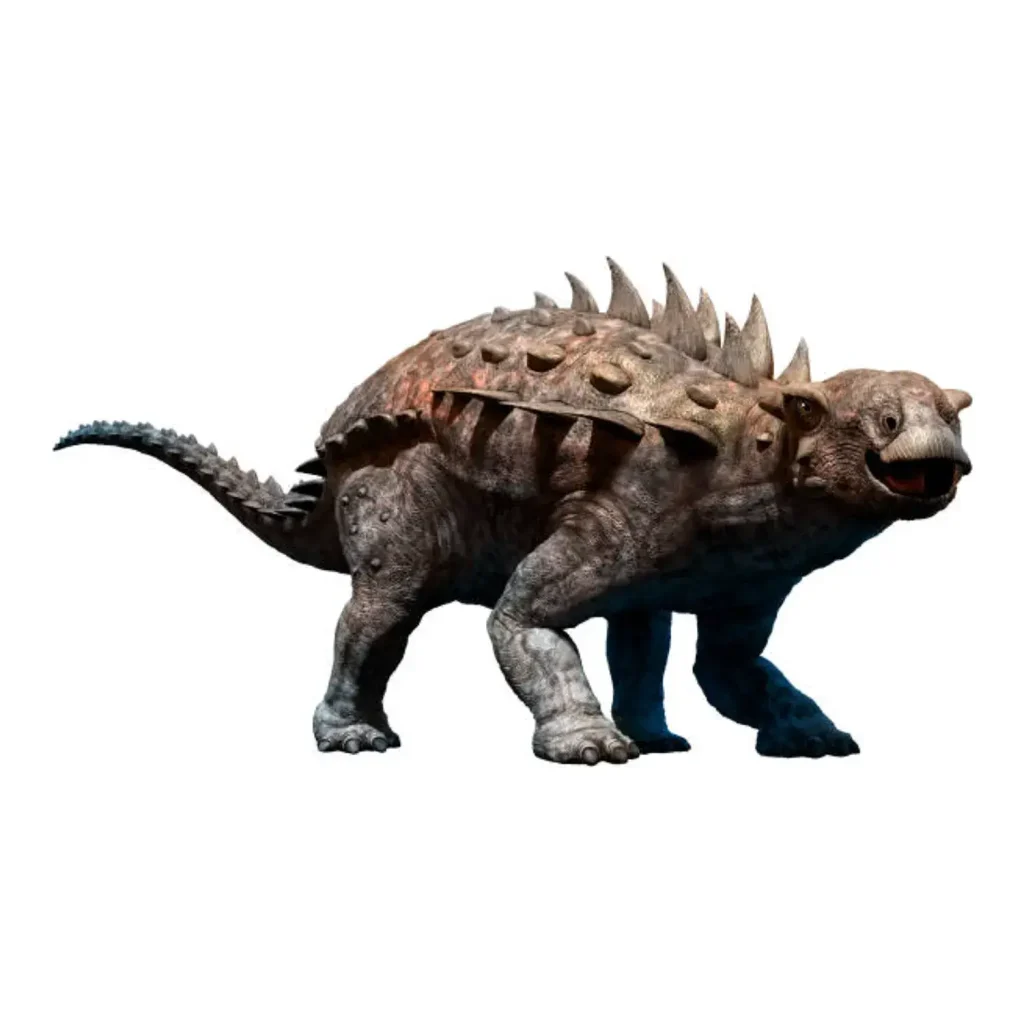
- Polacanthus
- Classification
- Thyreophora
- Characteristics
- Herbivorous
- Era
- Cretaceous period
-
Sponsored Links
-
Sponsored Links

















Description
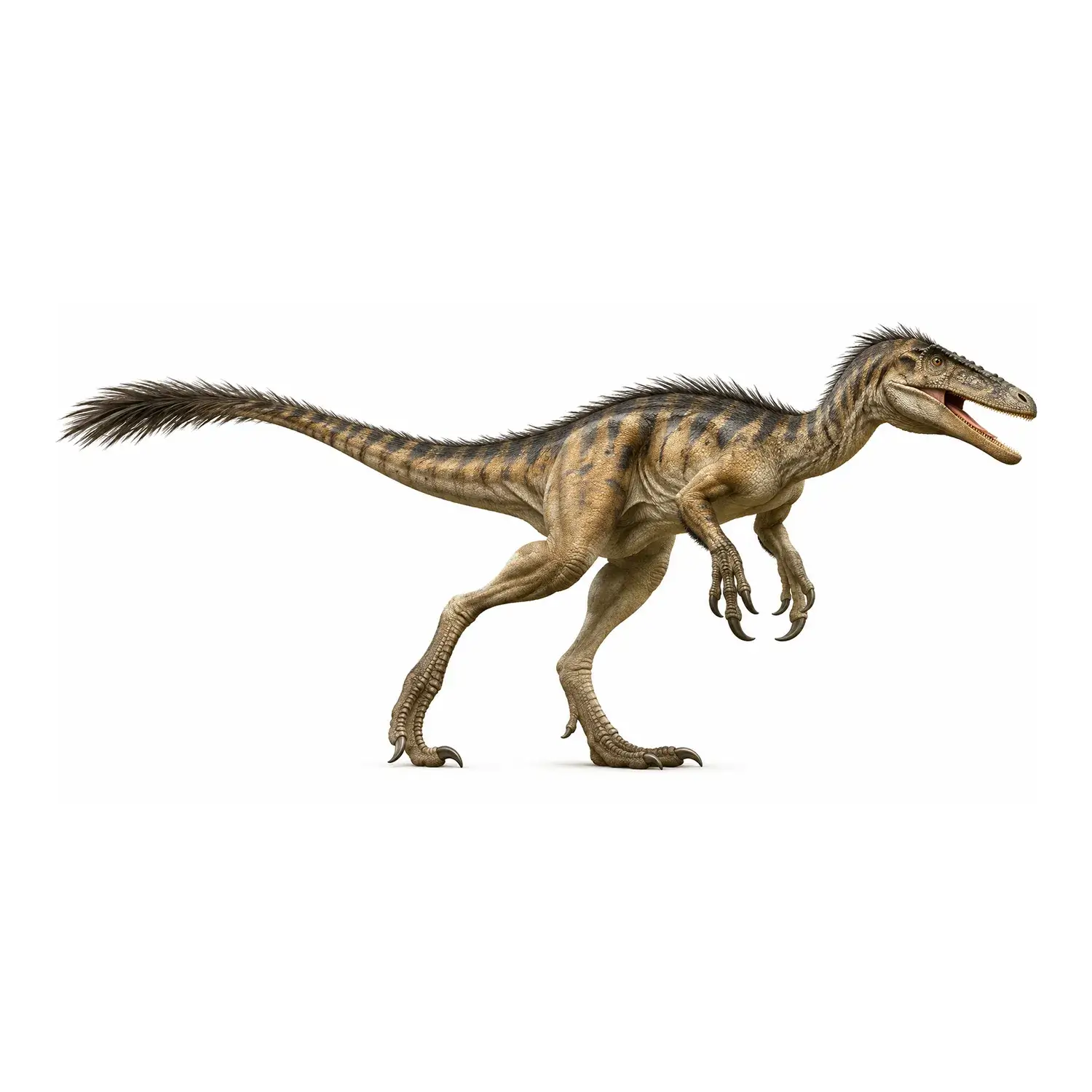
Rapator was a carnivorous dinosaur that lived in Australia during the Early Cretaceous.
It is thought to have been a theropod belonging to the megaraptor group, a group of dinosaurs characterized by their long forelimbs and large hands.
However, very little is known about Rapator.
At present, the only fossil that can be confidently assigned to this species is a single hand bone measuring approximately 7 centimeters long.
As a result, its overall appearance and detailed lifestyle remain largely unknown, and even the origin of its scientific name is still a mystery.
Rapator is one of Australia’s enigmatic carnivorous dinosaurs, known only from a small amount of fossil material.
Fossils Discovered in Australia and the Origin of Its Name
Rapator fossils were discovered around 1905 at Lightning Ridge in New South Wales, Australia.
The fossil is believed to have been found by someone involved in opal mining before eventually being housed at the Natural History Museum in London, England.
In 1932, German paleontologist Friedrich von Huene formally described the fossil and named it Rapator.
The Origin of the Name “Rapator” Is Unknown
The genus name “Rapator” is sometimes commonly explained as meaning “plunderer.”
However, the word “Rapator” does not actually exist in Classical Latin, and it is only rarely used in Medieval Latin, where it means “violator.”
Von Huene, who named the dinosaur, left no detailed explanation of why he chose this name.
Some theories suggest that he may have intended to use the word “raptor,” meaning “plunderer,” but misspelled it, or that he misunderstood a Latin word.
However, neither explanation is supported by conclusive evidence, and the origin of the name remains a mystery.
On the other hand, the species name “ornitholestoides” means “resembling Ornitholestes.”
It refers to features shared by the discovered bone and Ornitholestes.
The Only Definitive Fossil Is a Single Hand Bone Approximately 7 Centimeters Long
One of the major challenges in studying Rapator is the scarcity of its fossils.
At present, the only specimen that can be confidently assigned to this species is a single left metacarpal measuring approximately 7 centimeters long.
A metacarpal is a bone that connects the wrist to the finger bones. In humans, these bones form the palm of the hand.
No complete skeleton has been discovered, and even skull bones, teeth, and hindlimb bones remain unknown.
For this reason, it is difficult to reconstruct exactly what Rapator looked like.
Other dinosaurs, such as Walgettosuchus, have also been discovered in Australia from the same period, but are known only from fragmentary fossils such as caudal vertebrae.
The existence of these dinosaurs illustrates how difficult it can be to identify a species based on only a limited number of bones.
Because so little fossil material is available for Rapator, questions have also been raised about whether it is appropriate to treat it as a distinct dinosaur genus.
If fossils of its skull, torso, or hindlimbs are discovered in the future, they may provide new insights into its identity.
A Large Carnivorous Dinosaur Estimated to Have Reached 4 – 6 Meters in Length
Rapator was once estimated to have been approximately 9 meters long.
However, this estimate was made before it was classified among the megaraptor group, and its estimated size has since been revised.
Megaraptorans are characterized by their large, well-developed forelimbs compared with those of other large theropods.
Therefore, estimating their overall body size based solely on the size of a hand bone may result in an overestimate.
Current estimates suggest that Rapator was approximately 4 – 5 meters long. If related specimens whose classification remains uncertain are also considered, it may have reached approximately 6 meters.
However, all these estimates are based on fragmentary skeletal remains, and its actual size remains unknown.
Why Rapator Is Classified as a Megaraptoran and Its Close Relatives
Rapator was once thought to be a large theropod closely related to Allosaurus and other allosauroids.
However, recent studies suggest that it was more likely a member of the megaraptor group, based on features of its forelimb bones and other characteristics.
The megaraptor group includes Megaraptor, Aerosteon, and Fukuiraptor, whose fossils were discovered in Fukui Prefecture, Japan.
Many members of this group had large forelimbs and well-developed claws, and may have actively used their forelimbs to capture prey.
Similarities with Australovenator
The hand bone of Rapator has features that closely resemble those of the forelimbs of Australovenator, a megaraptoran discovered later in Australia.
Australovenator lived during a later period than Rapator.
Research into its fossils brought renewed attention to the classification of Rapator, whose identity had remained unclear for a long time.
However, there is a considerable gap between the periods in which the two dinosaurs lived.
Similarities in skeletal features do not necessarily mean that they belonged to the same species.
At present, Rapator and Australovenator are compared as closely related members of the megaraptor group.