
Mei
Name Origin
To Sleep
Family
Troodontidae
Classification
Diapsida, Saurischia, Theropoda
Habitat (Discovery Location)
China
Period
Early Cretaceous
Length
Approximately 50 - 100 centimeters
Weight
Approximately 3.6 kilograms
Diet
Carnivore (Meat-eater)
TODAY'S QUIZ
Correct answer = 1 coin
What evidence suggests that Mei was buried while resting, rather than accidentally ending up in its sleeping posture after death?
Loading…
You might also like... 

-
 Mamenchisaurus
- Classification
- Sauropods
- Characteristics
- Herbivorous
- Era
- Jurassic period
- Stegosaurus
- Classification
- Thyreophora
- Characteristics
- Herbivorous
- Era
- Jurassic period
- Euhelopus
- Classification
- Sauropods
- Characteristics
- Herbivorous
- Era
- Cretaceous period
- Atrociraptor
- Classification
- Theropods
- Characteristics
- Carnivorous
- Era
- Cretaceous period
-
Sponsored Links
-
Sponsored Links














Description
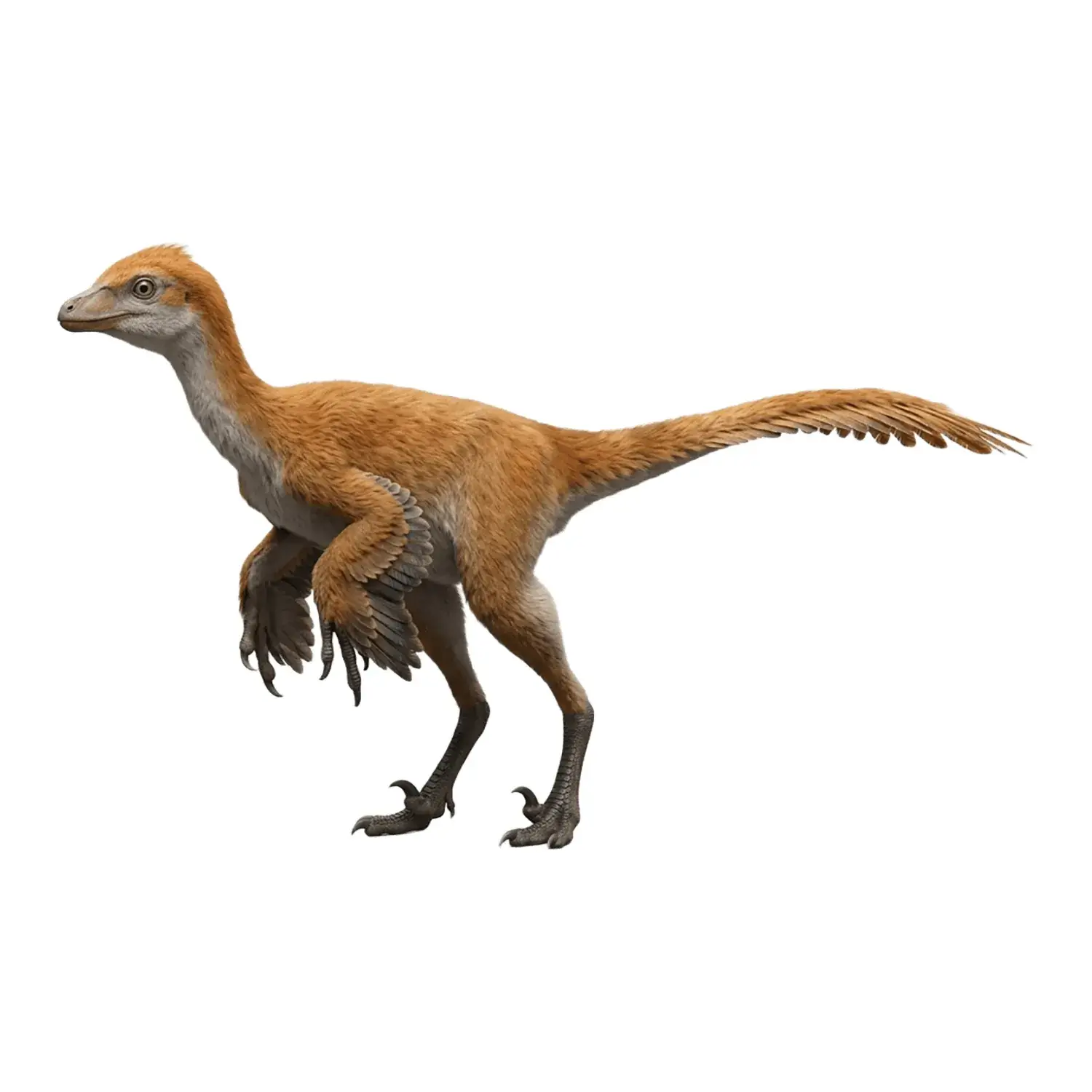
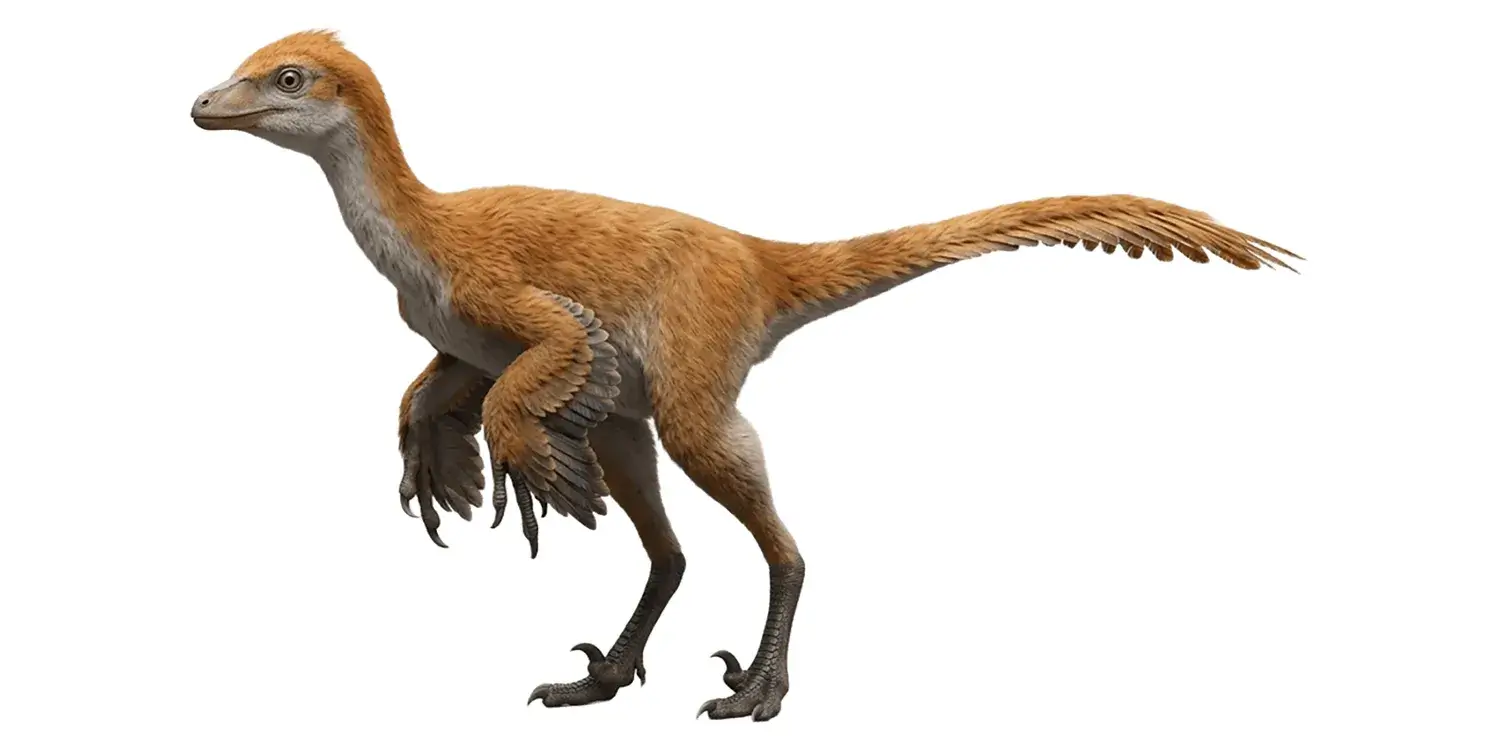
Mei was a small theropod that lived in China during the Early Cretaceous.
It belonged to the Troodontidae family and is estimated to have been approximately 50 – 100 centimeters long.
Mei is particularly noteworthy in paleontological research because its fossil was preserved in an extremely unusual posture.
It was found with its limbs folded, its neck bent backward, and its head tucked beneath its forelimbs, resembling the sleeping posture commonly seen in modern birds.
This discovery provides important clues for understanding the relationship between dinosaur and bird behavior and evolution.
Fossils Discovered in China and the Origin of the Name “Sleeping Dragon”
Mei fossils were discovered in Early Cretaceous rock layers in Liaoning Province, China.
Numerous feathered dinosaur fossils have been found in this region, and Mei is one of them.
In 2004, it was formally described as a new genus and species and named Mei long.
Its scientific name comes from Chinese and means “sleeping dragon” or “dragon sleeping peacefully.”
The name refers to the fossil’s preserved posture, which makes it appear as though the dinosaur were sleeping.
A Small Dinosaur Approximately 50 – 100 Centimeters Long with Well-Developed Sensory Organs
Mei was a small dinosaur measuring approximately 50 – 100 centimeters in length.
One of the discovered specimens is approximately 53 centimeters long, but this individual is thought to have still been growing.
The Troodontidae family to which Mei belonged was a group of theropods known for having relatively large brains and well-developed sensory organs.
Mei may also have had keen eyesight and hearing, allowing it to detect its surroundings while searching for small prey.
Its diet may have included insects, lizards, and small mammals.
It is thought to have been a small predator that primarily hunted small animals rather than prey as large as the giant dinosaurs.
A Dinosaur Preserved in a Sleeping Posture Similar to That of Modern Birds
The most fascinating aspect of Mei’s fossil is the posture in which it was discovered.
It was preserved with its limbs folded beneath its body, its neck bent backward, and its head tucked under its forelimbs.
This posture closely resembles the way modern birds sleep or rest.
Furthermore, the fossil showed almost no significant displacement of the bones.
This suggests that the posture was not accidentally formed by the weight of sediment after death, but that the dinosaur may have been buried while maintaining its resting posture in life.
This discovery provided important evidence that sleeping behaviors seen in modern birds may also have existed in dinosaurs, the ancestors of birds.
A Resting Posture That May Have Helped Maintain Body Temperature
It is thought that curling up and covering the head and neck with feathers or other body covering can reduce the surface area exposed to the outside air and help prevent heat loss.
If Mei also adopted this behavior, it may have had some ability to regulate its body temperature.