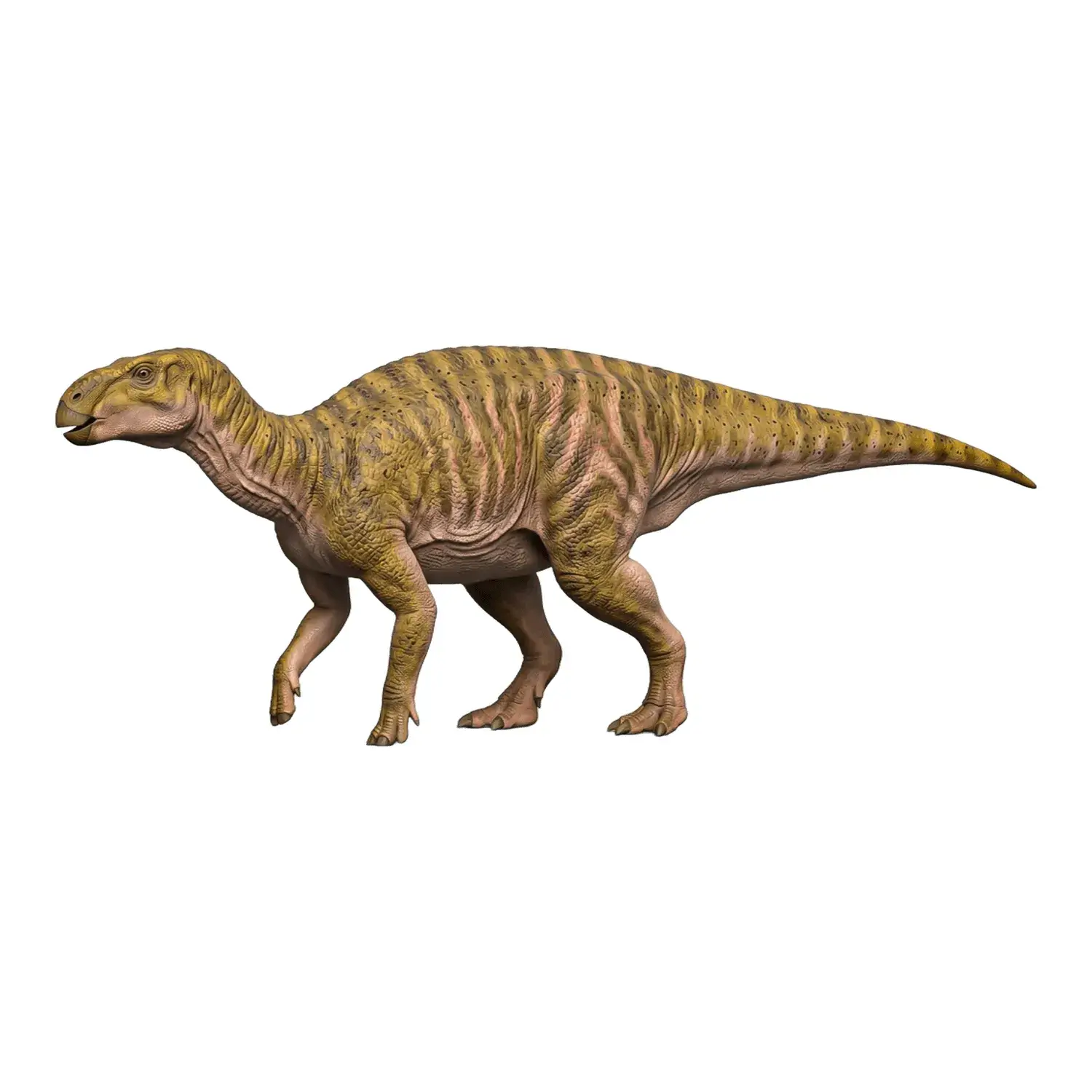
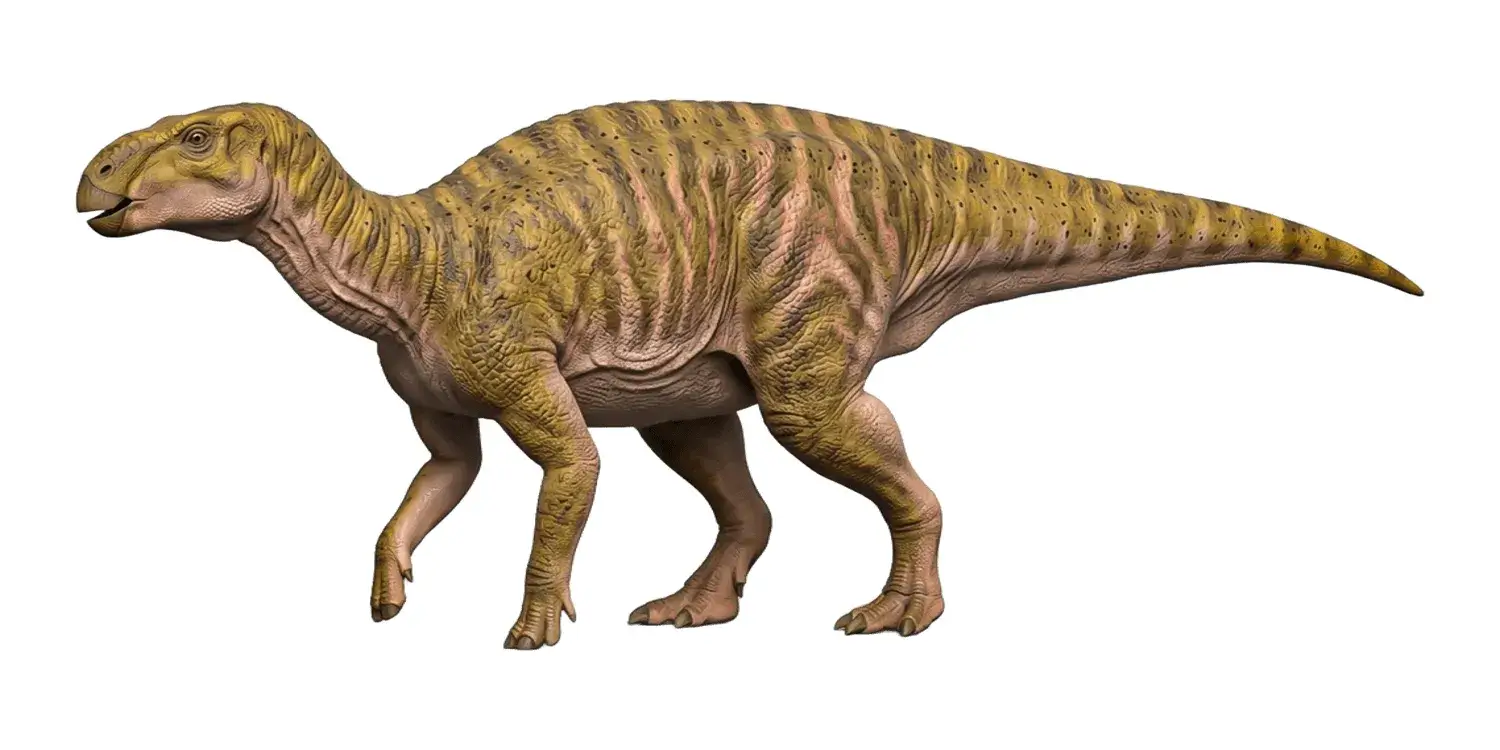
Rhabdodon
Name Origin
Rod-like Teeth
Family
Rhabdodontidae
Classification
Diapsida, Ornithischia, Ornithopoda
Habitat (Discovery Location)
France, Spain, Romania
Period
Approximately 70 million years ago (Late Cretaceous)
Length
Approximately 4.5 meters
Diet
Herbivore (Plant-eater)
TODAY'S QUIZ
Correct answer = 1 coin
Rhabdodon was once thought to be closely related to small ornithopods such as Hypsilophodon. How is it classified in current research?
Loading…
You might also like... 

-
 Polacanthus
- Classification
- Thyreophora
- Characteristics
- Herbivorous
- Era
- Cretaceous period
- Kamuysaurus
- Classification
- Ornithopoda
- Characteristics
- Herbivorous
- Era
- Cretaceous period
- Qantassaurus
- Classification
- Ornithopoda
- Characteristics
- Herbivorous
- Era
- Cretaceous period
- Geosternbergia
- Classification
- Flying reptiles
- Characteristics
- Carnivorous
- Era
- Cretaceous period
-
Sponsored Links
-
Sponsored Links










Description
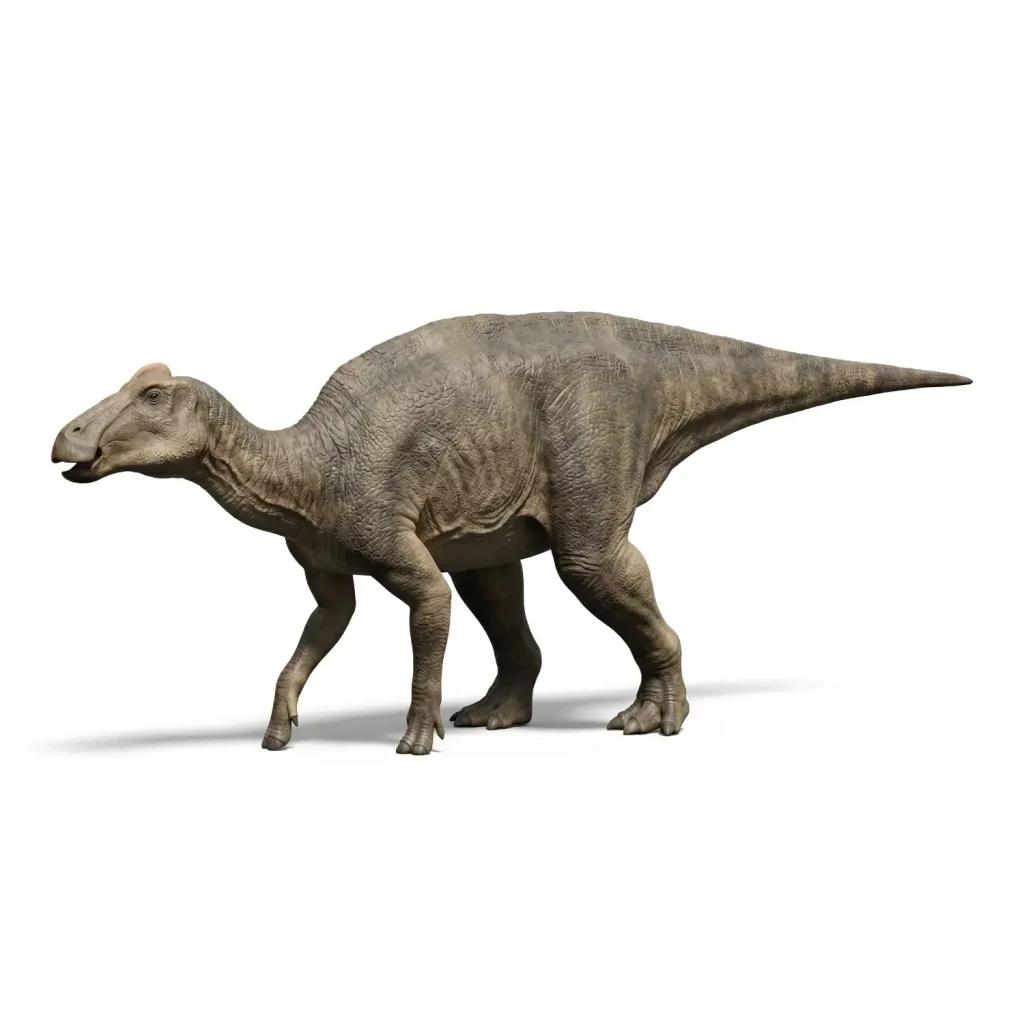
Rhabdodon was a herbivorous dinosaur that lived in Europe during the Late Cretaceous.
It belonged to the same group of ornithopods as Iguanodon and is thought to have reached approximately 4.5 meters in length.
While hadrosaurids, also known as duck-billed dinosaurs, were thriving, Rhabdodon retained more primitive characteristics that distinguished it from them.
With its robust build and distinctive teeth, it was one of the herbivorous dinosaurs that formed part of Europe’s terrestrial ecosystems at the time.
The Name “Rod-like Teeth” and Where Its Fossils Were Discovered
The scientific name “Rhabdodon” means “rod-like teeth” or “grooved teeth.”
It was named after the shape of its teeth.
Notable species include Rhabdodon priscus and Rhabdodon septimanicus.
Fossils have been discovered in various parts of present-day Europe, including France, Spain, and Romania.
The area around Hațeg Island in Romania is particularly well known for its numerous Late Cretaceous dinosaur fossils.
A Robust Build and Distinctive Teeth, with an Estimated Length of Approximately 4.5 Meters
Rhabdodon is estimated to have been approximately 4.5 meters long.
It was smaller than Iguanodon, but unlike slender, small ornithopods, it had a generally robust build.
Its body shape had characteristics reminiscent of Camptosaurus, which lived during the Jurassic, and Iguanodon, which lived during the Early Cretaceous.
Its teeth also retained primitive features.
During the Late Cretaceous, hadrosaurids with specialized dental batteries capable of efficiently grinding plant material were thriving, but Rhabdodon had distinct dental characteristics that differed from theirs.
Based on these body and dental features, Rhabdodon is thought to have followed a different evolutionary path from later iguanodontians.
An Evolutionary Lineage Distinct from Small Ornithopods Despite Similarities in Appearance
Because Rhabdodon had a relatively small, robust body, it was once thought to be closely related to small ornithopods such as Hypsilophodon.
However, current research places it within a basal group of iguanodontians, and it is classified in its own distinct group, the family Rhabdodontidae.
Similar appearances do not necessarily mean that dinosaurs belonged to the same evolutionary lineage.
Although Rhabdodon was relatively small, it had skeletal features characteristic of iguanodontians.
Possibly Preyed Upon by Carnivorous Dinosaurs in Late Cretaceous Europe
During the Late Cretaceous, Europe was home to a diverse range of dinosaurs, including Rhabdodon.
Small carnivorous dinosaurs such as Pyroraptor and carnivorous dinosaurs belonging to the family Abelisauridae also lived there.
As a herbivorous dinosaur, Rhabdodon may have been prey for these predators.
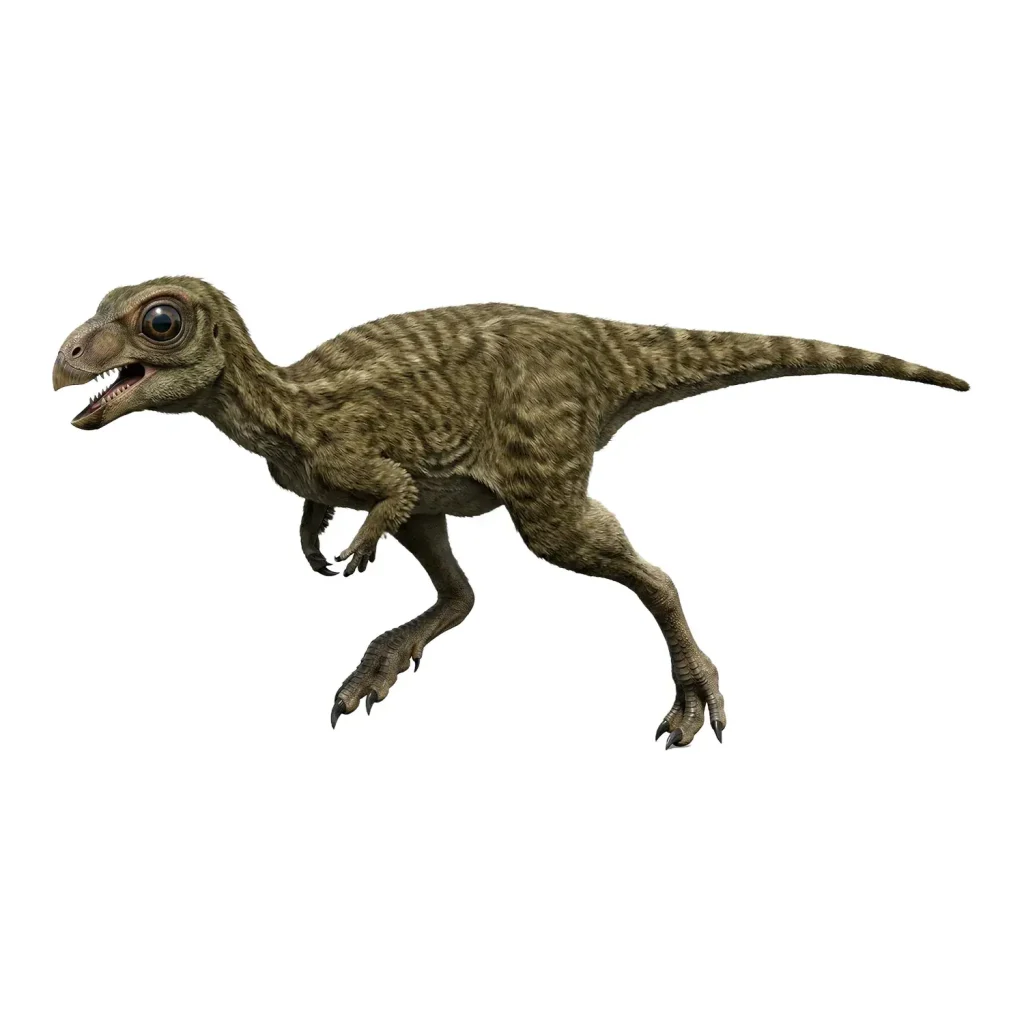
Young individuals, in particular, are thought to have been at greater risk of predation than adults.
However, direct evidence identifying which carnivorous dinosaurs actually preyed on Rhabdodon remains limited.